











Yoghurt with fruit has long been held up as the easy win of healthy eating – quick, colourful, and reassuringly wholesome. From breakfast bowls to mid-afternoon snacks, it looks like a simple way to tick both dairy and fruit off the list.
Yet beneath the glossy presentation, things are not always quite as straightforward. Sugar levels, portion sizes, and the type of yoghurt you choose can quietly shift this feel-good combo from genuinely nourishing to less helpful than expected.
A closer look helps separate smart everyday choices from habits that deserve a rethink.
All information is provided for general interest only and should not replace professional medical or nutritional advice. Individual dietary needs and tolerances may vary.
Taste, appearance, and availability may vary. Photos are for illustrative purposes only.
How Protein And Fibre Work Together For Fullness

Ever wondered why some breakfasts keep you satisfied until lunch whilst others leave you raiding the biscuit tin by 10am? It's all about protein and fibre teaming up like a proper power couple.
Yoghurt brings the protein to steady your appetite, whilst fruit delivers fibre that slows digestion and keeps things moving.
When these two join forces, they create a feeling of fullness that lasts. Your body takes longer to break down the combination, which means fewer hunger pangs and less temptation to snack mindlessly throughout the morning.
What Natural Sugars Mean For Blood Sugar Balance

Fruit gets a bad rap sometimes because of sugar, but here's the thing – natural sugars from whole fruit behave differently than the refined stuff lurking in biscuits. When you eat fresh fruit with yoghurt, the natural sugars come packaged with fibre, which slows their absorption into your bloodstream.
Plain yoghurt adds protein and fat to the mix, further smoothing out any blood sugar spikes. This means you get steady energy rather than that rollercoaster ride of highs and crashes that comes from sugary cereals or pastries.
The Role Of Probiotics In Digestion And Gut Health
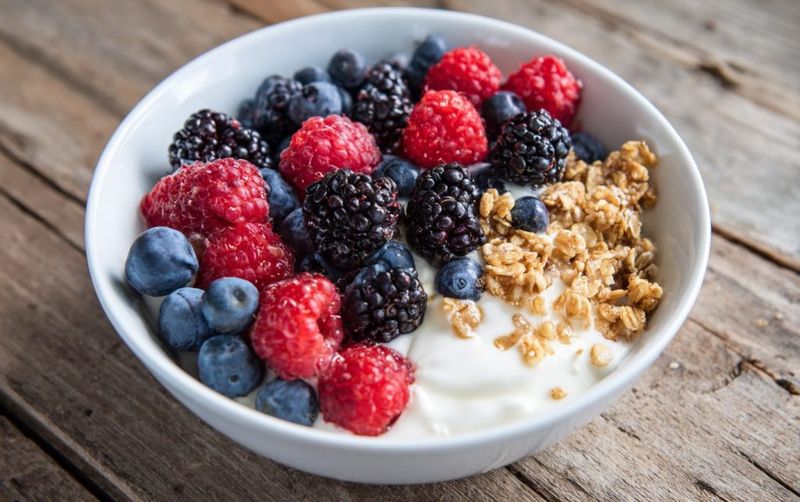
Your gut is home to trillions of tiny bacteria, and keeping them happy is crucial for everything from digestion to immunity. Yoghurt with live cultures delivers probiotics – those friendly bacteria that support a healthy gut environment and help break down food more efficiently.
Adding fruit to the equation gives those probiotics something to munch on. The fibre in fruit acts as prebiotics, essentially food for your good bacteria.
Together, they create a thriving ecosystem in your digestive system that keeps bloating at bay and things running smoothly.
Which Fruits Pair Best With Different Types Of Yoghurt
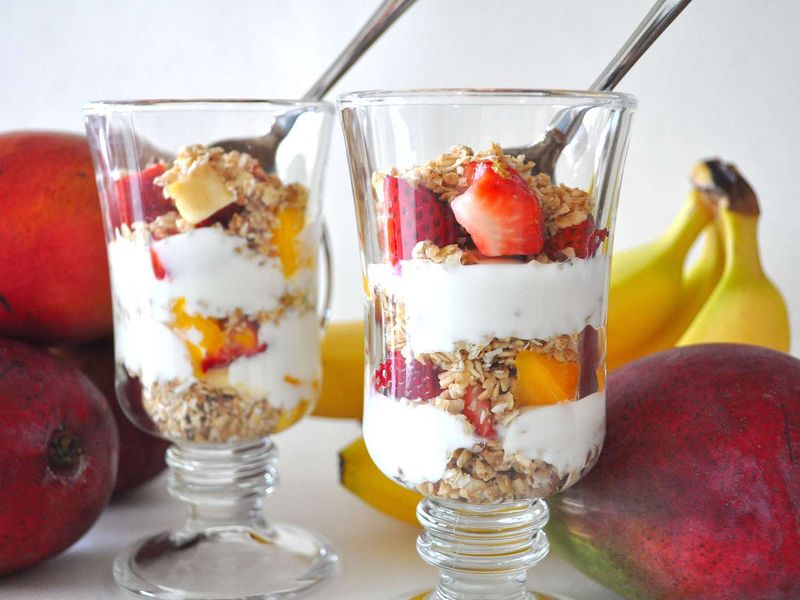
Not all fruit and yoghurt combinations are created equal, and some pairings work better than others for both flavour and digestion. Greek yoghurt's thick, tangy profile pairs brilliantly with sweeter, low-acidity fruits like bananas, mangoes, and blueberries, which balance the tartness without overwhelming your stomach.
Meanwhile, milder natural yoghurt handles ripe strawberries, pears, and watermelon beautifully. Steer clear of highly acidic fruits like pineapple, kiwi, and citrus if you're prone to tummy troubles – they can clash with dairy and leave you feeling uncomfortable.
Portion Sizes That Keep The Combination Balanced
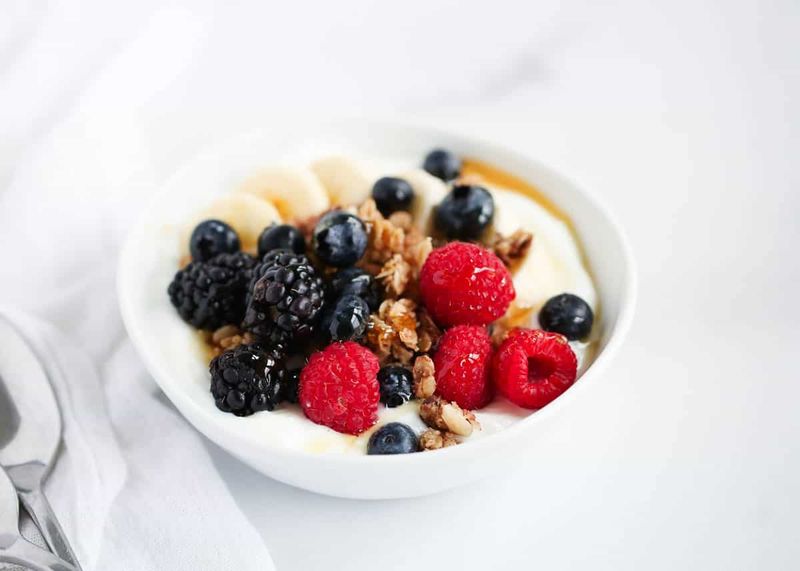
It's easy to go overboard when building a yoghurt bowl, especially when you're piling on the toppings. A balanced portion typically means around 150 to 200 grams of yoghurt paired with roughly one serving of fruit – think a medium banana, a handful of berries, or a sliced apple.
This ratio gives you enough protein, fibre, and natural sweetness without tipping into excess calories or sugar. Keep it simple and listen to your hunger cues.
A smaller, well-balanced bowl often leaves you more satisfied than a massive one loaded with extras you don't actually need.
When Flavoured Yoghurt Can Tip The Sugar Scale

Those brightly coloured fruit yoghurts in the chiller aisle might look innocent, but flip them over and check the label – you'll often find they're loaded with added sugars, sometimes as much as a chocolate bar. Manufacturers add sugar to mask tartness, and those fruity bits are often sweetened or made with concentrates rather than real fruit.
Choosing plain, unsweetened yoghurt and adding your own fresh fruit gives you total control over sweetness. You'll slash the sugar content whilst boosting nutrients, and your taste buds will adjust faster than you'd think.
How This Pairing Fits Into Breakfast And Snacks
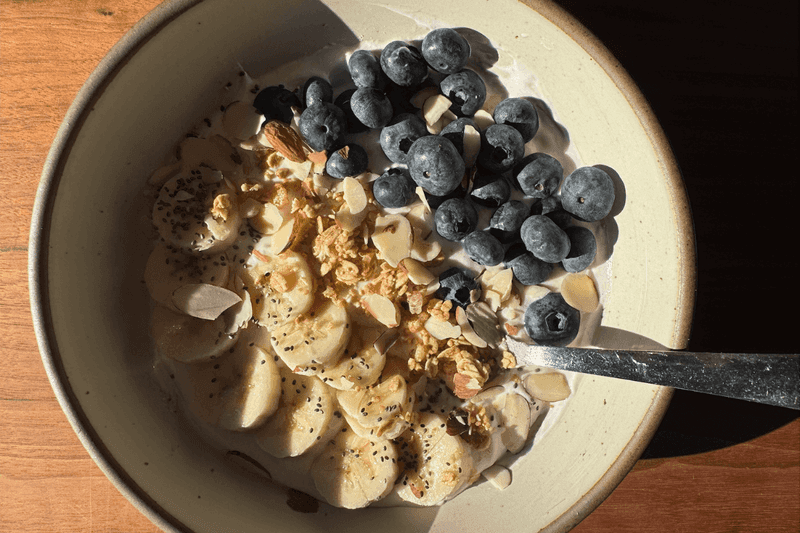
Yoghurt and fruit shines brightest at breakfast, where it delivers quick energy, protein, and fibre to kickstart your day without weighing you down. It's also a brilliant mid-morning or afternoon snack when you need something satisfying but not too heavy – much better than reaching for crisps or pastries.
The beauty of this combo is its versatility. You can eat it straight from the bowl, blend it into a smoothie, or layer it into a parfait with a sprinkle of granola.
It fits seamlessly into busy mornings and keeps you fuelled without fuss.
Simple Ways To Build A More Nourishing Bowl
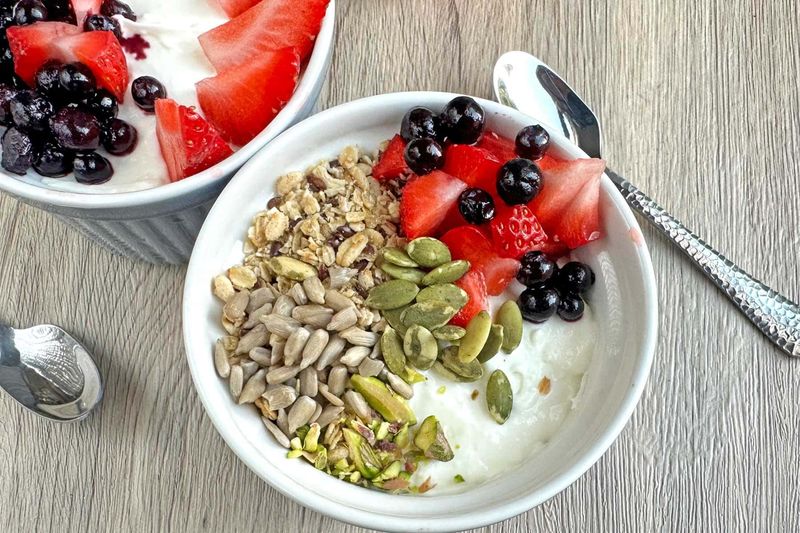
Taking your yoghurt and fruit bowl from good to great doesn't require fancy ingredients or complicated recipes. Start with plain, high-protein yoghurt – Greek or Icelandic styles work brilliantly.
Add a mix of fresh, low-acidity fruits for natural sweetness and colour, then consider a sprinkle of nuts, seeds, or oats for extra crunch and healthy fats.
A drizzle of honey or a pinch of cinnamon can elevate flavour without overdoing it. Keep it simple, focus on whole ingredients, and you'll have a nourishing bowl that tastes indulgent but fuels your body properly.