













Iron plays a central role in everyday health, helping the body transport oxygen and support normal energy levels. When intake falls short, fatigue can creep in and meals may start to feel less satisfying than they should.
The good news is that increasing iron does not require dramatic dietary changes. Many familiar British dishes already include ingredients that naturally contribute to iron intake, from hearty breakfasts to traditional dinners.
Knowing which foods fit easily into classic meals makes it simpler to support your diet without straying far from what you already enjoy.
This article is for general information only and does not replace medical or nutritional advice. Iron needs vary by age, health status, and lifestyle.
If you have concerns about iron levels or deficiencies, consult a qualified healthcare professional. Food composition, preparation, and portion sizes may also affect iron content.
1. Beef
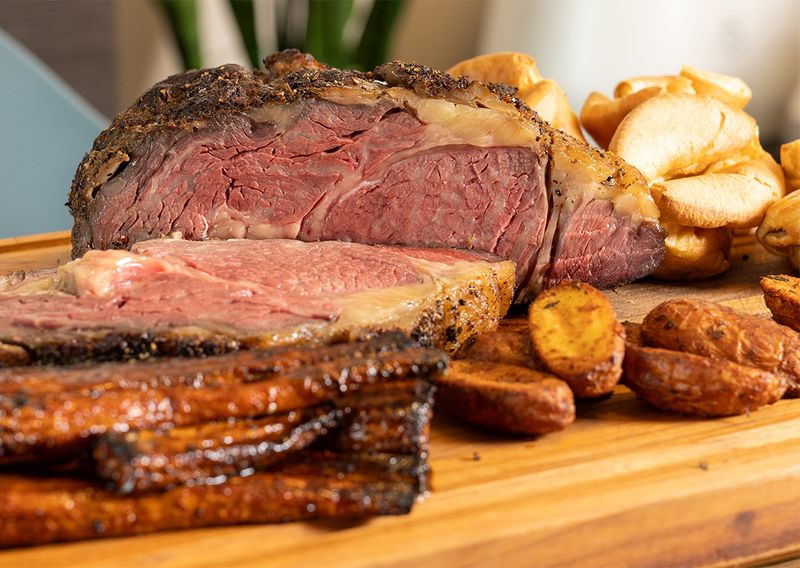
A proper Sunday roast with beef delivers a hefty dose of heme iron, the type your body absorbs most efficiently. Just 85 grams of cooked beef packs around 2.5 milligrams of iron, making it one of the best sources going.
Toss it into a classic steak and kidney pie, slow-cook it for a hearty stew, or simply roast it with all the trimmings. The rich, savoury flavour pairs brilliantly with Yorkshire puddings and roasted veg, turning a nutritious meal into proper comfort food that nobody will moan about eating.
2. Lamb
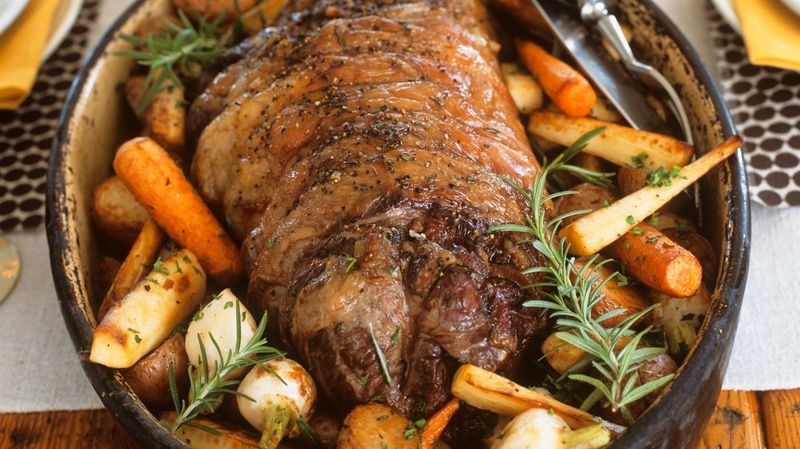
Lamb brings about 1.8 milligrams of iron per 100 grams, plus a distinctively rich taste that makes it a favourite for special occasions. It's packed with heme iron, so your body soaks it up without much fuss.
Roast a leg of lamb with rosemary and garlic for Sunday lunch, or simmer it slowly in a Lancashire hotpot with layers of potatoes and onions. The tender meat practically falls apart, and the savoury juices make every bite satisfying.
Pair it with mint sauce and seasonal greens for a meal that's both traditional and genuinely nourishing.
3. Pork Sausages
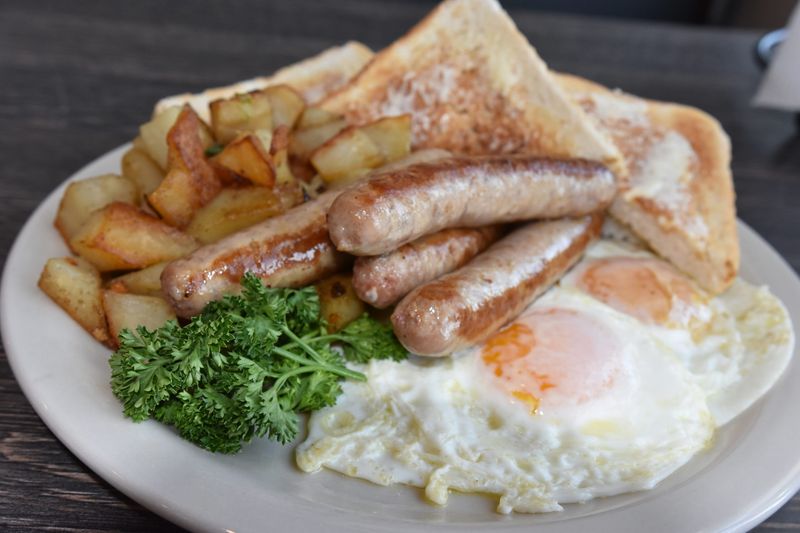
Bangers might not be the first thing you think of when considering iron, but good-quality pork sausages contribute a decent amount to your daily needs. They're a breakfast staple that fits right into a full English or toad in the hole.
Grill them until the skins are crispy and golden, then serve alongside eggs, beans, and toast for a proper morning feast. The savoury, slightly fatty flavour makes them incredibly moreish, and they're dead easy to cook.
Just watch the quality – go for sausages with higher meat content to get the most nutritional bang for your buck.
4. Black Pudding
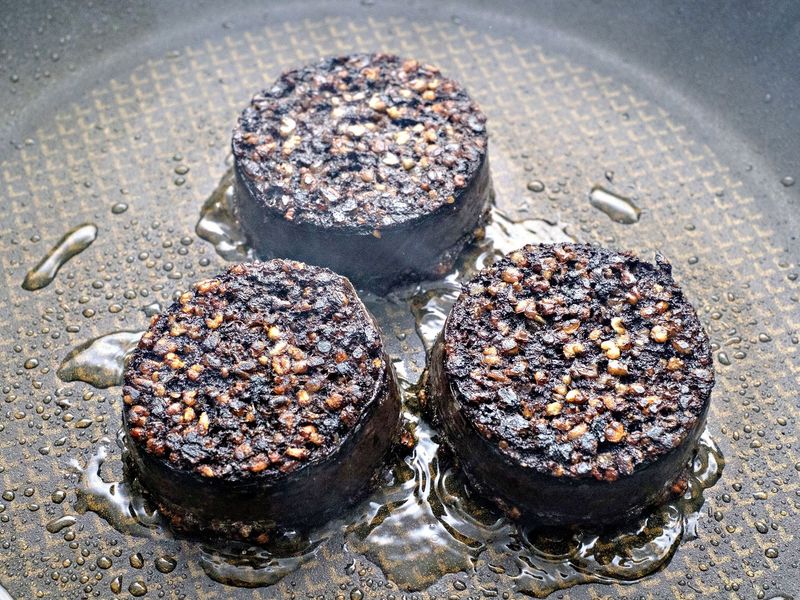
Black pudding is basically an iron powerhouse wrapped in a humble-looking casing. Made from blood, fat, and oatmeal, it delivers a serious iron hit that few other foods can match, making it brilliant for anyone needing to boost their levels quickly.
Fry slices until they're crispy on the outside and soft in the middle, then add them to your full English or serve alongside scallops for a posh twist. The rich, earthy flavour might not be for everyone, but once you develop a taste for it, you'll wonder how you ever skipped it.
5. Liver And Onions
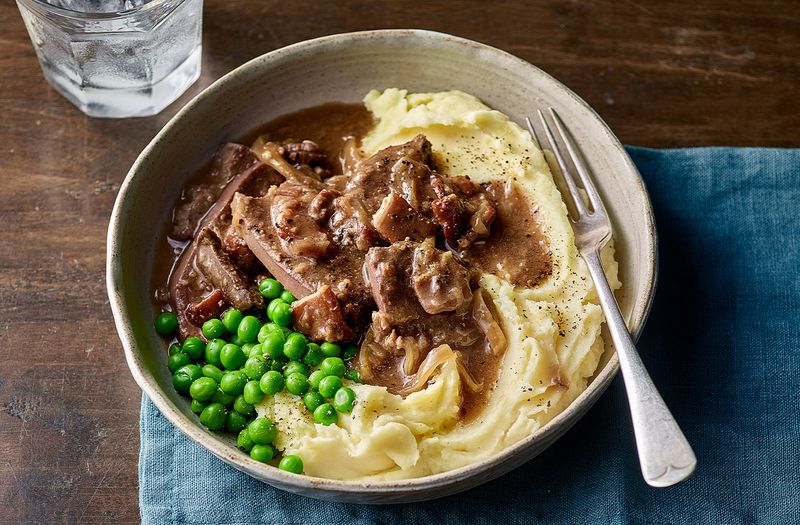
Liver is one of the most iron-dense foods on the planet, offering several milligrams in just a small serving. It's also loaded with vitamin A and other nutrients, making it a nutritional superstar despite its divisive reputation.
Pan-fry slices of lamb or calf liver with caramelised onions and serve with creamy mashed potatoes and gravy. The trick is not to overcook it – liver turns tough and bitter when it's done too long.
Cooked right, it's tender, flavourful, and genuinely satisfying, especially on a chilly evening when you need something hearty.
6. Sardines
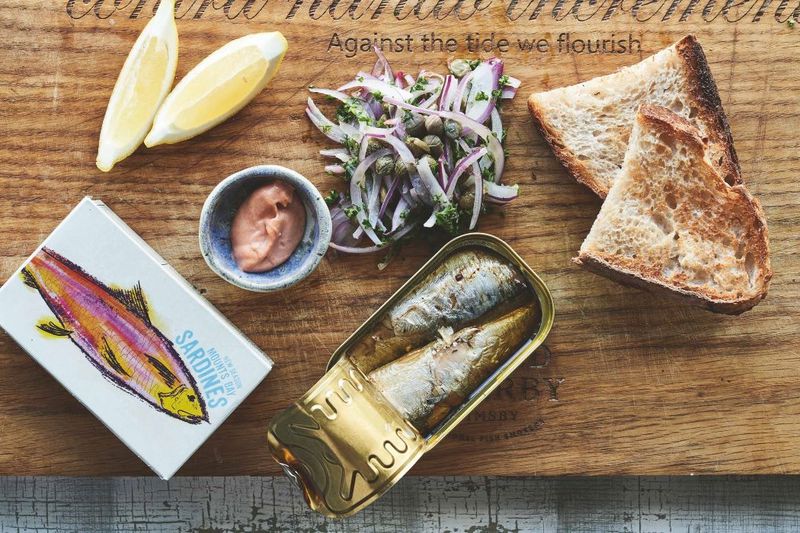
Tinned sardines might seem old-fashioned, but they're packed with iron, omega-3 fatty acids, and calcium from the soft bones. They're also ridiculously convenient and keep for ages in the cupboard.
Mash them onto wholemeal toast with a squeeze of lemon and a sprinkle of black pepper for a quick lunch that's both tasty and nutritious. You can also toss them into pasta or salads for extra flavour and texture.
The slightly oily, salty taste works brilliantly with simple ingredients, and they're cheap enough to stock up on without breaking the bank.
7. Mackerel
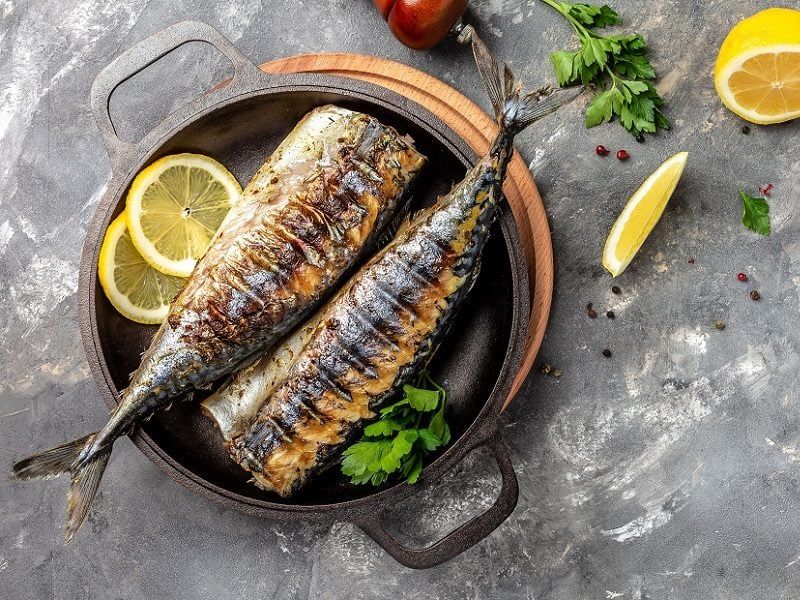
Mackerel delivers a good dose of iron along with heart-healthy fats that make it a smart choice for regular meals. It's got a stronger flavour than white fish, so it stands up well to bold seasonings and sauces.
Grill or bake mackerel fillets with a bit of lemon and herbs, then serve with new potatoes and steamed greens. The flesh is rich and slightly oily, which keeps it moist and flavourful even when cooked simply.
Smoked mackerel also works brilliantly in salads or mixed into creamy pâté for a quick starter or snack.
8. Eggs
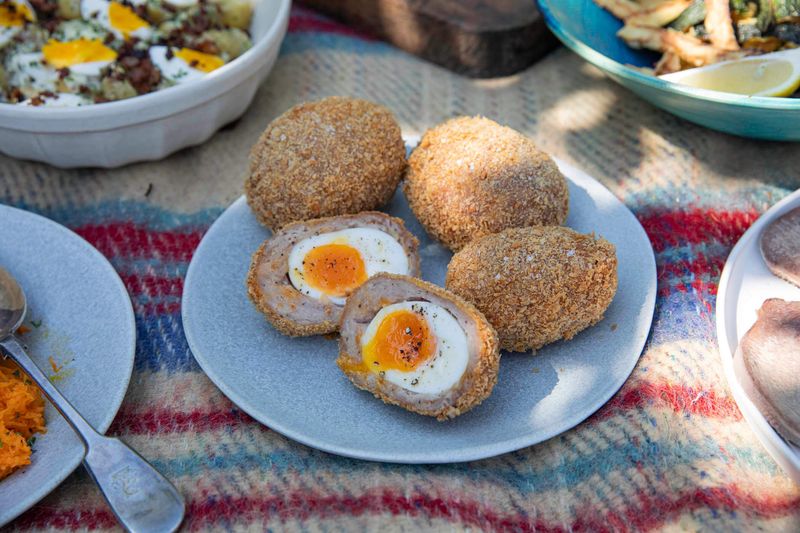
Each large egg contains roughly 0.9 milligrams of non-heme iron, plus protein, vitamins, and healthy fats. They're incredibly versatile and fit into breakfast, lunch, or dinner without any fuss.
Scramble them with a knob of butter, poach them for eggs Benedict, or hard-boil them for a quick snack. Eggs also work brilliantly in quiches, frittatas, and Scotch eggs, making them a kitchen staple you'll reach for constantly.
The yolk holds most of the iron, so don't skip it if you're trying to boost your intake.
9. Spinach
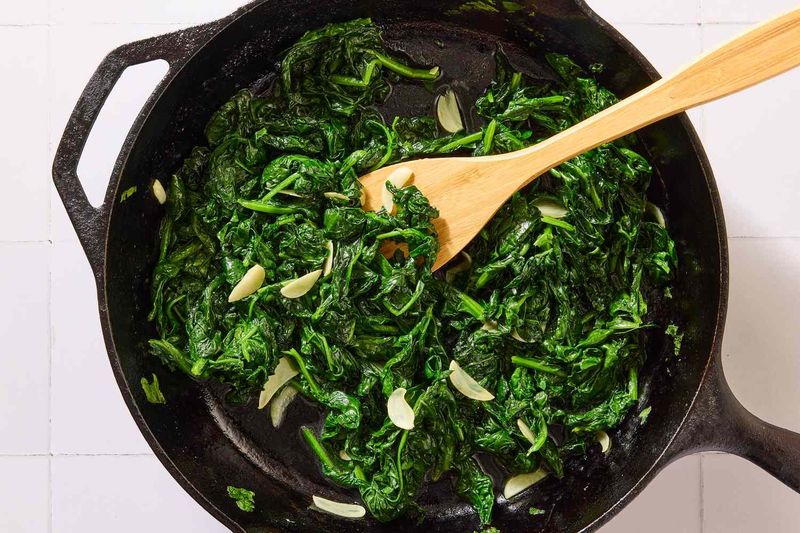
Spinach packs around 3.6 milligrams of iron per half-cup when cooked, making it one of the best plant-based sources. It wilts down massively when heated, so you can eat loads without feeling stuffed.
Stir it into pies, quiches, or creamy pasta dishes for a nutritious boost that doesn't shout about itself. You can also sauté it quickly with garlic and butter as a simple side dish.
Pairing spinach with vitamin C-rich foods like tomatoes or peppers helps your body absorb the iron more effectively, so think about combinations when planning meals.
10. Kale
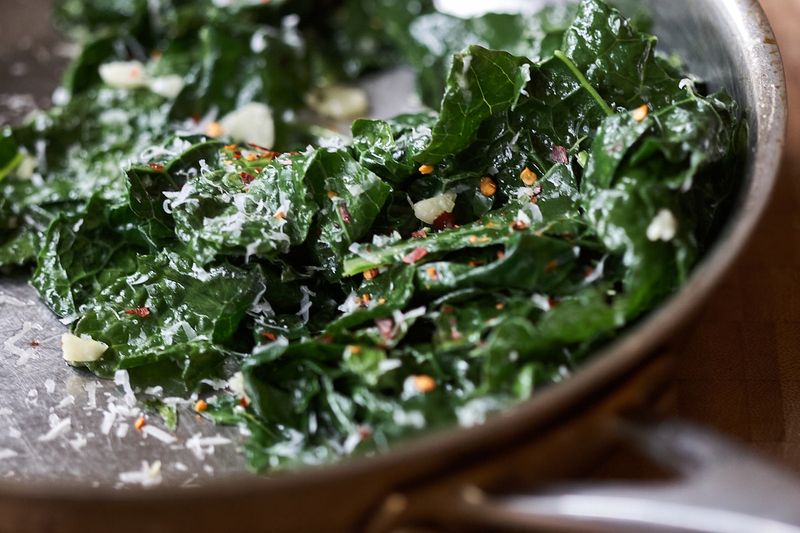
Kale has become trendy lately, but it's actually been a British staple for centuries, especially in Scotland. It's loaded with iron, fibre, and vitamins, making it a proper nutritional powerhouse.
Strip the tough stems, then steam or sauté the leaves with a bit of garlic and olive oil. Kale also works brilliantly in soups, stews, and even bubble and squeak for a modern twist on a classic dish.
The slightly bitter, earthy flavour mellows when cooked, and it holds up well to strong seasonings and rich sauces without turning to mush.
11. Mushrooms
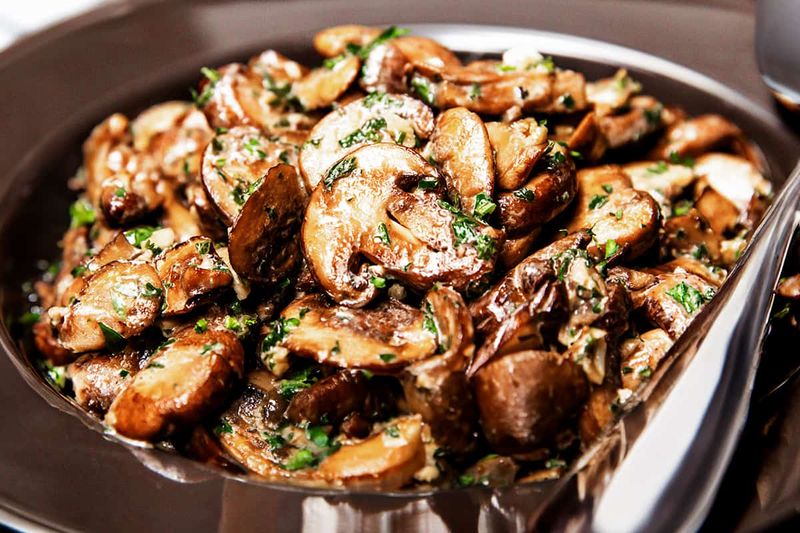
Mushrooms offer about 0.5 milligrams of iron per cooked cup, plus a lovely umami flavour that deepens when they're cooked properly. They're also low in calories and high in B vitamins.
Sauté them in butter until golden and serve on toast, stir them into risottos, or pile them onto a full English breakfast. Mushrooms soak up flavours brilliantly, so they work well with garlic, thyme, and a splash of cream.
They're also dead cheap and available year-round, making them an easy addition to almost any meal.
12. Lentils
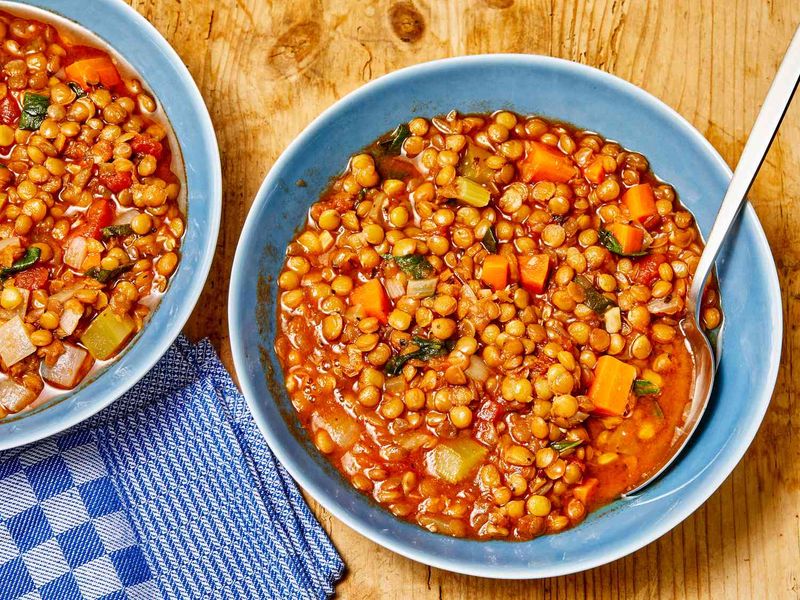
Lentils pack roughly 3.3 milligrams of iron per half-cup cooked, making them a brilliant choice for vegetarians and meat-eaters alike. They're also full of fibre and protein, so they keep you feeling full for ages.
Use them in vegetarian shepherd's pie instead of mince, or simmer them into a hearty soup with carrots, onions, and celery. Lentils don't need soaking like other pulses, so they're quick to cook and ridiculously convenient.
The earthy flavour works well with British herbs like thyme and bay, and they thicken stews and casseroles beautifully without any extra effort.
13. Chickpeas
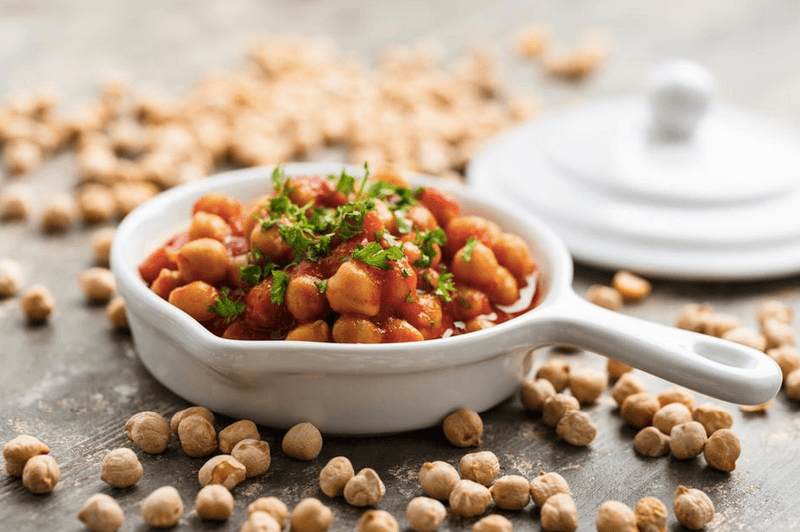
Chickpeas deliver around 2 milligrams of iron per 100 grams cooked, plus a satisfying, nutty flavour that works in loads of different dishes. They're a staple in British Indian cuisine and fit brilliantly into curries and stews.
Simmer them in a rich tomato-based curry with spices like cumin, coriander, and turmeric, then serve over rice or with naan. You can also roast them until crispy for a crunchy snack, or mash them into a veggie burger mixture.
Chickpeas are cheap, filling, and incredibly versatile, making them a smart addition to your weekly shop.
14. Fortified Breakfast Cereals
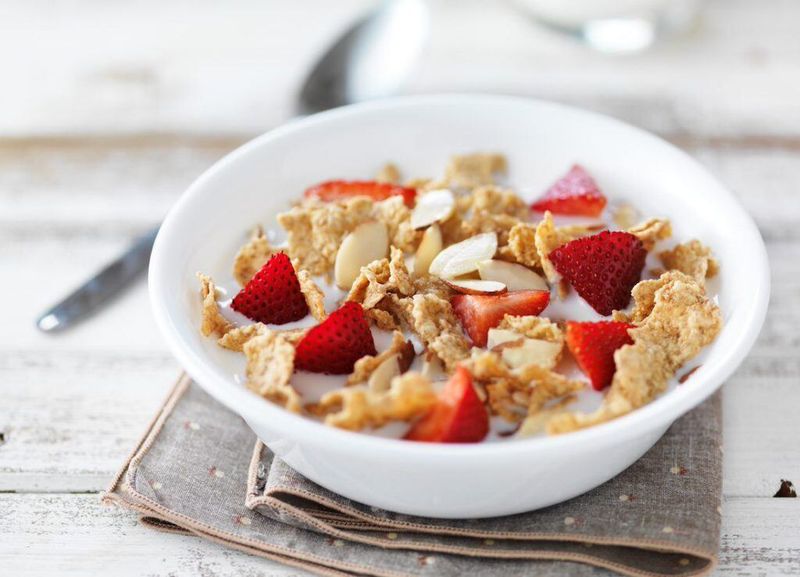
Many breakfast cereals are fortified with iron, delivering a decent chunk of your daily needs in just one bowl. Check the labels – some brands pack in several milligrams per serving, making them a quick and easy option for busy mornings.
Pour your favourite cereal into a bowl, add cold milk, and top with fresh fruit for extra vitamins. Pairing it with orange juice boosts iron absorption thanks to the vitamin C.
It's not the most exciting option, but it's reliable, convenient, and gets the job done when you're rushing out the door.



