













Pollen Bakery has become a familiar name among Manchester residents interested in carefully made bread and pastries. Located alongside the city’s canal network, the bakery combines open, light filled spaces with a steady flow of daily production and customer visits.
Much of its reputation centres on consistent baking standards, ingredient sourcing, and attention to detail across its core range. Looking more closely at how the bakery operates offers insight into the routines and choices that shape its approach to everyday baking.
All information is provided for general information only. Taste, appearance, and availability may vary. Photos are for illustrative purposes only.
How Pollen Developed Its Baking Approach

I remember the first time I noticed the obsessiveness – it was in the way dough was handled, like a little ritual. Pollen began as a sourdough-forward spot and slowly layered skills in viennoiserie and pastries, treating each technique with the same respect as a proper loaf.
Their approach blends slow fermentation for flavour with precise laminating for that flaky croissant exterior, which feels a bit like watching craftsmen at work rather than factory production.
The result is consistent quality that customers recognise. They refine methods over time, keep recipes simple and local, and let seasonal produce guide a rotating pastry selection that always feels fresh and considered.
The Role Of Craft Techniques In Daily Production
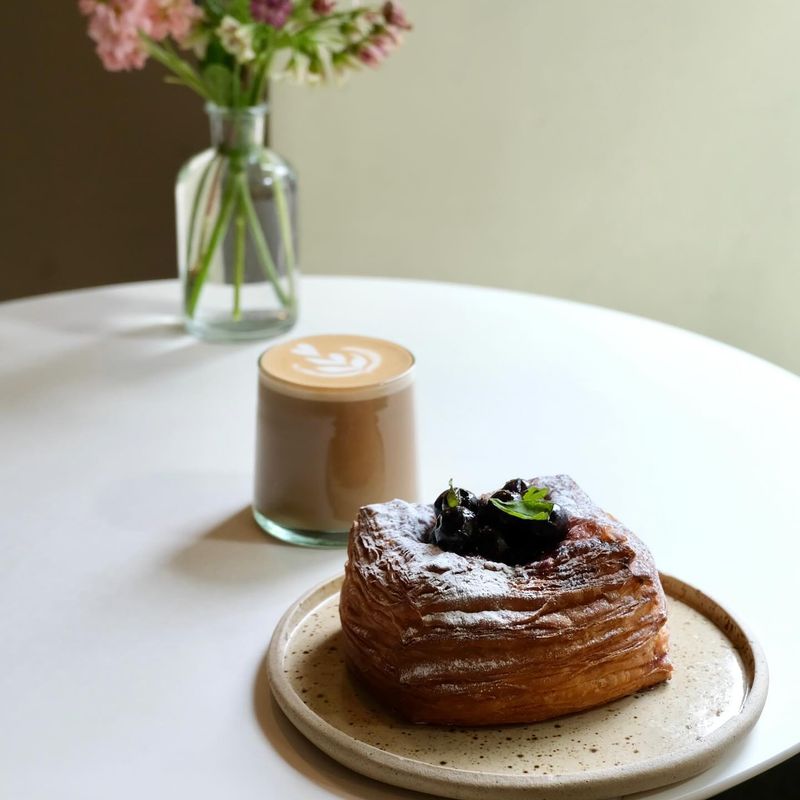
Surprise comes in the tiny flour-dusted moves that make all the difference. At Pollen, daily output relies on craft techniques like long autolyse, cold fermentation and careful lamination to build flavour and texture.
The team times proofing and ovens so croissants and sourdough hit the counter at their absolute best, which is more science than guesswork and takes real discipline.
Those practices explain why pastries have such layered crispness and loaves such depth of tang. It is this craft-first mindset that keeps the place feeling artisanal even on busy mornings, and it shows in every bite you take.
What Regular Customers Notice Most
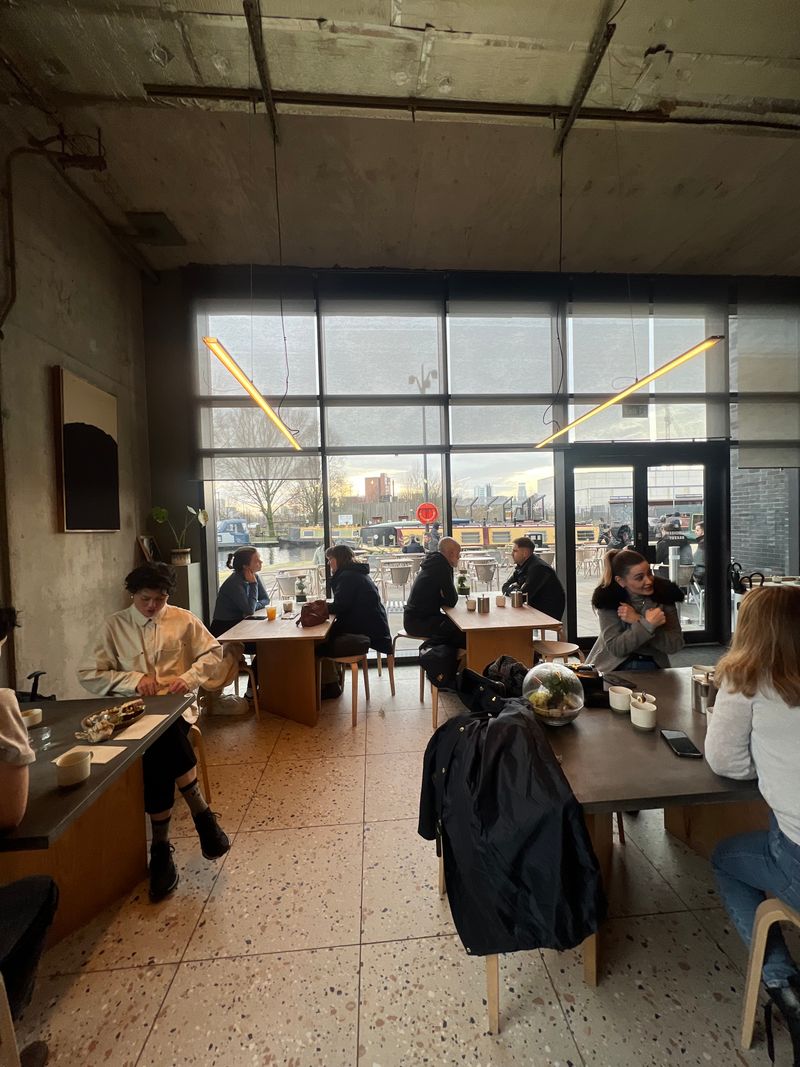
Most regulars will tell you it is the consistency that hooks them. People come for the reliable sourdough loaves, the perfectly layered croissants and the seasonal sweet treats that rarely disappoint.
There is also the friendly chatter from staff who seem to genuinely care, and that canal-side location with its flood of morning light makes the whole experience feel like a proper treat rather than just a quick grab.
Customers notice small touches too – the crisp exterior of a pain au chocolat, the tang of a loaf, or the way seating fills up quickly on sunny days. Those details add up to a place that feels owned by the neighbourhood.
A Look At Ingredients And Sourcing Choices

What stands out is a clear preference for quality basics rather than fancy gimmicks. Pollen keeps things local where it matters - using strong flour suited to long fermentation, good butter for lamination and seasonal fruit for tarts and fillings.
That commitment shows up in honest flavours; there is no need for flashy additives when the base ingredients are excellent.
The menu shifts with availability, so fruit tarts and fillings reflect what’s in season and bread recipes adjust to perform best with the chosen flour. Everything feels intentional and geared towards showcasing real ingredients rather than masking them.
How The Bakery Fits Into The Local Food Scene
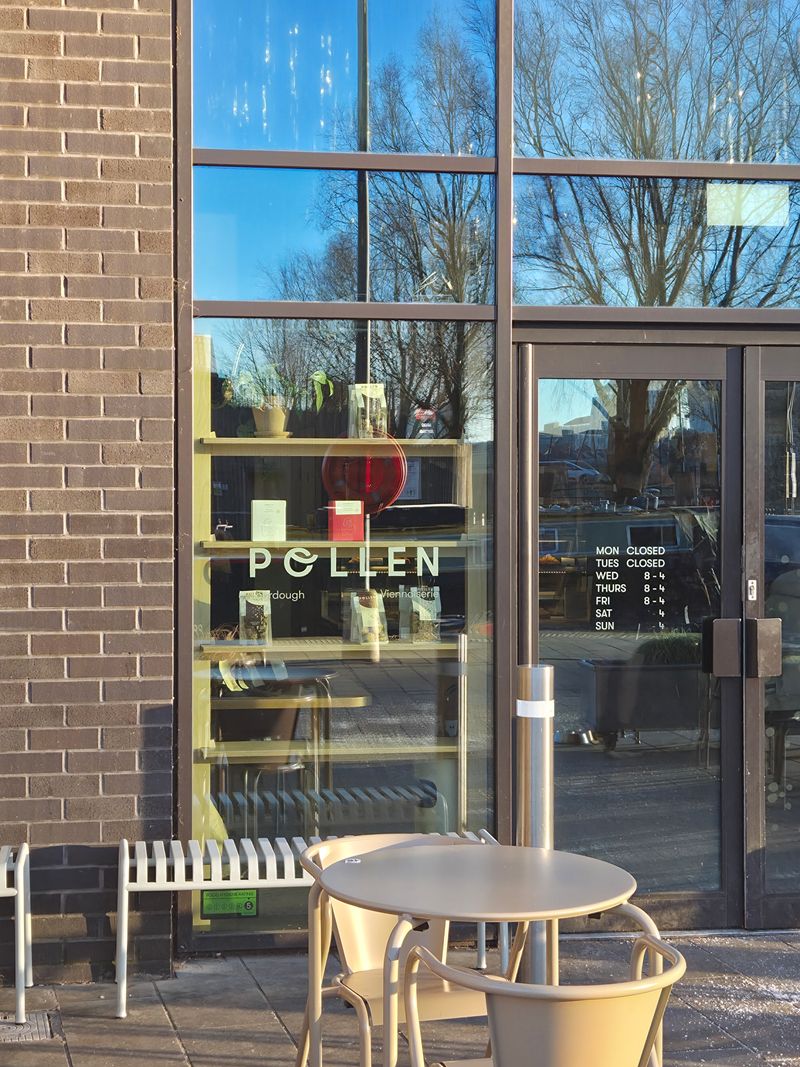
It sits like a friendly neighbour rather than a showy destination, and that is part of its charm. Pollen contributes to Ancoats and the surrounding area by offering dependable, high quality pastries and brunch options that locals and visitors pick for both a quick coffee and a relaxed weekend meal.
The canal setting helps too, creating a spot where people pause and linger under the morning sun.
The bakery complements nearby independents by focusing on excellent baking craft rather than trying to do everything. That focus has earned it loyal customers and a solid place in Manchester’s food map.



