













Iceland’s food culture reflects its rugged landscape – shaped by preservation, practicality, and a deep respect for local ingredients. For many British visitors, the experience can feel both familiar and surprisingly bold at the same time.
Fresh seafood, hearty lamb, and comforting dairy dishes often win people over quickly. Other traditional specialities, however, can test even the most adventurous eaters.
Some flavours feel easy to embrace, especially when they echo dishes Brits already know and love. Others rely on curing, fermenting, or preparation methods that divide opinion almost instantly.
This list looks at the Icelandic foods that tend to charm British travellers – and the ones that often prompt a polite smile and a quick sip of water.
All information is provided for general interest only. Taste, preparation methods, and availability may vary. Photos are for illustrative purposes only.
Icelandic Foods Brits Enjoy Trying
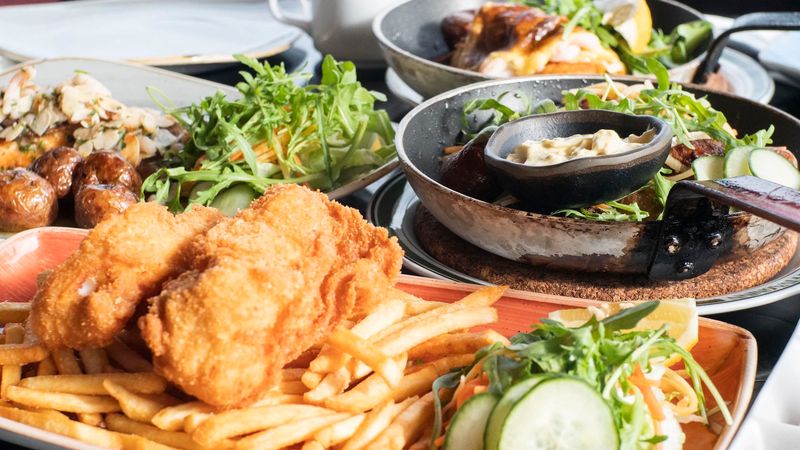
British travellers heading to Iceland often find themselves pleasantly surprised by how approachable many traditional dishes actually are. Unlike some of the more notorious offerings, these favourites blend familiar cooking techniques with Iceland's pristine ingredients.
The appeal lies in their simplicity and quality. Fresh fish from Arctic waters, creamy dairy products, and hearty soups feel comforting rather than challenging.
Many Brits discover these dishes taste like elevated versions of home cooking, just with an Icelandic twist that makes them memorable without being intimidating.
1. Skyr
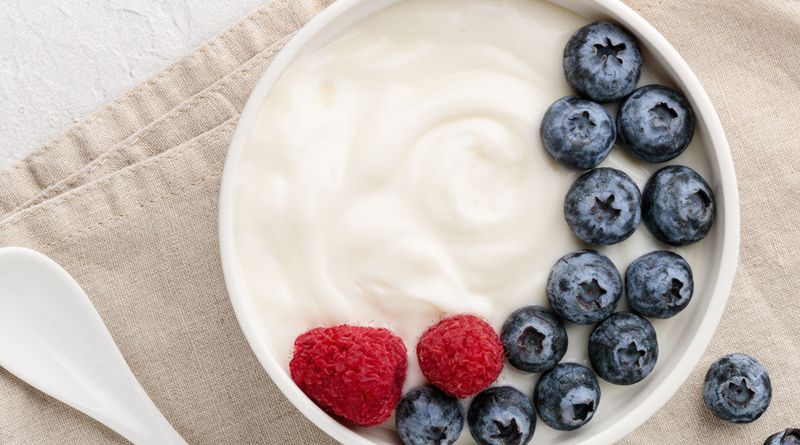
Calling skyr yoghurt would be doing it a disservice – technically it's a soft cheese, though you'd never guess from its velvety texture. Packed with protein and virtually fat-free, it's become a breakfast hero for health-conscious Brits who appreciate something that tastes indulgent without the guilt.
The mild, slightly tangy flavour pairs beautifully with berries or honey. You'll find it everywhere in Iceland, from hotel breakfast buffets to corner shops, making it an easy introduction to Icelandic cuisine that feels both exotic and comfortingly familiar.
2. Kjötsúpa
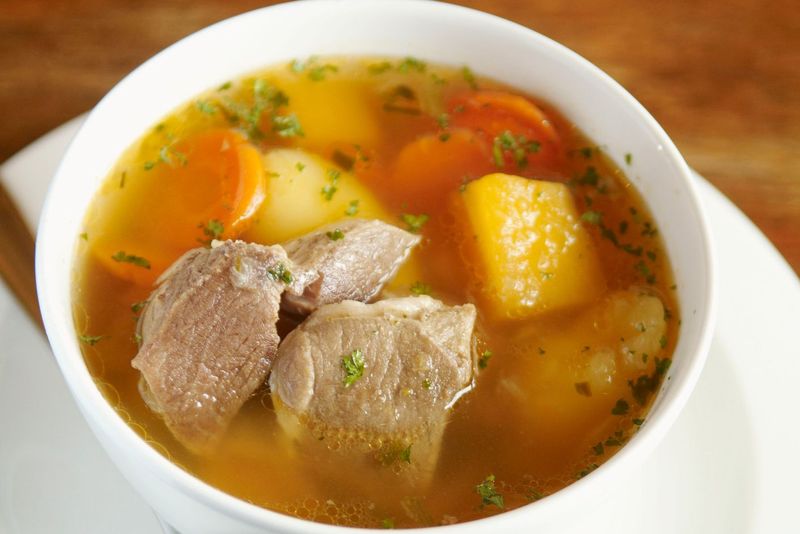
Nothing beats a proper warming soup after a day exploring Iceland's chilly landscapes, and kjötsúpa delivers exactly that. Made with tender lamb, root vegetables, and fragrant herbs, it's the kind of rustic comfort food that speaks to British sensibilities.
The lamb is exceptionally flavourful thanks to Iceland's free-roaming sheep, whilst vegetables like turnips and potatoes add earthiness. It's often served with thick slices of rúgbrauð, creating a meal that feels like a warm hug in a bowl – no wonder Brits take to it so readily.
3. Plokkfiskur
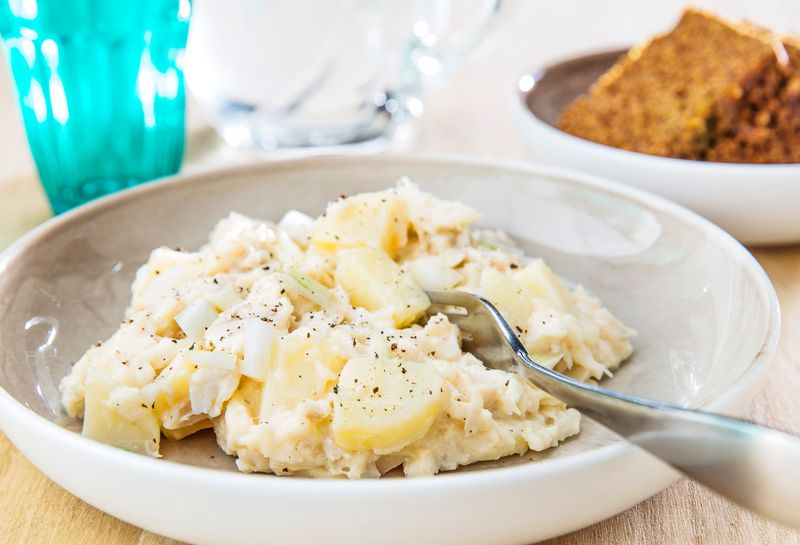
Fish pie lovers, meet your Icelandic cousin. Plokkfiskur is a creamy mash of flaked fish – usually cod or haddock – mixed with potatoes, onions, and béchamel sauce that's pure comfort on a plate.
The name literally means 'plucked fish', referring to how the cooked fish is picked apart before being folded into the dish. Served with rye bread and butter, it's unpretentious home cooking at its finest.
British visitors often describe it as reminiscent of a deconstructed fish pie, making it instantly appealing to familiar palates.
4. Rúgbrauð
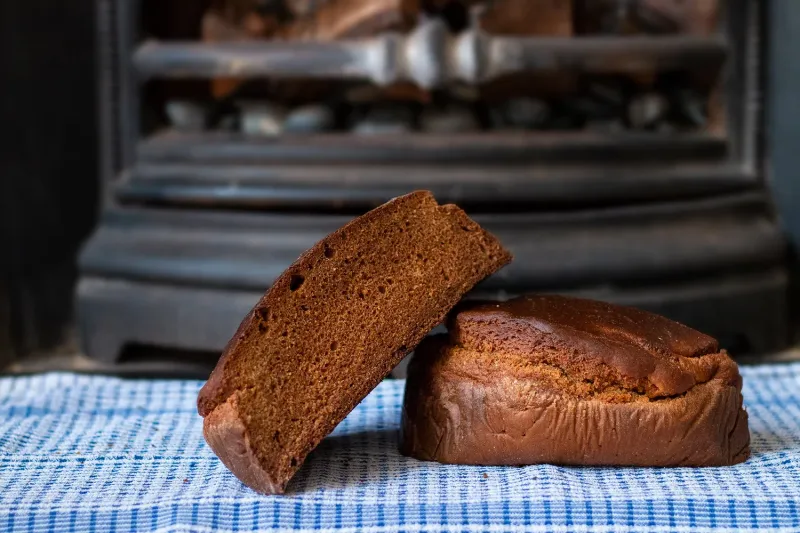
Baked underground using geothermal heat, rúgbrauð is unlike any rye bread you've tried. It's dense, slightly sweet, and almost cake-like in texture – a far cry from the crispy loaves Brits might expect.
The slow baking process creates incredible depth of flavour, with a subtle sweetness that comes from the natural sugars in the rye. Spread with salted butter or topped with smoked fish, it's become a favourite souvenir for British visitors who want to recreate their Icelandic breakfast experience back home.
5. Fresh Arctic Char
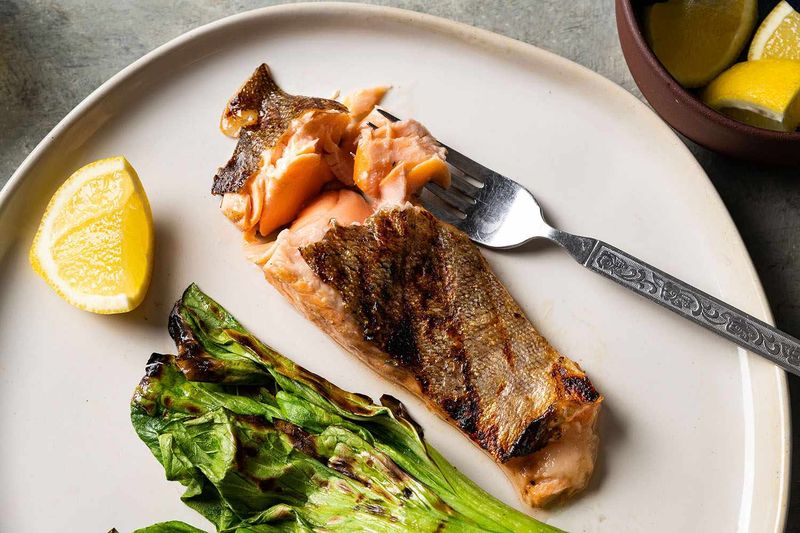
Arctic char might look like salmon's prettier sibling, but its flavour is more delicate and refined. This cold-water fish thrives in Iceland's pristine rivers and lakes, developing a buttery texture that melts on your tongue.
The flesh ranges from pale pink to deep orange, depending on the fish's diet. Whether grilled, pan-fried, or smoked, it showcases Iceland's exceptional seafood without any of the challenging preparation methods that put Brits off other traditional dishes.
It's simply superb fish, cooked well.
Icelandic Foods Brits Often Avoid
Here's where Icelandic cuisine takes a sharp turn into territory that makes most British visitors politely decline. These dishes represent Iceland's Viking heritage and harsh historical climate, where preservation methods were born from necessity rather than pleasure.
Fermentation, pickling, and using every part of the animal were survival strategies that became cultural traditions. Whilst Icelanders celebrate these foods during festivals like Þorrablót, most Brits find the intense flavours, unusual textures, and distinctive aromas a bridge too far for their culinary comfort zone.
1. Hákarl
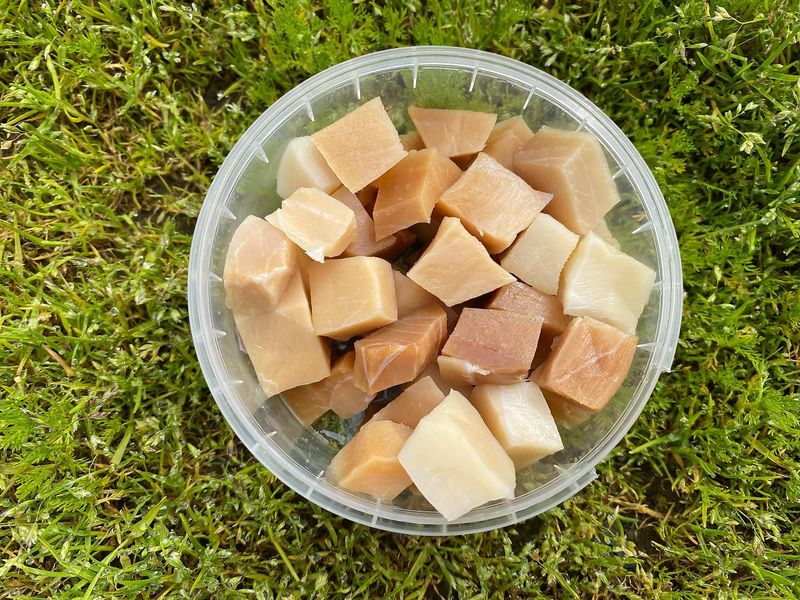
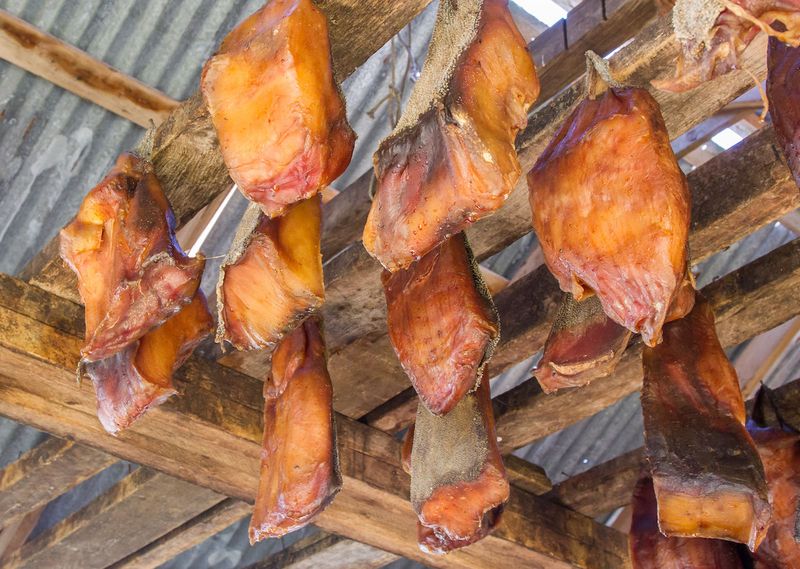
Fermented Greenland shark is Iceland's most infamous culinary challenge, and for good reason. The fermentation process, which takes months, breaks down toxins in the shark's flesh but leaves behind an overwhelming ammonia smell that hits you before you even taste it.
The texture is chewy and fibrous, whilst the flavour is intensely fishy with chemical undertones. Even adventurous British eaters often manage just one cube before reaching for water.
It's traditionally washed down with brennivín, though that's cold comfort when your taste buds are staging a revolt.
2. Svið
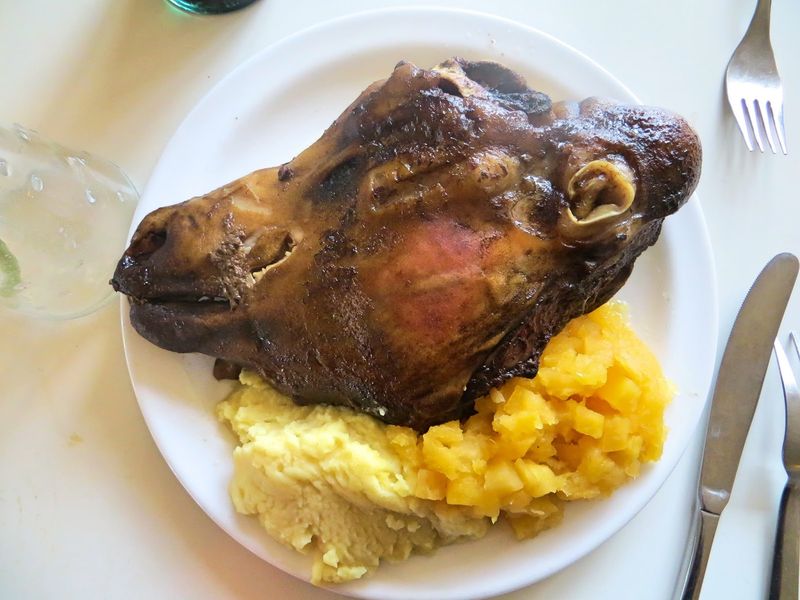
Boiled sheep's head isn't something you see on British menus, and there's a reason for that. Svið arrives at the table looking very much like what it is – half a sheep's head, complete with eyes and teeth, which understandably puts most visitors off their appetite.
The meat itself is actually quite tender and flavourful, particularly around the cheeks and tongue. However, the presentation proves too much for most Brits to overcome, regardless of taste.
It's the sort of dish where cultural context matters enormously, and British dining traditions simply haven't prepared us for this level of anatomical honesty.
3. Hrútspungar
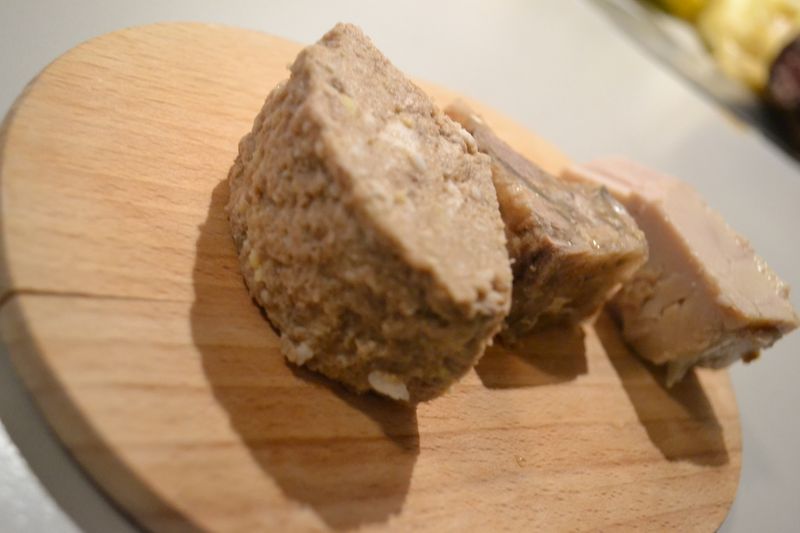
Pickled ram's testicles might sound like a dare rather than a dish, and that's essentially how most Brits approach them. Preserved in whey and pressed into blocks before being sliced, they have a texture that's been described as somewhere between liver pâté and firm cheese.
The flavour is sour and distinctly gamey, with an underlying funk from the pickling process. Even the most adventurous British foodies often draw the line here, finding both the concept and the execution a step beyond their comfort zone.
It's traditional, certainly, but not particularly tempting to outsiders.
4. Slátur
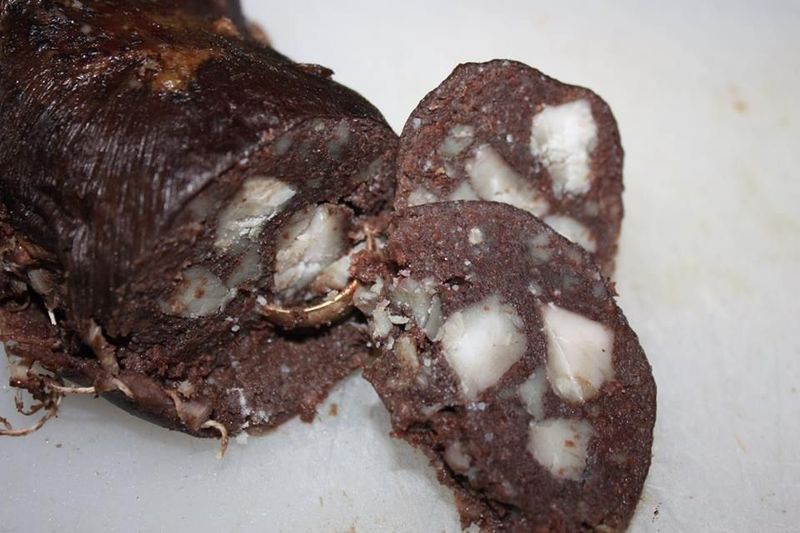
Blood pudding and liver sausage made from lamb's blood, suet, and grains might share DNA with British black pudding, but slátur takes things to another level of intensity. The flavour is richer, gamier, and more metallic than what most Brits are accustomed to.
There are two varieties – blóðmor (blood pudding) and lifrarpylsa (liver sausage) – both packed with offal flavours that dominate every bite. Whilst some adventurous British visitors appreciate the nose-to-tail philosophy, the overwhelming majority find the taste too strong and the texture too dense to enjoy beyond a tentative nibble.



