













Some cuisines win people over instantly, while others take a little warming up. Hungarian food has plenty of comforting flavours that feel familiar, alongside dishes that can catch newcomers off guard.
Which plates tend to disappear first, and which ones usually get a polite skip? Cultural habits play a bigger role than you might expect.
This article is based on general food preferences and cultural observations. Individual tastes, recipes, and experiences may vary widely.
1. Hungarian Dishes Brits Enjoy Right Away

Some Hungarian dishes feel instantly familiar, with rich flavours and hearty ingredients that fit comfortably with British tastes. These plates often lean towards comforting stews, crispy coatings, and well-seasoned sauces that do not feel too far from home.
The next 10 dishes are the ones that tend to win people over almost immediately.
2. Goulash
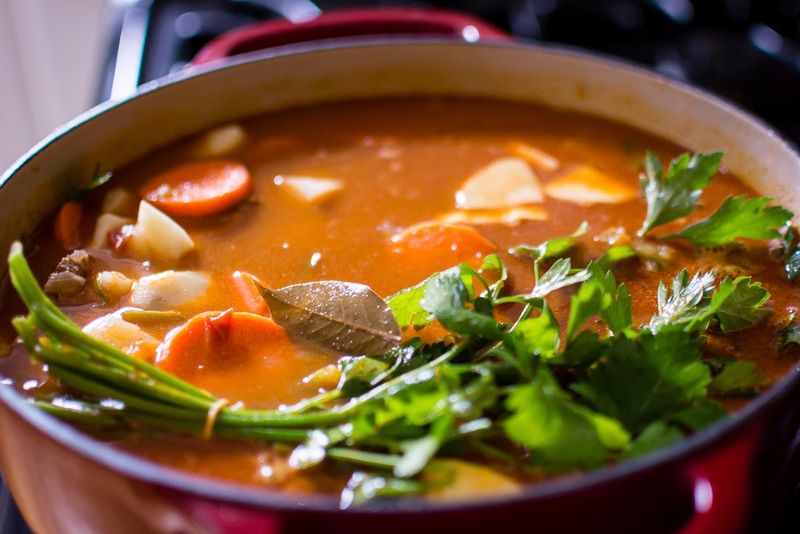
This well-known stew wins people over with flavours that feel instantly comforting. Beef slowly cooks in a paprika-rich broth with onions and vegetables, creating a dish that is deeply warming.
The seasoning stays savoury and balanced rather than intense or fiery. Many Brits recognise it as similar to a familiar beef stew, just with a distinctive Hungarian character.
That familiarity makes it an easy starting point for anyone new to the cuisine.
3. Chicken Paprikash
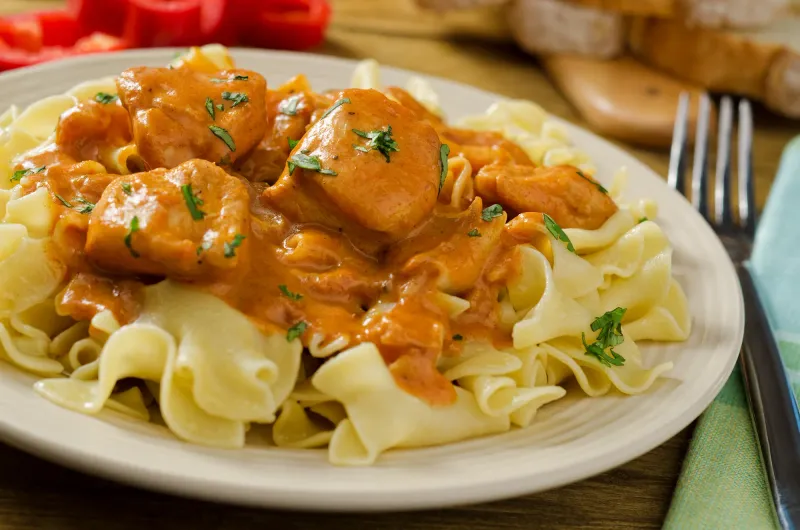
Creamy, mild, and absolutely delicious - this dish ticks all the boxes for British diners. Chicken pieces bathe in a velvety sauce made with sour cream and sweet paprika, delivering comfort without any scary surprises.
The gentle spice level makes it approachable for everyone, including children. Served typically with little dumplings called nokedli, it's reminiscent of a posh chicken casserole that feels both exotic and reassuringly familiar at the same time.
4. Lángos
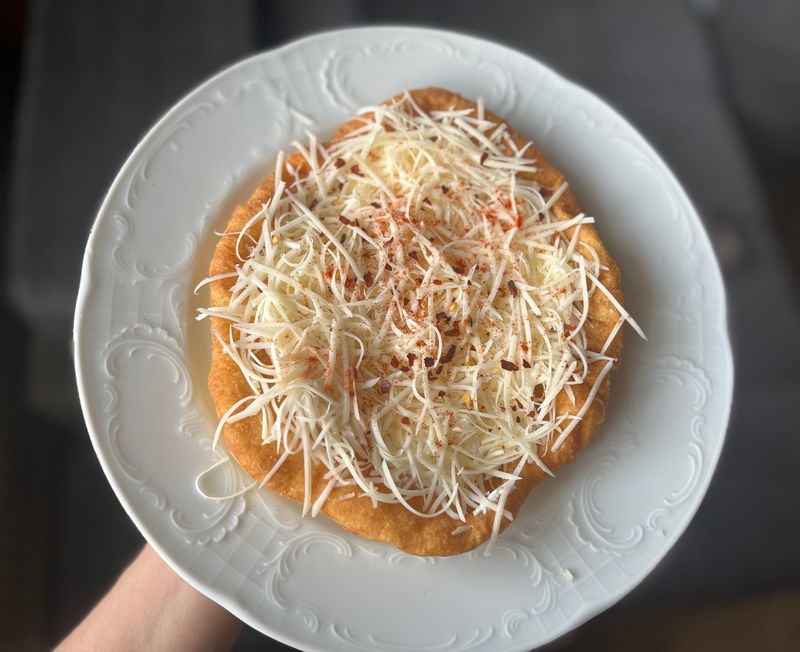
This popular street food is all about simple pleasure and bold texture. Fried dough emerges crisp on the outside and soft in the middle, ready for classic toppings like sour cream and cheese.
It is filling, indulgent, and instantly satisfying. Served hot from stalls and markets, it works as a quick snack or casual meal.
Its appeal lies in comfort rather than tradition-heavy expectations.
5. Kürtőskalács
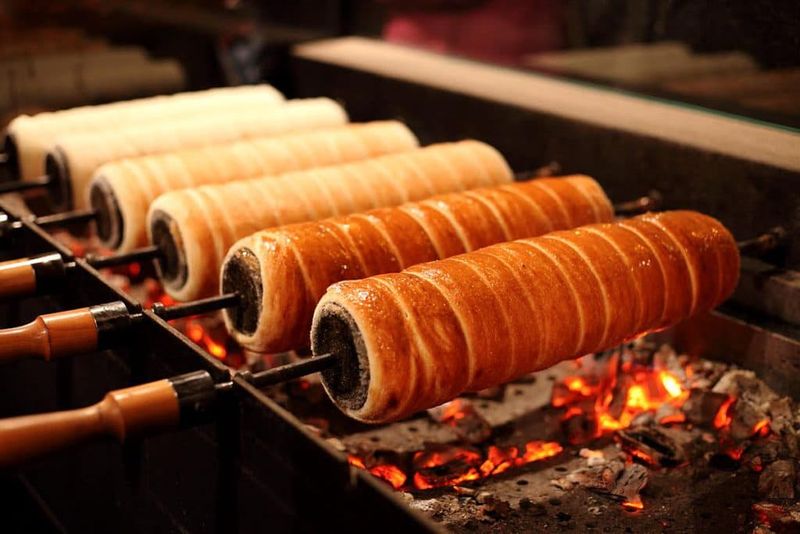
These spiral chimney cakes are impossible to resist, especially when they're fresh off the rotating spit. The caramelised sugar coating creates a crunchy shell whilst the inside stays soft and pillowy, making every bite a textural delight.
Often rolled in cinnamon, coconut, or nuts, they smell absolutely heavenly and taste even better. Brits adore them as a sweet treat, and they're Instagram-worthy too, which never hurts when you're exploring new cuisines abroad.
6. Stuffed Peppers
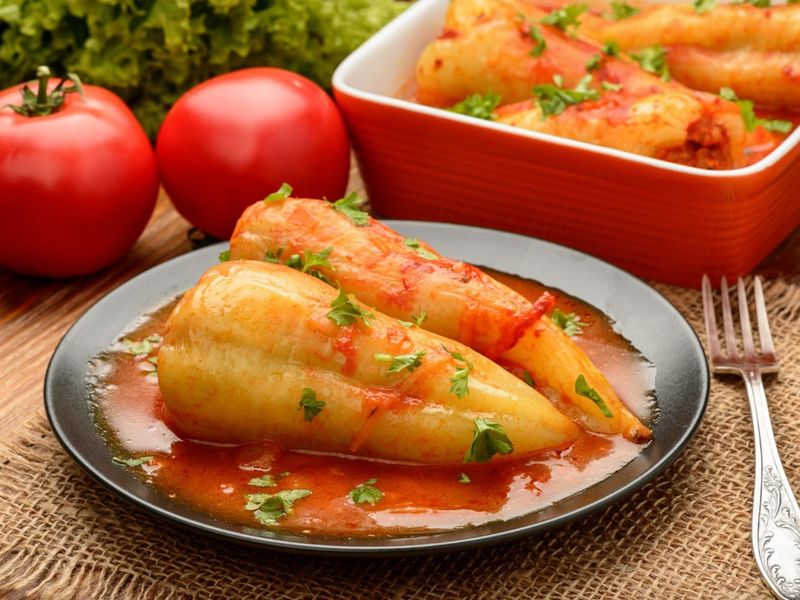
Familiar ingredients combined in a clever way make this dish an easy win. Bell peppers are filled with seasoned minced meat and rice, then baked in a tomato sauce that brings everything together beautifully.
It's wholesome, visually appealing, and not too different from stuffed vegetables found in British home cooking. The mild flavours and recognisable components mean even fussy eaters tend to give it a thumbs-up without much persuasion needed.
7. Pork Schnitzel
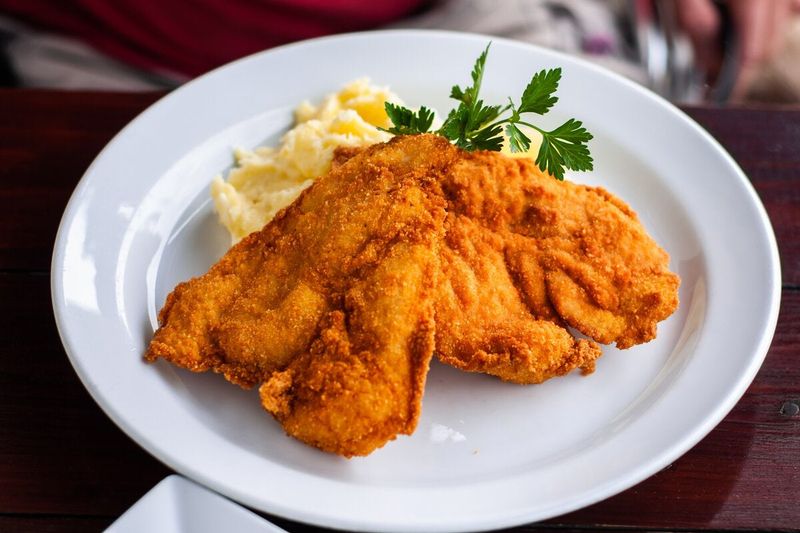
Breaded and fried to golden perfection, this cutlet feels like meeting an old friend. The crispy coating and tender pork inside create a satisfying combination that needs no explanation or acquired taste to enjoy thoroughly.
Served with potato salad or chips, it's straightforward and delicious. British diners appreciate the quality without any unusual textures or challenging flavours getting in the way of a proper good meal that fills you up nicely.
8. Beef Stew With Paprika
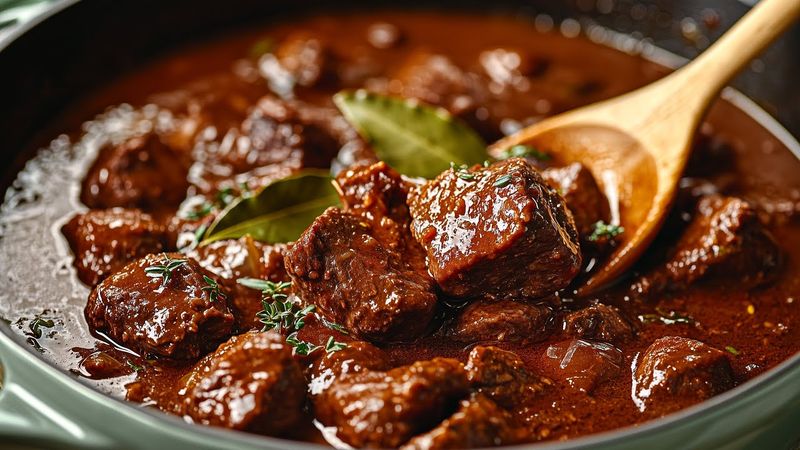
Slow-cooked beef in a gorgeous paprika-rich sauce delivers maximum comfort with minimum fuss. The meat falls apart at the touch of a fork, and the gravy is perfect for mopping up with fresh bread or dumplings.
It's hearty British pub grub with a Hungarian accent - warming, satisfying, and exactly what you want after a long day. The familiar concept makes it instantly appealing, whilst the paprika adds just enough excitement to keep things interesting throughout.
9. Hungarian Pancakes

Thinner than British pancakes but just as delightful, these crepes can be sweet or savoury depending on your mood. Filled with chocolate, jam, or even cottage cheese, they offer a familiar dessert experience with a Continental flair.
The versatility appeals to everyone, and they're not overly sweet or heavy. Brits often order them without hesitation, knowing they're getting something reliably tasty that won't push any culinary boundaries too far.
10. Sausage With Mustard
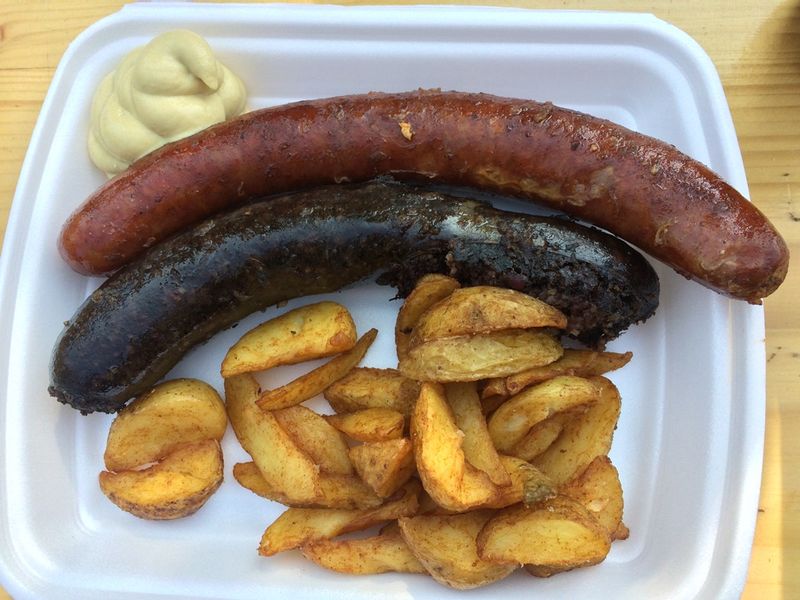
A proper banger with a kick - Hungarian sausages are smoky, well-seasoned, and served with fiery mustard that clears your sinuses in the best possible way. It's simple street food that hits the spot every single time.
The quality of the meat shines through, and the preparation is straightforward enough to feel familiar. Brits who enjoy a good sausage roll or hot dog find this an easy transition into Hungarian cuisine without any hesitation whatsoever.
11. Potato Paprika Stew
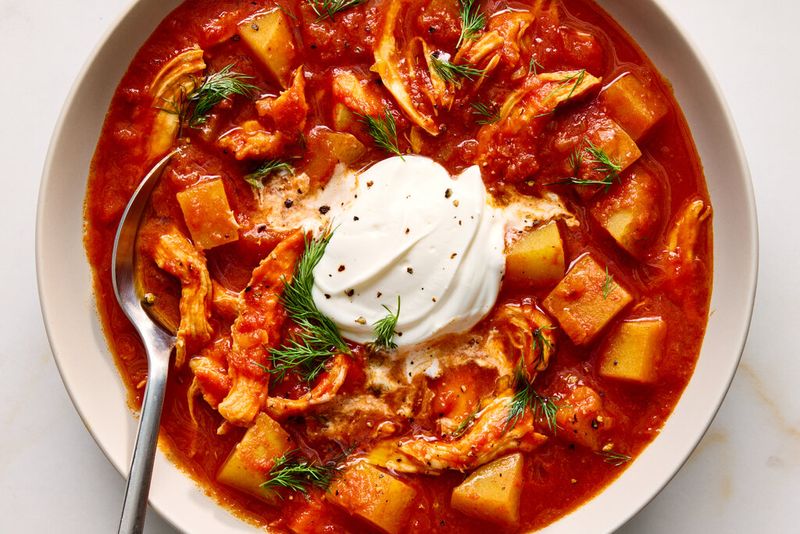
Vegetarians rejoice - this humble stew proves you don't need meat for proper comfort food. Potatoes simmer in a paprika-spiced broth until tender, creating a warming meal that's both filling and surprisingly flavourful for such simple ingredients.
It's budget-friendly and reminds many Brits of homemade vegetable soup, just with more personality. The mild spice level and familiar main ingredient make it an approachable choice that even meat-lovers often enjoy as a lighter option.
12. Hungarian Dishes Brits Rarely Choose
Other traditional dishes can be more challenging, especially when they feature unfamiliar textures or ingredients. These tend to surprise first-time diners and often require a more adventurous palate to appreciate fully.
The next 5 dishes are the ones Brits are most likely to hesitate over or skip altogether.
13. Tripe Stew
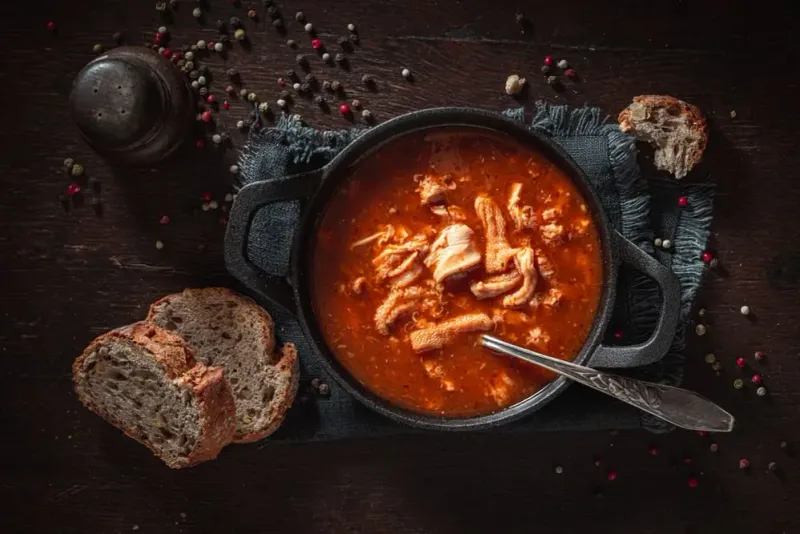
Here's where things get challenging for most British palates. Tripe - the stomach lining of cattle - has a distinctive chewy texture that many find off-putting, even when it's cooked beautifully in a rich, paprika-infused sauce.
Hungarians adore this traditional dish, but Brits often struggle with the rubbery consistency and slightly unusual flavour. It's an acquired taste that requires an adventurous spirit and willingness to embrace offal in ways that don't typically feature in British cuisine.
14. Blood Sausage
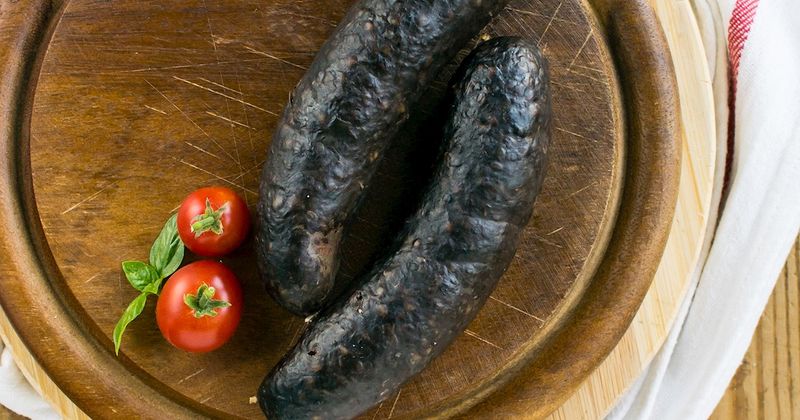
Hungarian blood sausage is rich, deeply seasoned, and traditionally served warm. Rice or grains are often mixed in, giving it a dense, hearty texture.
The flavour tends to be stronger than versions many Brits are used to. That intensity can be surprising for first-time tasters.
Even fans of black pudding sometimes find it a step outside their comfort zone.
15. Liver Dumplings
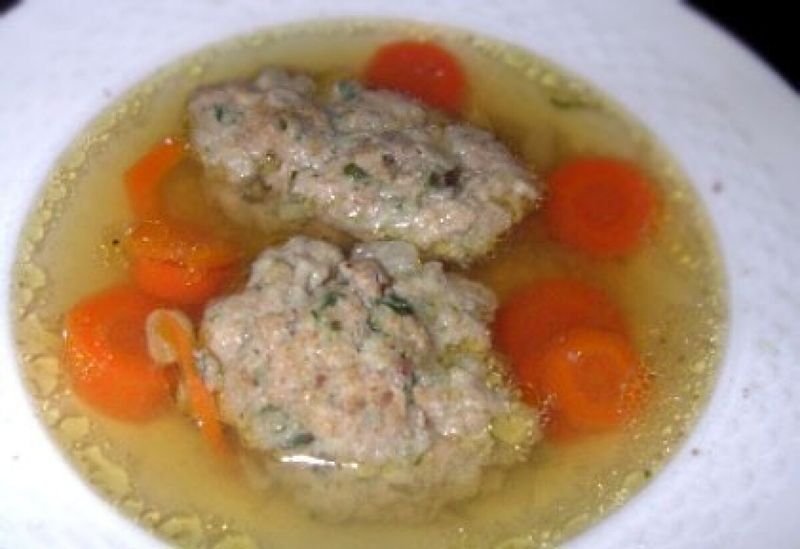
Liver isn't everyone's favourite ingredient, and when it's formed into dumplings and served in soup, it becomes an even tougher sell. The strong, mineral taste of liver comes through clearly, which divides diners sharply into lovers and avoiders.
The texture can be grainy or crumbly, depending on preparation, which doesn't help its case. Whilst some Brits appreciate offal, most prefer their liver in pâté form rather than as prominent dumplings bobbing in broth.
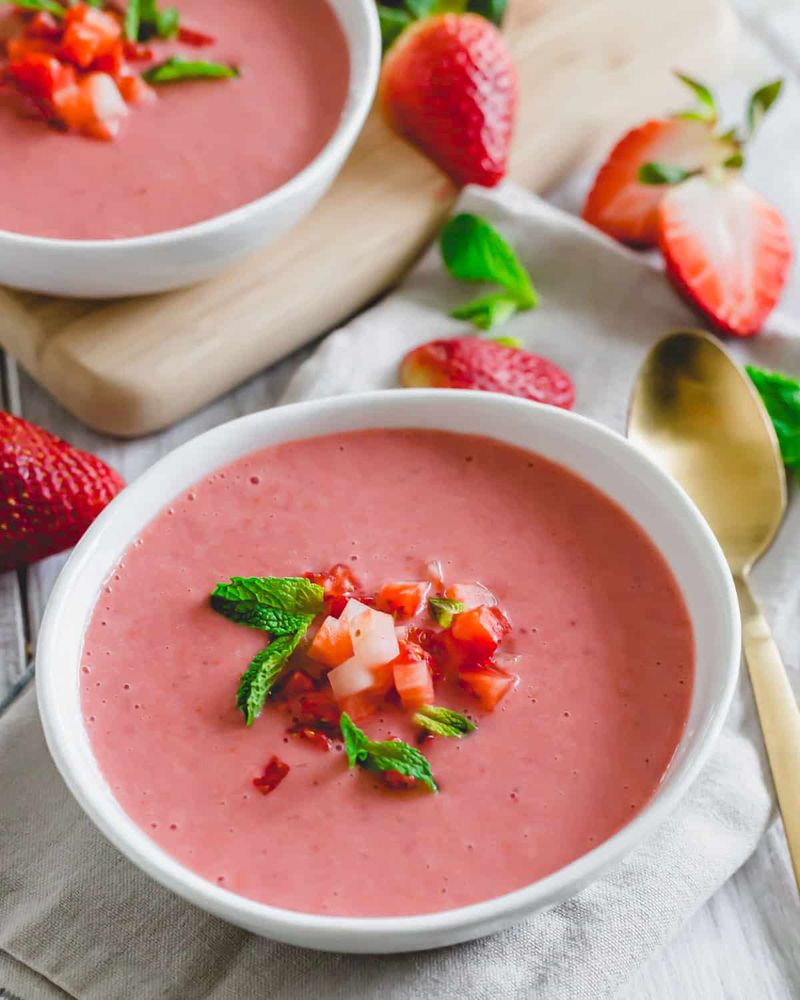
16. Cold Fruit Soup
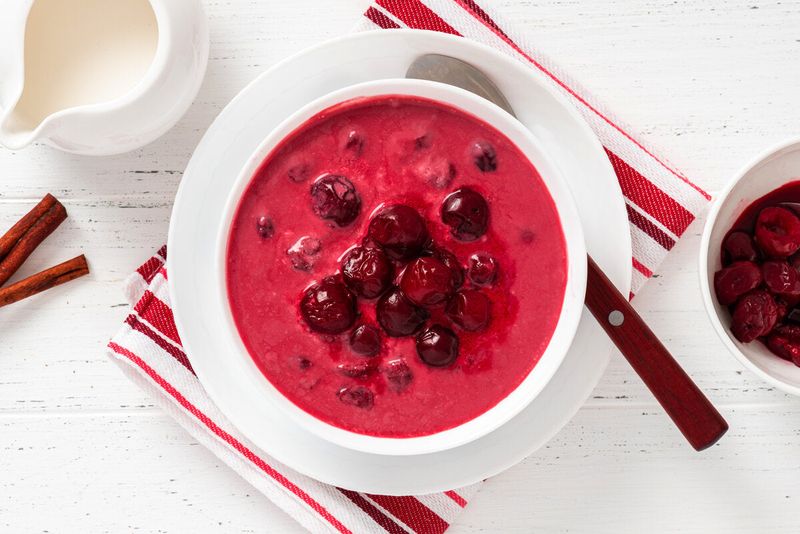
The concept alone throws many Brits for a loop - sweet, cold soup served as a starter? Made with sour cherries or other fruits, it's refreshing on hot summer days but feels completely wrong to those expecting savoury beginnings to meals.
The temperature and sweetness clash with British expectations of what soup should be. Even when it's delicious and perfectly executed, convincing someone to try dessert-like soup before their main course proves surprisingly difficult for most Hungarian restaurants.
17. Offal-Based Soups
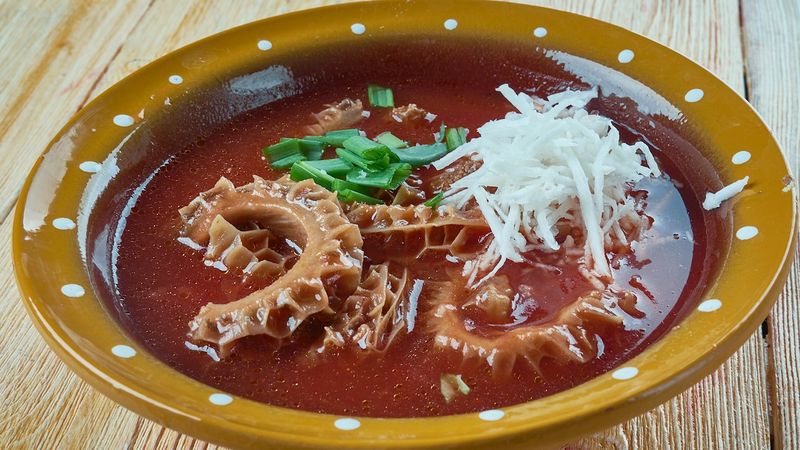
Soups made with organ meats are an important part of traditional Hungarian cooking. Kidneys, hearts, or liver are simmered slowly to create bold, savoury broths.
The flavours are strong and unapologetic, reflecting older cooking traditions. While adventurous eaters may enjoy them, they can feel challenging to newcomers.
Many British visitors approach these dishes with curiosity but caution.



