













Hot flushes at 3am, mood swings that seem to appear out of nowhere, a sudden need to throw open a window in the middle of winter - menopause has a way of making everyday life feel slightly unpredictable.
While hormones are doing most of the heavy lifting behind the scenes, what’s on your plate can quietly play a part too. Certain foods may support bone strength, stabilise energy levels and even help with sleep quality. Others can make symptoms feel more intense without you realising it.
Small swaps can sometimes make a noticeable difference - and a few of them might already be sitting in your kitchen cupboard.
This article is for general informational purposes only and is not a substitute for personalised medical advice. If you have concerns about menopause symptoms, speak with a qualified healthcare professional.
1. Phytoestrogen-Rich Foods May Help Balance Oestrogen Levels

When oestrogen levels drop during menopause, your body can feel a bit out of sorts. Phytoestrogens are plant compounds that can interact with oestrogen receptors in the body in a much milder way than natural hormones.
Foods like soya beans, tofu, flaxseeds, and chickpeas contain these compounds. Some studies suggest they may help reduce hot flushes for certain women, though results vary from person to person.
Including them regularly as part of a balanced diet can be a gentle way to support overall wellbeing during this stage.
2. Calcium And Vitamin D May Support Bone Strength During Menopause
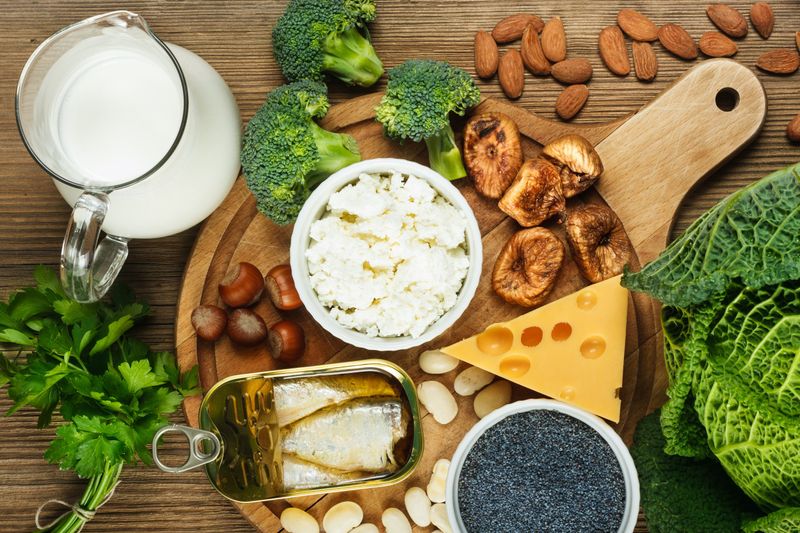
Your bones lose density faster during menopause, which is why fracture risk can increase over time. Calcium helps maintain normal bone structure, whilst vitamin D supports its absorption.
Dairy products, fortified plant milks, leafy greens, and tinned fish with bones are helpful sources. In the UK, adults are generally advised to aim for around 700 milligrams of calcium per day unless a healthcare professional suggests otherwise.
Pairing this with adequate vitamin D from sunlight or supplements supports long-term bone health.
3. Higher Protein Intake May Help Maintain Muscle Mass And Metabolism
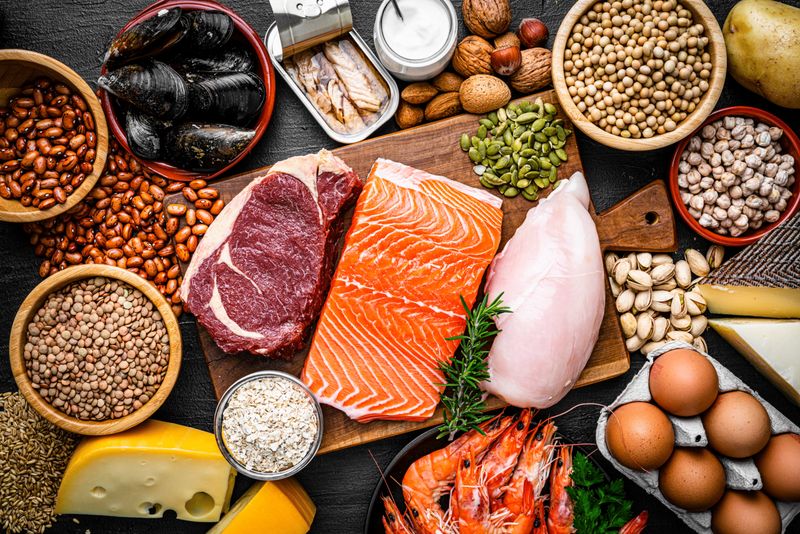
Muscle mass naturally declines with age, and menopause accelerates this process, slowing your metabolism in the bargain. Protein is absolutely essential for preserving what you've got and keeping your energy expenditure healthy.
Lean meats, fish, eggs, legumes, and Greek yoghurt should feature at every meal. Experts suggest aiming for at least 1.2 grams per kilogram of body weight daily during this phase.
Adequate protein also helps you feel fuller longer, making weight management considerably easier.
4. Omega-3 Fatty Acids May Support Mood Stability And Reduce Inflammation
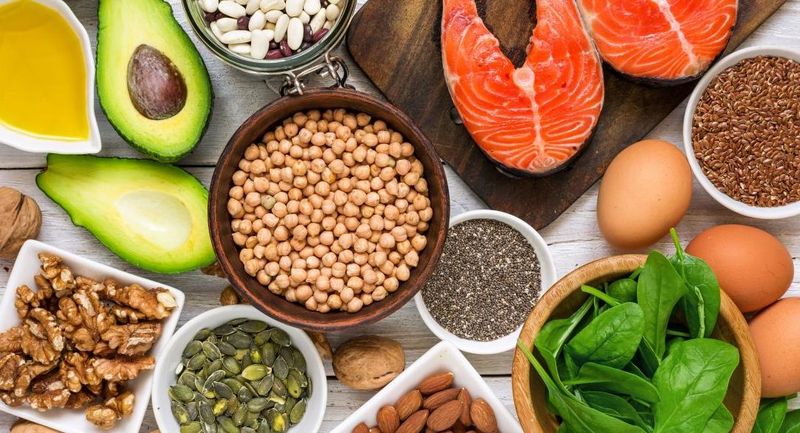
Mood swings and irritability can feel overwhelming during menopause, partly due to hormonal shifts and inflammation. Omega-3 fatty acids are powerful anti-inflammatory nutrients that support brain health and emotional balance.
Oily fish like salmon, mackerel, and sardines are top sources, alongside walnuts, chia seeds, and flaxseed oil. Just two portions of fish weekly can make a real difference.
Studies suggest omega-3s may also ease joint pain and reduce cardiovascular risk, offering multiple benefits beyond mood support.
5. Magnesium-Rich Foods May Help Improve Sleep Quality
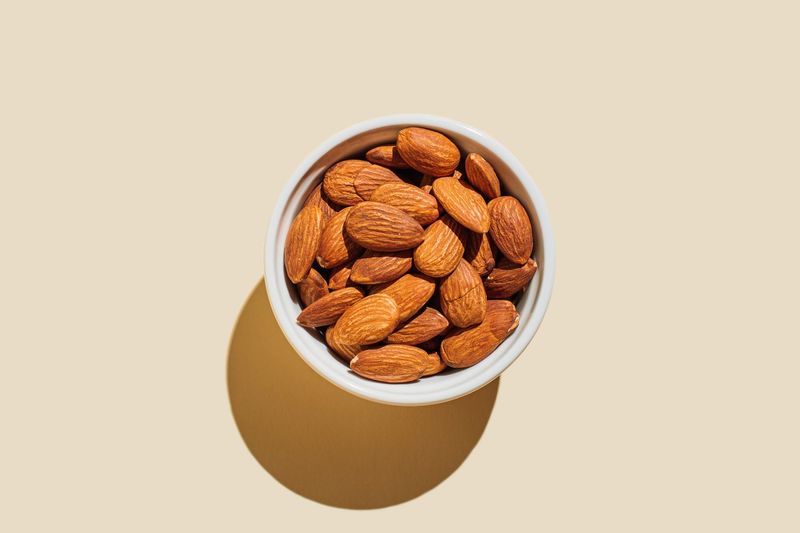
Sleep disturbances plague many women during menopause, leaving you exhausted and foggy-headed. Magnesium is nature's relaxation mineral, helping calm your nervous system and promote deeper, more restful sleep.
Leafy greens, nuts, seeds, whole grains, and dark chocolate are excellent sources. Magnesium also supports muscle relaxation, which can ease nighttime leg cramps.
Try having a magnesium-rich snack an hour before bed—perhaps a small handful of almonds or a banana with nut butter.
6. Fibre-Rich Foods May Improve Gut Health And Hormonal Regulation
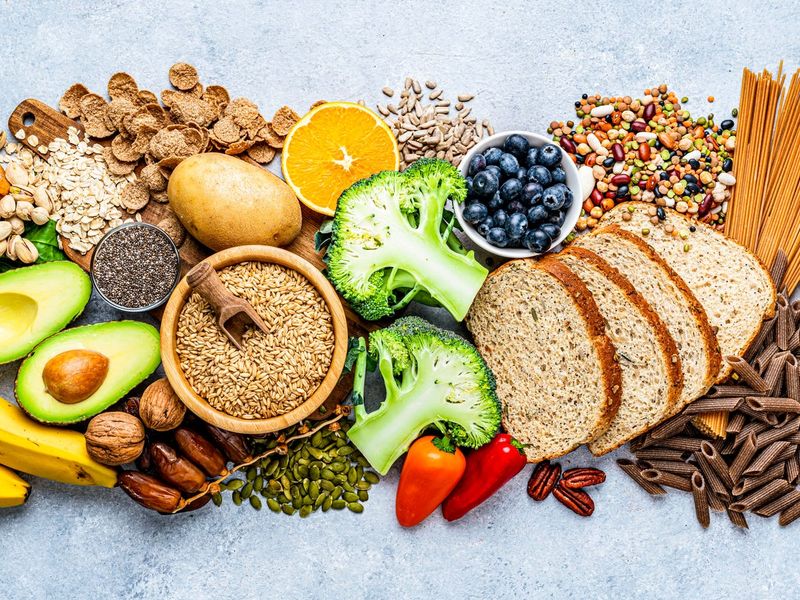
Your gut does more than digest food - it actually helps regulate hormones, including oestrogen. Fibre feeds beneficial gut bacteria, supporting this delicate balance whilst keeping digestion smooth and comfortable.
Whole grains, fruits, vegetables, beans, and lentils are fibre superstars. Women should aim for around 25 grams daily, though many fall short of this target.
Better gut health may also reduce bloating, improve cholesterol levels, and help maintain a healthy weight during menopause.
7. Reducing Added Sugar May Help Limit Energy Crashes And Hot Flush Triggers

Blood sugar spikes from added sugars can contribute to energy crashes and may worsen certain symptoms for some women. Refined sugars also play a role in weight gain and inflammation, which can influence overall comfort during menopause.
Biscuits, cakes, fizzy drinks, and sweetened cereals are common sources. Swapping these for whole fruits, unsweetened yoghurt, and naturally sweet vegetables can help stabilise energy levels throughout the day.
Many women find that reducing added sugar supports steadier mood and more consistent energy over time.



