











Coffee habits tend to feel wonderfully automatic, from the familiar mug you reach for to the comforting warmth in your hands as the day gets going. What often goes unnoticed is how the material of that cup can quietly influence what ends up in your drink.
Heat, plastic, and everyday routines intersect in ways most people rarely think about, yet the science behind it is surprisingly practical. A small change in what you sip from could make your daily coffee ritual feel just a little more mindful.
This content provides general information based on publicly available research and is not intended as medical or personalised health advice. Individual health considerations and exposure levels may vary, and readers should consult a qualified professional for guidance specific to their circumstances.
1. Why Choosing Paper-Coated Cups Over Plastic Can Reduce Microplastic Exposure
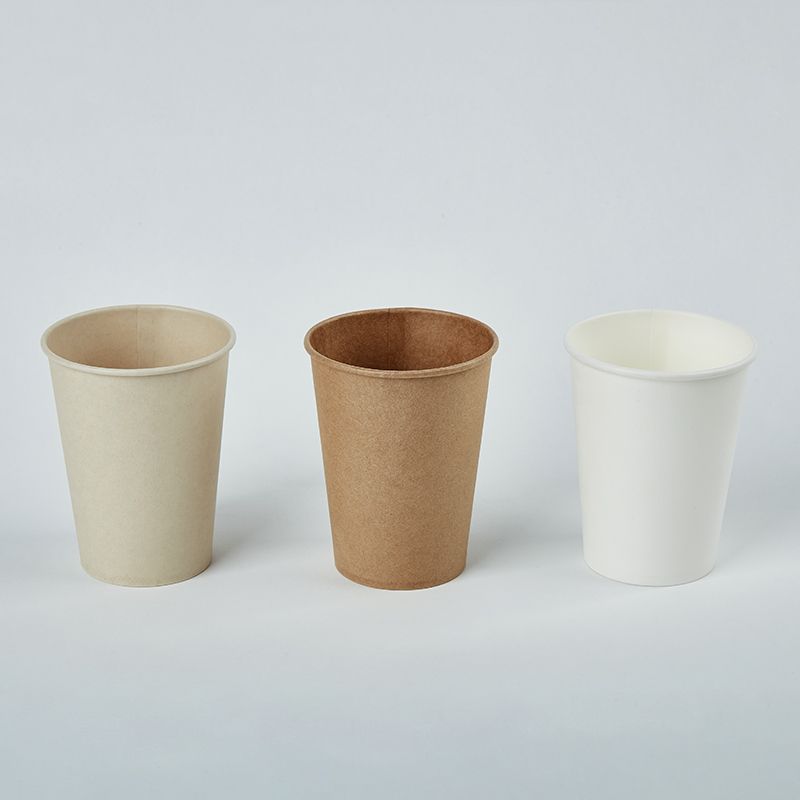
Paper cups with a thin interior coating may look similar to plastic ones, yet research suggests they tend to release fewer microplastic particles when filled with hot drinks. The way different materials respond to heat plays a big role in how much shedding occurs inside your cup.
Plastic surfaces can soften slightly when exposed to higher temperatures, which encourages more particles to loosen into the liquid. Swapping to paper-based cups can gently lower how much of that material ends up in your drink over time.
It’s a small change that fits easily into a normal coffee routine without altering taste or convenience.
2. How Switching Your Coffee Cup Material Can Lower Microplastic Intake
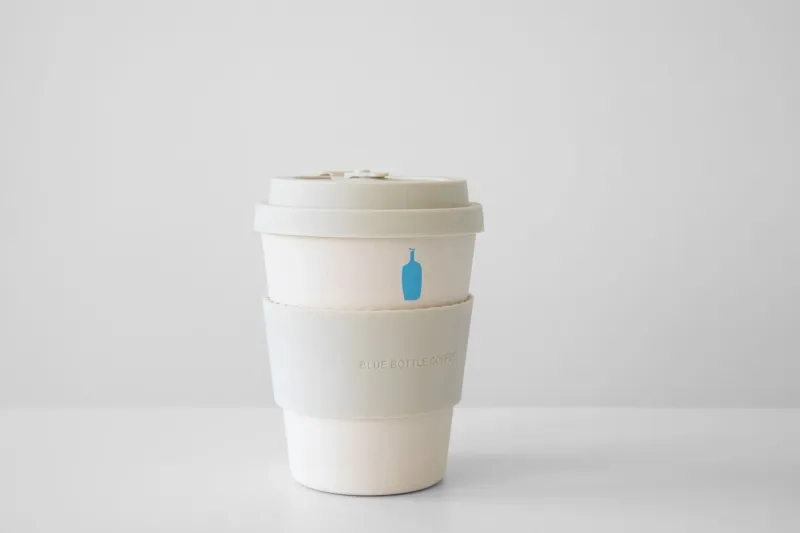
Your cup choice quietly shapes what ends up in your coffee, especially when heat is involved. Studies consistently show that plastic containers release more microplastic particles than harder materials when filled with hot liquids.
Ceramic mugs, glass cups, and stainless steel tumblers tend to be more stable and shed far fewer particles during everyday use. Bringing your own reusable cup also reduces reliance on single-use packaging, which is a nice bonus for the environment.
It’s one of those simple habits that feels effortless once it becomes part of your daily rhythm.
3. Why Hot Drinks In Plastic Cups Release Far More Microplastic Particles
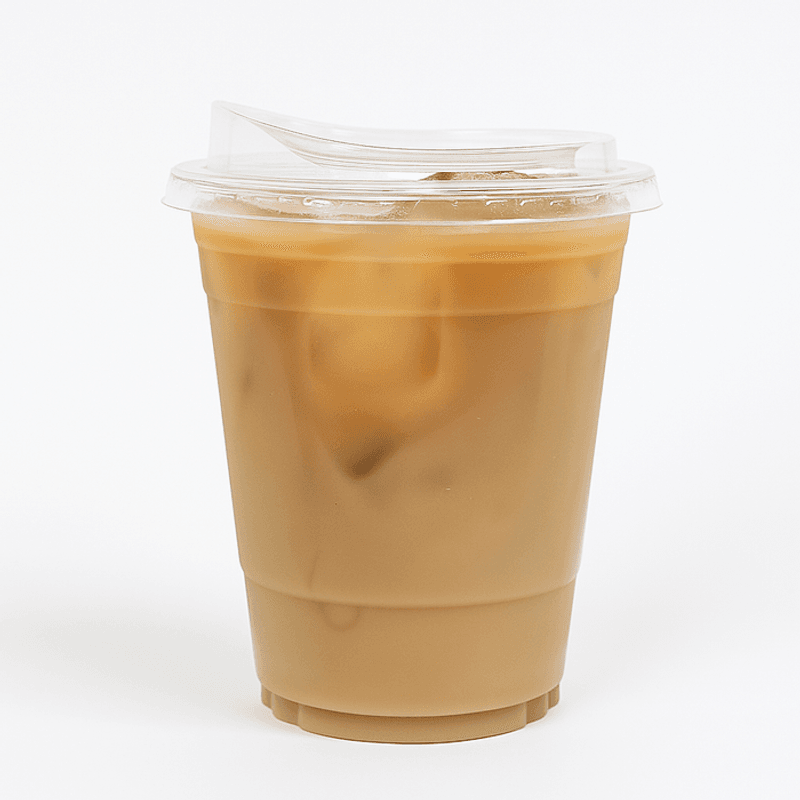
Heat acts like a trigger that encourages plastic materials to release more particles into your drink. When very warm liquids come into contact with plastic surfaces, the material can soften slightly, making it easier for tiny fragments to loosen.
Scientists consistently observe higher particle release when temperatures rise compared with cooler conditions. Cold drinks may still pick up small amounts, but the increase becomes more noticeable as liquids get hotter.
This helps explain why hot coffee in plastic cups attracts more attention in research than chilled beverages.
4. How A Simple Cup Swap May Reduce Daily Microplastic Consumption
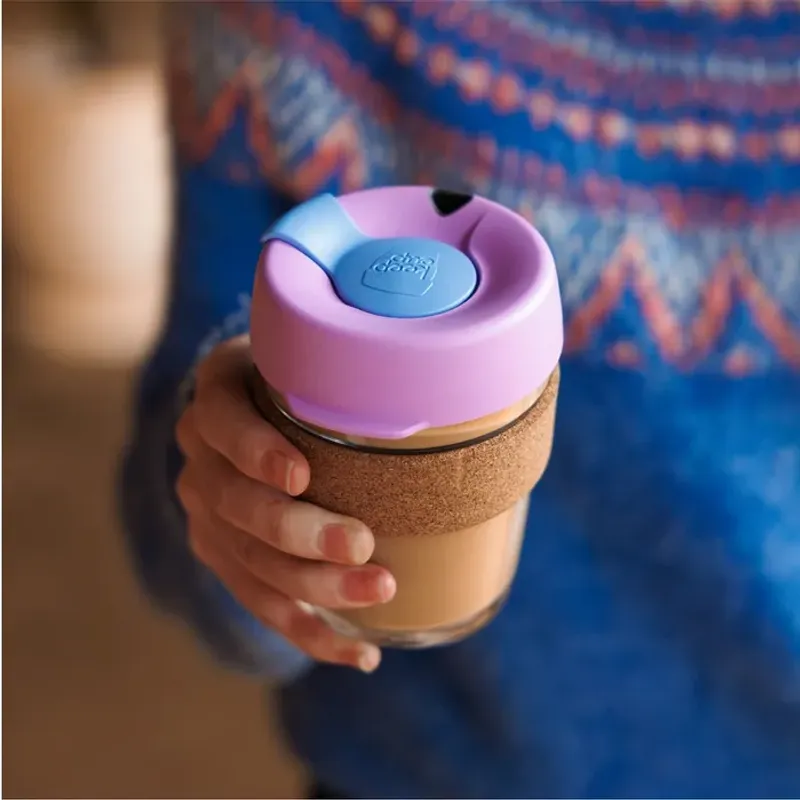
Using plastic cups regularly can gradually add to everyday microplastic exposure, even if the amounts vary between individuals and settings. Switching to a reusable cup made from sturdier materials can noticeably reduce that ongoing intake.
The beauty of this change is how easy it is to stick with once it becomes second nature. Whether you favour a travel mug for commuting or a cosy ceramic cup at home, the adjustment barely disrupts your routine.
Over time, small habits like this quietly add up without demanding extra effort.
5. What Research Reveals About Plastic Coffee Cups And Heat Exposure
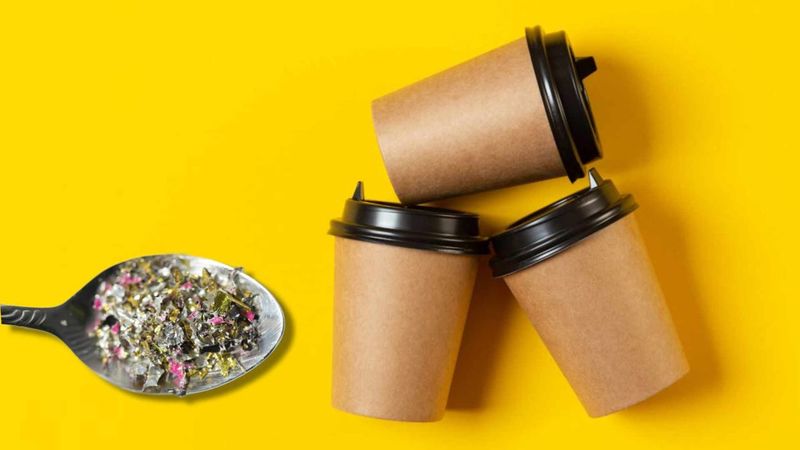
Scientists continue to study how heat affects plastic materials when they come into contact with hot drinks. What’s clear is that higher temperatures encourage more particles to release from plastic surfaces compared with cooler conditions.
These particles can be extremely small, which is why researchers are paying close attention to how they behave in everyday environments. While many details are still being explored, the overall trend consistently links warmth with increased particle shedding.
Choosing a more stable cup material helps reduce that exposure without changing how you enjoy your coffee.