













Perfectly shaped fruit already looks impressive, but shaping it yourself takes things to another level. From hearts to cubes, some fruits are more flexible than people realise.
It sounds complicated at first, but the process is often simpler than expected with the right timing. Gardeners around the world have been experimenting with this for years, yet the results still manage to surprise and amaze anyone seeing them for the first time.
Once you see how it is done, it is hard not to want to try.
This article is intended for general interest and gardening inspiration. Results depend on plant variety, growing conditions, and growing experience.
1. Using Shaped Moulds
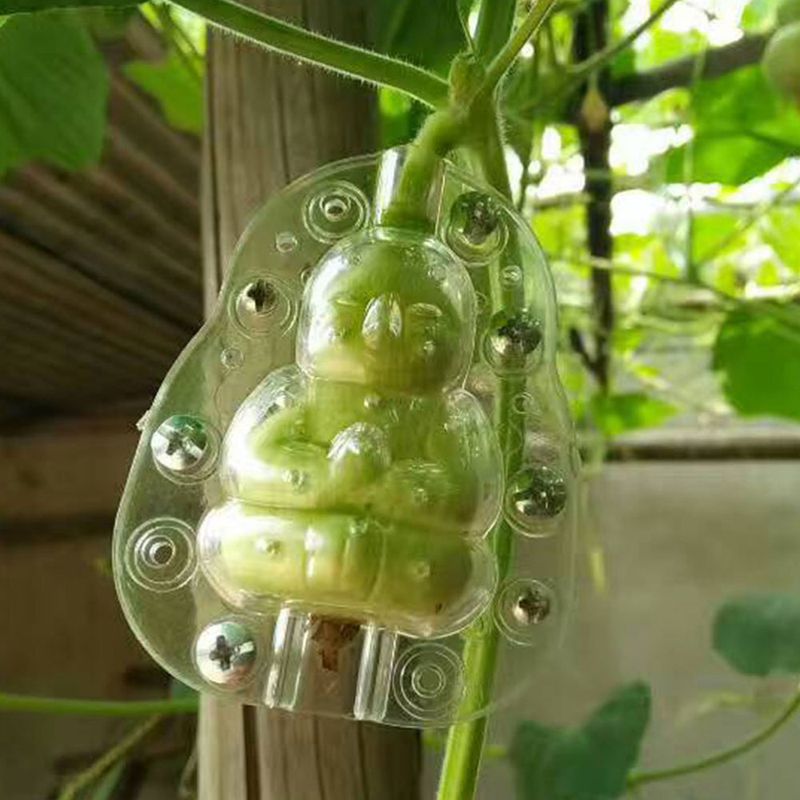
Shaped moulds are placed over young fruit while it is still growing on the plant. As the fruit expands, it gradually fills the container and takes on its outline.
This method works best with fruits that have smoother skins and predictable growth patterns. Watermelons and pears are popular choices because they expand evenly.
Good airflow inside the mould helps prevent moisture problems during development.
2. Controlled Pruning
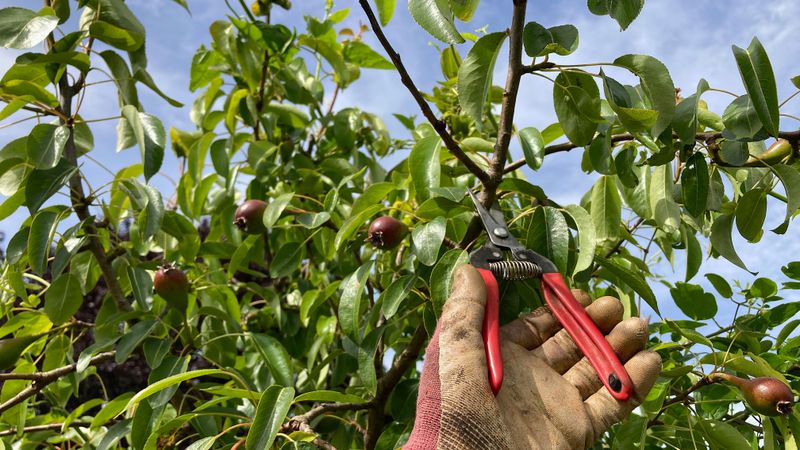
Strategic removal of excess buds channels the plant's energy into fewer fruits. This creates larger specimens that respond better to shaping techniques and develop more pronounced forms.
Apple and pear trees benefit most from this approach during early spring. Focus on keeping only the strongest, best-positioned fruits that face outward for easy access.
Patience pays off with noticeably bigger results.
3. Training On Frames
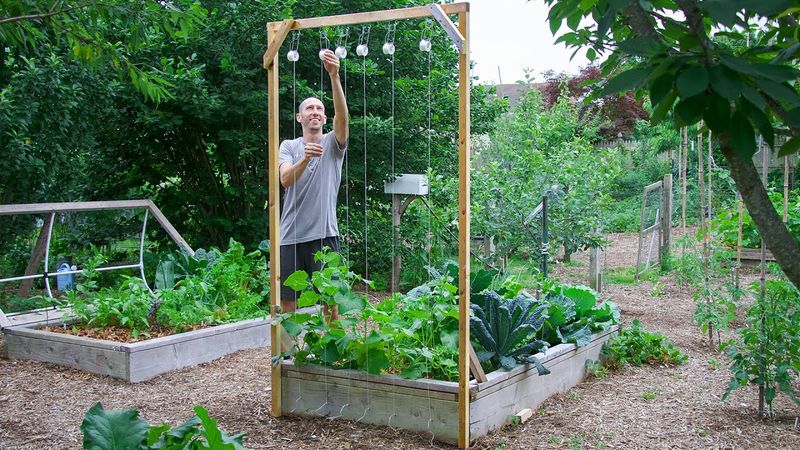
Frames help guide how fruit grows rather than forcing it into tight shapes. Cucumbers, squash, and small melons respond well to gentle directional support as they mature.
Starting early allows the fruit to adjust naturally as it lengthens or curves. The result is usually a controlled bend or pattern rather than sharp edges.
Regular checks help prevent pressure damage as the fruit grows.
4. Weight And Tie Techniques
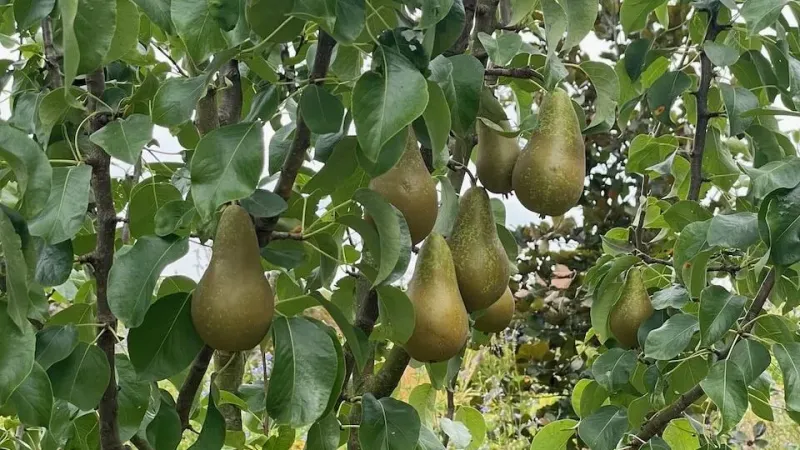
Gentle weights or ties alter fruit direction and form without moulds. Soft cloth strips work better than string, which can cut into delicate skin as the fruit swells with juice.
This works wonderfully for creating elongated pears or curved cucumbers. Position weights carefully to avoid breaking stems, checking tension every few days throughout the growing season.
Light pressure achieves surprising transformations safely.
5. Selective Harvest Timing
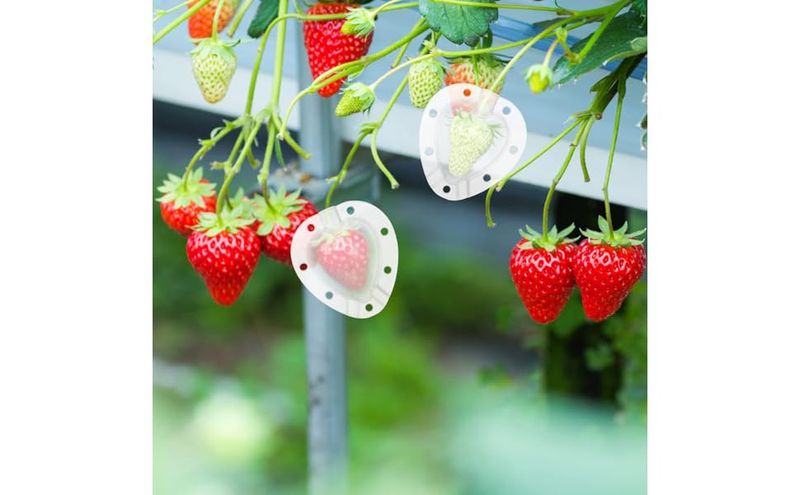
Timing matters when shaping fruit, especially near the end of the growing cycle. Picking too early can leave the shape incomplete.
Leaving fruit too long can increase the risk of splitting or internal damage. Colour, firmness, and size offer better clues than the calendar alone.
Careful daily checks help determine the right moment to harvest.
6. Common Shapes And Fruits Used
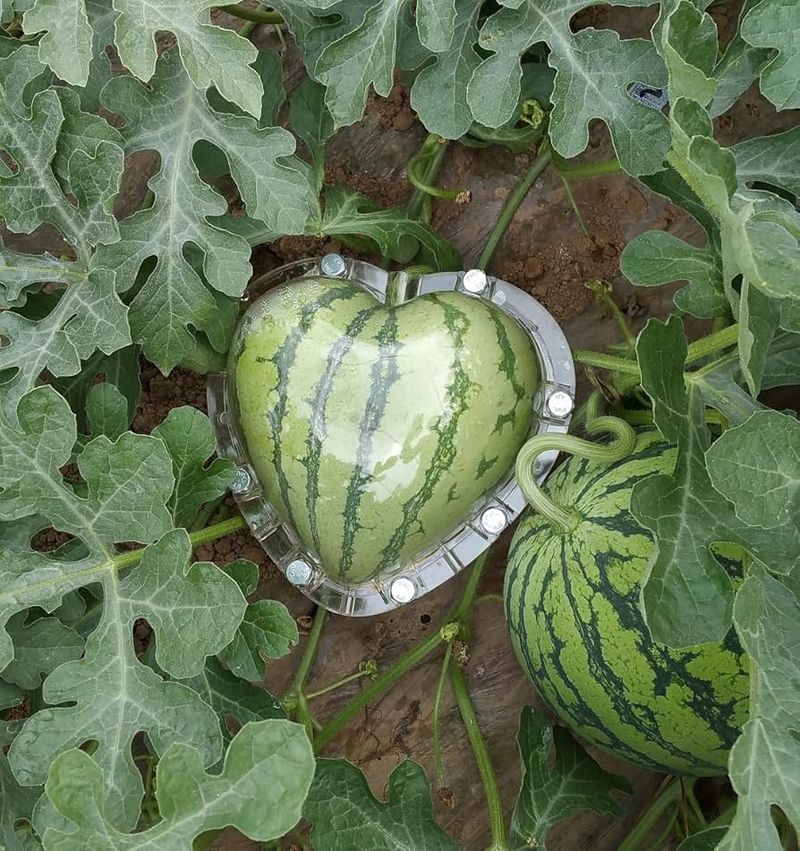
Heart and cube shapes are among the most widely produced shaped fruits. Pears and watermelons are commonly used because they grow evenly inside moulds.
Star shapes are often seen with cucumbers due to their fast growth. Tomatoes and gourds can also be shaped with patience.
Beginners often start with quicker-growing plants before attempting slower fruit trees.



