













It usually starts with a glance at the receipt and a quiet moment of disbelief at the checkout. Across the UK, everyday food shopping has become a shared talking point, with people comparing baskets, prices, and how far their money really stretches.
Social media turned these ordinary moments into something bigger, giving shoppers a way to show, rather than tell, what rising costs look like in real life. The idea of the weekly shop became a simple symbol that cut through economic jargon and spoke to daily experience.
Many readers will recognise that feeling of recalculating meals before leaving the car park.
All information is provided for general informational purposes only. Prices, personal spending habits, and shopping experiences can vary widely depending on location, retailer, household needs, and timing.
When A Full Trolley Stopped Feeling Normal
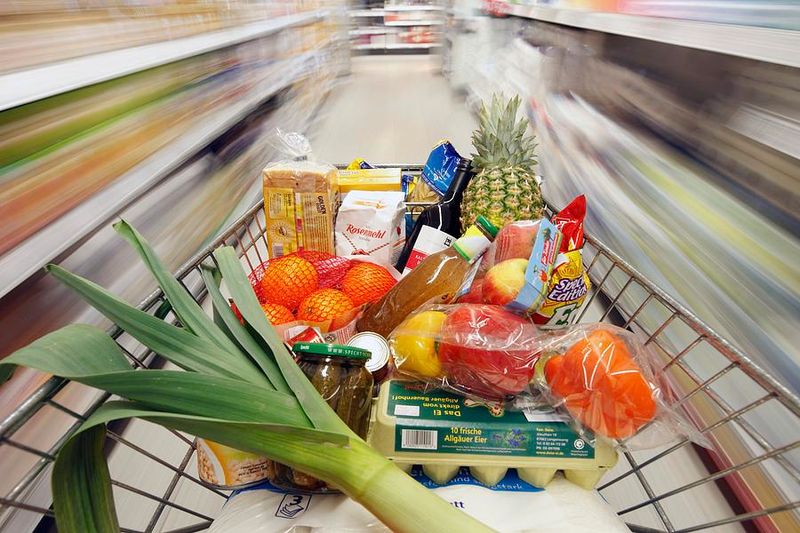
Remember when £100 filled your trolley to the brim? Those days feel like ancient history now.
Shoppers noticed their carts looking emptier despite spending the same amount, and that visual shock hit hard.
The psychology of seeing less for more money made people question everything. What used to be a full weekly haul now barely covers the basics, leaving families scrambling to make up the difference with extra trips and budget juggling.
The Receipts That Sparked A National Conversation
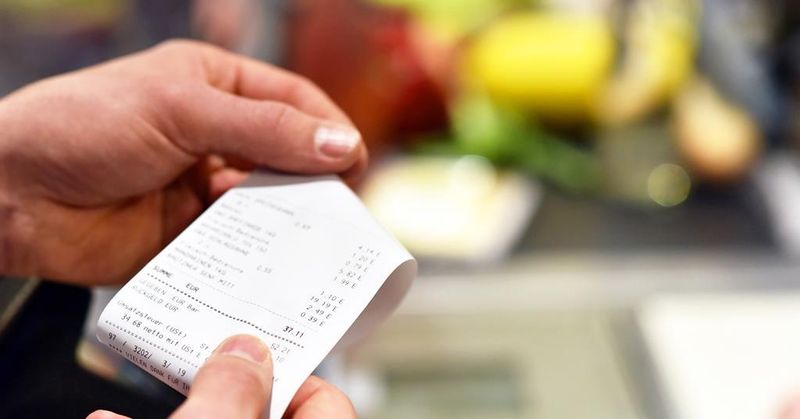
People started photographing their till receipts and the results were jaw-dropping. Line by line, item by item, the proof was right there in black and white - ordinary food had become extraordinarily expensive.
Butter at £5, chicken breasts pushing £8, even basics like pasta and rice climbing steadily. These weren't luxury items or fancy brands.
Just everyday essentials that suddenly required serious thought before dropping them in the basket.
Why Shoppers Started Comparing Baskets Online
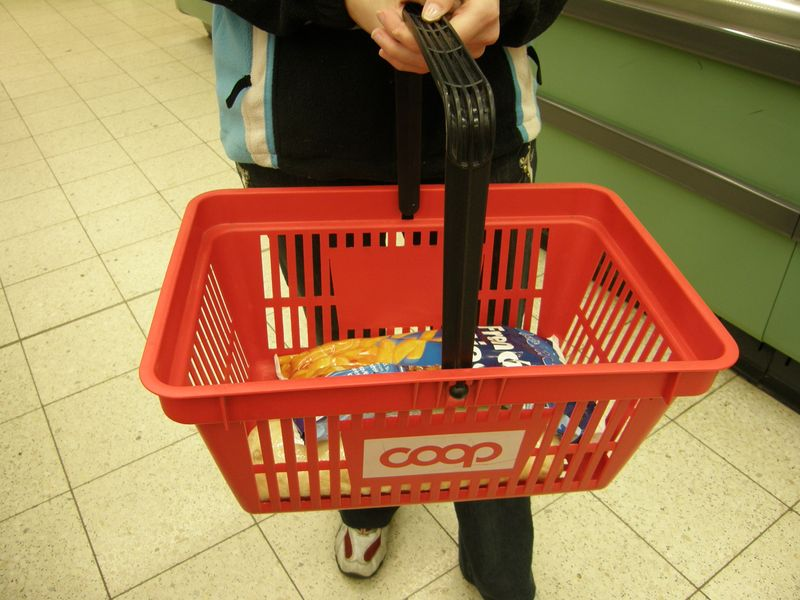
Posting shopping baskets online quickly became a way to swap experiences. Side-by-side comparisons showed how much variation existed between shops, areas, and choices.
Some baskets looked generous, others noticeably sparse, even at similar totals. These informal snapshots felt more relatable than abstract discussions about prices.
Together, they built a shared understanding of how unpredictable food shopping had become.
How Social Media Turned Groceries Into Proof
Hashtags helped everyday shopping moments travel further than expected. What might once have stayed private suddenly became part of a wider conversation.
Photos of bread, vegetables, and cupboard basics carried an immediacy that figures on a chart often lack. These posts grounded big economic themes in familiar routines.
The message landed because it was rooted in real kitchens and real meals.
What £100 Buys Now Compared To A Few Years Ago
Many shoppers reflect on how their weekly shop used to feel more generous. Without changing habits much, they notice fewer items making it home.
Staples that once felt automatic now invite a pause before going into the basket. This shift has encouraged tighter planning and more careful substitutions.
The change is felt less in theory and more in everyday routines.
The Gap Between Official Figures And Everyday Reality
Headline inflation figures can feel distant when standing at the checkout. Percentages rarely capture how specific items affect a household week to week.
When shopping bills rise unevenly, it creates confusion and frustration. Seeing similar experiences shared online helped people feel validated.
The disconnect between reports and receipts became harder to ignore.
Why The Weekly Shop Became A Cost Of Living Symbol
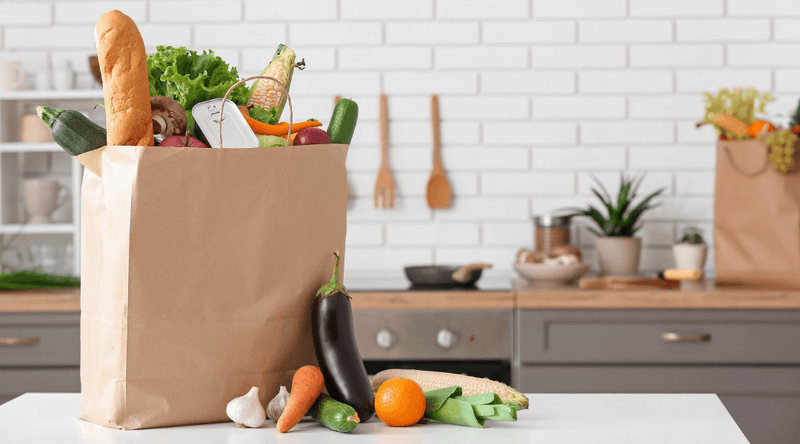
Food shopping represents something universal - everyone needs to eat. When that fundamental activity becomes stressful and unaffordable, it resonates across all demographics and income levels.
The weekly shop transformed into a barometer for economic health. It's tangible, frequent, and impossible to avoid, making it the perfect lens through which to view broader financial pressures.
That's precisely why those trolley photos struck such a powerful chord nationwide.



