













Have you ever noticed how supermarket shelves seem to change just as your cravings shift with the weather? One month it’s bright berries, picnic food, and barbecue essentials, and the next it’s hearty soups, baking staples, and comfort classics.
Behind those smooth transitions sits careful planning, customer insight, supply chains, and seasonal traditions all working quietly together. Understanding how retailers adapt their ranges helps explain why shopping feels so in tune with the time of year.
All information is provided for general interest only. Taste, appearance, and availability may vary. Photos are for illustrative purposes only.
Switching Fresh Produce To Match British Harvest Cycles
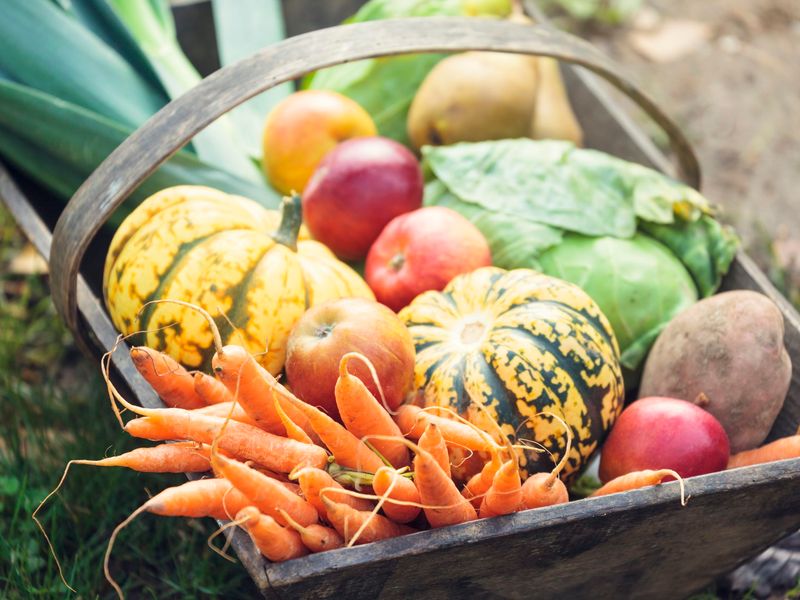
British supermarkets know there's nothing quite like homegrown veg when it's in season.
Asparagus appears in late spring, followed by juicy tomatoes and courgettes through summer. Come autumn, shelves overflow with apples, pears, and pumpkins fresh from local farms.
This approach cuts down on air miles and supports British growers. Plus, produce picked at its peak simply tastes better and lasts longer in your fridge.
Shops work closely with suppliers to time deliveries just right, ensuring you get the freshest stuff possible.
Rotating Limited-Edition Flavours For Seasonal Trends
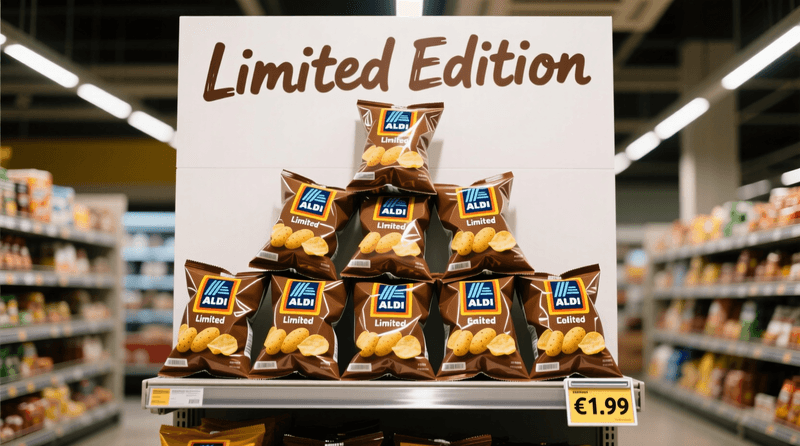
Remember when pumpkin spice everything took over the aisles each October?
Supermarkets love launching limited-edition flavours that match the mood of the moment. Spring brings elderflower and lemon treats, summer sees mango and passionfruit pop up, whilst autumn ushers in caramel apple and cinnamon goodies.
These short-lived products create excitement and urgency – if you don't grab that salted caramel hot chocolate now, it'll vanish until next year.
It's a clever way to keep shoppers curious and coming back for more.
Expanding Party Food And Entertaining Ranges During Holidays

When Christmas, Easter, or summer bank holidays roll around, supermarkets transform into party central.
Suddenly there are entire aisles dedicated to canapés, fancy nibbles, and sharing platters you'd never spot in February. Think mini quiches, cocktail sausages, and elaborate desserts that make hosting a breeze.
Shops know people want convenience when entertaining, so they stock ready-made options that look homemade. These expanded ranges disappear once the festivities end, making way for everyday essentials again.
It's all about timing and convenience.
Introducing Lighter Ready Meals In Warmer Months
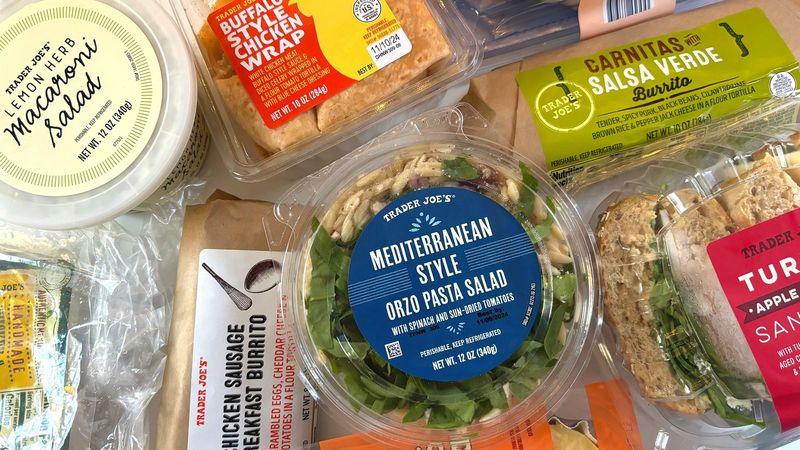
Nobody fancies a heavy stew when it's roasting outside, do they?
As temperatures climb, supermarkets swap hearty casseroles for lighter options like pasta salads, grilled chicken with Mediterranean veg, and zesty rice bowls. These meals feel refreshing rather than stodgy, perfect for warm evenings when cooking feels like a chore.
Ingredients shift too – think citrus, herbs, and crisp vegetables instead of rich sauces and dense carbs.
It's all about matching what your body actually craves when the sun's out and you'd rather be in the garden.
Highlighting Comfort Foods And Hearty Ingredients In Winter
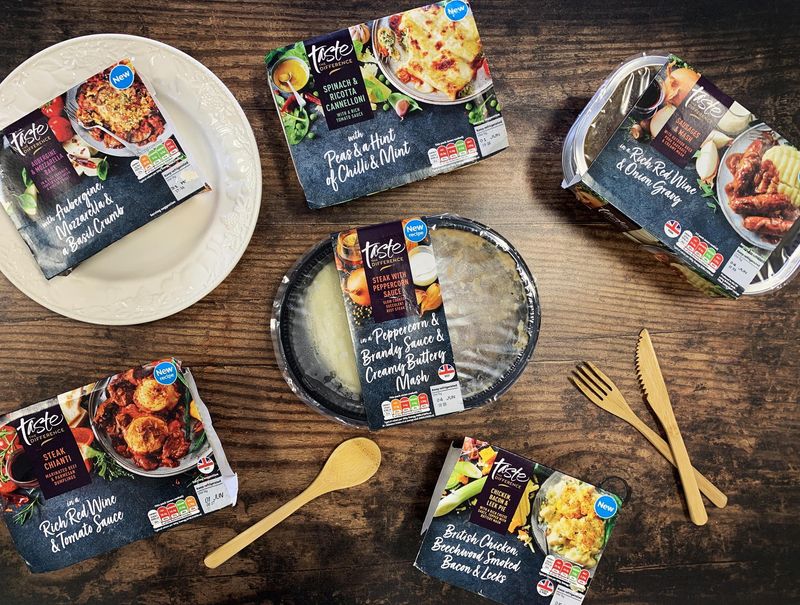
When the weather turns miserable, there's nothing better than proper comfort food.
Supermarkets respond by stocking up on ingredients for warming dishes – think root vegetables, braising cuts of meat, rich stocks, and thick soups. Ready meals shift towards shepherd's pie, beef stew, and macaroni cheese that stick to your ribs.
Even the bakery section gets cosier, with crusty bread and savoury pies taking centre stage.
It's food that feels like a warm hug after battling the cold, and shops know exactly when we need it most.
Adjusting Bakery Lines For Seasonal Treats And Traditions

Bakery sections practically transform with the calendar.
Hot cross buns signal Easter's approach, whilst mince pies and stollen dominate December. Summer brings lighter options like fruit tarts and lemon drizzle cake, perfect with a cuppa in the garden.
These treats tap into tradition and nostalgia – eating a hot cross bun in March just feels right, doesn't it?
Supermarkets time these releases carefully, often starting a few weeks early to build anticipation. Miss them and you'll wait another year, which makes them feel special rather than ordinary.
Promoting Seasonal Health And Wellness Products
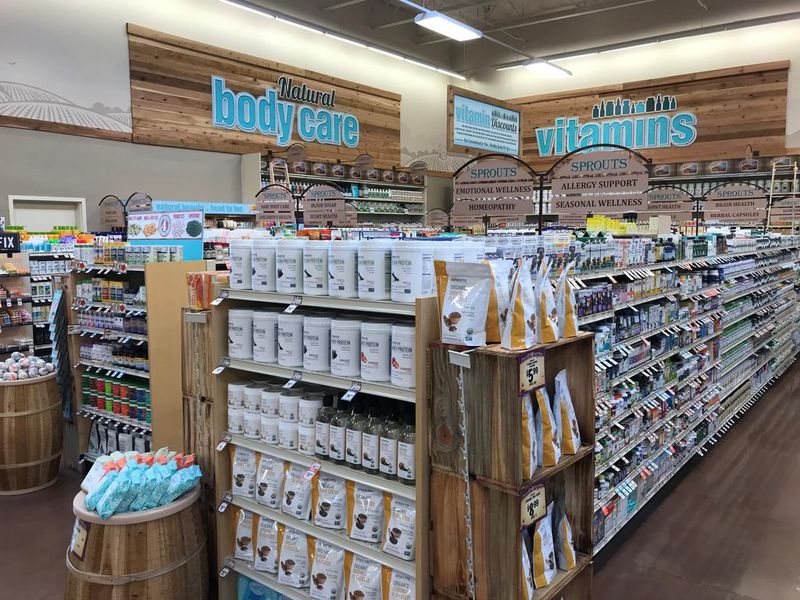
January means detox teas and protein bars everywhere, whilst summer brings SPF-infused snacks and hydration boosters.
Supermarkets cleverly align health products with seasonal goals. New Year shoppers find meal replacement shakes and low-calorie options front and centre.
As spring arrives, vitamin-packed smoothies and energy-boosting snacks appear, perfect for getting active outdoors.
These products match what people are already thinking about, making them easier to sell.
It's not just food either – supplements, wellness drinks, and functional snacks all rotate with the seasons.
Refreshing Packaging And Displays To Reflect The Time Of Year
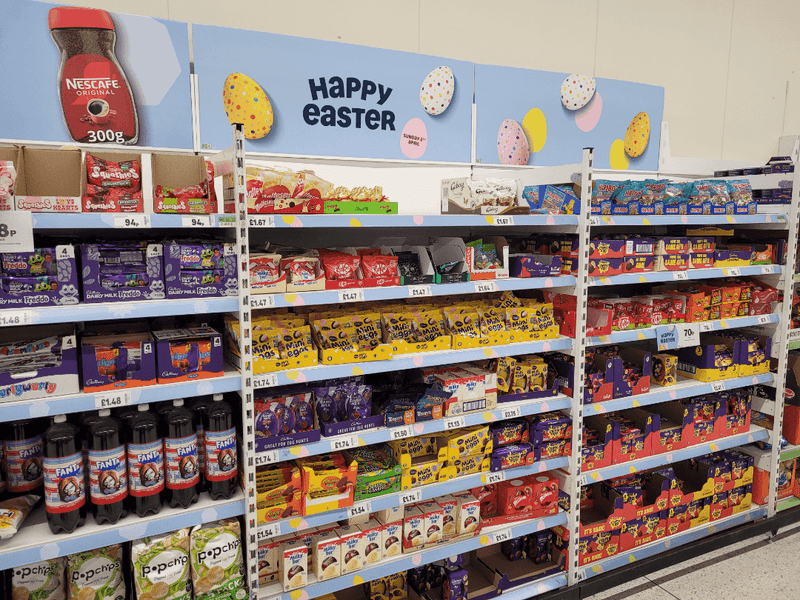
Walk into any supermarket and you'll instantly know what season it is, even without windows.
Spring displays burst with pastels and florals, summer brings vibrant colours and beach themes, autumn showcases warm oranges and rustic touches, whilst winter goes full-on sparkle and frost. Even everyday products get seasonal makeovers – cereals might sport snowflakes in December or sunshine in July.
These visual cues put shoppers in the right mood and make seasonal products impossible to miss.
It's retail theatre at its finest.
Testing Short-Term Products To Measure Customer Demand
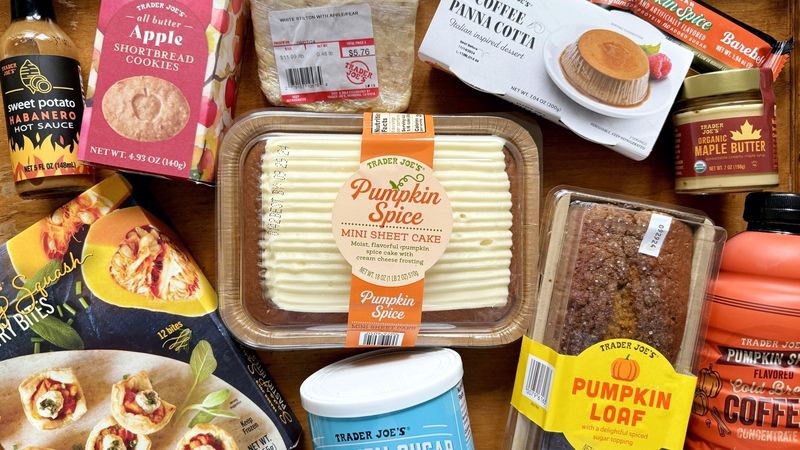
Not every seasonal experiment succeeds, and supermarkets know it.
That's why they launch trial products for limited periods to gauge interest. A new summer salad flavour or autumn soup might appear for just four weeks.
If it flies off shelves, it'll return next year, possibly as a permanent fixture.
If it flops, you'll never see it again.
This approach lets shops innovate without committing to massive stock orders. It's also why you sometimes can't find that brilliant thing you bought last month – it was just a test.



