













British food has changed more in the past century than in the several before it. Roast dinners and puddings still matter, but they now sit alongside dishes shaped by families who arrived from South Asia, the Caribbean, Africa, the Middle East and beyond.
As communities settled, they brought ingredients, techniques and traditions that gradually became part of everyday life across towns and cities. The result is not simply a longer takeaway menu.
It is a shift in how Britain understands itself – through shared tables, hybrid recipes and flavours that once felt unfamiliar. From corner curry houses to neighbourhood bakeries and street markets, immigration has helped redefine both what people eat and how they define British identity today.
This article is provided for general information and entertainment purposes only. It reflects historical and cultural developments and does not represent a complete account of Britain’s culinary history.
Views on food and identity may vary. Photos are for illustrative purposes only.
The Post War Arrival Of South Asian Flavours
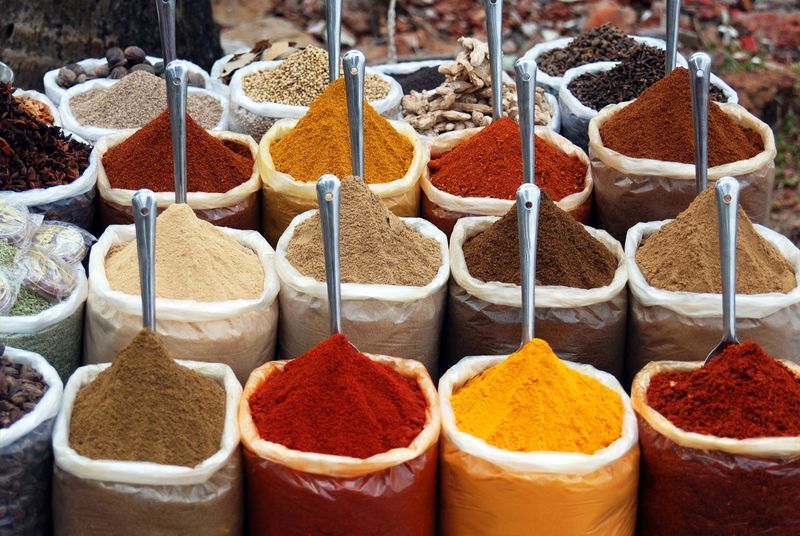
After World War II, immigrants from India, Pakistan, and Bangladesh arrived carrying more than suitcases. They brought cardamom, turmeric, and garam masala, spices that had been mostly unknown outside specialist shops.
Suddenly, British kitchens had access to flavours that could transform even the blandest stew into something memorable.
These newcomers opened small grocers and restaurants, initially serving their own communities but gradually drawing curious locals. The aroma of frying onions, ginger, and spices became part of the urban soundtrack.
What started as homesickness cuisine evolved into a nationwide obsession, proving that food could be a bridge between cultures and a catalyst for change.
The Rise Of Curry As A British Staple
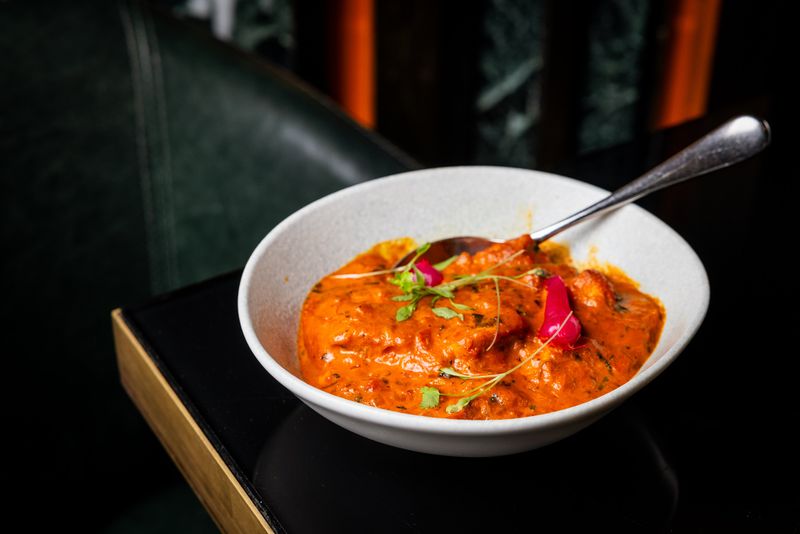
Chicken tikka masala didn't exist in India, yet it's become Britain's unofficial national dish. Born from adaptation and creativity, this creamy, tomato-based curry perfectly illustrates how immigrant chefs tailored recipes to suit British tastes.
It's mild enough for cautious palates but packed with enough spice to feel adventurous.
By the 1970s, curry houses dotted every high street, becoming weekend rituals for families and mates alike. The dishes weren't always authentic replicas of subcontinental cooking, but that wasn't the point.
They represented something new, a shared culinary language that belonged to everyone, regardless of background or postcode.
Caribbean Cooking And Community Kitchens
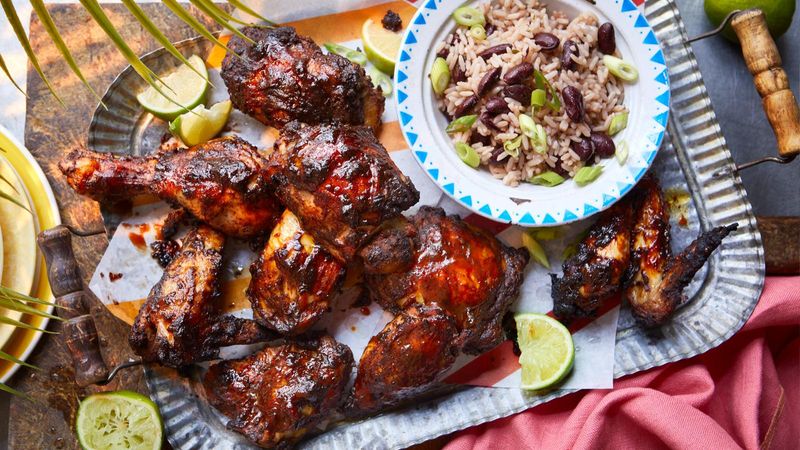
Caribbean immigrants didn't just bring recipes; they brought a whole philosophy of cooking rooted in community and celebration. Jerk chicken, rice and peas, ackee and saltfish became weekend staples in households across Britain.
These dishes carried the warmth of island life, turning simple ingredients into feasts that brought people together around shared tables.
Community kitchens and sound system parties introduced Brits to bold, fiery flavours they'd never encountered. Scotch bonnet peppers, allspice, and thyme weren't just ingredients but expressions of identity and resilience.
Food became a way to preserve heritage whilst building new connections in unfamiliar cities.
Chinese Takeaways And The High Street Revolution
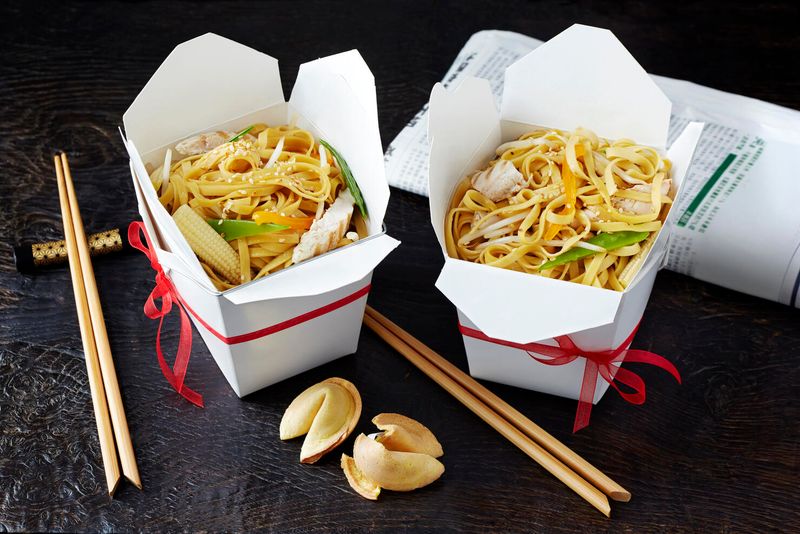
Chinese takeaways transformed how Britain ate, making dining out accessible and affordable for working families. Sweet and sour pork, egg fried rice, and crispy duck became Friday night traditions, served in iconic white cartons that practically defined convenience food.
These restaurants weren't trying to replicate Beijing or Hong Kong; they created something entirely new, tailored to British cravings.
The high street revolution wasn't just about food. It was about visibility, entrepreneurship, and the quiet integration of Chinese culture into everyday British life.
Those neon-lit shopfronts became neighbourhood landmarks, proof that immigration wasn't diluting identity but enriching it in ways no one had anticipated.
Middle Eastern Influences On Modern British Dining
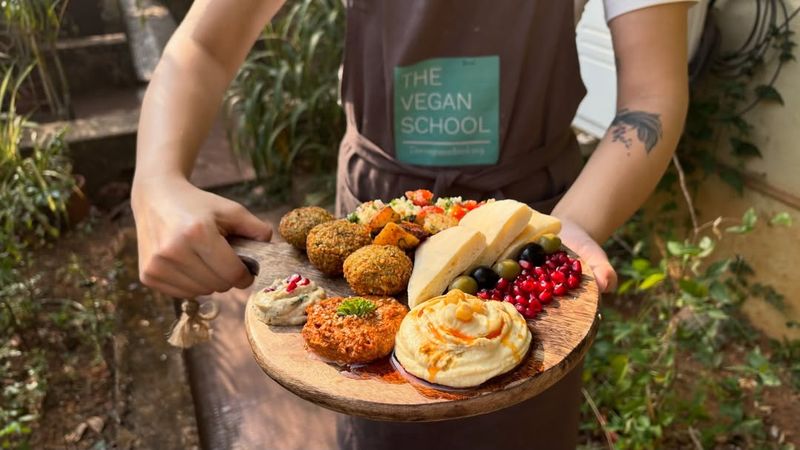
Hummus wasn't always a supermarket staple. Middle Eastern immigration, particularly from Lebanon, Syria, and Turkey, introduced Britain to mezze culture, where meals are shared, relaxed, and full of variety.
Falafel, tabbouleh, and grilled halloumi shifted the focus from heavy, meat-centred plates to lighter, vegetable-forward eating that felt both exotic and approachable.
These influences didn't stay confined to specialist restaurants. They seeped into cafes, pubs, and home kitchens, changing how people thought about lunch and dinner.
Flatbreads replaced sandwiches, tahini became a pantry essential, and suddenly, eating well didn't require hours at the stove or a culinary degree.
African Ingredients Entering Mainstream Supermarkets
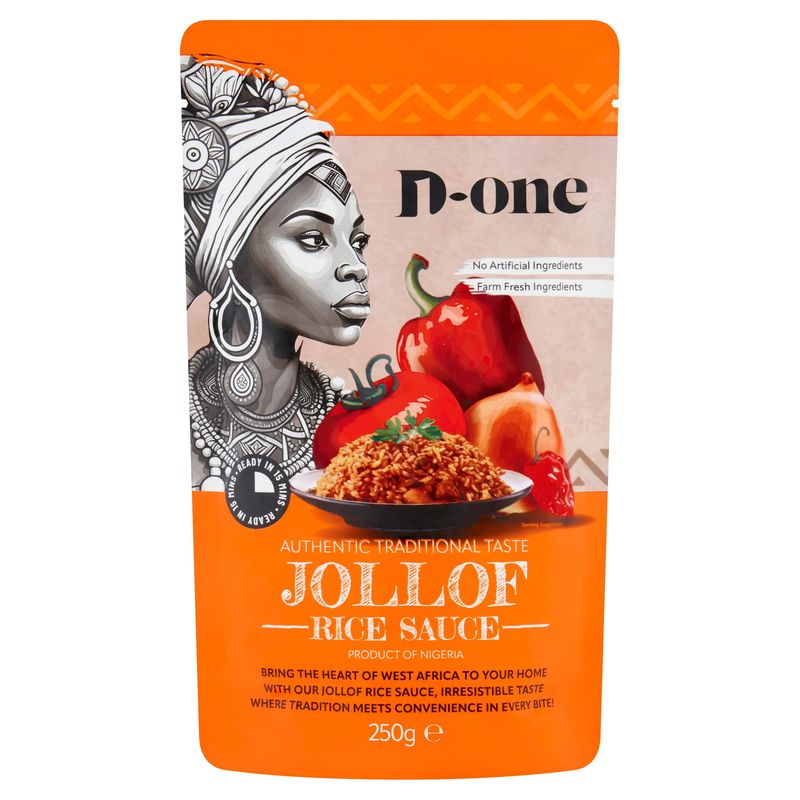
Walk into any major supermarket now and you'll find plantain, yams, and jollof rice seasoning sitting comfortably beside potatoes and pasta. African immigration brought ingredients that were once impossible to source outside specialist shops, making them everyday options for anyone curious enough to try something different.
This shift reflects more than changing tastes; it's a recognition of Britain's evolving population and the demand for diverse, accessible food. Palm oil, cassava flour, and scotch bonnets are no longer niche products but part of the mainstream shopping experience.
It's a quiet revolution, one shelf at a time, proving that representation matters in every aisle.
Fusion Restaurants And A New Culinary Confidence
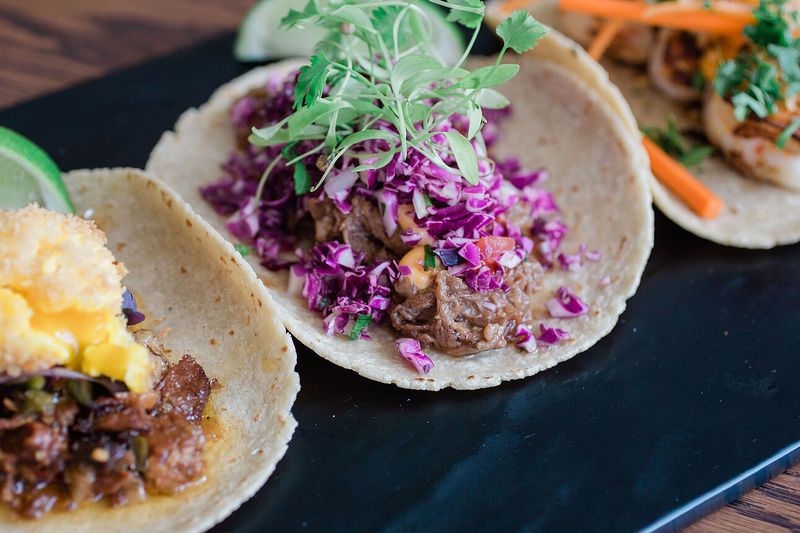
Fusion cuisine used to be a dirty word, associated with gimmicks and confused flavours. But a new generation of chefs, many from immigrant backgrounds, has embraced blending traditions with confidence and creativity.
Korean tacos, Punjabi pies, and jerk burgers aren't cultural confusion; they're celebrations of Britain's multicultural reality, cooked with skill and respect.
These restaurants don't apologise for mixing influences. They reflect lived experiences of people who grew up navigating multiple cultures, where Sunday roast and samosas coexist without contradiction.
This culinary confidence has given Britain a distinct food identity, one that's constantly evolving and impossible to pin down.
Food As A Reflection Of Britain's Multicultural Identity
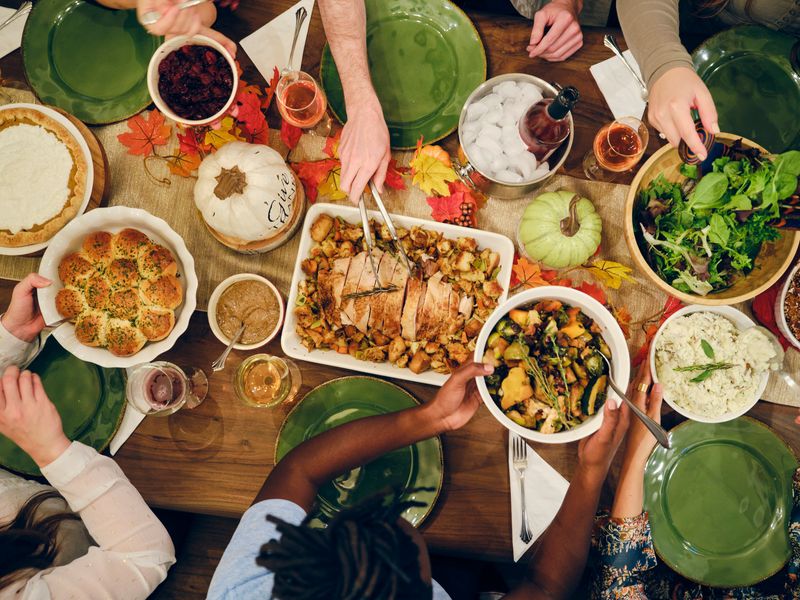
Food has become the most visible, tangible expression of Britain's multicultural identity. It's no longer about tolerating difference but celebrating it, one meal at a time.
From school lunches to wedding menus, the variety reflects a nation that's been shaped, enriched, and fundamentally changed by immigration.
This isn't just nostalgia or tokenism. It's everyday reality.
Kids grow up knowing what hummus tastes like before they try Marmite. Families debate whether to order Chinese or Indian on Friday nights.
Food has woven itself into the fabric of British life so thoroughly that it's impossible to imagine the culture without it, proving that identity isn't static but deliciously, endlessly evolving.



