













Hotel breakfasts often offer more than a convenient start to the day. They can provide a glimpse into local food traditions, ingredients, and eating habits that vary widely between countries.
While many hotels include familiar international options, regional dishes frequently appear alongside them, reflecting local culture and dining customs. Comparing breakfast spreads across destinations reveals how different countries approach morning meals and how hotels balance global expectations with local identity.
This article is for general information and cultural interest only. Hotel menus, buffet selections, and food availability vary by location, brand, and season.
Individual experiences may differ. Images, where used, are for illustrative purposes only.
Why Location Shapes What Ends Up On The Buffet
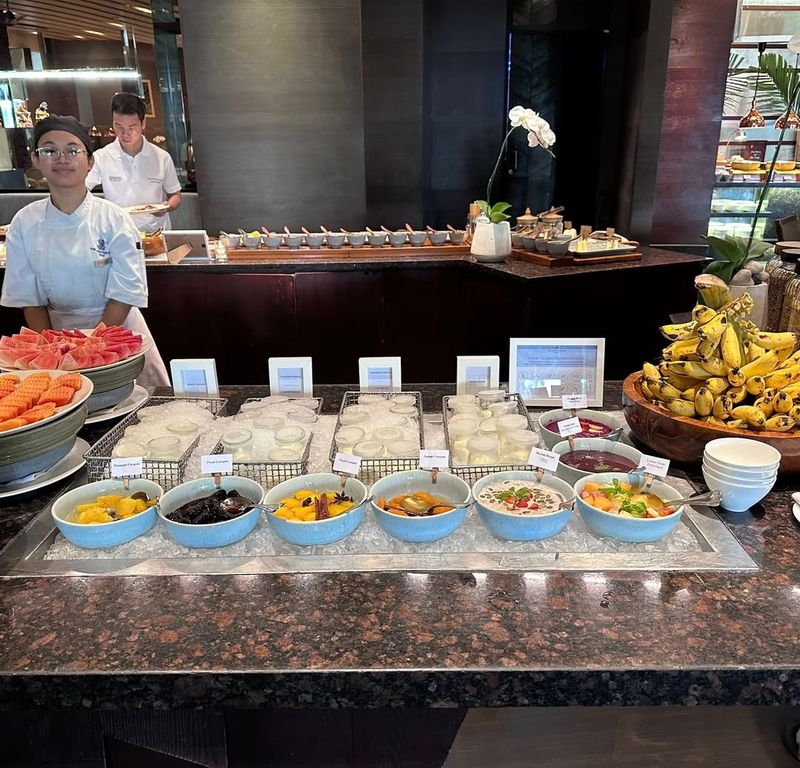
Geography dictates everything from what grows locally to what people consider edible at dawn. A hotel in Reykjavik won't stock mangoes because they'd cost a fortune, whilst a Bangkok property would struggle to justify importing Danish pastries when roti and coconut pancakes are fresher and cheaper.
Climate plays a massive role too. Hot countries lean towards lighter, fruit-heavy spreads that won't sit like a brick in your stomach, whereas Nordic hotels pile on the protein and carbs to fuel you through darker, colder mornings.
It's not just preference, it's survival instinct baked into centuries of habit.
The Staples You'll See Almost Everywhere
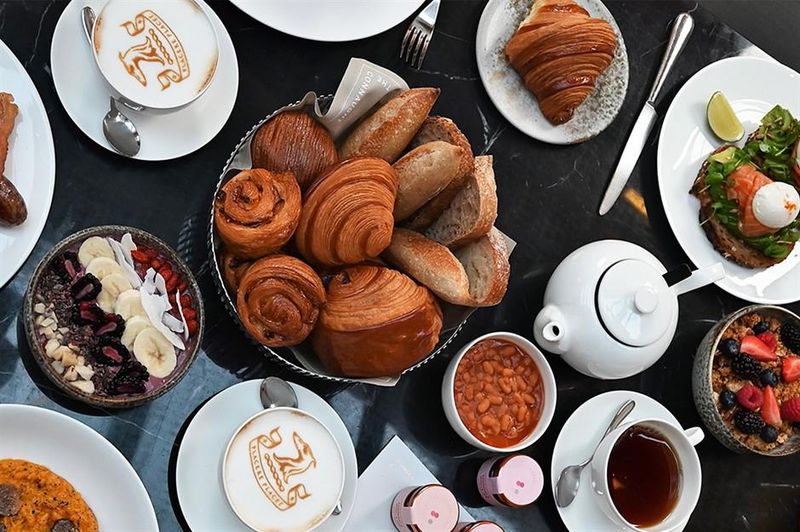
Bread, eggs, and caffeine form the holy trinity of hotel breakfasts globally. Whether it's a crusty baguette in Paris, fluffy white toast in Sydney, or steamed buns in Shanghai, some form of baked carbohydrate always makes an appearance.
Eggs are equally ubiquitous, though preparation varies wildly. You might find them scrambled, boiled, fried, or folded into an omelette, but they're rarely missing entirely.
Coffee and tea anchor the beverage station everywhere, though the strength, style, and serving method shift dramatically depending on whether you're in Italy or India.
How Local Traditions Influence Morning Meals
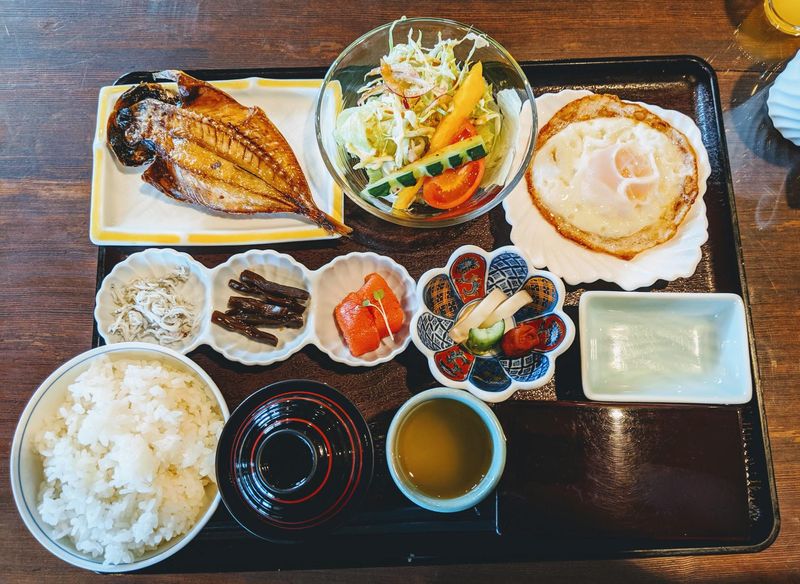
In Japan, hotels serve grilled fish, miso soup, and rice because that's what locals have eaten for generations. It's not exotic or unusual there, it's just breakfast.
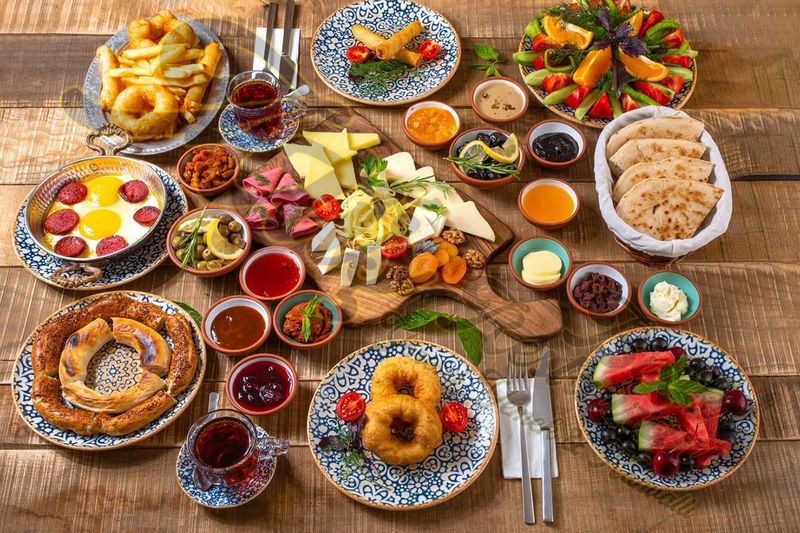
Skip over to Turkey, and you'll find tables groaning under the weight of cheeses, olives, tomatoes, and cucumbers, a spread that reflects centuries of Ottoman hospitality.
These aren't random choices thrown together to look authentic. They're deeply rooted in agricultural history, religious practices, and family routines passed down through generations.
Hotels simply mirror what home kitchens have been doing all along.
What Counts As Breakfast Around The World

Ask a Brit what breakfast means and they'll describe sausages, bacon, and baked beans. Ask a Chinese guest and they'll mention congee, dumplings, and pickled vegetables.
Neither is wrong, they're just operating from completely different cultural playbooks.
In Mexico, breakfast might involve tortillas, beans, and salsa, whilst Israelis expect fresh salads, cheeses, and breads. What feels substantial and appropriate in one culture can seem downright odd or inadequate in another.
Hotels have to navigate these wildly different expectations every single morning, which is no small feat.
Why Sweet Or Savoury Comes Down To Culture
Americans and Canadians often lean sweet, reaching for pancakes, waffles, and sugary cereals. Meanwhile, much of Asia, the Middle East, and parts of Europe prefer savoury starts involving cheese, meats, vegetables, or soups.
This divide isn't random. It reflects agricultural history, trade routes, and what was traditionally affordable or available.
Sugar was once expensive and rare, so cultures that embraced sweet breakfasts often did so later, as prosperity grew. Savoury-leaning countries maintained older patterns tied to farming seasons and protein availability, habits that hotels still respect today.
How Hotels Balance Familiar Comfort With Local Flavour
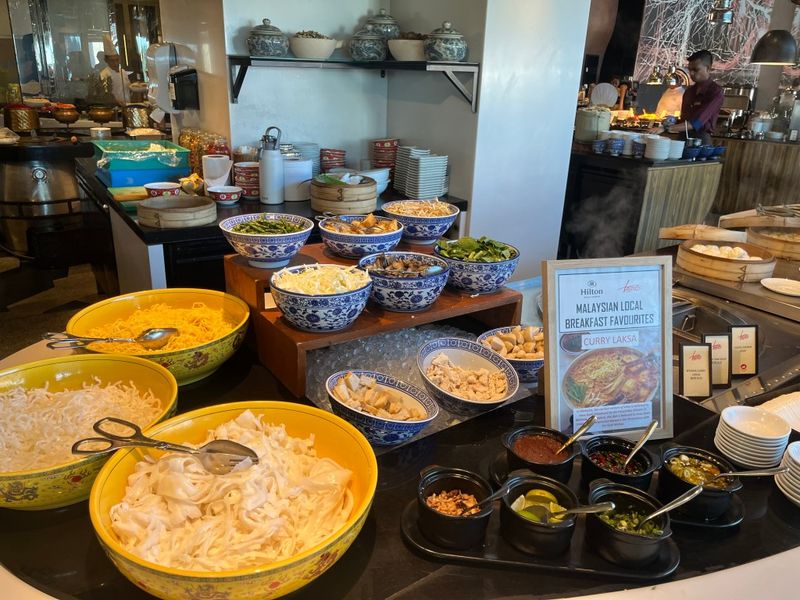
International hotel chains face a constant balancing act. Serve only local food and you risk alienating jet-lagged travellers craving something recognisable.
Serve only Western standards and you miss the chance to showcase what makes your location special.
Most solve this by offering dual buffets: one section with scrambled eggs, toast, and cereal for the homesick, another featuring regional specialities for the adventurous. It's a diplomatic solution that keeps everyone fed and reasonably happy, though it does mean breakfast spreads can feel a bit schizophrenic at times.
What Travellers Expect Versus What Locals Eat
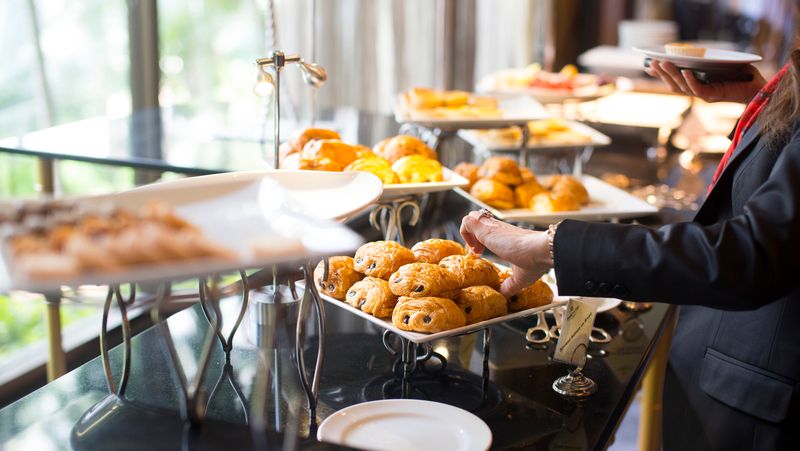
Travellers often expect hotels to serve what they'd eat at home, even when they're halfway around the world. A German guest in Brazil might feel cheated without cold cuts and rye bread, whilst a Brazilian in Germany might search in vain for fresh tropical fruit and pão de queijo.
Locals, meanwhile, might find the hotel breakfast bizarre or overly formal compared to what they'd whip up at home. Hotels end up catering to imagined international standards rather than authentic local habits, creating a strange hybrid that satisfies no one perfectly but offends no one too badly.
Why Breakfast Is Often The Most Telling Meal Of A Stay
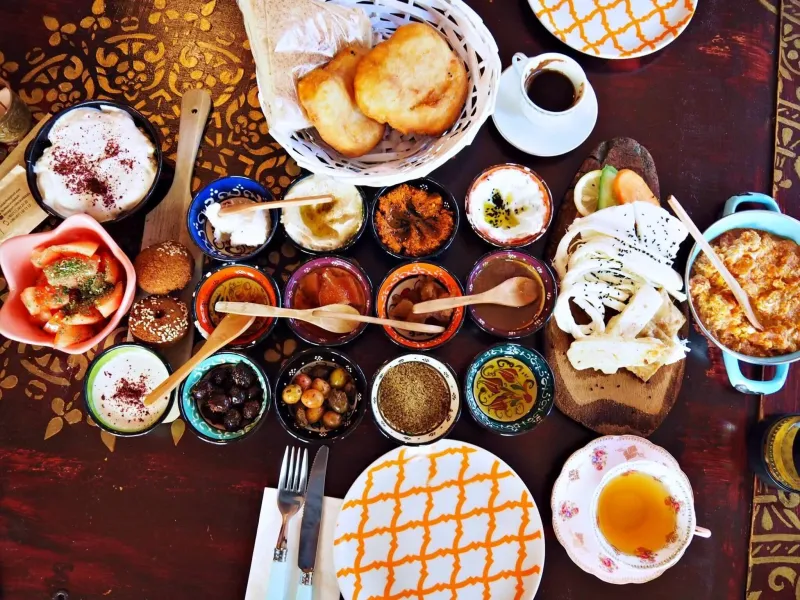
Breakfast reveals more about a country's values than any other meal. It shows what people prioritise nutritionally, how much time they allocate to eating, and what they consider an acceptable way to start the day.
A rushed Continental offering of pastries and coffee suggests efficiency and speed. A leisurely Turkish spread with dozens of small dishes signals hospitality and abundance.
Pay attention to the breakfast room and you'll learn whether punctuality, variety, health, or tradition matters most in that culture. It's anthropology served on a buffet tray.



