













Haribo gummies may look the same across Europe, but a bite in Berlin can taste very different from one in Madrid or Istanbul. The brand adapts recipes to suit local preferences, regulations, and available ingredients, resulting in variations in sweetness, fruit flavour intensity, and texture.
While the iconic bear shape remains familiar, the flavour experience can change dramatically depending on where you buy them, offering a surprising insight into how even beloved sweets are tailored to regional tastes.
All information is provided for general interest only. Product recipes, flavours, and availability may vary by country and store. Photos are for illustrative purposes only.
1. Local Ingredients That Change The Flavour

German factories rely on glucose syrup from wheat or potatoes, giving their gummies a distinct chewiness and less sugary punch. Head south to Spain or east to Turkey, and you'll find different starch sources that subtly shift the sweetness.
These ingredient swaps aren't just about cost. They reflect what grows locally and what suppliers can provide consistently.
A Turkish Haribo might taste slightly maltier, while a French version leans cleaner on the palate.
It's fascinating how a single ingredient swap ripples through the entire flavour profile, proving terroir matters even in confectionery.
2. Sugar Levels Vary From Country To Country
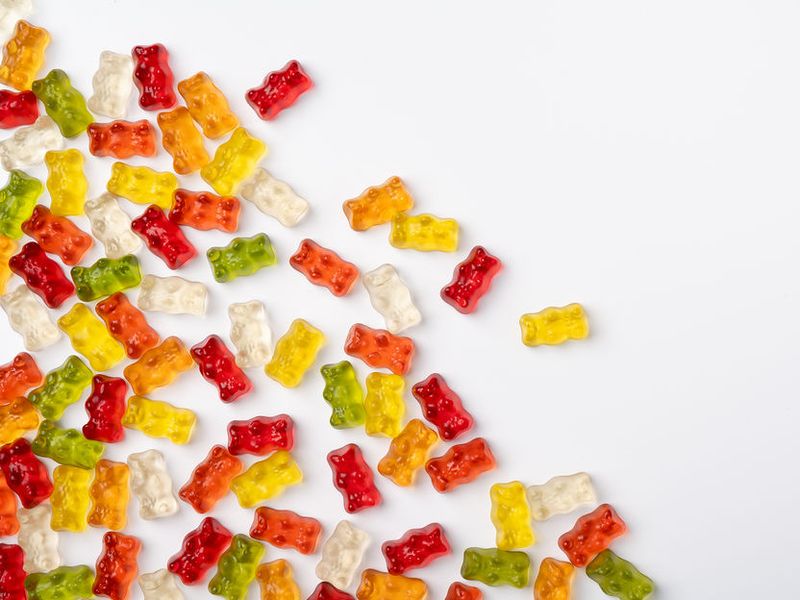
British Haribos often pack more sweetness than their German cousins, catering to a national sweet tooth that leans indulgent. Germany keeps sugar levels moderate, letting fruit flavours shine without the syrupy overload.
This isn't random. Market research drives these tweaks, with each country's version designed to match what locals expect from a proper gummy.
Southern European versions sometimes dial it up even further, creating an almost candy-floss intensity.
Bite into a bag from different countries back to back, and the sugar gradient becomes impossible to miss.
3. Fruit Flavours Adapted To Regional Preferences
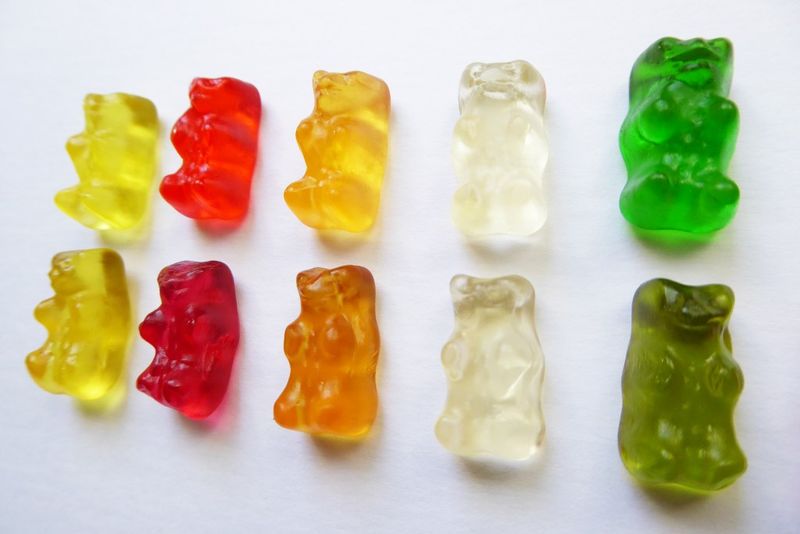
Green means apple in Germany but strawberry in some other markets, which trips up travellers expecting familiar tastes. UK packs often feature blackcurrant and elderberry, flavours that barely register elsewhere but feel essential to British palates.
Meanwhile, Mediterranean versions might lean heavier on citrus notes, with orange and lemon amped up to match regional fruit preferences. These aren't just colour swaps; the actual flavouring compounds change to hit the right nostalgic notes.
Cultural memory shapes what "cherry" or "raspberry" should taste like, and Haribo respects those differences.
4. Texture Differences Between European Versions
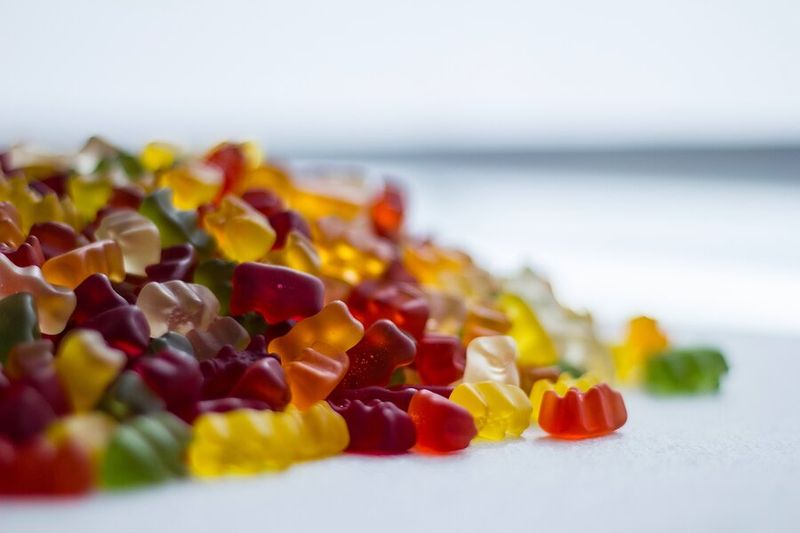
German gummies resist your teeth with proper bounce, thanks to specific gelatin types and glucose formulations. Cross into France or the Netherlands, and you might notice a softer chew that yields more quickly.
Temperature during manufacturing and gelatin sourcing both play roles here. Turkish halal versions use beef gelatin instead of pork, creating a slightly different mouthfeel that's firmer in some ways, springier in others.
Texture matters more than people realise. It affects how flavours release and how satisfying each chew feels, making it central to the Haribo experience.
5. Packaging And Portion Sizes Affect Perception
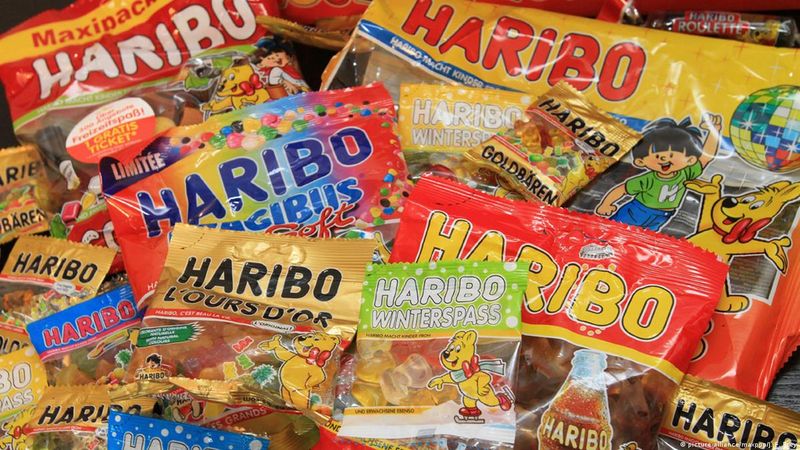
A 100-gram bag in Germany feels modest, but Spanish supermarkets stock 200-gram pouches as standard, shifting how often people reach for them. Smaller UK multipacks encourage sharing, while larger German bags suggest solo snacking sessions.
Packaging colour schemes vary too. Some countries use brighter graphics, others keep it classic with the retro Haribo gold and red.
These visual cues prime your brain before the first gummy hits your tongue.
Portion expectations shape satisfaction levels, making identical sweets feel more or less indulgent depending on the bag size you're used to.
6. Why Regulations Influence Taste And Colour
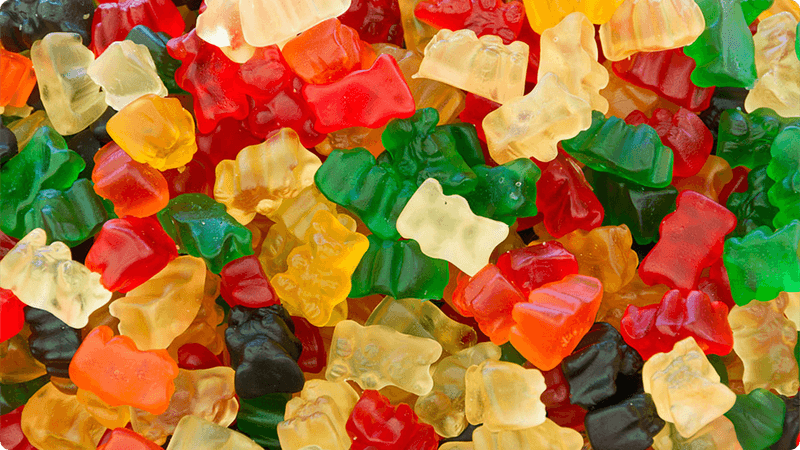
EU rules push Haribo toward natural colourings from spirulina, beetroot, and elderberry, yielding softer hues than the neon brights some other markets allow. This isn't just aesthetic; natural dyes interact differently with flavourings, subtly altering taste.
Certain synthetic additives banned in parts of Europe remain legal elsewhere, creating recipe forks at the regulatory level. Germany's strict food laws mean their home-market gummies often set the baseline for "natural."
Regulations force innovation, pushing Haribo's chemists to extract vibrant colours from vegetables and fruits without compromising that signature chew.
7. How Cultural Expectations Shape The Recipe
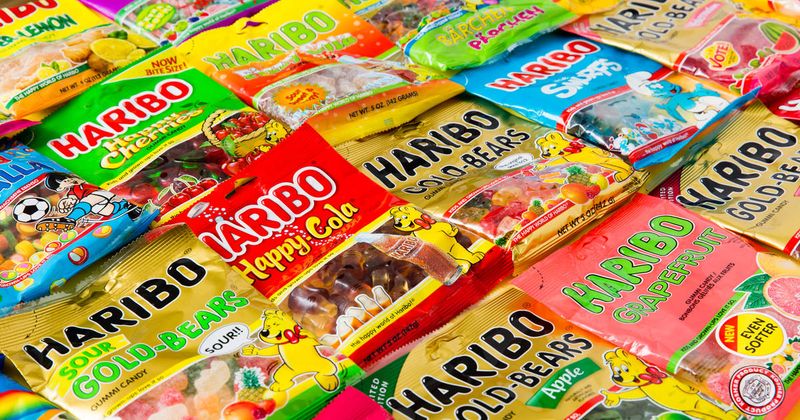
Scandinavians expect their sweets to lean tart and salty, so Nordic Haribo versions sometimes carry a subtle salinity that would baffle a French consumer. Southern Europeans want sunshine in a bag, with bold, sweet fruit punches that feel almost jammy.
Eastern European markets appreciate firmer textures and less cloying sweetness, reflecting broader dessert traditions. These aren't marketing gimmicks; they're genuine attempts to fit into each culture's confectionery landscape.
What counts as "too sweet" or "not sweet enough" varies wildly, and Haribo's recipe tweaks honour those unspoken rules.



