













Planning and preparing meals in advance can help streamline daily routines and improve household organisation. Freezer cooking involves preparing portions ahead of time and storing them safely for later use, which can support more consistent meal planning and reduce last minute food purchases.
This approach may also help limit food waste and improve portion control when used thoughtfully. Understanding how freezer cooking fits into everyday schedules offers practical insight for anyone looking to manage time and grocery spending more efficiently.
All information is provided for general information only. Taste, appearance, and availability may vary. Photos are for illustrative purposes only.
1. Planning Meals In Advance
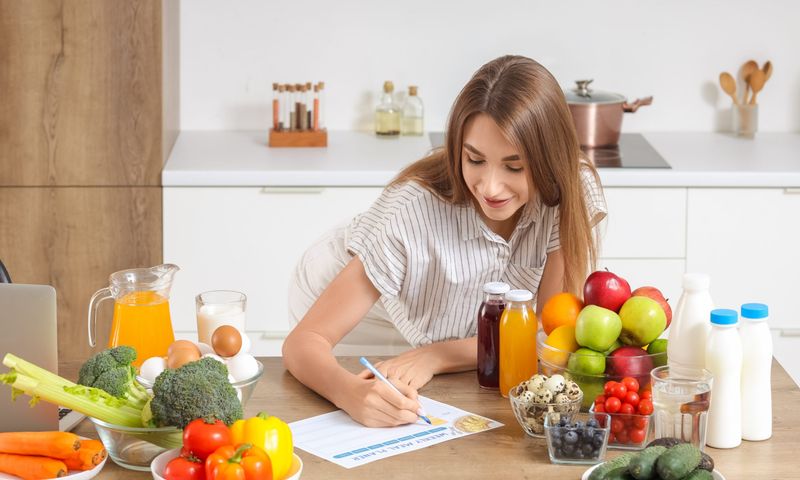
Mapping out your weekly menu before you even step foot in the kitchen transforms chaos into calm. When you know exactly what's going into the freezer, you skip the nightly panic of deciding what's for dinner.
This approach slashes decision fatigue and keeps you from impulse buys at the supermarket. You'll spend less time staring into the fridge hoping inspiration strikes.
Plus, having a solid plan means you can coordinate cooking sessions efficiently, prepping multiple dishes in one go rather than starting from scratch every evening.
2. Reducing Weekly Food Waste
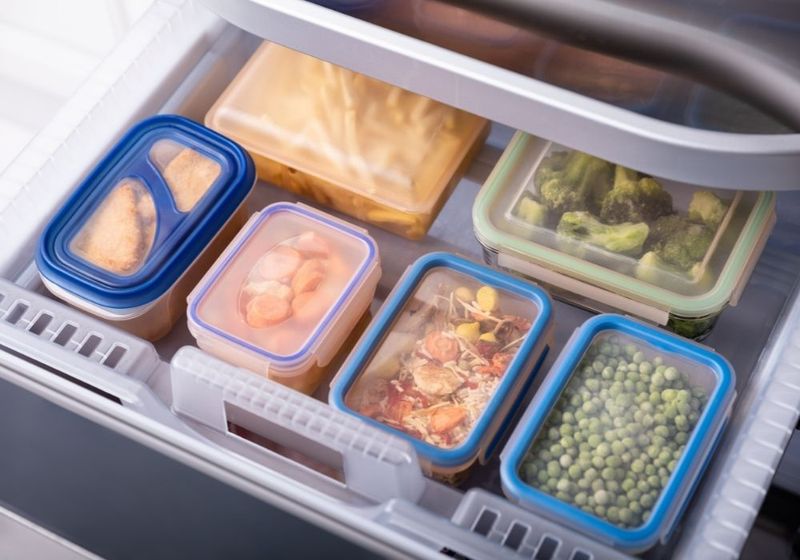
Did you know that freezing leftovers can rescue perfectly good food from the bin? When vegetables start looking a bit sad or you've cooked too much pasta, the freezer becomes your best mate.
Freezer cooking lets you preserve ingredients at their peak freshness, locking in flavours and nutrients before spoilage kicks in. You're essentially hitting pause on the ticking clock of decay.
This habit not only saves money but also makes your kitchen more sustainable, turning potential waste into future meals that taste just as brilliant as when you first made them.
3. Managing Grocery Budgets More Effectively
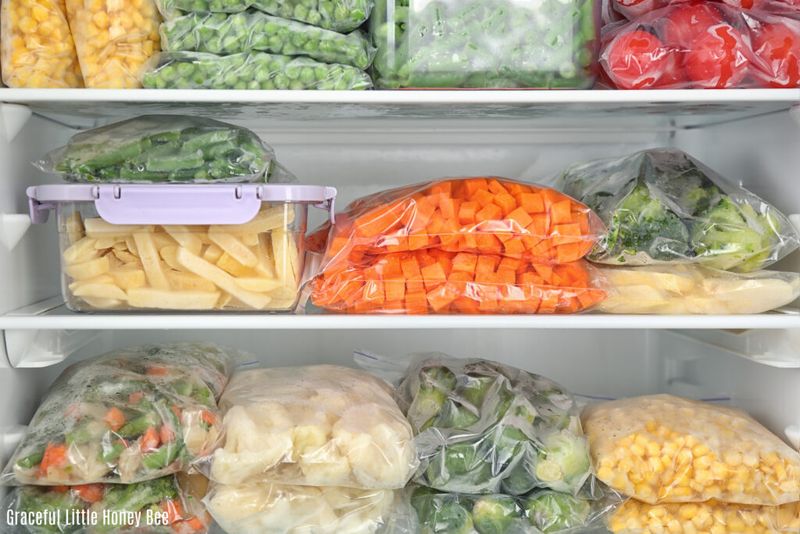
Buying in bulk when items are on sale is a savvy shopper's dream, and freezer cooking makes it possible. You can stock up on chicken, mince, or seasonal produce without worrying they'll spoil before you use them.
Lower unit prices mean your pound stretches further, and you're not paying premium prices for convenience foods or last-minute takeaways. Planning around sales flyers becomes a game you can actually win.
Over time, these savings add up significantly, leaving more cash for treats or rainy day funds whilst still eating well every single night.
4. Batch Cooking And Portion Control
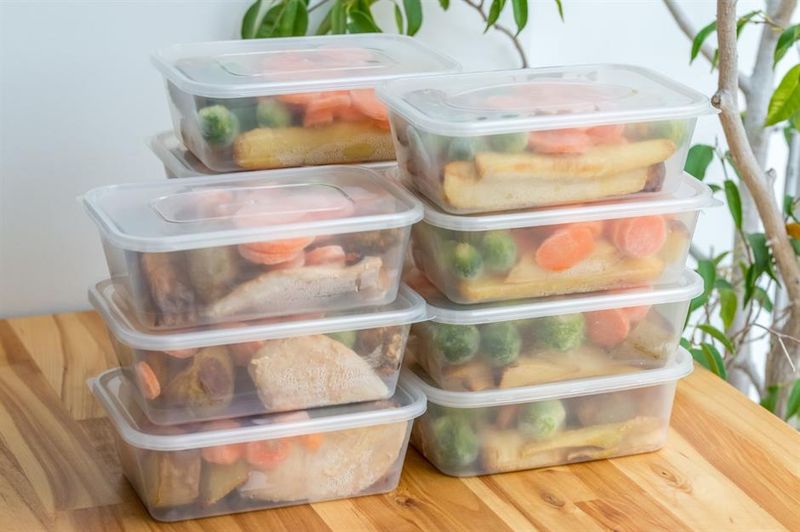
Cooking once and eating multiple times sounds almost too good to be true, but that's exactly what batch cooking delivers. Tripling a recipe takes barely more effort than making a single portion, yet yields meals for days.
Dividing everything into individual servings before freezing helps you avoid overeating and ensures everyone gets just the right amount. No more giant pots of leftovers languishing in the fridge.
This method also cuts down on cooking time throughout the week, freeing up evenings for hobbies, family time, or simply putting your feet up with a cuppa.
5. Choosing Freezer Friendly Ingredients
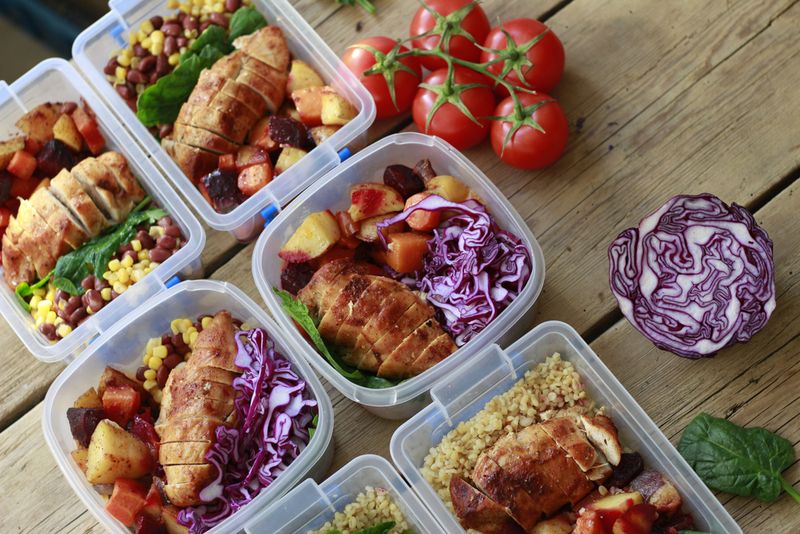
Not all foods handle the deep freeze equally well, and knowing which ones thrive makes all the difference. Soups, stews, casseroles, and cooked grains freeze beautifully, maintaining their texture and flavour after defrosting.
On the flip side, ingredients like lettuce, cream-based sauces, and raw potatoes tend to go mushy or separate when frozen. Steering clear of these ensures your meals come out tasting fresh and delicious.
Learning which ingredients work best takes a bit of trial and error, but once you've got it sorted, you'll be whipping up freezer-friendly feasts with confidence and ease.
6. Storage And Labelling Basics
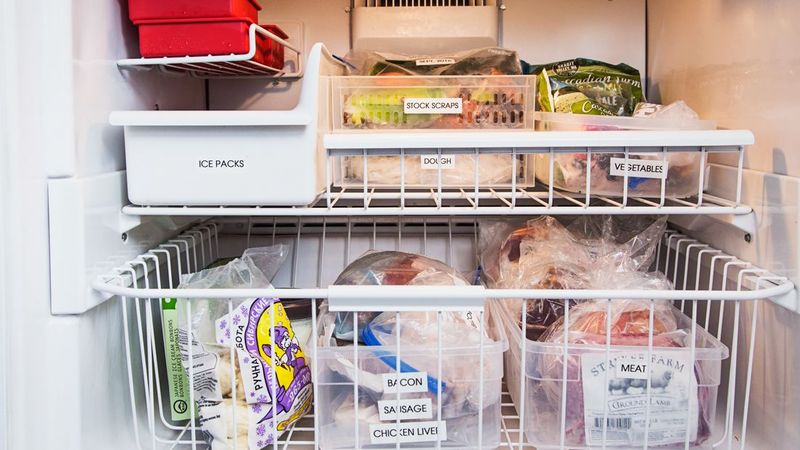
Ever pulled out a mystery container from the freezer, wondering if it's chilli or bolognese from three months ago? Proper labelling solves that puzzle instantly.
Writing the dish name and date on every container or bag keeps your freezer organised and helps you rotate meals so nothing gets forgotten. Masking tape and a permanent marker are your simple, budget-friendly tools here.
Good storage also means using airtight containers or freezer bags to prevent freezer burn, which can ruin textures and flavours. A little organisation upfront saves frustration and wasted food down the line.
7. Safe Freezing And Defrosting Practices
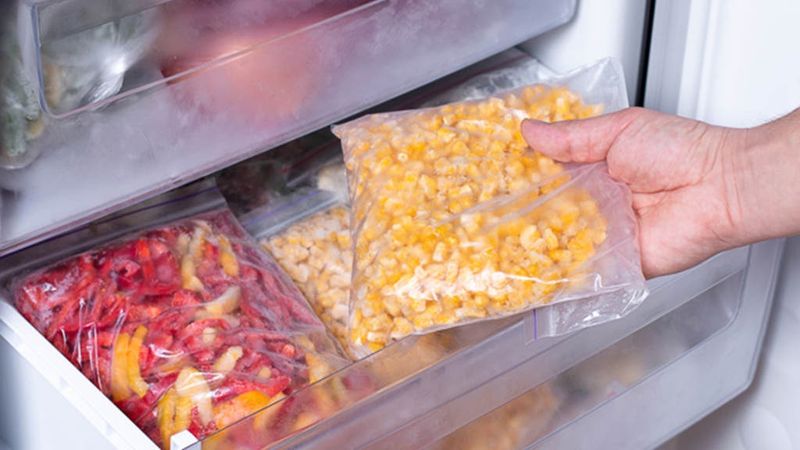
Food safety isn't the most thrilling topic, but getting it right keeps your family healthy and your meals tasty. Always cool cooked food quickly before freezing to prevent bacterial growth and maintain quality.
When it's time to eat, defrost meals in the fridge overnight rather than leaving them on the counter, which invites unwanted germs to the party. Microwaves work in a pinch for faster thawing too.
Following these simple guidelines ensures every meal you pull from the freezer is safe to eat and just as delicious as the day you made it, no worries required.
8. Building A Flexible Meal Rotation
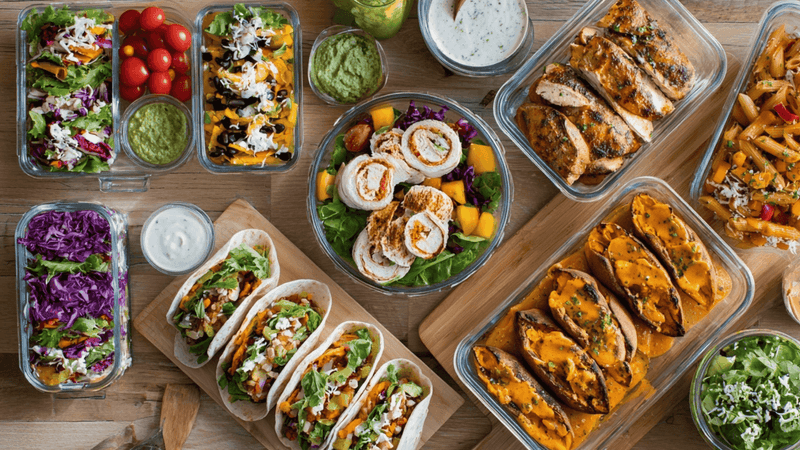
Stocking your freezer with a variety of meals means you're never stuck eating the same thing three nights running. A good rotation includes different proteins, cuisines, and cooking styles to keep dinnertime interesting.
Flexibility also means you can adapt to last-minute schedule changes without resorting to expensive takeaways or processed convenience foods. Fancy pasta tonight?
It's already waiting for you.
This rotating system keeps meals exciting and prevents boredom, making it easier to stick with freezer cooking long term whilst enjoying genuine variety and saving both time and money consistently.



