













A familiar crisp packet design or the return of a discontinued chocolate bar can spark memories faster than any advert. Food brands understand how powerful those associations can be, and many are deliberately reviving old logos, flavours, and slogans to reconnect with shoppers.
What looks like a simple throwback is often a carefully planned marketing strategy built around comfort, familiarity, and emotional recall. Across supermarket shelves, limited-edition retro ranges and vintage packaging are appearing more frequently.
By tapping into childhood favourites and shared cultural moments, companies aim to build trust and encourage repeat purchases in a crowded market.
All information is provided for general interest only and is based on publicly available reports and industry commentary. Marketing strategies and brand decisions may change over time.
Individual responses to nostalgic products may vary. Photos are for illustrative purposes only.
The Return Of Retro Packaging Designs
Walkers isn't just selling crisps anymore; they're selling memories wrapped in foil. Brands are dusting off their old packaging designs and giving them a second life, knowing full well that a familiar packet can trigger instant recognition and emotional connection.
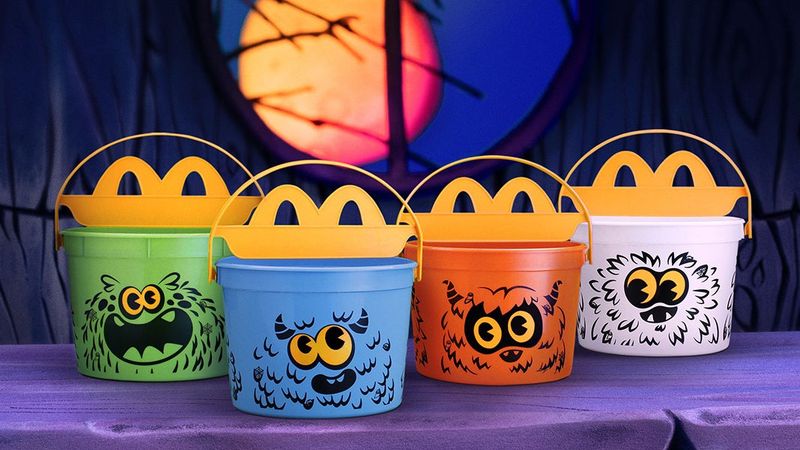
McDonald's brought back those iconic Halloween Happy Meal buckets from the 80s, and shoppers went absolutely mental for them. It's not just about looking old-fashioned; it's about recreating that exact moment when you first grabbed that packet off the shelf as a kid.
The psychology is brilliant, really. Familiar designs cut through the noise of modern supermarkets, acting like visual comfort food that makes choosing easier and shopping more enjoyable.
Bringing Back Discontinued Fan Favourites
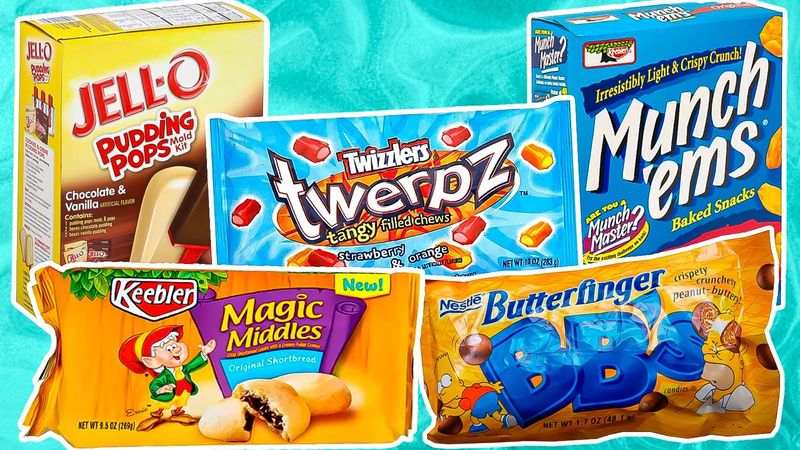
There's something magical about getting a second chance with something you thought was gone forever. Food brands have cottoned on to the fact that discontinued products have cult followings, and bringing them back creates instant buzz and media coverage without spending a fortune on advertising.
Cadbury relaunched the Top Deck bar with vintage-inspired packaging for their 200th anniversary, tapping into decades of fond memories. Social media goes wild when these announcements drop, with people tagging mates and sharing stories about why these products mattered.
It's low-risk marketing gold; the demand is already proven, and the nostalgia factor guarantees attention.
Limited Edition Throwback Flavours
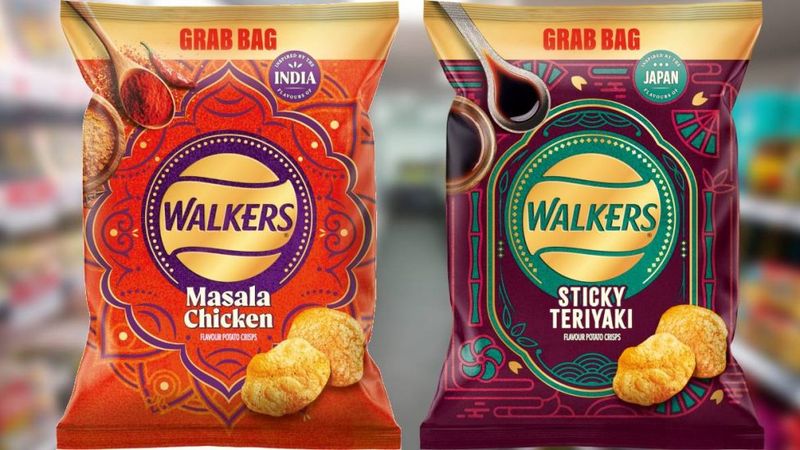
Walkers dropped Masala Chicken and Sticky Teriyaki as their first permanent new flavours in twenty years, cleverly blending childhood brand loyalty with grown-up tastes. Limited edition releases create urgency; you've got to try them before they vanish, which drives immediate sales and social media chatter.
Taco Bell's Decades Menu brought back items from different eras of the brand's history, turning the menu into a time machine. Each flavour tells a story, connecting with specific age groups who remember when these tastes first appeared.
The genius lies in making nostalgia feel fresh and exciting rather than simply reheated leftovers from the past.
Recreating Childhood Advertising Campaigns
Chili's knew exactly what they were doing when they brought Boyz II Men in to re-record that "baby back ribs" jingle. Suddenly, everyone who grew up hearing it was humming along again, sharing the advert online, and craving ribs they hadn't thought about in years.
These campaigns work because they're instantly recognizable. Your brain doesn't need convincing; it already associates those jingles and slogans with positive feelings and specific tastes.
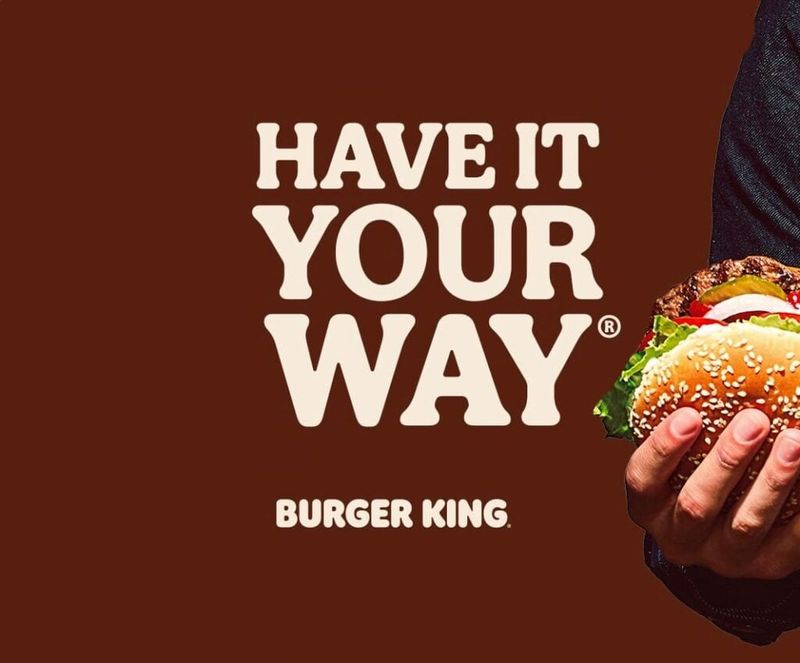
Burger King revived "Have It Your Way" in 2024, proving that sometimes the old slogans still hit different. It's like bumping into an old friend who reminds you why you liked them in the first place.
Tapping Into School Lunch Memories
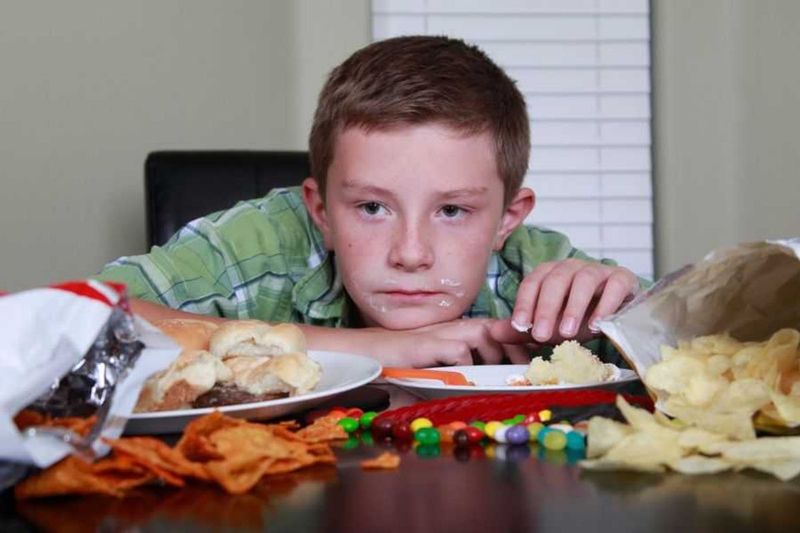
Remember swapping crisps at breaktime or the pure joy of finding a chocolate bar in your packed lunch? Brands are mining these specific memories because school food experiences are universal and deeply emotional for most people.
The lunchbox moment represents care, routine, and simpler times when your biggest worry was whether you'd get the good sandwich or the dodgy one. Marketing campaigns that reference these moments create instant connection across entire generations who shared similar experiences.
It's powerful stuff because it's not just about the food itself; it's about feeling looked after and the comfort of predictable routines during formative years.
Reviving Old Logos And Brand Mascots
Brand mascots are like old mates who disappeared for a bit and suddenly show up at your door. When they return, there's genuine excitement because these characters were part of your childhood landscape, appearing on telly and cereal boxes every morning.
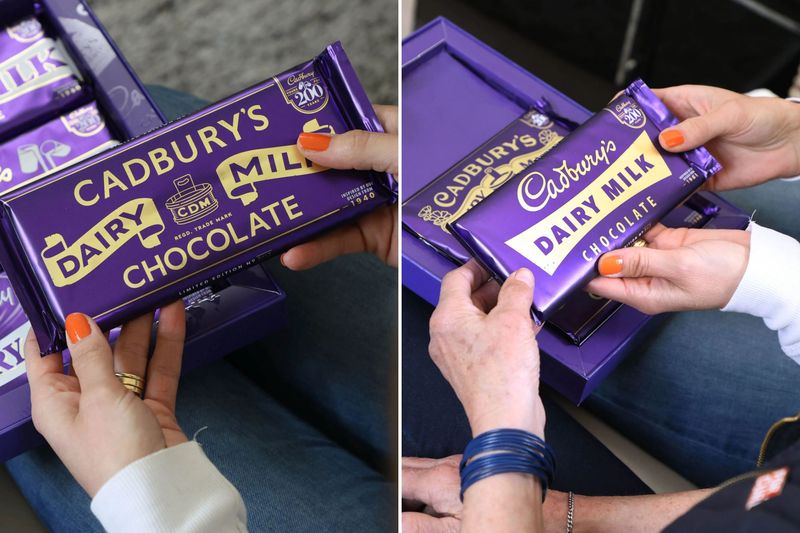
Cadbury brought back classic Dairy Milk packaging designs for their anniversary, reminding everyone of the original purple wrapper they grew up with. These visual elements work as shortcuts to positive memories, bypassing rational decision-making and heading straight for the emotional response.
The familiarity creates trust instantly. Your brain recognizes the logo or mascot and assumes the product is still as good as you remember, even if decades have passed.
Collaborations Inspired By Iconic Decades
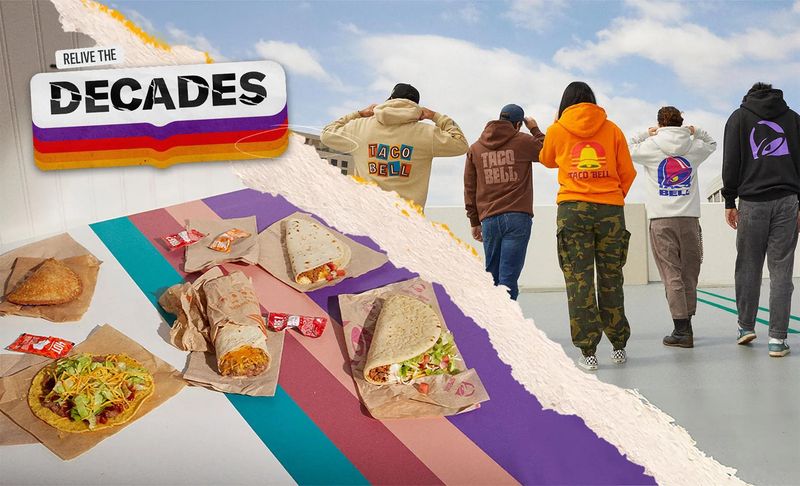
Taco Bell's Decades Menu came with retro merchandise like hoodies and stainless steel cups, turning a meal into a full-blown nostalgia experience. These collaborations work because they create collectible moments rather than just transactions, giving customers something tangible to remember and share.
Kraft's "Mac Friday Box" priced at £19.37 (nodding to their founding year) sold out instantly during Black Friday 2025. The combination of heritage storytelling, clever pricing, and limited availability created perfect storm conditions for viral success.
These partnerships feel like celebrations rather than sales pitches, inviting customers to join the party and be part of something bigger than just buying dinner.



