













Sweets have a way of slipping into daily life without much thought, turning small treats into familiar habits over time. While a chocolate bar or sugary snack can feel harmless in the moment, the long-term effects often build quietly in the background.
Energy levels, mood, and overall health can all be shaped by how often these foods appear. Curious about what really happens when sweetness becomes a regular companion?
All information is provided for general interest only and should not be treated as medical advice. Individual responses to sugar vary, and dietary needs differ from person to person. For personalised guidance, consult a qualified healthcare professional.
1. Sugar And Energy Levels

Sugar is known for providing a quick source of fuel, which is why sweets can feel tempting during busy days. Because it’s absorbed relatively fast, energy levels can rise and fall more noticeably than with slower-digesting foods.
Some people notice a brief lift in alertness, followed by a dip later on. That shift often encourages reaching for another sweet snack.
Over time, this pattern can make energy feel less predictable.
2. Long-Term Effects On Teeth

Bacteria living in your mouth absolutely love sugar. When you eat sweets, these tiny organisms feast on the sugar and produce acid as waste.
This acid attacks your tooth enamel, the hard protective coating on your teeth. Over months and years, repeated acid attacks create holes called cavities.
Once enamel damage occurs, it's permanent and requires fillings or other dental work to repair.
3. Weight Gain Over Time

Sweets tend to be easy to eat without feeling especially filling. When they appear often in the diet, it’s easier to consume more energy than the body needs.
Extra calories don’t always register straight away, especially when portions feel small. Changes often happen gradually rather than overnight.
This slow build-up is why weight changes can sneak up unnoticed.
4. Blood Sugar Fluctuations

Your body constantly works to keep blood sugar levels within a healthy range. Sugary foods can cause sharper rises and falls compared to meals that include fibre or protein.
Repeated swings may make blood sugar harder to manage over time. Some people notice this as dips in energy or focus between meals.
Balanced eating helps smooth out these changes.
5. Impact On Heart Health

High-sugar diets are often discussed in relation to overall heart health. Excess sugar intake can be linked with changes in blood fats and overall dietary balance.
These patterns matter more over time than in occasional treats. Heart health is influenced by many factors working together.
Moderation plays an important role in keeping things on track.
6. Effects On Gut Health

Your gut is home to a complex mix of bacteria that responds to what you eat. Diets high in sugary foods can shift this balance over time.
Some people notice digestive discomfort when sweets become a regular habit. Fibre-rich foods tend to support a more stable gut environment.
Variety in the diet helps keep digestion feeling settled.
7. Links To Mood And Focus

What you eat can influence how you feel throughout the day. Large swings in blood sugar may affect concentration and mental sharpness for some people.
Mood can also feel less steady when energy levels rise and fall quickly. This doesn’t happen the same way for everyone.
Consistent meals often support more even focus.
8. Habit Formation And Cravings
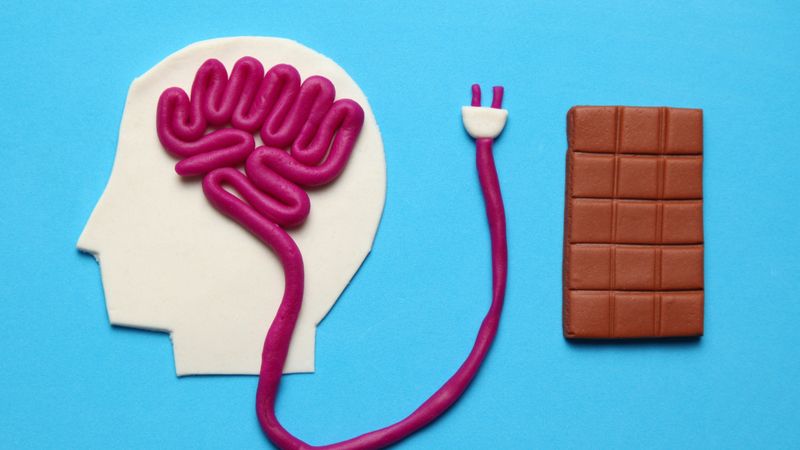
Sugar activates reward centres in your brain, releasing feel-good chemicals like dopamine. This creates a powerful cycle where your brain starts craving more sugar to experience that pleasure again.
The more sweets you eat, the stronger these cravings become, making it genuinely difficult to cut back. Your brain essentially gets hooked on the sugar rush.
Breaking this cycle requires gradual reduction and patience.
9. How Frequency Matters More Than Quantity

Surprisingly, eating sweets constantly throughout the day causes more harm than enjoying a larger portion once. Each time you consume sugar, your teeth face acid attacks and your blood sugar spikes.
Frequent snacking means your body never gets a break from processing sugar. Your teeth remain under constant assault, and your pancreas works overtime all day long.
Limiting sweet treats to mealtimes reduces overall health impact significantly.



