













Most of us have grabbed a banana on the way out the door without giving it much thought. It sits in gym bags, lunchboxes and fruit bowls like the dependable extra in a sitcom cast - always there, rarely dramatic.
But behind that simple yellow peel is a mix of nutrients that quietly support heart health. Bananas are packed with potassium and contain fibre and other compounds that help the body manage fluid balance and support normal blood pressure levels.
It’s not about turning fruit into a miracle cure. It’s about understanding why this everyday snack has earned its healthy reputation - and what actually happens in your body when you eat one regularly.
All information is provided for general interest only and is not medical advice. If you have high blood pressure or other health concerns, consult a qualified healthcare professional.
1. Potassium And Sodium Balance
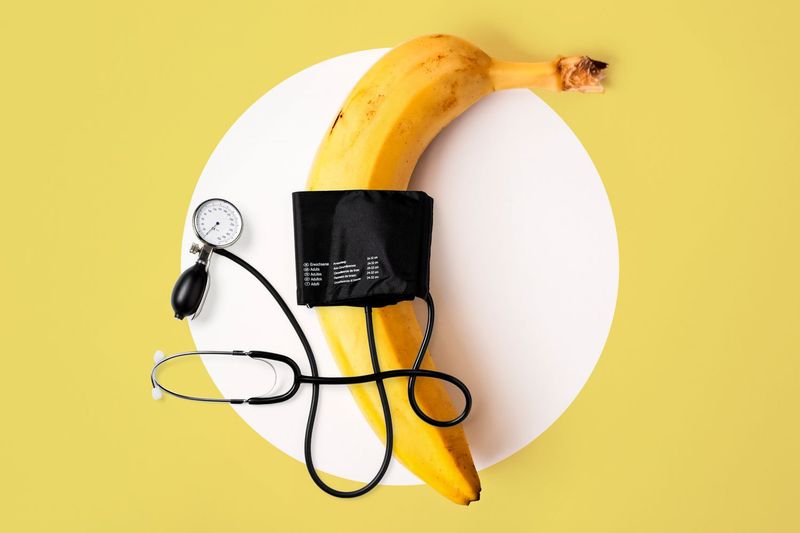
Your body needs a careful balance between potassium and sodium to keep blood pressure steady. Bananas deliver around 400 milligrams of potassium per fruit, which helps your kidneys flush out extra sodium through urine.
When sodium levels drop, blood vessel walls can relax more easily. This relaxation reduces the force your heart needs to pump blood around your body.
Eating one or two bananas daily gives your system the potassium boost it craves without any complicated meal prep.
2. Dietary Fibre Support

Each banana contains about three grams of fibre, which plays a surprisingly important role in cardiovascular health. Soluble fibre binds to cholesterol particles in your digestive tract, preventing them from entering your bloodstream.
Lower cholesterol means cleaner arteries and smoother blood flow. Your heart doesn't have to work overtime pushing blood through narrowed passages.
Plus, fibre helps you feel fuller longer, making it easier to maintain a healthy weight, which also supports normal blood pressure readings.
3. Magnesium For Vascular Function
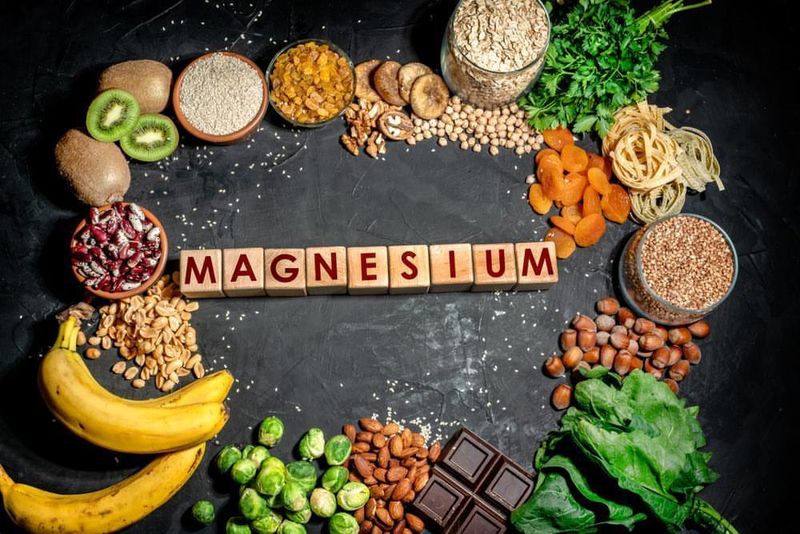
Magnesium acts like a natural relaxation agent for your blood vessels. Bananas provide roughly 32 milligrams of this essential mineral, helping vessel walls stay flexible and responsive.
When blood vessels can expand and contract smoothly, your circulation improves dramatically. Stiff, rigid vessels force your heart to pump harder, raising pressure readings over time.
Magnesium also helps regulate your heartbeat rhythm, keeping everything ticking along at the right pace without unnecessary strain or irregularities.
4. Antioxidants For Vessel Health
Not many people associate bananas with antioxidants, yet they contain compounds such as dopamine and catechins that help protect blood vessels. Everyday processes in the body can create oxidative stress, which may affect how flexible those vessels remain.
These antioxidants help counter that process, supporting healthier vessel function over time. It is a quieter benefit, but one that adds to the overall heart-friendly profile of this simple fruit.
5. Low Sodium Heart-Friendly Choice

With so many everyday snacks loaded with salt, choosing something naturally low in sodium can make a difference. A banana contains only a trace amount, which helps keep overall intake in check.
Swapping out heavily salted options for fruit is one of the easier changes to stick with. It feels less like a strict rule and more like a small, sensible habit that supports steady blood pressure levels.
6. Supports Fluid And Muscle Function
Keeping fluid levels balanced is essential for maintaining healthy circulation. Potassium helps the kidneys regulate how much fluid stays in the body and how much is released.
That same mineral also plays a role in helping muscles contract properly, including the heart. When those contractions are efficient and steady, the cardiovascular system runs more smoothly.



