













Holy Carrot is heading east. This March, the plant-focused favourite opens its second restaurant in Spitalfields Market, bringing a fresh energy to one of London’s busiest food hubs.
While the Notting Hill original built a loyal following with purely plant-based cooking, the new site introduces egg and dairy alongside its vegetable-led dishes, marking a careful expansion rather than a full reinvention.
The Spitalfields opening promises new pizzette from a dedicated oven, a fermentation vault designed to support low-waste cooking, and a more relaxed bistro-style atmosphere shaped by Studio Toogood. It signals a broader, more inclusive chapter for the brand – one that keeps vegetables at the centre while widening the menu and the experience.
All information is provided for general interest and entertainment purposes only. Opening dates, menus, suppliers and design details may change. Photos are for illustrative purposes only.
A Broader Menu With Vegetarian Additions And A Zero Waste Focus
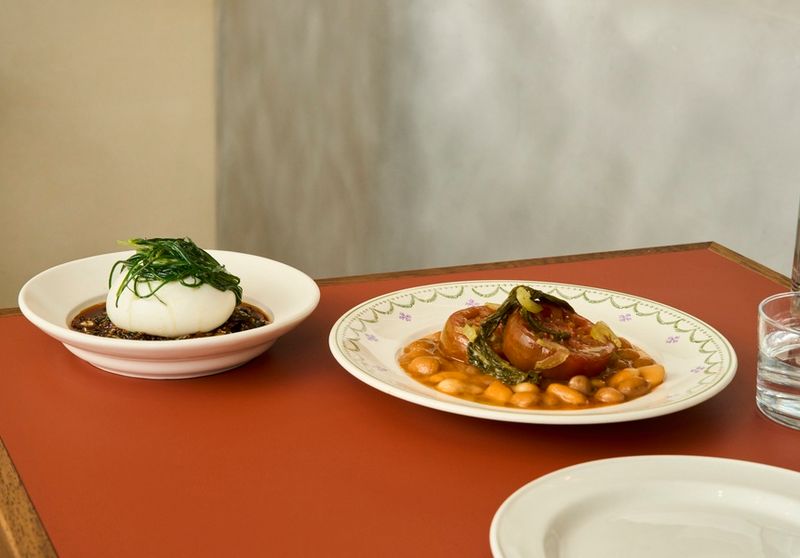
The Spitalfields opening marks a clear evolution for Holy Carrot, moving beyond a strictly plant-based offering to include egg and dairy alongside its vegetable-led dishes.
Executive chef Daniel Watkins describes the shift as an expansion rather than a departure, keeping vegetables firmly at the centre while welcoming a wider range of diners to the table.
New additions such as miso-marmite pizzette topped with grated pecorino reflect that broader approach, while filled koji flatbreads, masala borlotti beans and fire-grilled leeks showcase the kitchen’s flavour-first mindset.
A dedicated fermentation room also pushes the restaurant closer to its zero-waste ambitions, transforming by-products like focaccia trimmings and vegetable peels into miso, pickles and even cocktail ingredients.
Studio Toogood Design And Fire Led Cooking Define The Spitalfields Bistro
Holy Carrot’s second site introduces a more relaxed, bistro-style setting shaped by Studio Toogood’s distinctive design language.
The interior nods to Spitalfields Market’s long history through functional materials such as white tiles, metals and concrete, softened by antique pieces and custom-made furniture.
A handpainted mural of oversized vegetables and sculptural details in textured aluminium echo the restaurant’s produce-focused identity. In the kitchen, fire and fermentation remain central, with dishes cooked over a custom grill and ingredients sourced from regenerative producers.
The result is a space that feels like a sibling to the Notting Hill original – recognisably Holy Carrot, yet confidently its own.



