













Kiwi is a commonly available fruit that provides a mix of vitamins, fibre, and naturally occurring compounds when eaten regularly. Including it as part of a balanced diet can contribute to everyday nutrition without requiring major changes to eating habits.
While individual responses vary, understanding how kiwi fits into routine meals can help explain why it is often recommended as a practical fruit choice.
This content is provided for general information only. Individual dietary needs, health responses, and taste preferences may vary.
For personalised nutritional or health advice, consult a qualified healthcare or nutrition professional. Images are for illustrative purposes only.
1. Supports Vitamin C Intake
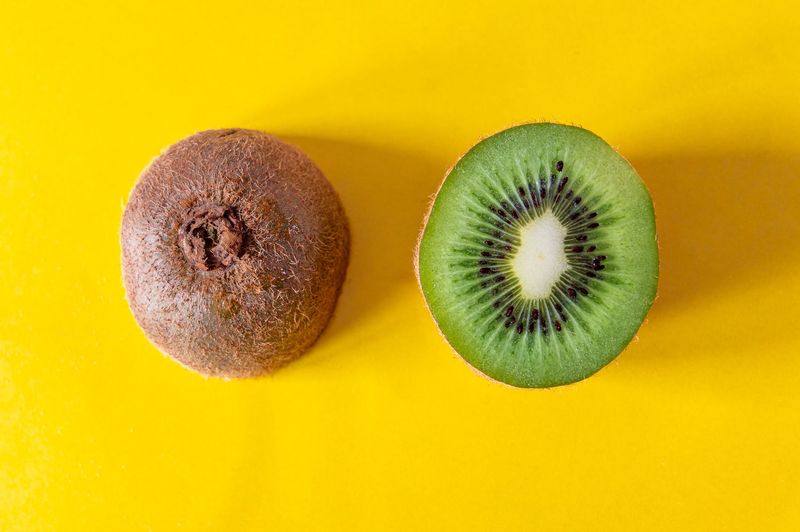
A single kiwi delivers more vitamin C than an orange, which sounds almost too good to be true until you check the numbers yourself. This matters because your body can't store this vitamin, so you need a steady supply to keep things ticking along nicely.
That daily dose helps your cells repair themselves, keeps your skin looking fresh, and supports the production of collagen. Chuck a kiwi in your lunchbox and you've sorted a massive chunk of your daily vitamin C needs without even trying.
2. Contributes To Digestive Function

Kiwi contains an enzyme called actinidin that basically acts like a tiny helper in your stomach, breaking down proteins from your meals more efficiently. If you've ever felt a bit sluggish after a big dinner, this enzyme can make the whole digestion process feel less like hard work.
The fruit's natural compounds work alongside your digestive system rather than against it. Regular kiwi eaters often notice their stomachs feel more settled, especially after heavier meals with meat or fish.
3. Provides Dietary Fibre

Fibre doesn't get the glamorous headlines, but it's absolutely essential for keeping your insides running smoothly. One medium kiwi gives you a decent whack of both soluble and insoluble fibre, which sounds technical but really just means it helps everything move through your system at the right pace.
Unlike some fibre sources that taste like cardboard, kiwi actually tastes brilliant while doing the job. That combination of sweet flavour and functional benefit makes it dead easy to hit your daily fibre targets.
4. Supports Normal Immune Function

Your immune system needs constant fuel to function properly, and kiwi delivers exactly the sort of nutrients it craves. The combination of vitamin C, antioxidants, and other bioactive compounds creates a proper defensive team inside your body.
Think of it as giving your immune cells a daily pep talk. Regular consumption means your body's better equipped to handle whatever bugs are floating around at work or on the bus.
It won't make you invincible, but it certainly helps stack the odds in your favour during cold season.
5. Contributes To Potassium Intake

Everyone bangs on about bananas for potassium, but kiwi quietly holds its own in this department without making a fuss. Potassium helps regulate fluid balance, supports nerve signals, and keeps your heart rhythm steady, which are all rather important jobs.
Most people don't get enough potassium in their daily diet, so adding kiwi provides a tasty insurance policy. The fruit's potassium content works alongside other minerals to maintain proper blood pressure levels and support cardiovascular function throughout the day.
6. Provides Antioxidant Compounds

Antioxidants sound like something from a science lab, but they're basically your body's cleanup crew, dealing with cellular damage before it becomes a problem. Kiwi contains various types including vitamin C, vitamin E, and polyphenols that work together like a well-coordinated team.
These compounds help neutralize free radicals, which are unstable molecules that can cause oxidative stress in your cells. Eating kiwi regularly means you're constantly topping up your antioxidant reserves, giving your body better tools to maintain itself properly over time.
7. Contributes To Hydration Through Water Content

Kiwi is roughly 83% water, which means every time you eat one, you're simultaneously snacking and hydrating. While it obviously can't replace actual water drinking, it contributes meaningfully to your daily fluid intake in a far more interesting way than plain water.
That high water content also gives kiwi its lovely juicy texture and helps you feel satisfied without loading up on calories. During warmer months especially, kiwi serves as a refreshing way to top up hydration levels while getting nutrients at the same time.
8. Provides Folate For Everyday Nutrition
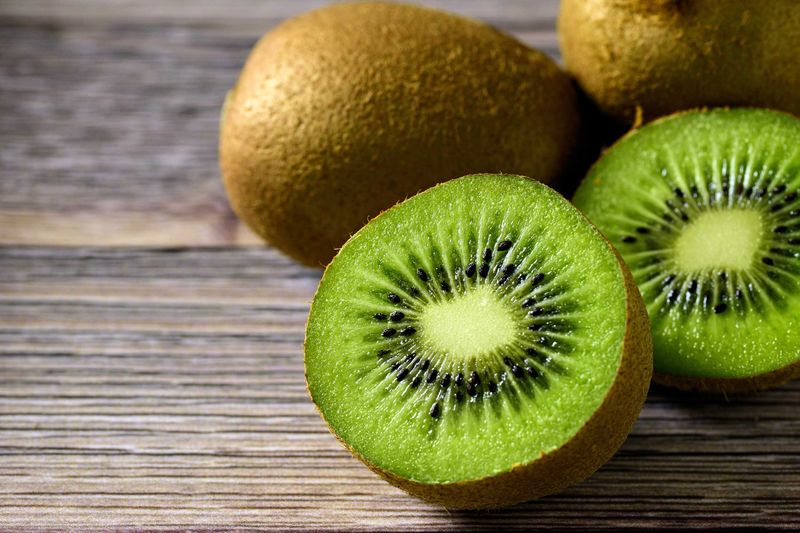
Folate often gets mentioned in pregnancy contexts, but everyone needs this B vitamin for proper cell division and DNA synthesis regardless of whether they're expecting. Kiwi provides a decent amount of folate that supports these fundamental processes happening constantly in your body.
This nutrient helps produce red blood cells and supports overall cellular health in ways you don't consciously notice but definitely benefit from. Adding kiwi to your daily routine means you're covering another nutritional base without needing supplements or complicated meal planning.
9. Fits Easily Into Balanced Eating Patterns

The beauty of kiwi lies partly in how effortlessly it slots into literally any eating style or dietary preference. Whether you're vegetarian, vegan, following a low-calorie plan, or just trying to eat more fruit, kiwi works without requiring special preparation or complicated recipes.
You can eat it plain, toss it in smoothies, slice it onto porridge, or add it to fruit salads without thinking twice. That versatility means you're far more likely to actually eat it consistently rather than letting it languish in the fruit bowl.



