













Sitting down for a Greek meal can feel slightly unfamiliar at first, especially if you are used to a more structured approach to dining. Things arrive in a different order, plates are shared, and the pace follows its own rhythm.
These customs are part of a wider food culture that values connection just as much as the meal itself. What might seem unusual at first often makes more sense once you experience it in the moment.
A few of these habits might raise an eyebrow initially, but they quickly start to feel surprisingly natural once the table begins to fill.
Cultural dining practices can vary across regions and households. This content reflects general observations and may not represent every experience.
1. Sharing Is Expected At The Table
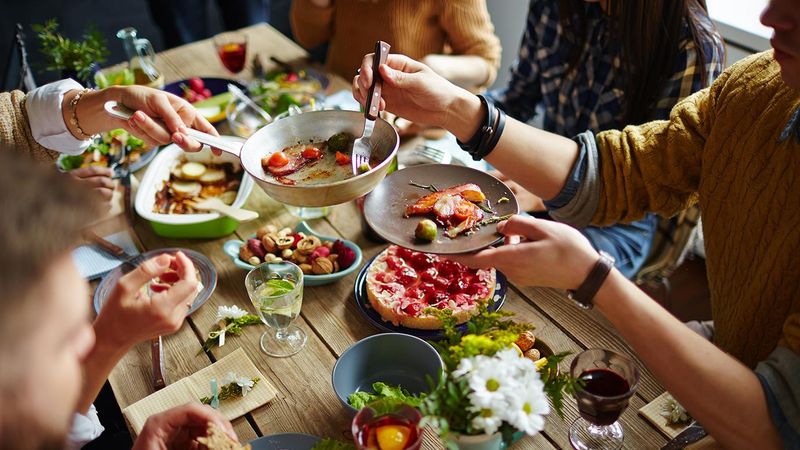
In many Greek restaurants, sharing is a big part of the fun, especially when you are out with family or friends. People often order a few different dishes and place them in the middle so everyone can try a bit of everything.
It turns the meal into a mini tasting session without making it feel formal. If you are used to sticking to your own plate, it can feel different at first, but it quickly becomes the best part.
You end up trying things you might not have chosen on your own.
2. Meals Are Meant To Be Slow And Social

Greek meals often have a relaxed pace, particularly in the evenings and at weekends. Food arrives in a way that encourages talking, sharing, and taking your time rather than racing through courses.
It is less about finishing quickly and more about enjoying the whole moment, especially when the table is full. For Britons used to faster dining, it can feel unfamiliar at first, then suddenly it feels like a treat.
Once you settle in, the meal almost becomes the night’s main event.
3. Bread Is Served With Almost Everything

Bread shows up a lot in Greek dining, and it is usually there to help you make the most of the meal. It is commonly served alongside dips, salads, and saucy dishes, so nothing gets left behind on the plate.
Many people use it to scoop, dab, and mop up every last bit, and nobody thinks twice about it. If you are wondering why it keeps appearing, it is because it genuinely fits with so many dishes.
Once you get used to it, you start missing it when it is not there.
4. Olive Oil Is Used Generously
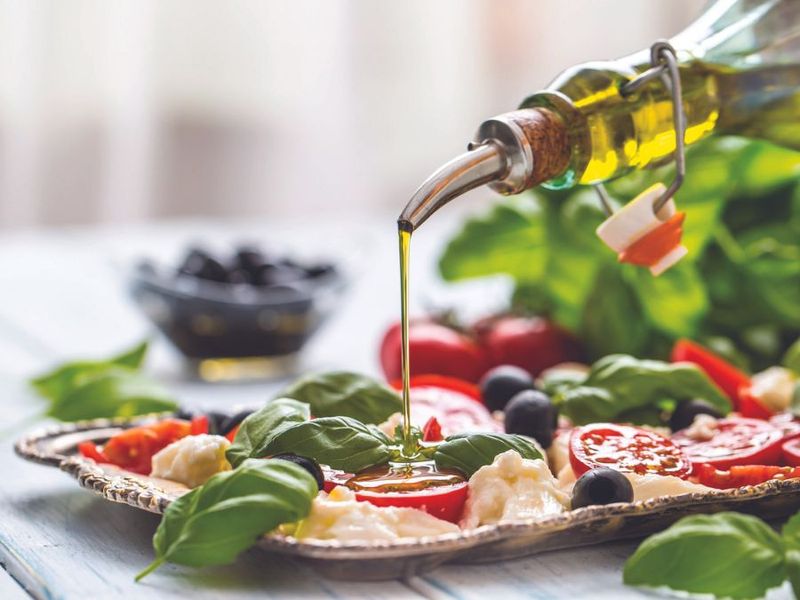
Olive oil is a real staple in Greek cooking, and it is often used with a generous hand on salads, vegetables, and breads. Good olive oil is something many people take pride in, especially when it comes from a particular region or family connection.
In restaurants, you will often find it used as part of the flavour rather than just a finishing touch. If you are used to using oil more sparingly, the amount can be a surprise at first.
Then you taste it properly and it all makes sense.
5. Salads Often Come Without Lettuce
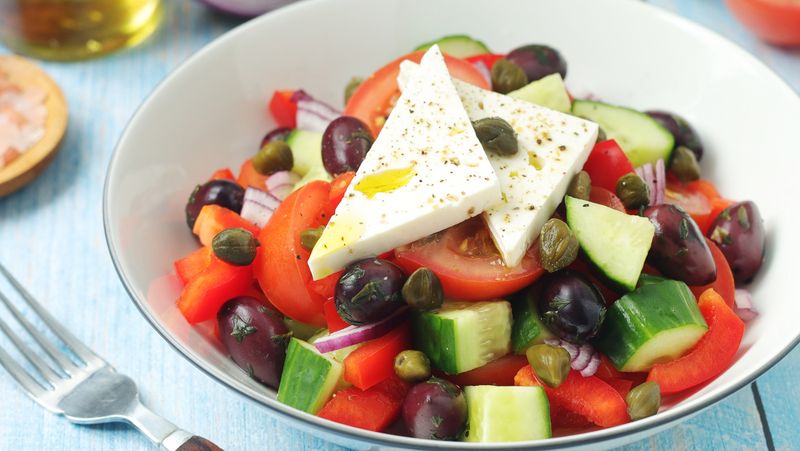
Order a Greek salad and you won't find any lettuce leaves. Instead, you'll get chunky tomatoes, cucumbers, onions, peppers, olives, and a slab of feta cheese on top.
This approach focuses on robust vegetables that hold up well in the Mediterranean heat. The ingredients are cut into large pieces, never finely chopped.
British diners expecting leafy greens might be taken aback, but the bold flavours and satisfying textures of a proper Greek salad make lettuce seem rather unnecessary once you've tried the real thing.
6. Grilled Meats Are Served Simply
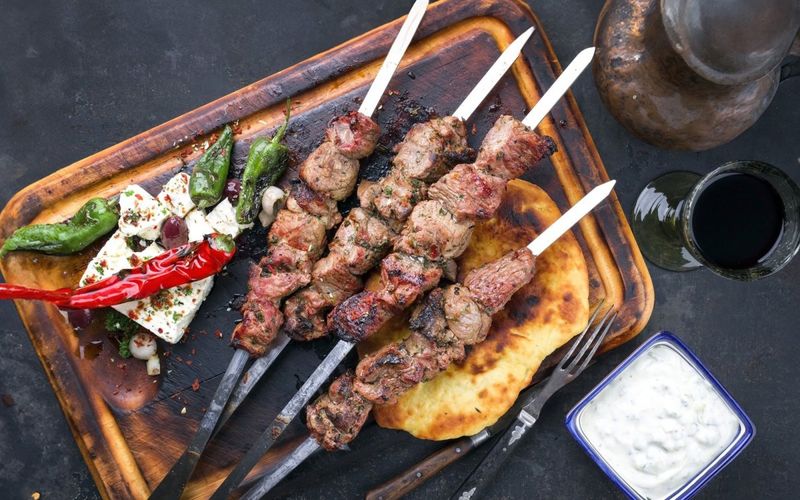
A lot of Greek grilled meats lean towards simple seasoning, letting the main flavours do the heavy lifting. You will often see classics like oregano, lemon, garlic, salt, and pepper doing most of the work rather than heavy sauces.
That approach keeps things fresh and lets the char and smokiness stand out. If you are used to rich gravies or lots of extras, it might seem plain at first glance.
One bite in, the simplicity starts to feel like the whole point.
7. Desserts Are Often Syrup-Based
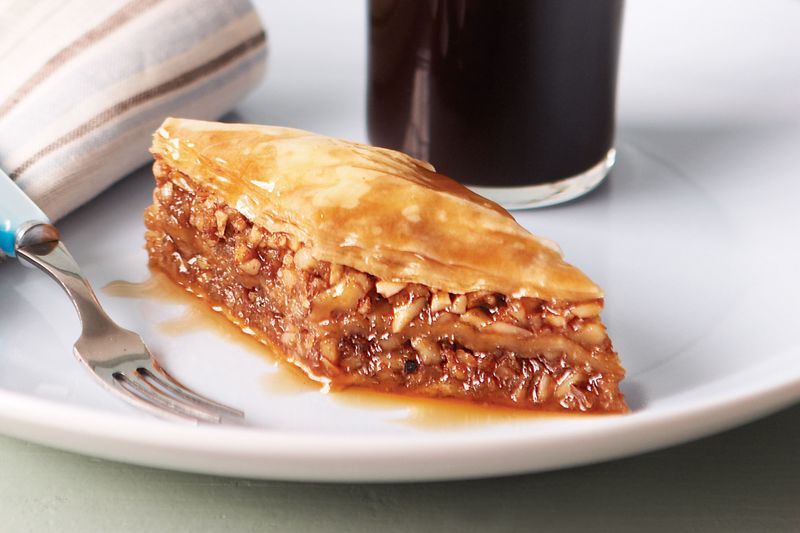
Greek sweets like baklava, galaktoboureko, and loukoumades are absolutely drenched in honey or sugar syrup. They're unapologetically sticky and intensely sweet.
These desserts aren't meant to be subtle—they're celebratory treats that embrace boldness. The syrup soaks through every layer, creating an indulgent experience.
British dessert lovers used to cakes, puddings, and biscuits might find the sweetness overwhelming initially. But these syrup-soaked delights offer a completely different kind of pleasure that's worth experiencing, especially when paired with strong Greek coffee.
8. Coffee Is Sipped Slowly Over Time

Greek coffee culture often leans towards lingering, especially when people are catching up with friends or watching the world go by. Drinks are treated as part of the social time, not something to finish as quickly as possible.
Traditional Greek coffee is served in small cups, strong and meant for slow sipping rather than gulping. If you are used to grabbing a quick cuppa, the slower rhythm can feel unusual at first.
Then it starts to feel like a tiny holiday in the middle of the day.



