













Morning routines can say a lot about a culture, especially when food is involved. German breakfasts often feel calm, orderly, and surprisingly hearty compared with the quick toast or cereal many Britons grow up with.
Plates can feature cold cuts, cheeses, fresh bread rolls, and even vegetables long before lunchtime arrives. The experience tends to feel more like a relaxed meal than a rushed start to the day.
Many visitors quickly realise breakfast in Germany carries a sense of tradition and care that can be both charming and unexpected.
Cultural food traditions vary widely across regions and households. Availability of ingredients, preparation styles, and serving customs may differ depending on location and personal preference. Information is provided for general interest and cultural awareness.
1. Eating Cold Meats And Cheeses For Breakfast
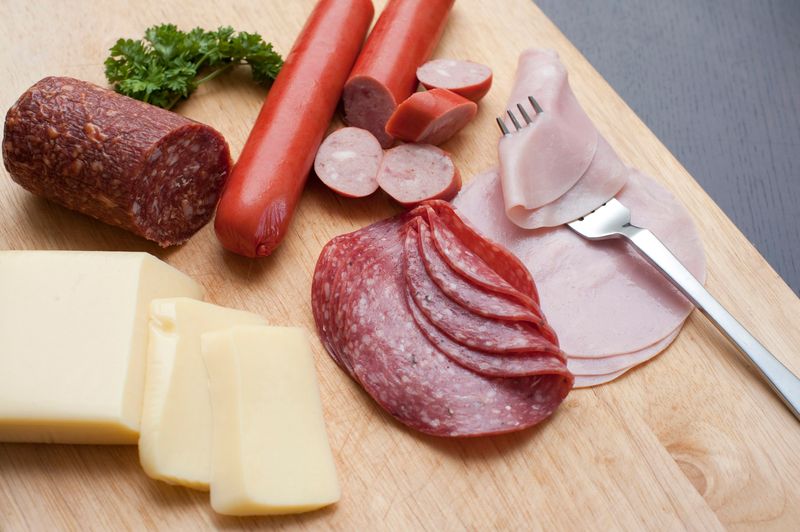
Germans love starting their day with sliced meats like salami, ham, and various cold cuts arranged beautifully on a plate. This savoury approach feels worlds away from the typical British preference for hot bacon or sausages.
Cheese varieties join the meat selection, creating a protein-rich morning feast. The combination provides lasting energy without requiring any cooking, making it practical for busy weekday mornings whilst remaining special enough for leisurely weekend breakfasts.
2. Serving Bread Rolls Known As Brötchen Instead Of Toast

Fresh Brötchen arrive at German breakfast tables with a crusty exterior and fluffy inside that toast simply cannot match. These rolls come in numerous varieties, from plain white to seeded wholegrain options.
Britons accustomed to popping sliced bread in the toaster might find the ritual of slicing and buttering these rolls a bit fiddly. However, the superior texture and taste make the extra effort worthwhile, especially when the rolls are still warm from the bakery.
3. Including Pickles Or Gherkins With Morning Meals

Tangy pickles and gherkins appear alongside bread and cheese on German breakfast spreads, adding a sharp contrast to rich, creamy foods. For Britons who reserve pickles for lunchtime sandwiches or evening meals, this morning appearance seems rather unexpected.
The acidity cuts through fatty meats and cheeses beautifully, refreshing the palate between bites. Germans appreciate how these preserved vegetables add variety and brightness to what might otherwise feel like a heavy meal.
4. Having Open-Faced Sandwiches Instead Of Fully Assembled Sandwiches
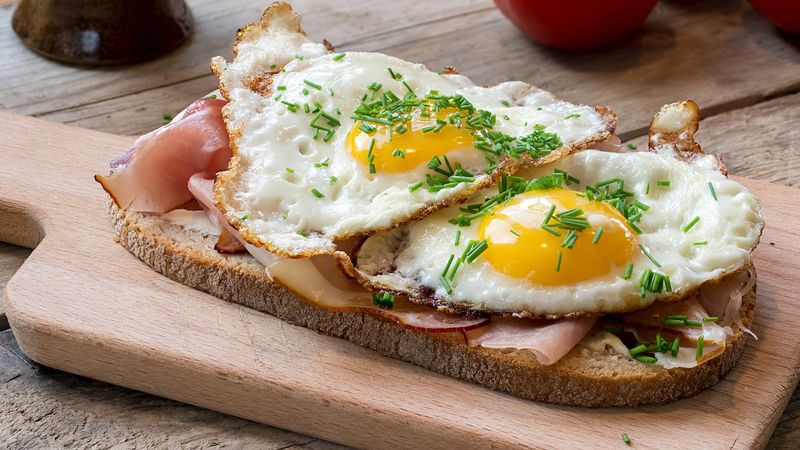
Germans build their breakfast sandwiches with just one slice of bread, topping it with cheese, meat, or spreads rather than closing it up. This open construction might puzzle Britons who prefer their fillings safely tucked between two pieces of bread.
The single-slice approach allows diners to see exactly what they're eating whilst using less bread overall. It also makes mixing and matching toppings throughout the meal much easier and more enjoyable.
5. Eating Soft-Boiled Eggs Served In Egg Cups

Soft-boiled eggs stand proudly in special cups on German breakfast tables, ready to be topped and eaten with a spoon. Britons more familiar with fried or scrambled eggs might struggle with the technique of cracking the shell and scooping out the runny contents.
The presentation looks charming and old-fashioned, requiring a gentle touch and proper timing. Getting the consistency just right takes practice, but Germans master this art early in childhood.
6. Drinking Strong Coffee Rather Than Large Milk-Based Coffees

German breakfast coffee comes strong, black, and served in smaller cups than the massive milky lattes many Britons favour. This concentrated approach delivers a proper caffeine kick without the frothy milk that dominates British coffee shop culture.
The robust flavour pairs perfectly with rich breakfast foods, cleansing the palate rather than adding more creaminess. Britons expecting a gentle, milky start might find this intense coffee a bit shocking at first sip.
7. Spreading Quark Cheese On Bread
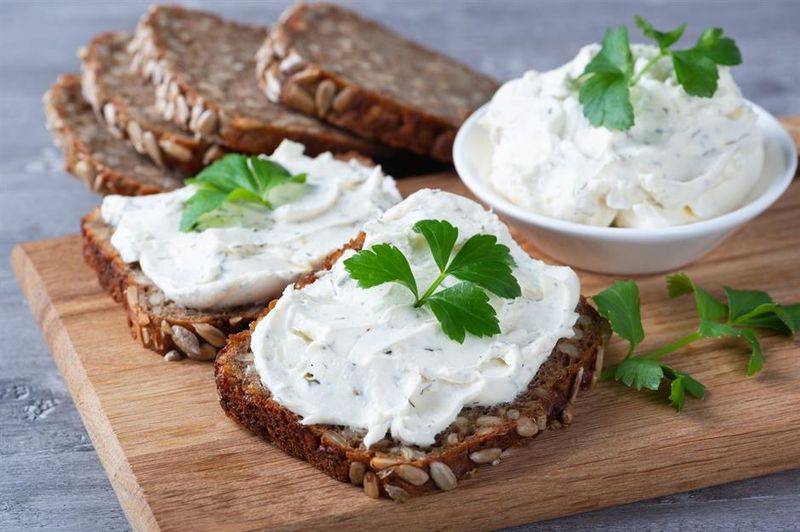
Quark, a fresh dairy product somewhere between yoghurt and cream cheese, gets spread generously on German breakfast bread. British visitors often haven't encountered this tangy, protein-packed spread before, making it quite the novelty.
Its mild flavour works beautifully with both sweet and savoury toppings, from jam to herbs. Germans grow up with Quark as a breakfast staple, appreciating its creamy texture and nutritional benefits that keep them satisfied until lunch.
8. Serving Breakfast As A Larger Weekend Family Meal
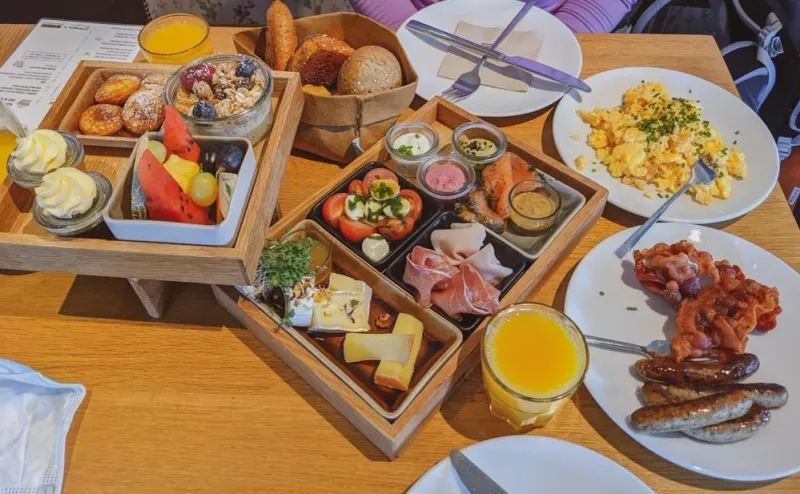
Weekend mornings transform German breakfast into a proper social occasion where families gather for extended meals lasting well into late morning. Britons who grab quick weekend breakfasts might find this leisurely approach surprisingly time-consuming.
The table groans under numerous dishes, fresh bakery items, and various spreads, encouraging everyone to linger and chat. This unhurried tradition strengthens family bonds whilst celebrating the luxury of having nowhere urgent to rush off to.
9. Offering Multiple Types Of Bread At The Table
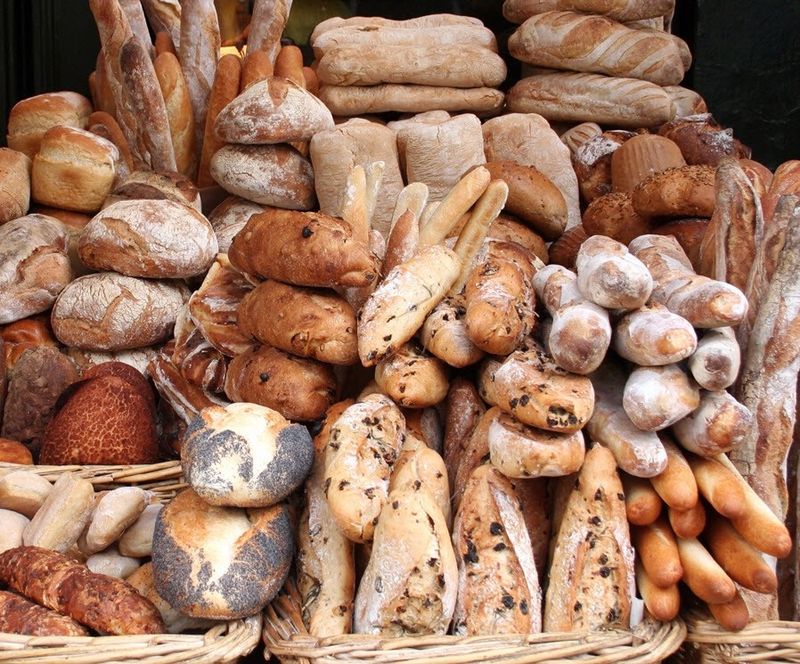
German breakfast spreads showcase an impressive bread variety, from dense rye to light wheat rolls, all appearing simultaneously. Britons accustomed to choosing just one bread type might feel overwhelmed by the selection.
Each bread variety suits different toppings, and Germans happily sample several throughout the meal. This diversity reflects Germany's proud baking tradition, where bread holds cultural significance far beyond simple sustenance, making breakfast an opportunity to appreciate craftsmanship.
10. Eating Liver Sausage Or Other Cold Sausages In The Morning
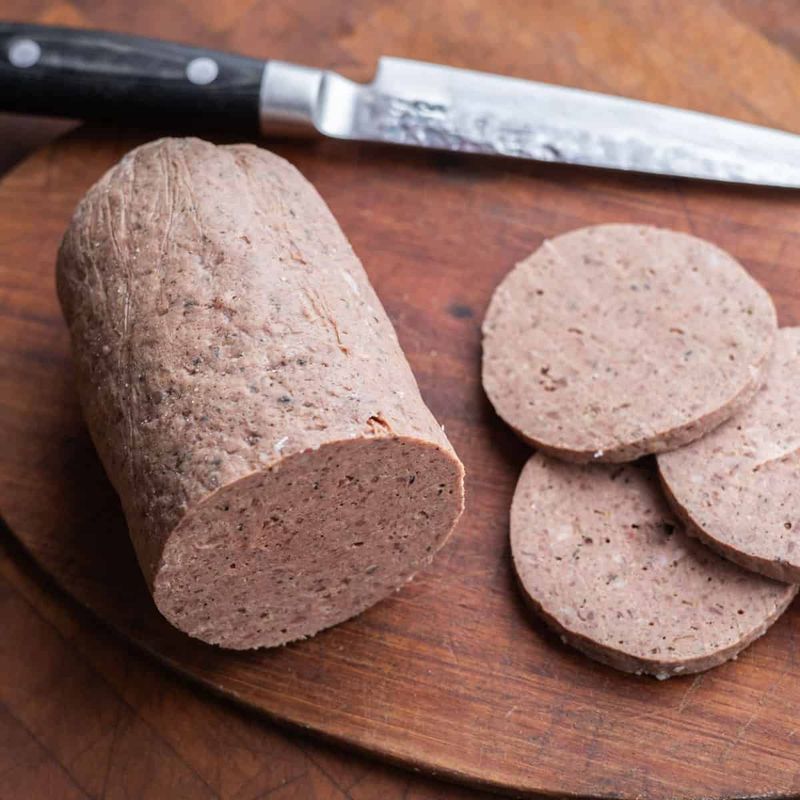
Liver sausage spreads smoothly across German breakfast bread, alongside other cold sausage varieties that Britons typically associate with lunch or dinner. The rich, intense flavour of liver first thing in the morning takes some getting used to for the uninitiated.
Germans consider these spreadable sausages perfectly normal breakfast fare, appreciating their savoury depth. The tradition reflects a practical approach to preserved meats that require no cooking yet deliver substantial nutrition.
11. Pairing Breakfast With Sparkling Mineral Water

Sparkling mineral water often sits beside coffee on German breakfast tables, offering a crisp and refreshing drink option. Many people in Germany enjoy fizzy water throughout the day, including during their first meal.
The light bubbles create a clean, sharp contrast to richer breakfast foods like cheese and cured meats. Visitors who usually reach for juice or still water sometimes find the sparkling option surprisingly refreshing.
Choosing fizzy mineral water reflects a long-standing preference that remains deeply woven into everyday German dining habits.



