













Early spring has that in-between feeling where the air is still crisp, but the garden is starting to wake up again. It is the time when lighter layers come out and the first signs of fresh growth begin to show.
For anyone with even a small patch of soil, it is hard not to feel tempted to start planting.
Certain fruits and vegetables actually prefer these cooler conditions, growing steadily without the stress of intense heat. These crops tend to establish quickly and reward a bit of patience with fresh, early harvests.
A handful of them can go in the ground sooner than expected, often before the warmer crops even get started.
All information is provided for general interest only. Growing results may vary depending on climate, soil conditions, and care.
1. Strawberries
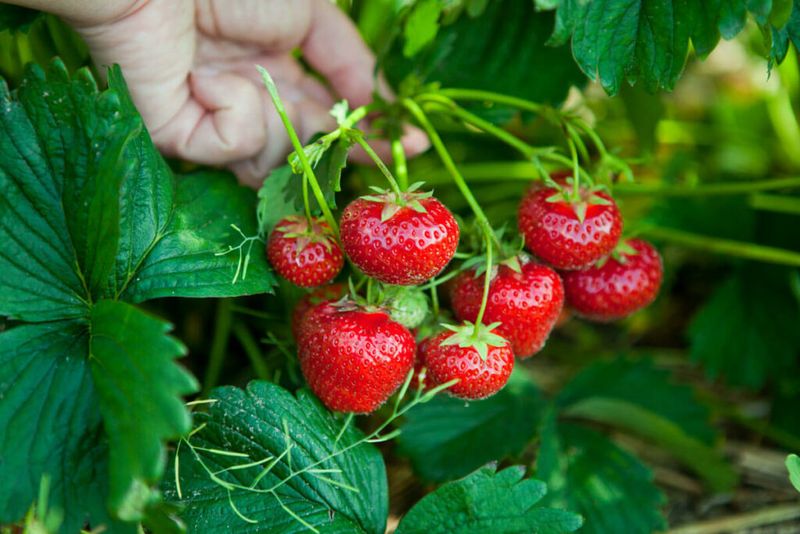
Nothing beats biting into a sun-warmed strawberry you've grown yourself. These beloved berries absolutely love cool spring conditions, establishing strong roots when temperatures hover between 10-25°C.
Plant them in March or early April for a bumper crop by late May. Their shallow roots mean they're easy to grow in containers too, perfect if your garden space is limited.
Water regularly and watch for slugs, which fancy strawberries just as much as you do!
2. Rhubarb
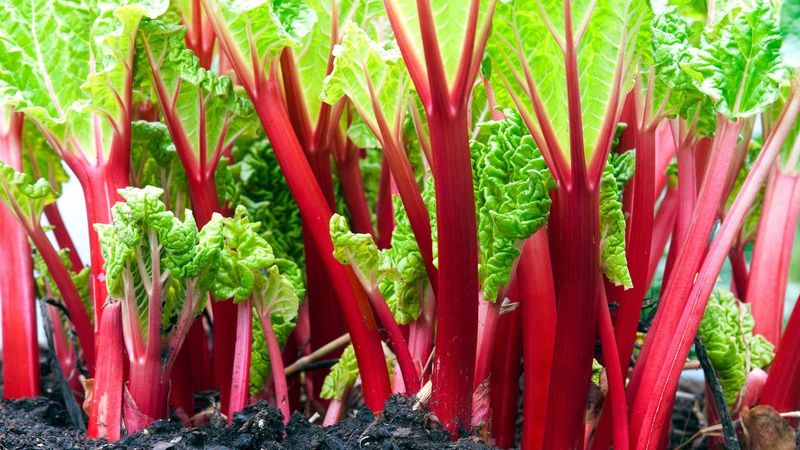
This tart perennial thrives when the weather's still nippy, producing tender stalks that make brilliant crumbles and jams. Rhubarb actually needs a cold spell to trigger proper growth, making British springs absolutely ideal.
Once established, a single crown can produce for twenty years or more. Harvest from April onwards by twisting stalks at the base rather than cutting them.
Remember: never eat the leaves, as they're toxic, but the stalks are perfectly safe and delicious.
3. Blackcurrants
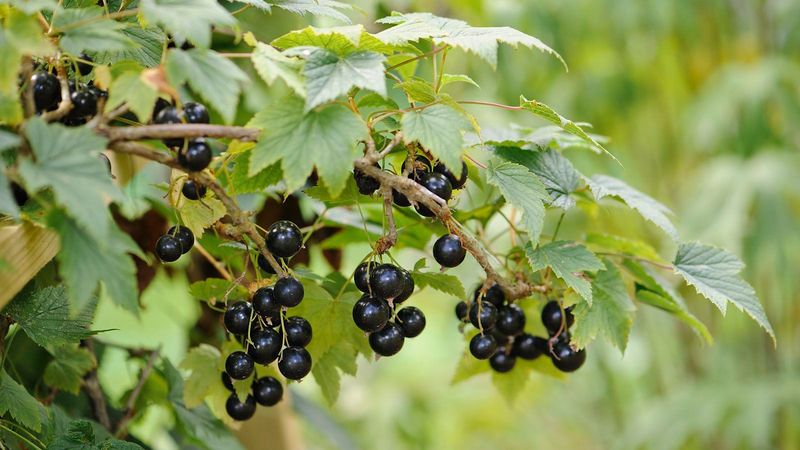
Packed with vitamin C and bursting with flavour, blackcurrants absolutely flourish in our temperate spring weather. They're among the toughest fruit bushes you can grow, shrugging off late frosts that would damage more delicate plants.
Plant bare-root bushes between November and March for best results. These productive shrubs can yield several kilos of fruit each summer once they're established.
The berries freeze brilliantly, so you'll have supplies for smoothies and cordials all year.
4. Gooseberries
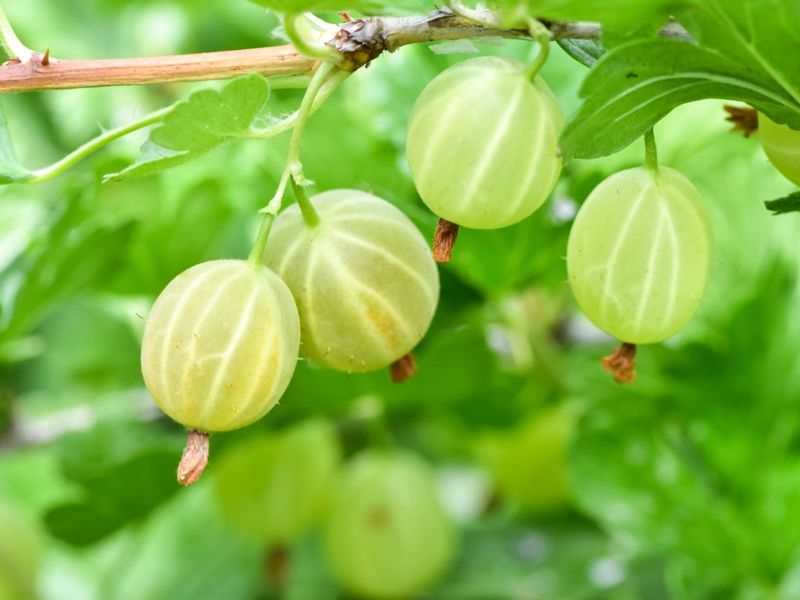
These tangy little fruits are proper British classics that prefer our cooler climate to scorching heat. Gooseberry bushes flower early in spring when temperatures are still quite brisk, which helps them set fruit brilliantly.
They're incredibly hardy, tolerating frost without flinching, and produce generous harvests by June or July. The berries work wonderfully in fools, pies, and preserves.
Choose thornless varieties if you're keen to avoid getting scratched during picking time!
5. Redcurrants
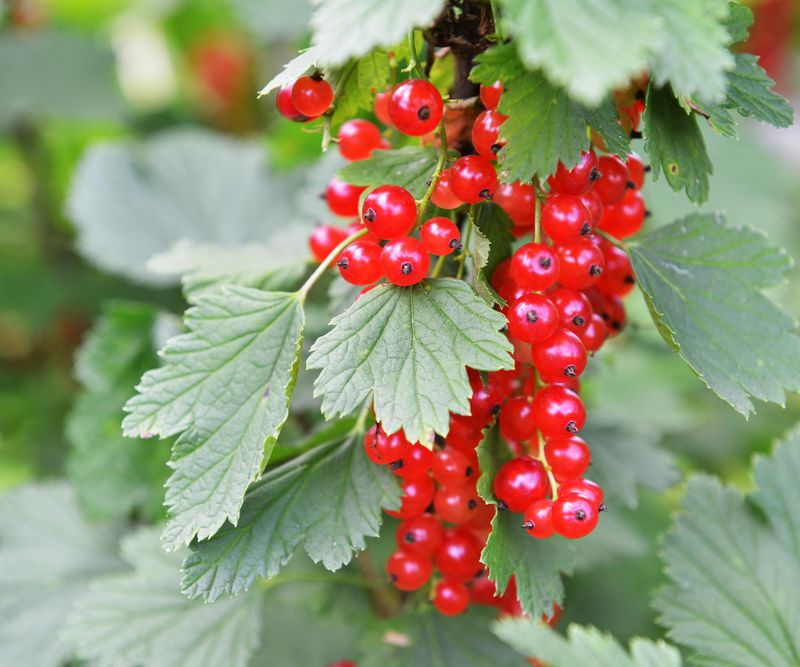
You’ll often spot them before you even think about picking them, those delicate clusters glowing softly in the light. Redcurrants thrive in cool spring weather and do best in slightly acidic soil that stays gently moist.
They tend to flower early, which helps them avoid many common pests later in the season. Once established, the bushes are reliable and easy to manage.
The berries bring a sharp, refreshing flavour that works beautifully in jellies, puddings, or scattered over yoghurt.
6. Spinach
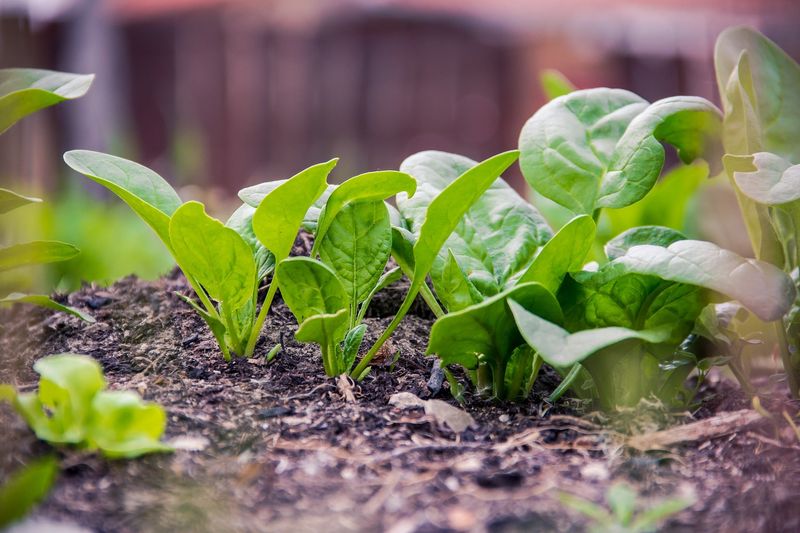
This nutritional powerhouse practically leaps out of the ground when spring temperatures are cool and consistent. Spinach genuinely dislikes hot weather, which makes it bolt and turn bitter, so early spring planting is absolutely essential.
Sow seeds directly into the soil from March onwards, and you'll be harvesting tender baby leaves within weeks. The young leaves taste sweetest and work brilliantly in salads.
Keep picking regularly to encourage more growth throughout the season.
7. Lettuce
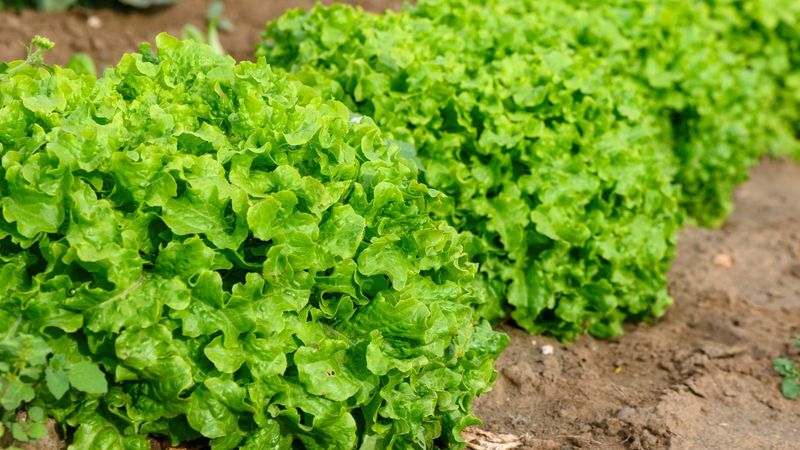
Crunchy, fresh lettuce straight from the garden transforms any sandwich or salad into something special. These leafy greens genuinely prefer cooler conditions, growing quickly and staying sweet when spring temperatures remain moderate.
Sow little and often from March through May for a continuous supply of tender leaves. Hot weather causes lettuce to bolt rapidly, turning leaves bitter and inedible.
Try different varieties like butterhead, cos, or loose-leaf types to keep your salad bowl interesting all season long.
8. Radishes
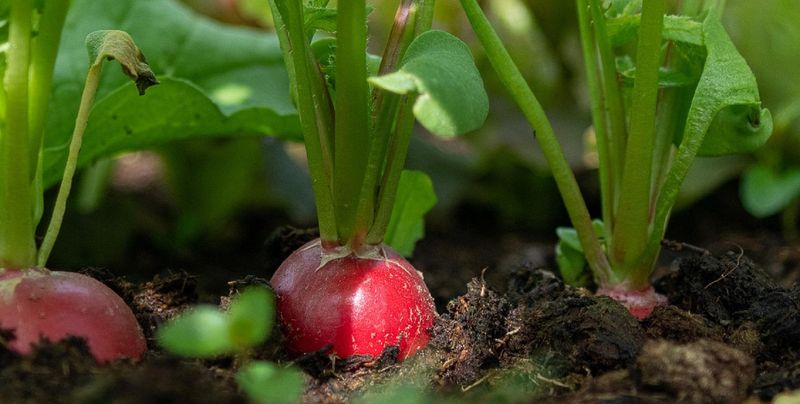
Want almost instant gratification from your vegetable patch? Radishes grow ridiculously fast in cool spring soil, often ready to harvest within three to four weeks of sowing.
These peppery roots appreciate consistent moisture and temperatures that don't climb too high. Sow them between rows of slower-growing vegetables to maximise your garden space efficiently.
Pull them promptly once they've sized up, as they become woody and unpleasantly hot if left too long in warming soil.
9. Peas
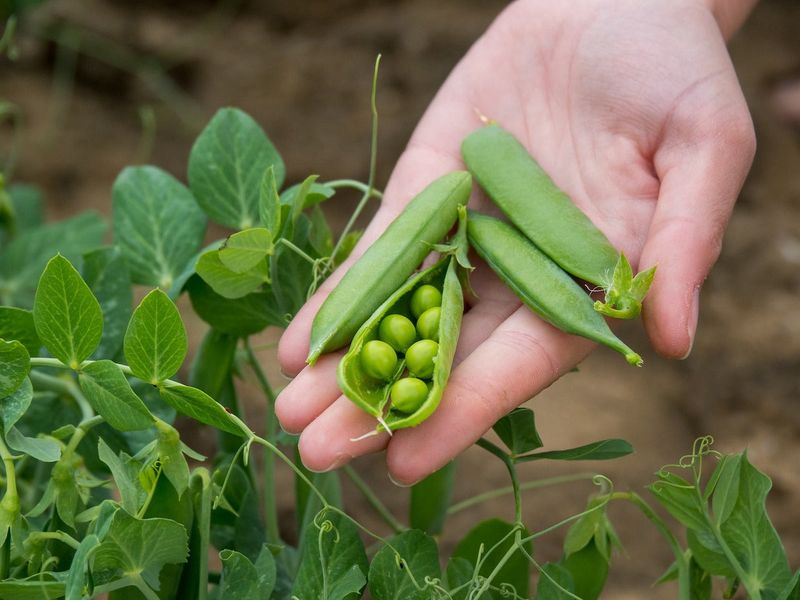
Few vegetables taste as sweet and tender as freshly podded peas eaten straight from the plant. These climbing legumes positively thrive in cool spring weather, germinating happily in soil that's still quite chilly.
Sow from March onwards and provide supports for the vines to scramble up as they grow. The plants actually fix nitrogen in the soil, improving it for whatever you plant next.
Pick pods regularly to keep the plants producing throughout late spring and early summer.
10. Carrots
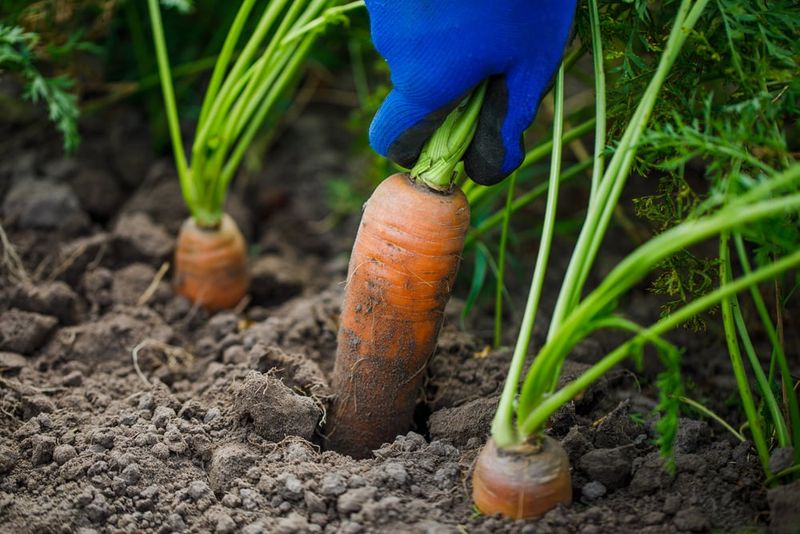
Homegrown carrots taste completely different from shop-bought ones, with a sweetness and crunch that's genuinely remarkable. These root vegetables germinate best when soil temperatures are cool but not freezing, making April ideal for sowing.
They need light, stone-free soil to develop straight, unblemished roots. Early varieties mature quickly, ready to pull by June or July for the sweetest flavour.
Thin seedlings ruthlessly to give remaining carrots space to swell properly underground.
11. Kale
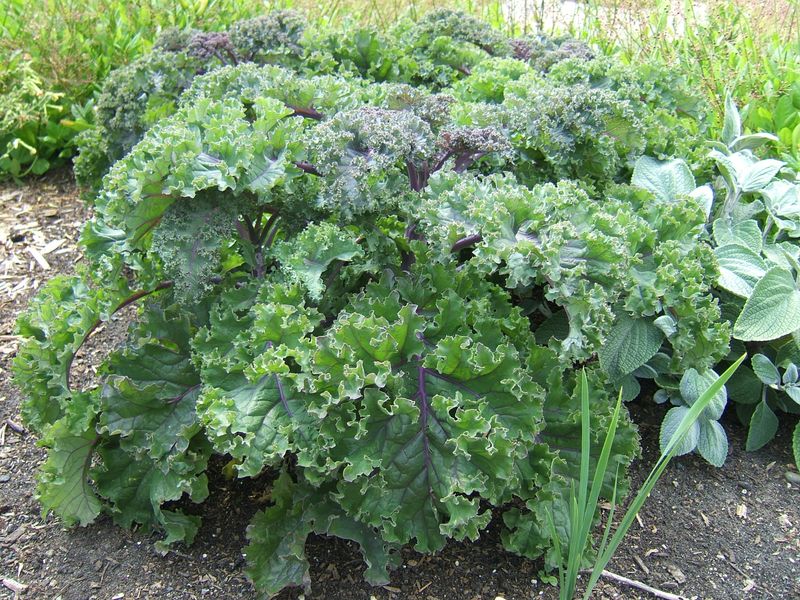
This superfood green becomes sweeter and more tender after experiencing a touch of frost, making spring planting absolutely perfect. Kale is phenomenally hardy, continuing to produce nutritious leaves even when temperatures drop quite low.
Plant young seedlings from March onwards, spacing them generously to allow for substantial growth. The plants become quite large and bushy as they mature throughout the season.
Harvest outer leaves regularly, leaving the growing crown intact for continuous production right through autumn.
12. Cabbage
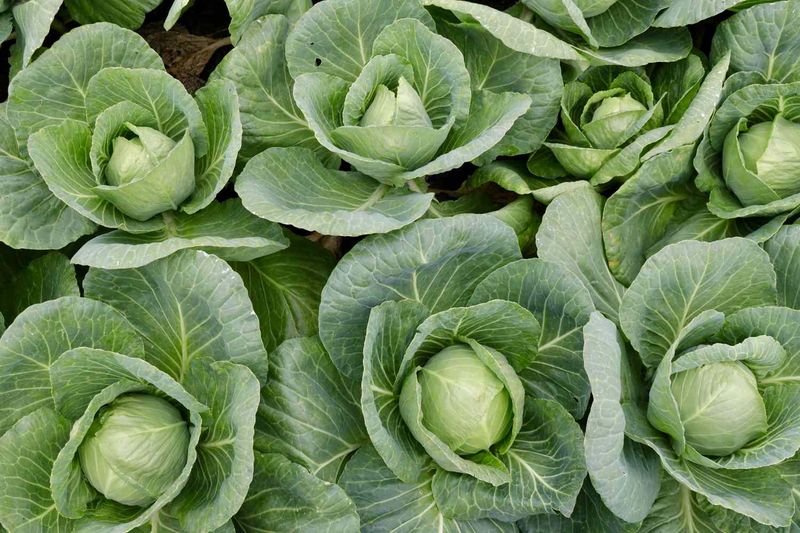
Solid, dependable cabbage has fed British families for centuries, thriving beautifully in our cool spring climate. These brassicas actually prefer temperatures on the cooler side, forming tight, crisp heads without bolting or splitting.
Plant spring varieties in March for harvesting by early summer, choosing between pointed or round-headed types. Firm the soil well around transplants to help them establish strong root systems.
Watch for cabbage white butterflies and cover plants with netting if these pests become problematic in your area.



