













Britain’s café culture has shifted gradually, shaped by changes in how people eat, work, and spend their time outside the home. Traditional cafés once centred on quick meals and familiar routines, while newer spaces place more emphasis on coffee choice, atmosphere, and lingering.
This evolution reflects broader habits, from longer mornings out to cafés doubling as social and working spaces. Looking at these changes helps explain how cafés have moved from functional stops to everyday gathering places.
All information is provided for general interest only. Experiences, offerings, and café styles may vary by location and over time. Photos are for illustrative purposes only.
The Shift From All-Day Fry Ups To Brunch-Led Menus
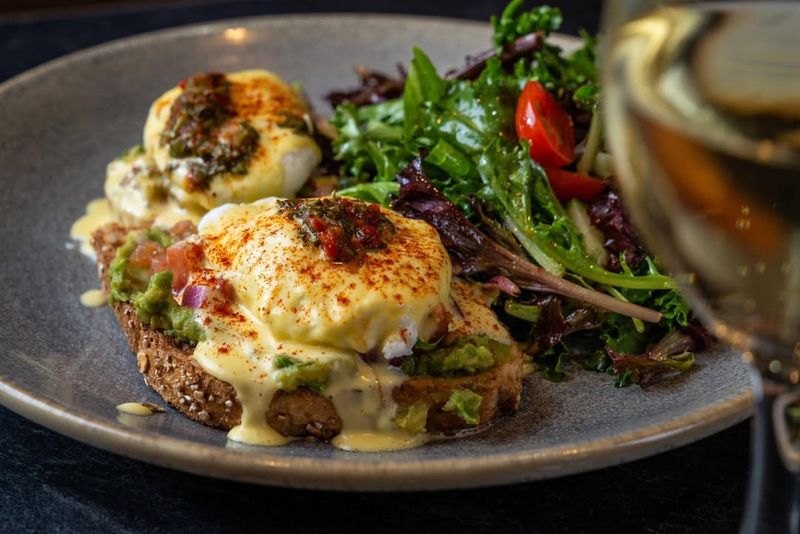
Gone are the days when every café served the same greasy plate from dawn till dusk. Brunch culture swept in from America and Australia, bringing smashed avocado, eggs Benedict, and shakshuka along for the ride.
People started wanting something a bit more exciting than bacon and beans, especially at weekends. Cafés responded by creating Instagram-worthy plates that blend sweet and savoury, healthy and indulgent.
Now you're just as likely to find sourdough toast topped with poached eggs and hollandaise as you are a traditional fry-up, showing how tastes have properly shifted.
The Rise Of Independent Neighbourhood Cafés
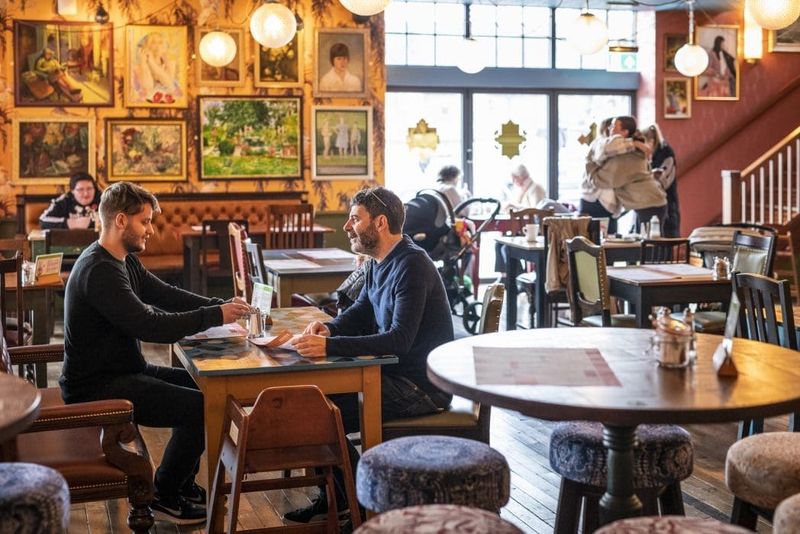
Independent cafés have absolutely exploded across British high streets and residential areas, each with its own personality and loyal following. These aren't your generic chain coffee shops; they're run by passionate owners who know their regulars by name and coffee order.
Many focus on creating a sense of community, hosting everything from book clubs to knitting groups. The décor tends to be eclectic and personal, with mismatched furniture and local artwork on the walls.
This movement has given neighbourhoods genuine gathering spots where people feel a proper connection to their local area.
Better Coffee Becoming An Expectation, Not A Treat
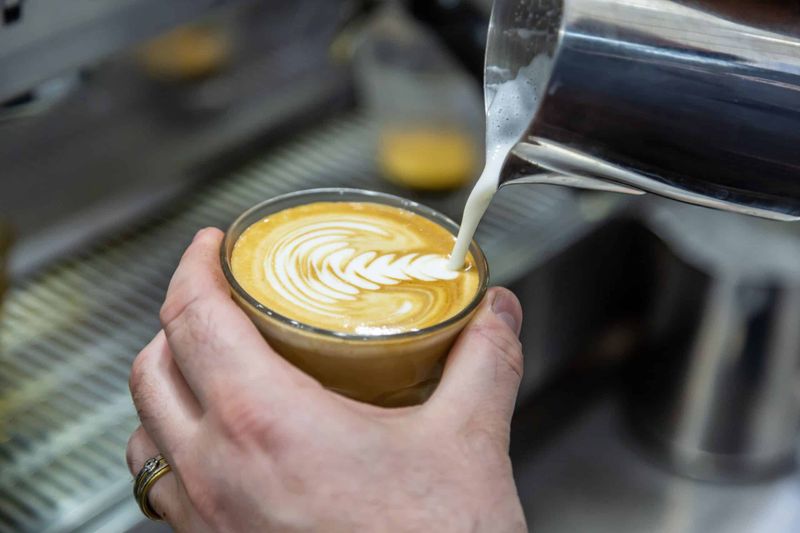
Remember when instant coffee or a watery filter brew was perfectly acceptable? Those days are long gone, mate.
Aussie and Kiwi baristas brought proper coffee culture to Britain, and we've never looked back.
Now even your local corner café is expected to pull a decent espresso shot and steam milk to silky perfection. Single-origin beans, pour-over methods, and flat whites have become standard rather than speciality items.
People have educated their palates and won't settle for rubbish coffee anymore, which has raised the bar across the entire industry.
Menus Expanding Beyond Traditional Breakfast Plates
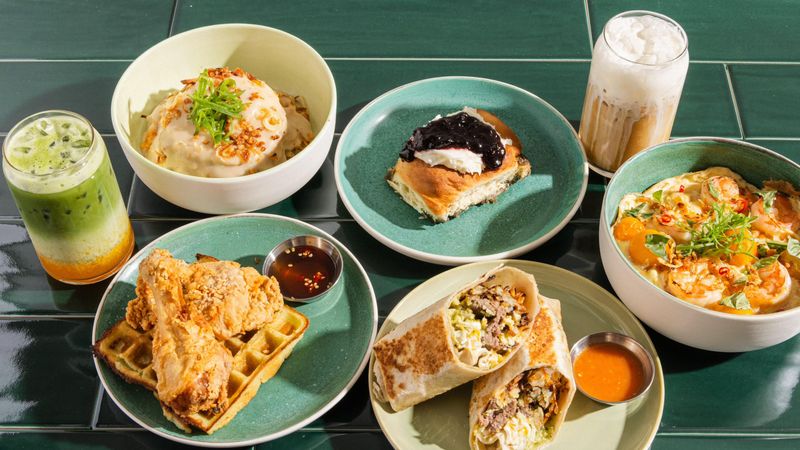
Café menus have become proper adventures compared to the limited options of yesteryear. You'll find Middle Eastern shakshuka sitting next to Japanese-inspired rice bowls and Mexican huevos rancheros, all under one roof.
Vegetarian and vegan options aren't afterthoughts anymore; they're often the stars of the show. Plant-based milks, gluten-free breads, and dairy-free pastries cater to diverse dietary needs and preferences.
This global influence has transformed British café food from predictable to exciting, reflecting our increasingly multicultural tastes and adventurous appetites.
Cafés Turning Into Social And Work Spaces

Cafés have morphed into second living rooms and unofficial offices for freelancers, students, and remote workers. Free Wi-Fi and plenty of plug sockets are now essential amenities rather than nice-to-haves.
The atmosphere encourages lingering, with comfortable seating and ambient noise that somehow helps concentration. Some cafés even offer co-working memberships or host networking events and workshops.
This shift recognises that people want spaces to connect, create, and collaborate outside their homes, making cafés vital community infrastructure in modern Britain.
More Attention To Ingredients And Sourcing
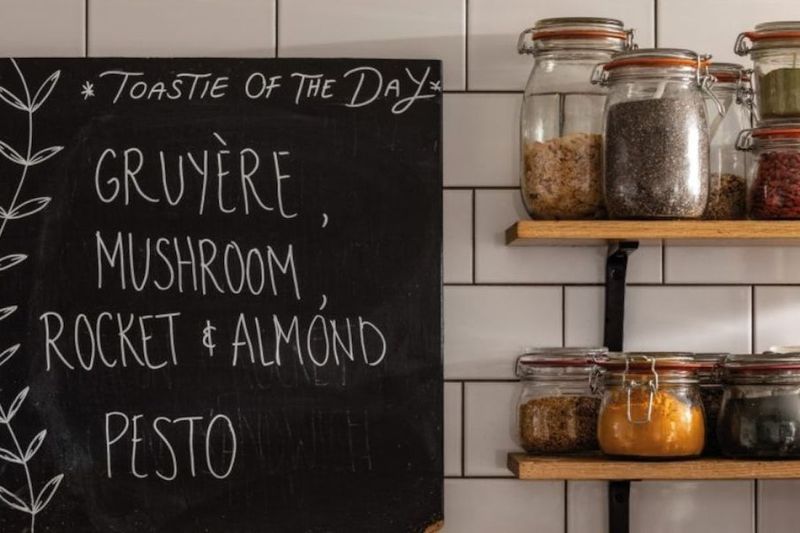
Café owners have become proper food nerds, obsessing over where their ingredients come from and how they're produced. Chalkboards proudly display the names of local farms, bakeries, and roasters they partner with.
Free-range eggs, organic vegetables, and ethically sourced coffee beans aren't just marketing gimmicks; they're genuine commitments to quality and sustainability. Many cafés now build relationships directly with suppliers, ensuring traceability and supporting local economies.
This transparency helps customers make informed choices whilst enjoying food that simply tastes better because it's fresher and more thoughtfully sourced.
Longer Visits Replacing Quick Pit Stops
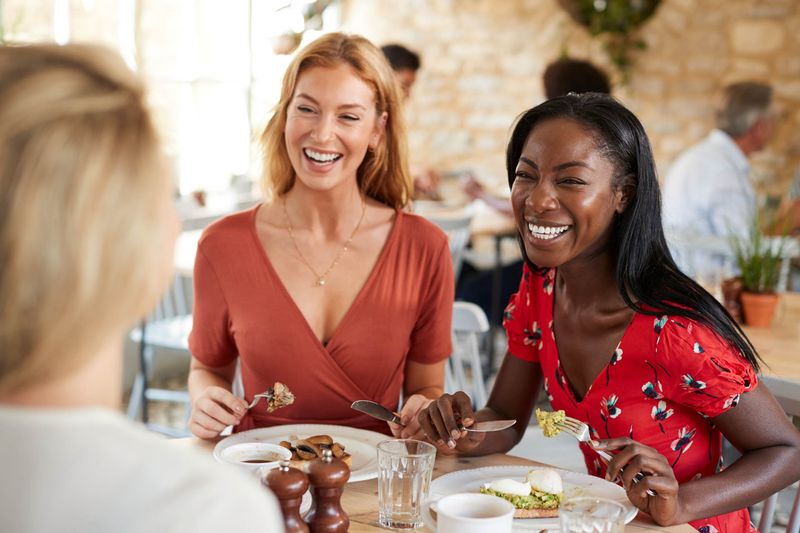
Popping in for a quick cuppa has given way to leisurely two-hour brunches with mates or afternoon sessions with a good book. Cafés have adapted by creating spaces that invite you to settle in rather than rush off.
Comfortable seating, interesting reading material, and attentive but not pushy service all encourage extended stays. The coffee culture borrowed from Europe and Australia celebrates slowing down and savouring the moment.
This change reflects broader shifts in how we value our time, prioritising quality connections and experiences over constant rushing about.
Traditional Cafés And Modern Coffee Shops Existing Side By Side
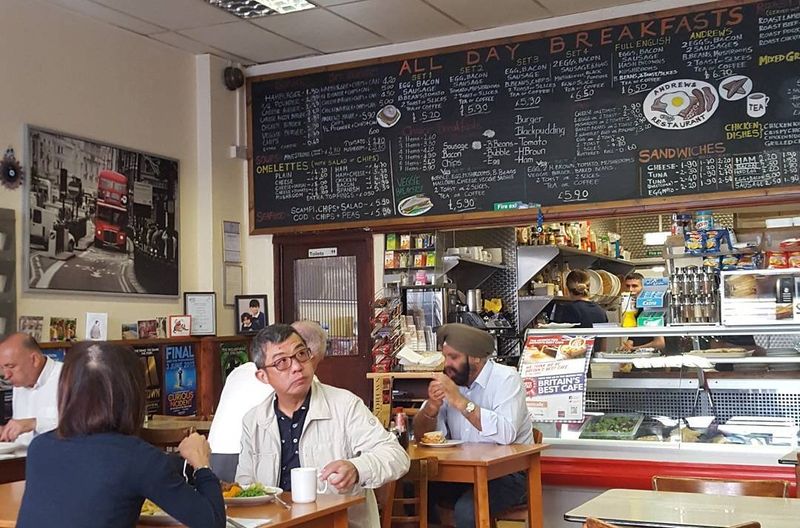
Here's the brilliant bit: traditional greasy spoons haven't disappeared; they've found their place alongside trendy specialty coffee shops. Some classic cafés have even had upmarket makeovers whilst keeping their soul intact.
You can still get a proper builder's breakfast with a mug of strong tea in many neighbourhoods, often just doors down from a minimalist café serving cortados and sourdough. Both serve different needs and attract different crowds, sometimes even the same people on different days.
This coexistence shows British café culture hasn't abandoned its roots whilst embracing new influences and ideas.



