













Walk through a supermarket today and it can feel like the same handful of ingredients keep turning up, just dressed in different packaging. Many older staples that once shaped everyday cooking have quietly slipped off shopping lists, even though they are still flavourful, practical, and easy to use.
Some were edged out by convenience foods, others by changing tastes or cooking habits. Yet plenty of them still make sense in modern kitchens and fit comfortably into the way people cook now.
You might even recognise a few that used to sit in your cupboard without much thought.
All information is provided for general interest only. Ingredient availability, naming, and usage can vary by region, retailer, and season, and individual cooking preferences may differ.
1. Pearl Barley
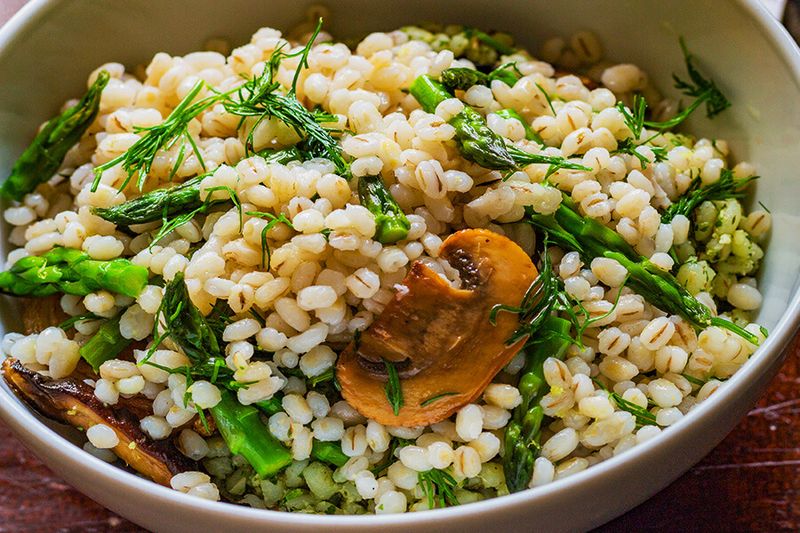
This humble grain has long been valued for its ability to add body and comfort to simple meals. When cooked slowly, it turns tender and pleasantly chewy, soaking up surrounding flavours with ease.
It shows up most often in soups and stews but works just as well in grain bowls and salads. The texture holds up beautifully without turning mushy.
It’s a quiet workhorse ingredient that still fits modern cooking styles.
2. Suet
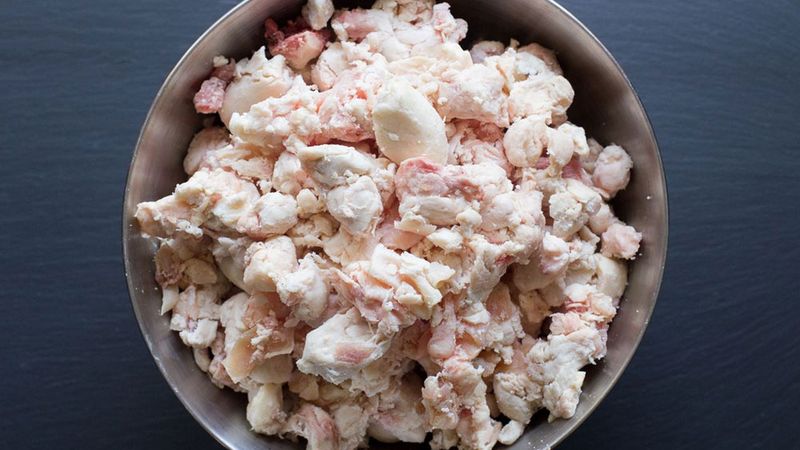
Traditional puddings and dumplings rely on this ingredient for their unmistakable texture. Taken from beef or mutton fat, it behaves very differently from butter when steamed or baked.
Many modern kitchens skip it, often without realising what it brings to classic recipes. Vegetable versions now make those dishes more accessible to different diets.
Used properly, it delivers a light yet rich crumb that’s hard to replicate.
3. Treacle
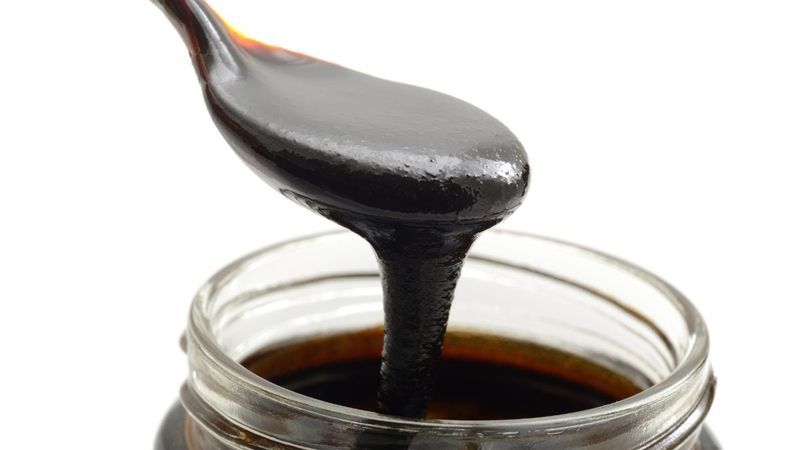
Dark, sticky, and intensely flavoured, treacle once sweetened gingerbread and parkin across Britain. This thick syrup is a byproduct of sugar refining, delivering deep molasses notes with a slightly bitter edge that balances sweetness perfectly.
Bakers today reach for golden syrup instead, but treacle offers complexity that transforms biscuits and cakes. A spoonful in baked beans or barbecue sauce adds remarkable depth that refined sugars simply cannot match.
4. Sago
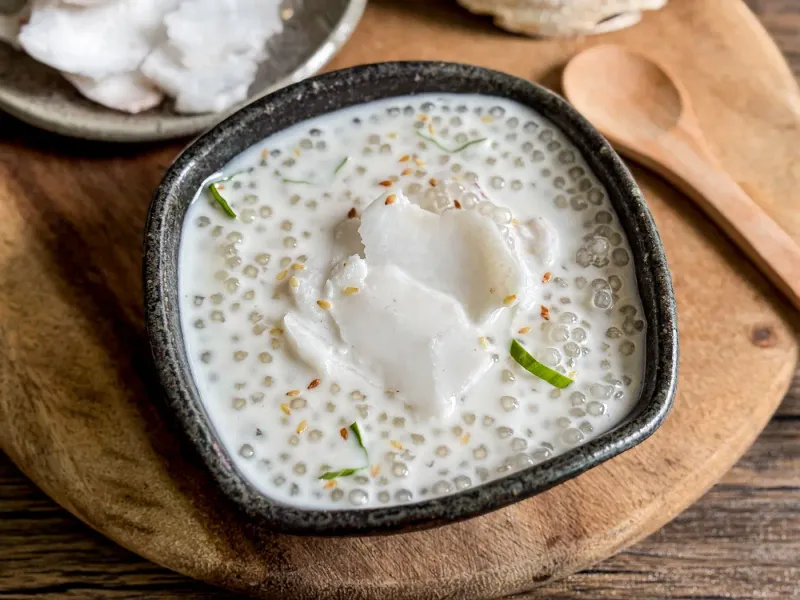
These small starch pearls were once a familiar sight in British puddings. When heated, they swell and turn translucent, creating a soft, gently springy texture.
They fell out of everyday use as other thickeners took over. Elsewhere, similar starch pearls remain popular in a variety of desserts.
Their ability to absorb flavour while holding structure still makes them useful today.
5. Spelt
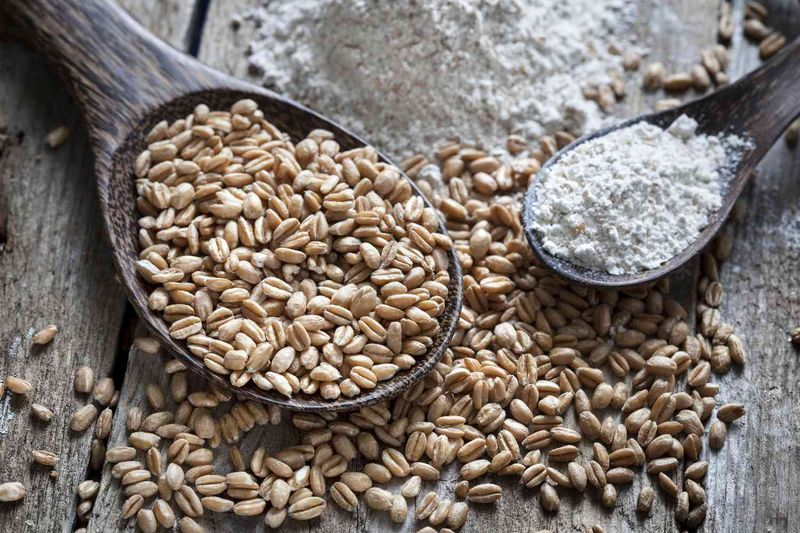
Ancient Romans marched on spelt, yet this nutritious grain nearly vanished from modern tables. Spelt contains more protein than common wheat, with a slightly sweet, nutty flavour that enhances bread, pasta, and baked goods naturally.
Many people who struggle with wheat find spelt easier to digest, though it's not gluten-free. Its comeback in artisan bakeries proves that sometimes the oldest ingredients make the most delicious products for today's health-conscious cooks.
6. Tapioca Pearls
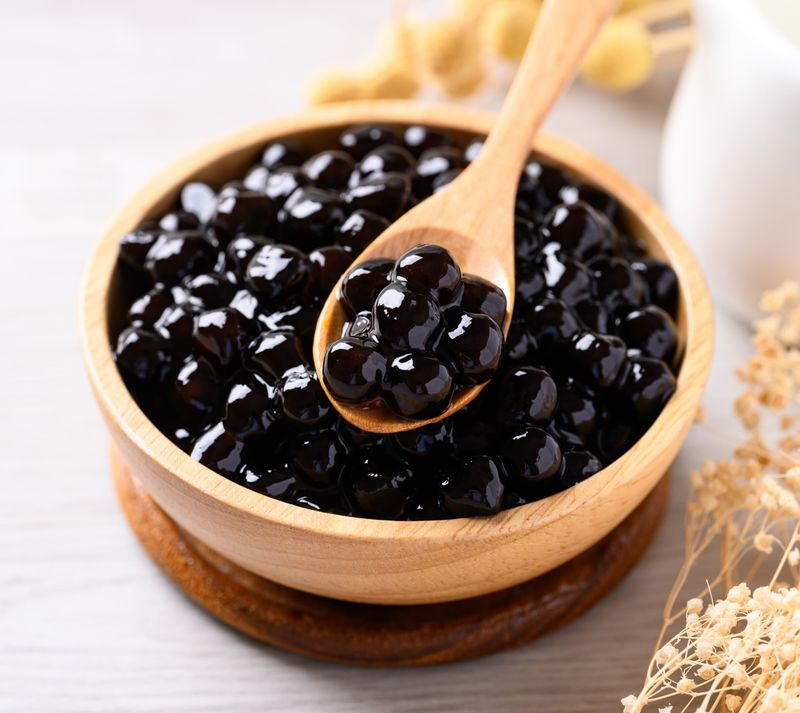
Derived from cassava root, these glossy spheres once appeared in every school dinner pudding across Britain. Tapioca pearls cook into translucent orbs with a distinctive slippery texture that children either loved or loathed passionately.
Bubble tea brought them roaring back, proving their versatility beyond traditional milk puddings. They thicken pies brilliantly, absorb fruit juices without becoming mushy, and create interesting textures in both sweet and savoury dishes worldwide.
7. Lard
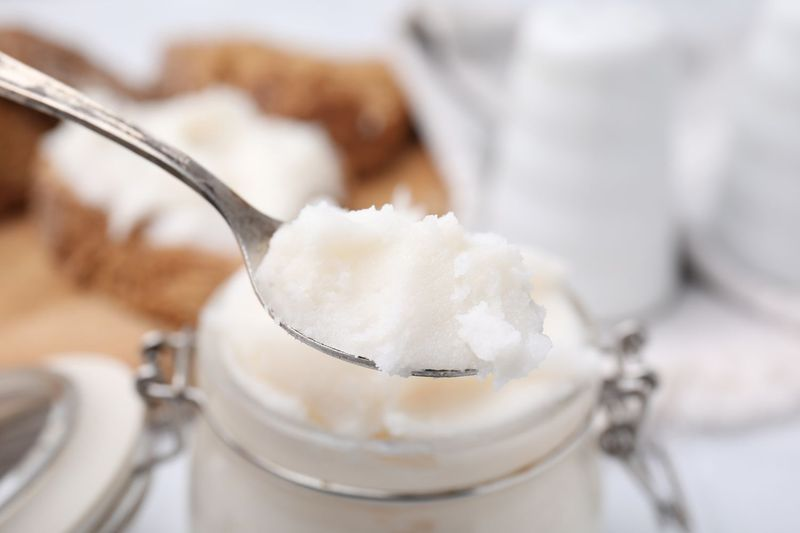
Rendered pork fat played a major role in traditional baking and frying for generations. It produces pastry with a crispness that many cooks still admire.
Concerns about fat content pushed it out of favour rather than changes in performance. Some bakers never stopped using it, especially for specific textures.
When sourced carefully, it remains a functional and flavourful cooking fat.
8. Chicory Root

Roasted chicory root stretched coffee supplies during wartime, but its earthy, slightly bitter flavour deserves appreciation beyond necessity. Ground chicory adds body and depth to coffee blends whilst containing zero caffeine, making it perfect for evening drinks.
New Orleans never forgot this ingredient, keeping it central to their famous café au lait. The root also provides inulin, a prebiotic fibre that supports digestive health whilst adding richness to beverages and baked goods.
9. Rye Berries
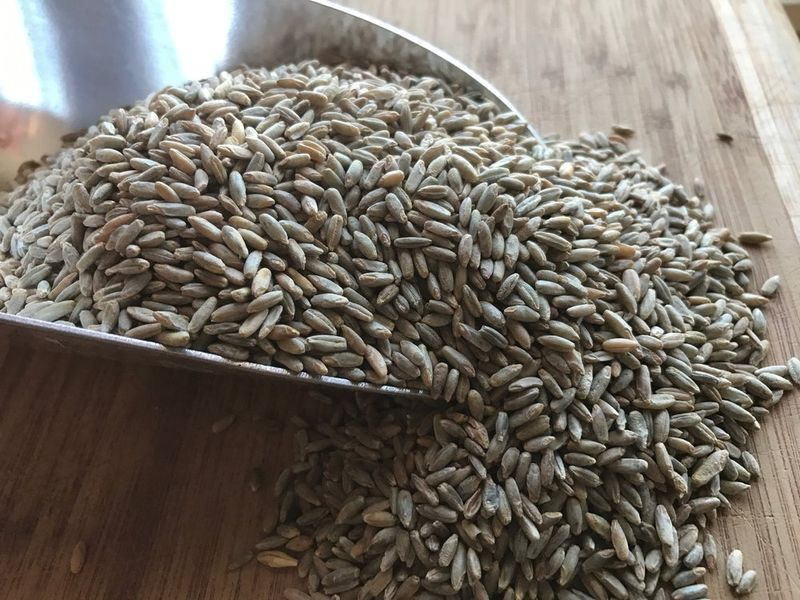
These whole grains have anchored Northern European cooking for centuries. Cooked properly, they stay chewy and satisfying with a deep, earthy flavour.
They pair naturally with robust vegetables and savoury dishes. Preparing them ahead makes them easy to work into everyday meals.
Their character brings variety to grain-based cooking.
10. Carob
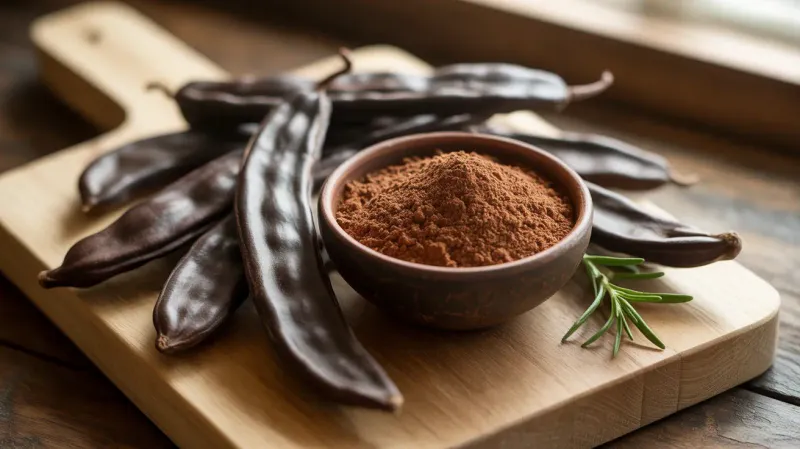
This chocolate alternative from Mediterranean carob trees offers natural sweetness without caffeine or theobromine. Ground carob pods create a powder that's sweeter than cocoa, with flavours reminiscent of caramel and malt rather than bitter chocolate.
Health food shops in the 1970s championed carob, though poor-quality products gave it an undeserved reputation. Today's carob, properly roasted and processed, shines in smoothies, energy bars, and baking where its unique taste deserves appreciation on its own merits.
11. Horseradish Root
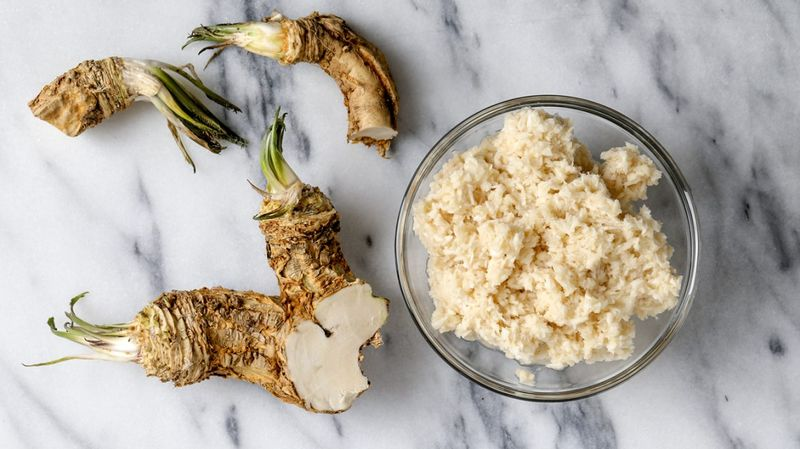
Freshly grated horseradish delivers sinus-clearing heat that jarred versions cannot match, transforming roast beef into something spectacular. This gnarly root contains compounds that create pungent vapours when cells are broken, producing that distinctive nasal kick.
Growing horseradish is ridiculously easy, as it spreads enthusiastically in any garden spot. Grate it fresh into cream for traditional sauce, mix it into mashed potatoes, or blend it with beetroot for a vibrant condiment that brightens winter meals.
12. Gooseberries
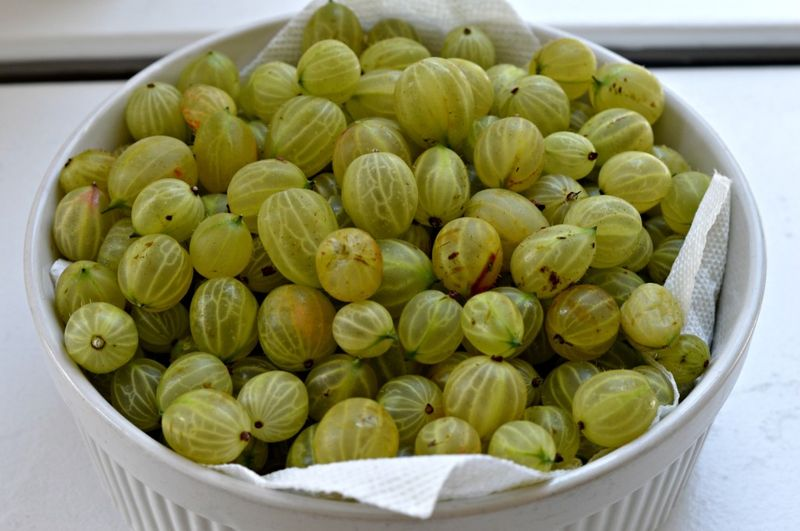
Once a familiar garden crop, these tart berries have a long place in British cooking. They range widely in flavour, from sharply sour to pleasantly sweet.
Traditionally used in pies, jams, and fools, they shine when paired with rich ingredients. Fresh versions are seasonal and not always easy to spot.
Their versatility still makes them worth seeking out.
13. Quince
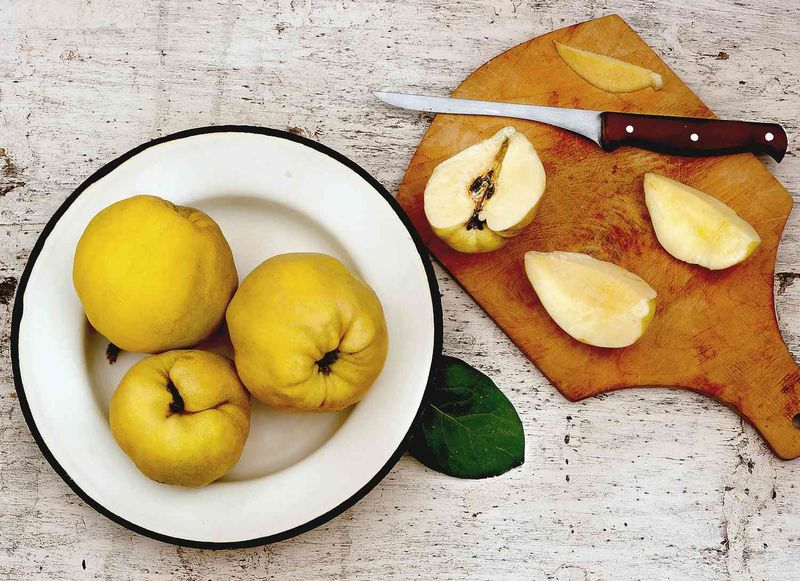
Firm and sharply astringent when raw, this fruit truly comes into its own with heat. Slow cooking transforms it into something fragrant and richly coloured.
The aroma alone has made it a favourite in autumn kitchens for centuries. Many cultures prize its natural ability to set when cooked.
Once prepared, it adds elegance to both sweet and savoury dishes.
14. Rose Water

Distilled from rose petals, this fragrant water perfumed British desserts for centuries before vanilla became the default flavouring. Just a few drops transform Turkish delight, meringues, and cream into something elegantly floral without tasting soapy when used judiciously.
Middle Eastern and Indian cuisines never abandoned rose water, using it in both sweets and savoury rice dishes. Start with tiny amounts, as its potency varies wildly between brands, and its delicate perfume can quickly overwhelm rather than enhance.
15. Malt Vinegar Powder
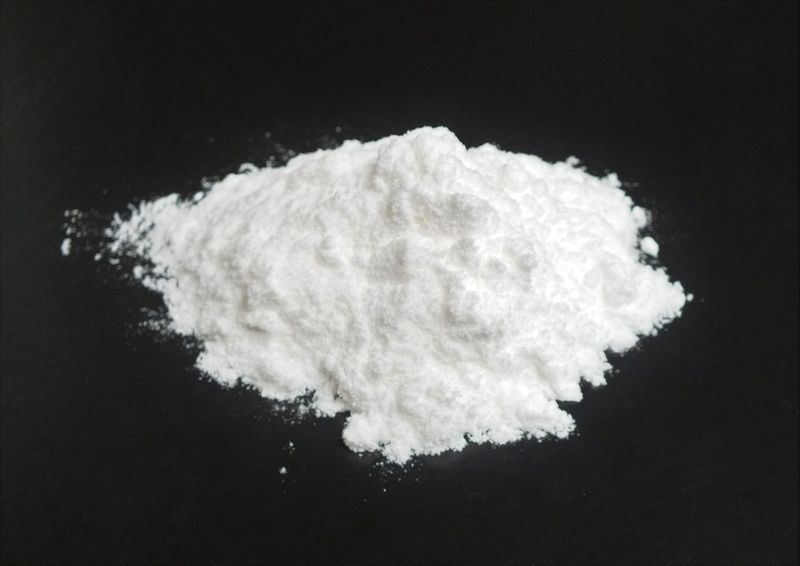
Turning vinegar into a dry seasoning creates surprising flexibility in the kitchen. The sharp, malty flavour comes through clearly without adding moisture.
It’s especially useful for snacks and roasted vegetables. Kept dry and sealed, it stores well for regular use.
A small sprinkle delivers that familiar tang people associate with classic chip shops.
16. Molasses
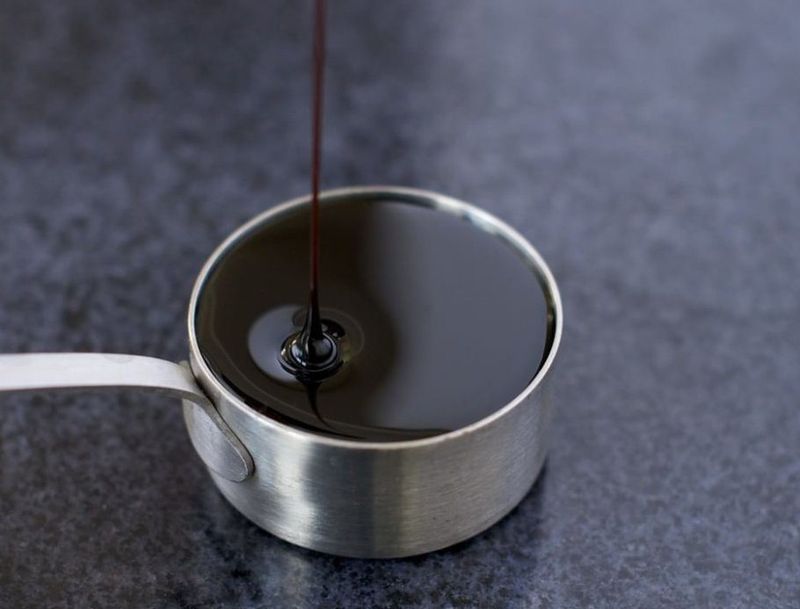
This thick syrup forms during sugar refining and carries a bold, bittersweet flavour. Bakers value it for the colour and moisture it adds to cakes and breads.
Its taste is deeper and more complex than lighter sweeteners. It also works well in savoury cooking, particularly sauces and glazes.
Used sparingly, it adds richness without dominating.
17. Anchovy Essence
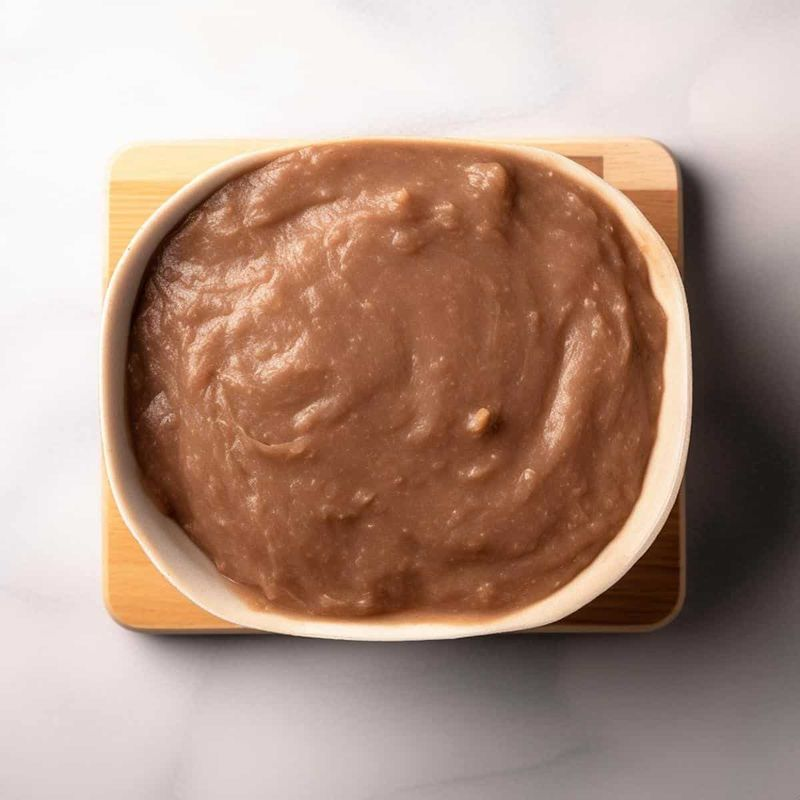
A few drops of this concentrated fish extract once boosted the savoury depth of sauces, stews, and meat dishes across Britain. Anchovy essence delivers pure umami without fishy taste, functioning similarly to Worcestershire sauce but with more intensity and less sweetness.
Victorian cooks kept bottles in their pantries, adding dashes to gravy and Welsh rarebit. Modern cooks who discover it find that tiny amounts transform vegetable soups, enrich tomato sauces, and add mysterious depth that guests cannot quite identify.
18. Mace
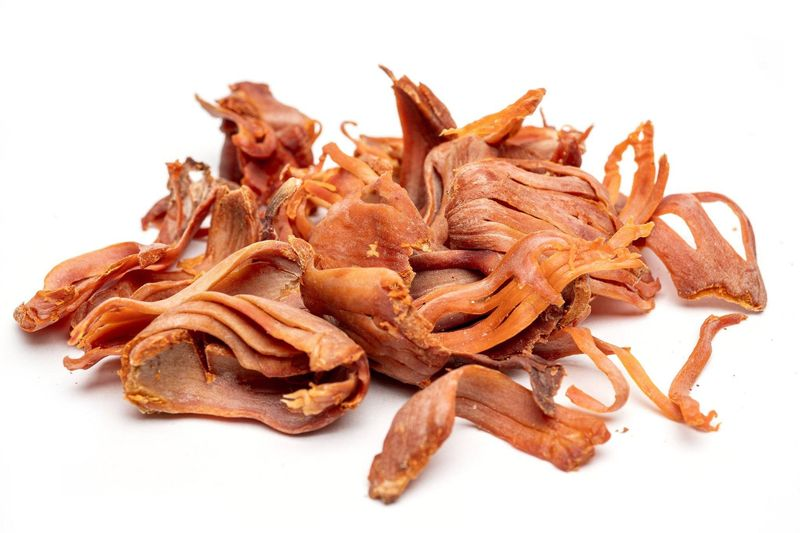
This delicate spice comes from the same fruit as nutmeg but offers a gentler profile. Its warm aroma suits both sweet and savoury dishes.
Whole pieces are often infused into liquids and removed before serving. Once ground, it’s best used fairly promptly to retain fragrance.
It brings subtlety where nutmeg might feel overpowering.
19. Sorghum Syrup
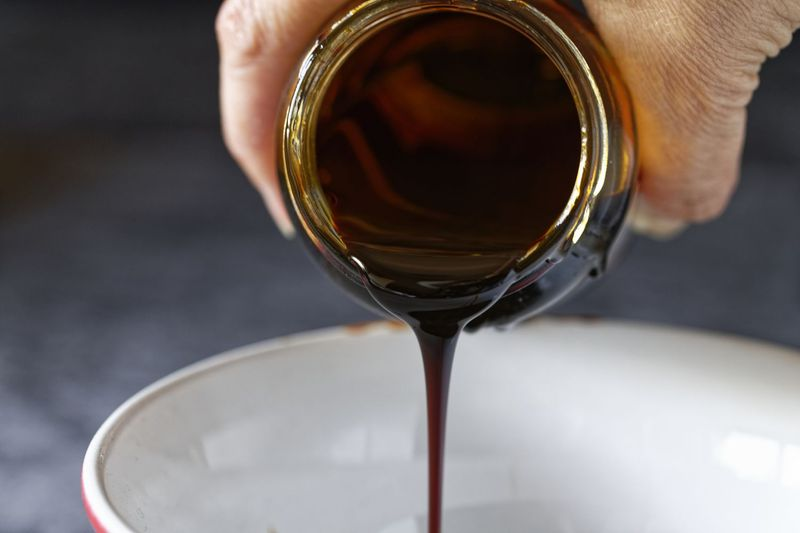
Pressed from sweet sorghum, this syrup has a mild, rounded sweetness. Its flavour sits somewhere between molasses and honey.
Long valued in Southern cooking, it works well drizzled or baked into recipes. Heat brings out its caramel notes without harshness.
It adds character without overwhelming other ingredients.
20. Chestnut Flour
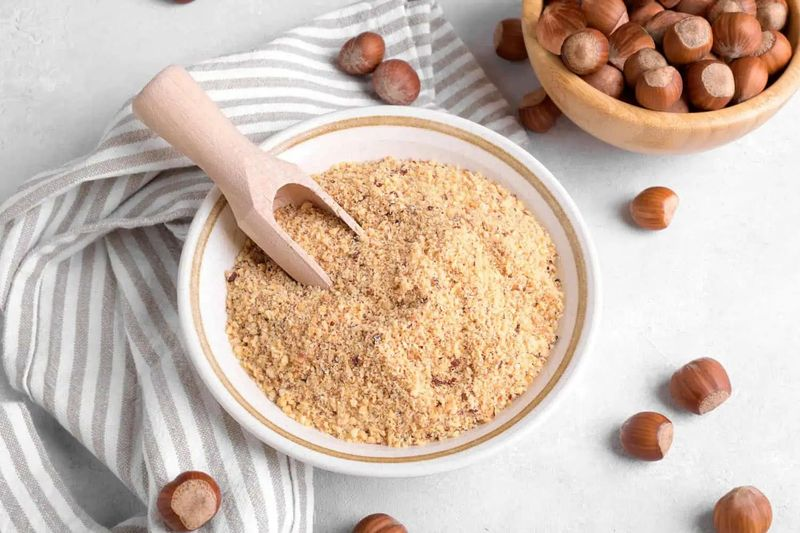
Ground from dried chestnuts, this naturally sweet, gluten-free flour sustained mountain communities across Europe for centuries. Chestnut flour brings earthy, nutty sweetness to pancakes, cakes, and pasta whilst adding moisture that keeps baked goods tender for days.
Italian castagnaccio, a dense chestnut cake studded with rosemary and pine nuts, showcases its unique character. Mix it with wheat flour for complex flavour, or use it alone in gluten-free baking where its natural sweetness reduces the need for added sugar considerably.



