













Rice is one of those everyday ingredients that sneaks into more dishes than you might think. Beyond the fluffy white grains on your dinner plate, this humble crop transforms into surprising foods from all around the world.
Get ready to discover some unexpected rice creations and learn fascinating tidbits about this incredible grain that feeds billions of people every single day.
All information is provided for general interest only. Ingredients, preparation methods, and availability may vary.
1. Foods You Didn't Realise Are Made With Rice
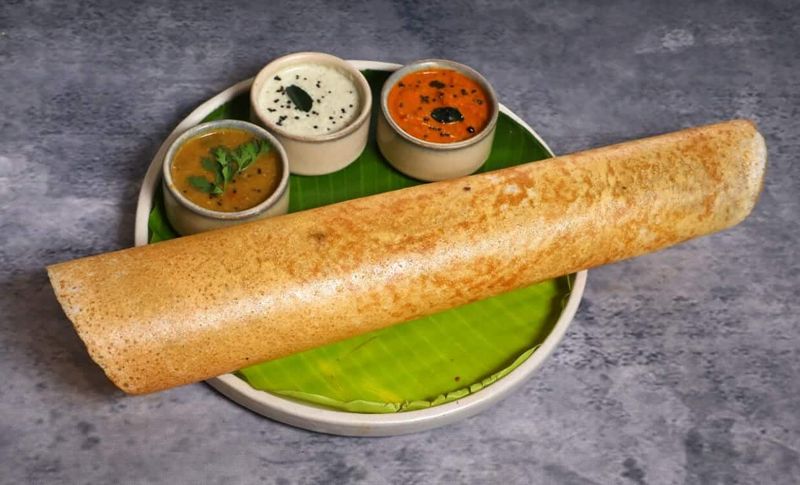
Rice turns up in far more everyday foods than most people ever stop to think about. Long before it reaches your plate as a side dish, it’s been ground, fermented, soaked, or transformed into textures that look nothing like grains.
The next four foods show some of the most surprising ways rice quietly works its way into familiar dishes.
2. Mochi
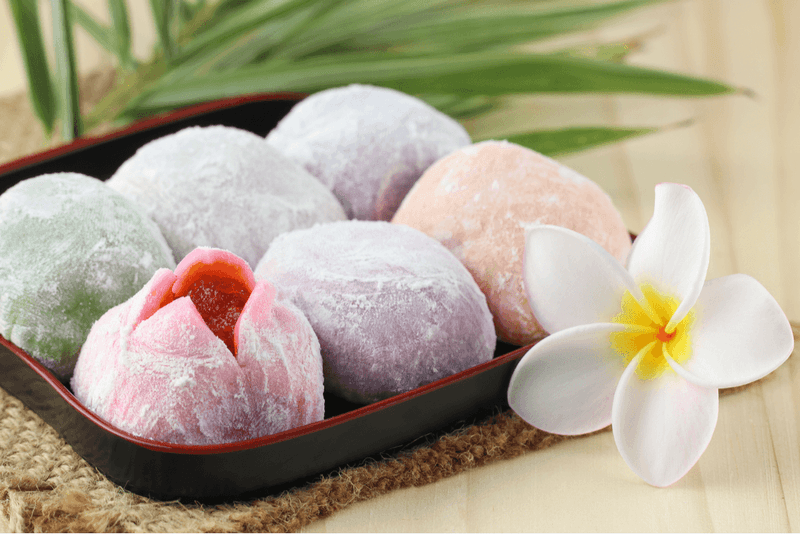
Ever tried a chewy, stretchy sweet treat that bounces back when you bite it? That's mochi, a Japanese delicacy made by pounding sticky rice until it becomes incredibly smooth and elastic.
The process takes serious muscle power and patience. Families traditionally make it during New Year celebrations, turning it into a fun group activity.
You'll find mochi filled with sweet red bean paste, ice cream, or enjoyed plain with a dusting of sugar.
3. Horchata
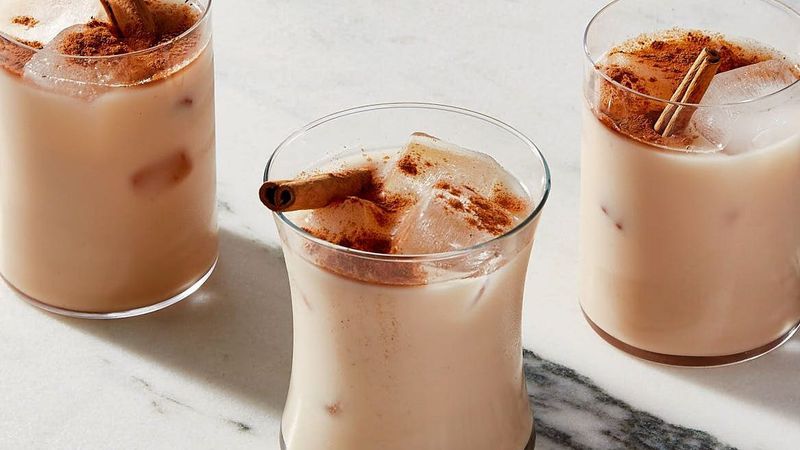
This creamy, cinnamon-spiced drink from Spain and Latin America tastes like liquid heaven on a hot day. Spanish horchata uses tiger nuts, but the Mexican version relies entirely on ground rice mixed with water, sugar, and warming spices.
The rice gets soaked overnight, then blended and strained to create a smooth, milk-like beverage. It's naturally dairy-free and refreshingly sweet.
Street vendors across Mexico serve it ice-cold alongside spicy tacos.
4. Arancini
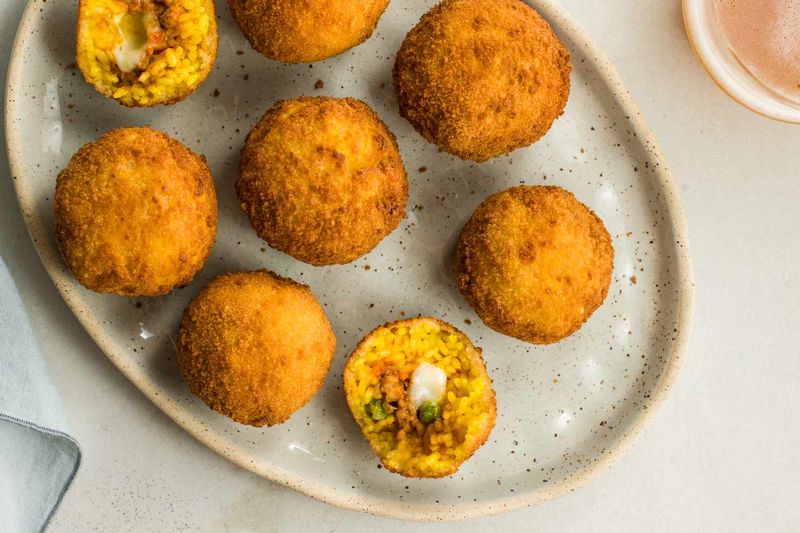
Sicily's gift to snack lovers everywhere, these golden-fried rice balls hide melted cheese or ragù inside their crispy coating. Leftover risotto gets shaped into spheres, stuffed with delicious fillings, then rolled in breadcrumbs before taking a hot oil bath.
The name means "little oranges" because of their round shape and colour. Each bite delivers a satisfying crunch followed by creamy, flavourful rice.
They're absolutely brilliant as party food or street snacks.
5. Dosa
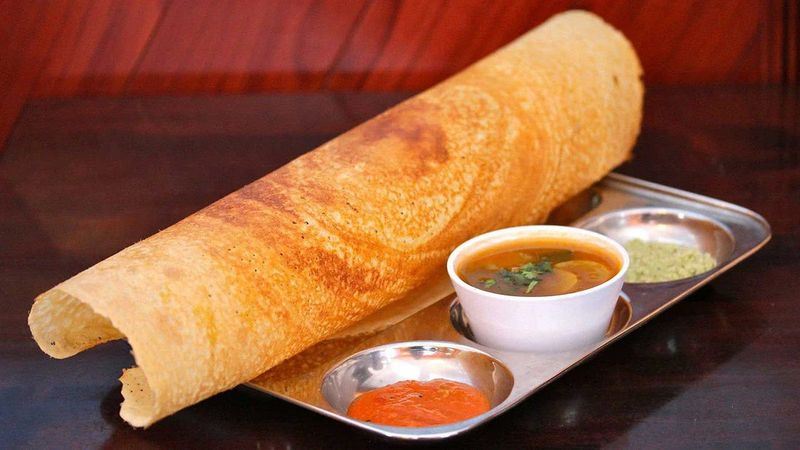
Imagine a paper-thin, crispy crepe that's nearly a metre long and makes the most satisfying crackle when you break it. Dosa batter combines fermented rice and lentils, spread ultra-thin on a hot griddle until golden and lacy.
South Indian families have perfected this breakfast staple over generations. The fermentation creates little air pockets that make each bite wonderfully crisp yet tender.
Stuff it with spiced potatoes or enjoy it plain with chutneys.
6. Fun Facts About This Grain
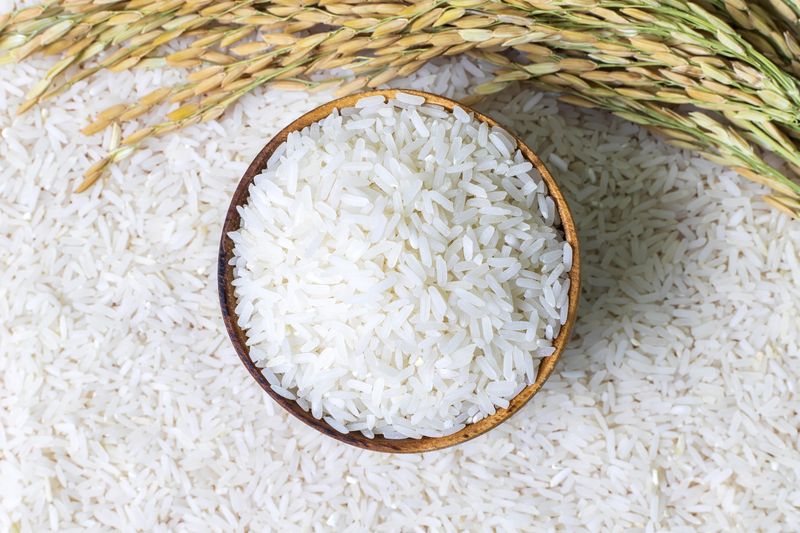
Few ingredients have travelled as widely or adapted as easily as rice. It feeds billions of people daily and plays very different roles depending on where and how it’s used.
The next five slides share fun facts that reveal just how versatile and influential this grain really is.
7. Rice Is A Staple Food For More Than Half Of The World's Population
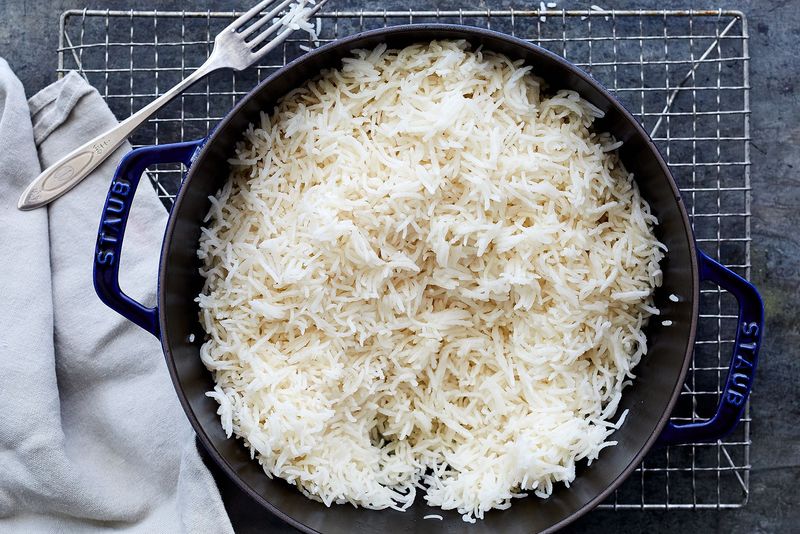
Across continents and cultures, rice sits at the centre of daily meals for billions of people. In many parts of Asia, Africa, and Latin America, it provides a major portion of daily energy thanks to its carbohydrate content and essential nutrients such as B vitamins.
Generations of families have built traditional recipes and cooking techniques around this dependable grain. Its ability to grow in varied climates and soil conditions makes it one of the most accessible food crops worldwide.
Feeding large populations would look very different without rice playing such a crucial role.
8. There Are Over 40,000 Known Varieties Of Rice
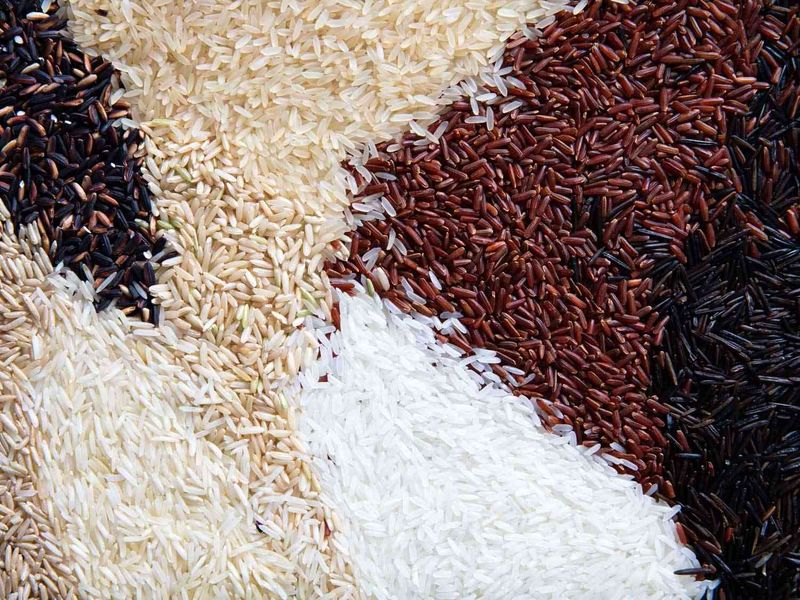
From sticky short-grain to fragrant basmati, from black forbidden rice to red cargo rice, the diversity is absolutely mind-blowing. Each variety has unique flavours, textures, and growing requirements suited to specific regions and dishes.
Some cook up fluffy and separate, whilst others turn wonderfully creamy and clingy. Farmers have cultivated these varieties over thousands of years through careful selection.
You could eat a different type every day for over a century and still have more to try!
9. Rice Can Grow In Flooded Fields Called Paddies
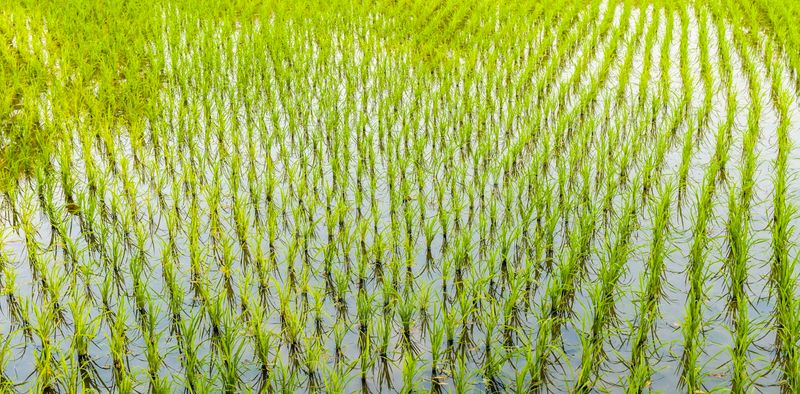
Many varieties of rice are traditionally cultivated in shallow, flooded fields known as paddies. The water helps control weeds, supports consistent growth, and can protect plants from certain pests.
Farmers carefully manage water levels throughout the growing season to support healthy crops. These flooded fields are especially common across parts of Asia, where rice farming has been practised for thousands of years.
Modern techniques still use paddies, although some rice varieties can also be grown in dry fields.
10. Brown Rice And White Rice Come From The Same Grain
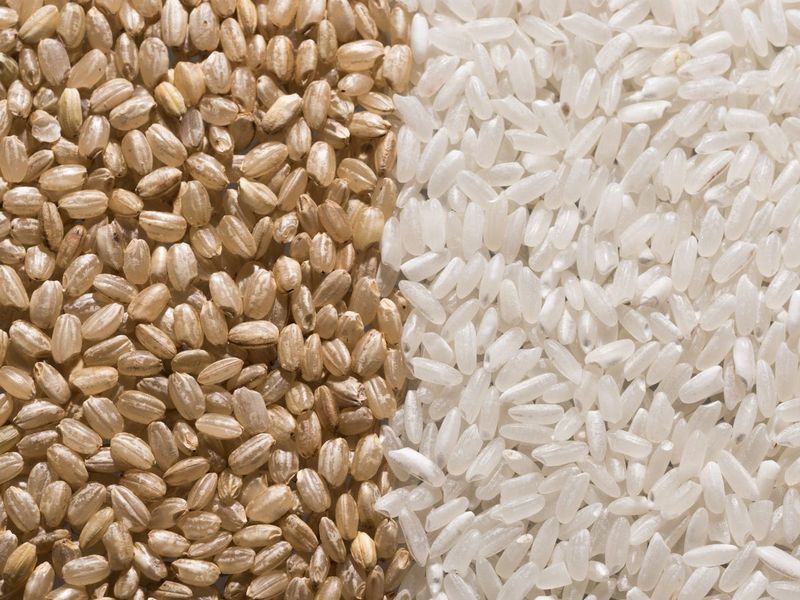
Both brown rice and white rice begin as the exact same whole grain harvested from the rice plant. Brown rice keeps its outer bran and germ layers, which give it a nuttier flavour and slightly firmer texture.
White rice is created by removing those outer layers during processing, leaving only the starchy centre of the grain. This refining process gives white rice a softer texture and longer shelf life.
The difference between the two comes entirely from how the grain is milled after harvest.
11. Rice Is Naturally Gluten Free
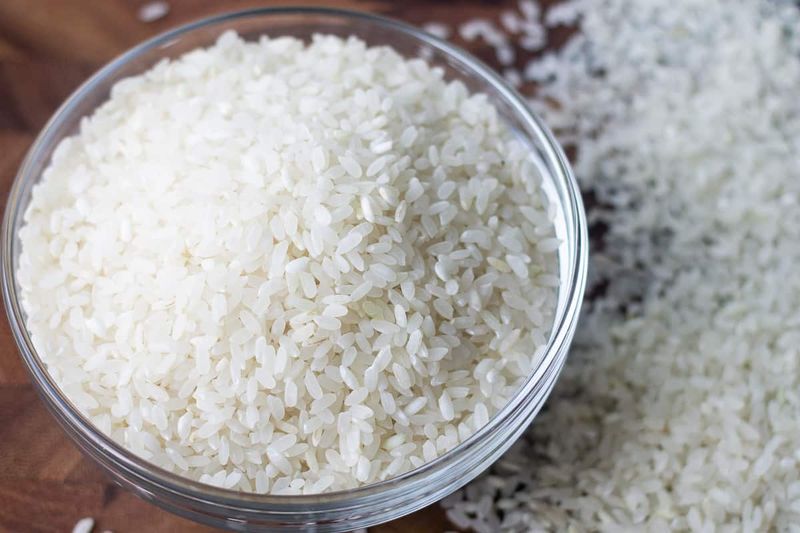
For anyone avoiding gluten, rice often becomes a reliable and versatile kitchen staple. Unlike grains such as wheat, barley, and rye, rice is naturally free from gluten, which is why it appears so frequently in alternative recipes.
Rice flour works beautifully in everything from breads to noodles and even desserts, helping recreate familiar favourites in a different way. Many global cuisines rely heavily on rice as a daily ingredient, making it easy to include in a wide range of meals.
Foods prepared with rice are generally suitable for gluten-free diets when handled carefully to avoid cross-contact with other grains.



