










Not so long ago, many familiar foods slipped into the trolley without much thought – part of the normal rhythm of a weekly shop. Fast forward a couple of decades, and some of those same items now feel like treats rather than everyday staples.
Rising farming costs, changing tastes, climate pressures, and global demand have slowly nudged prices upward, reshaping what feels affordable in British kitchens. What once supported simple home cooking now often carries a sense of occasion, prompting shoppers to pause before adding it to the basket.
All information is provided for general interest only and may not reflect current prices or regional availability. Taste, appearance, and product availability can vary by location and season.
Photos are for illustrative purposes only.
1. Lobster
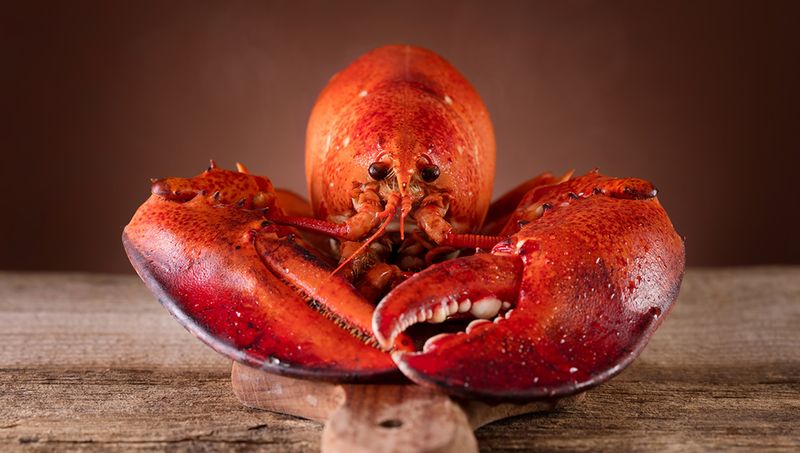
Back in Victorian times, prison inmates complained about being fed lobster too often – imagine that drama today! Twenty years ago, you could pick up a whole lobster for under a tenner at most fishmongers.
Now you're looking at £25 or more for the same crustacean. Overfishing and increased demand from fancy restaurants have pushed prices through the roof.
What once graced working-class tables has become the ultimate date night splurge.
2. Oysters
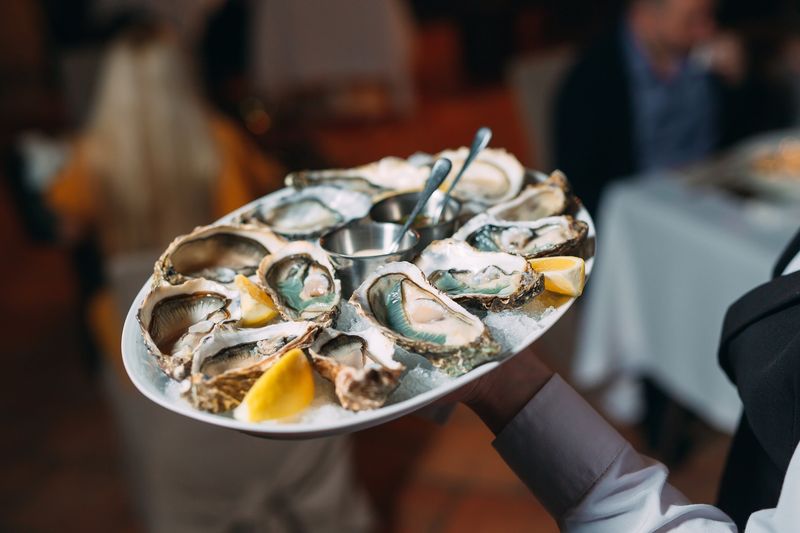
Street vendors used to sell oysters by the dozen to London's poorest workers for pennies. Fast forward to 2004, and a dozen native oysters cost around £8 in most pubs.
Today, you'll easily pay £18 or more for the same dozen, assuming you can find them. Pollution, disease, and climate change have decimated oyster beds around British coasts.
These salty little treasures have transformed from pub grub into fine dining exclusivity.
3. Caviar
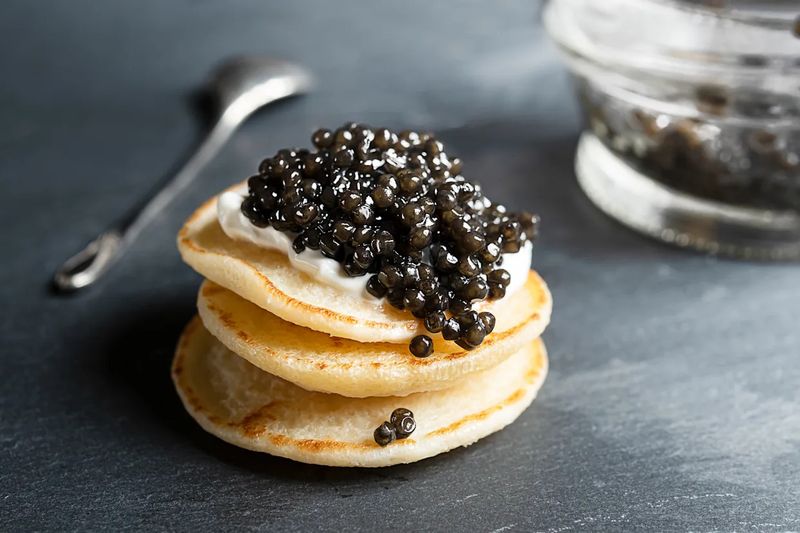
Believe it or not, caviar was once so common in America that bars served it free with drinks.Even in Britain, decent caviar remained relatively affordable for special occasions twenty years back.
Overfishing of sturgeon has made proper caviar rarer than hen's teeth. A small tin that cost £30 in 2004 now demands £80 or more.
Most of what you'll find today comes from farmed fish, but even that carries luxury pricing.
4. Monkfish
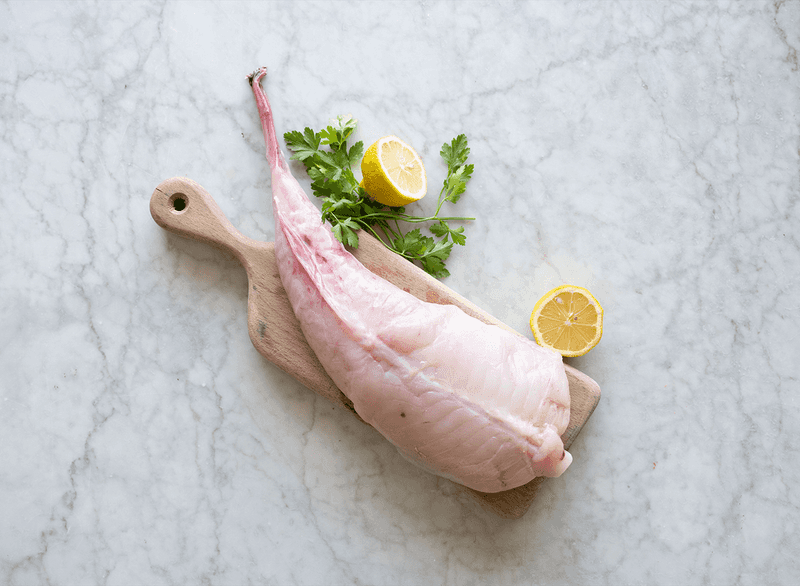
Fishermen used to chuck monkfish back into the sea because nobody wanted the ugly buggers. Twenty years ago, adventurous home cooks could bag monkfish tails for around £12 per kilo.
Celebrity chefs discovered its meaty texture and dubbed it 'poor man's lobster', ironically making it anything but poor man's food. Now you'll pay £25 or more per kilo for what was once fishing industry waste.
Sometimes marketing really is everything, isn't it?
5. Flank Steak
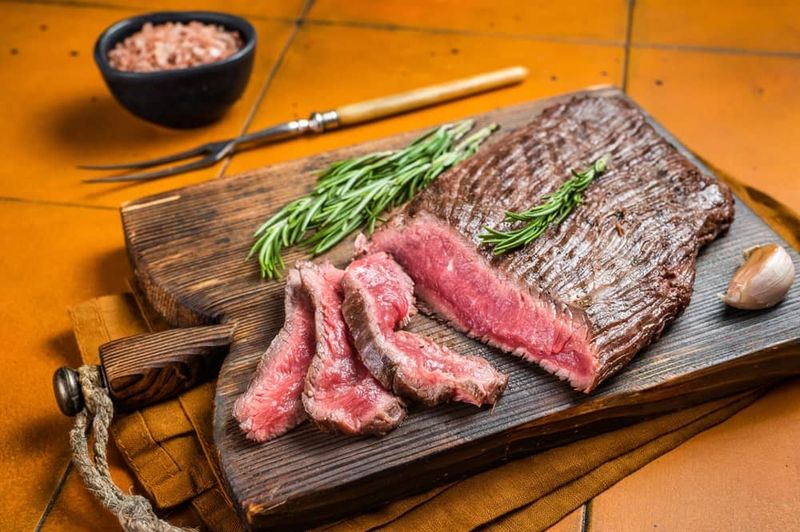
Butchers practically gave away flank steak twenty years ago because most Brits didn't know what to do with it. You could easily snag a piece for £6 per kilo at your local shop.
Then barbecue culture exploded, and everyone discovered how brilliant flank steak is for grilling. Now it commands £18 per kilo or more, competing with premium cuts.
This tough old piece of beef has muscled its way into the luxury league through sheer flavour and clever marketing.
6. Skirt Steak
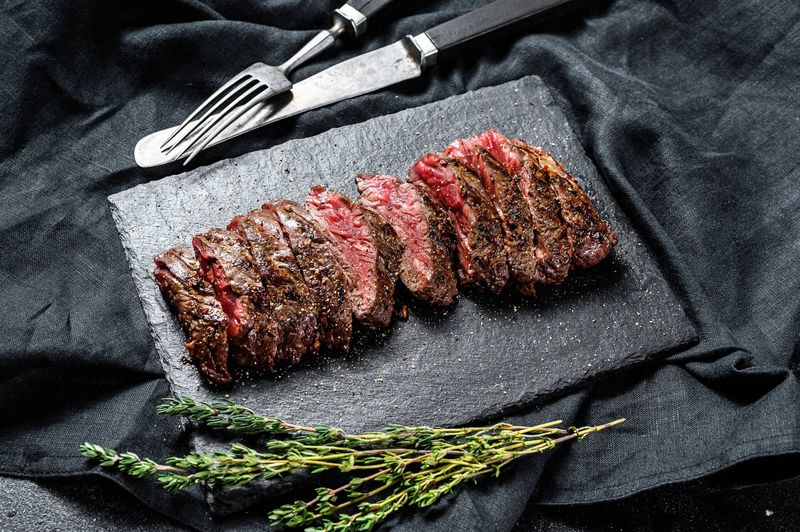
Another victim of the barbecue boom, skirt steak used to be the butcher's secret weapon for budget-conscious families. Twenty years ago, £5 per kilo was standard pricing.
Food bloggers and TV chefs started raving about its intense beefy flavour when cooked properly. Suddenly everyone wanted this formerly humble cut, pushing prices up to £16 per kilo or higher.
The butcher's best-kept secret became everyone's expensive obsession practically overnight.
7. Short Ribs
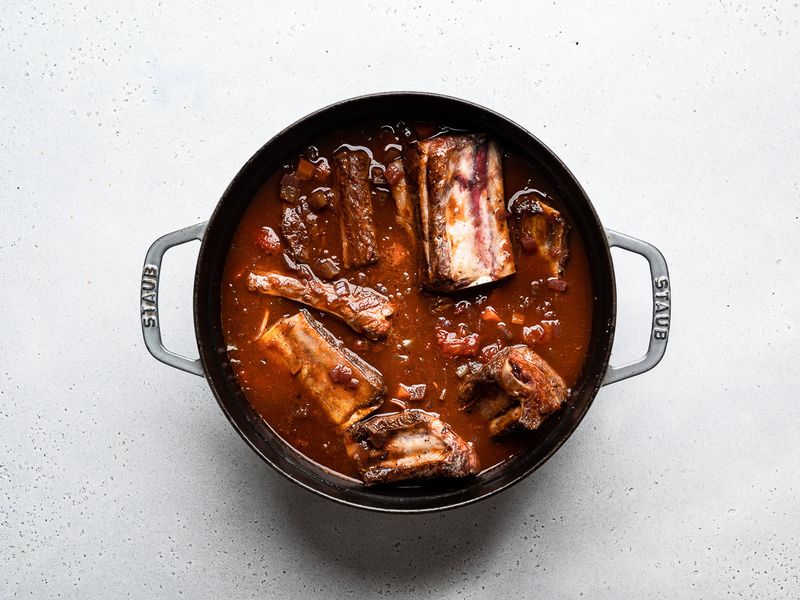
Your gran probably made amazing stews with short ribs that cost next to nothing. Twenty years ago, these beefy beauties sold for around £4 per kilo at most butcher shops.
Korean cuisine's popularity introduced Brits to galbi, while American-style barbecue made short ribs trendy. Now you're looking at £15 per kilo minimum for what used to be soup bones.
Slow cooking trends have turned grandma's budget ingredient into restaurant gold. Sometimes nostalgia comes with a hefty price tag.
8. Sardines
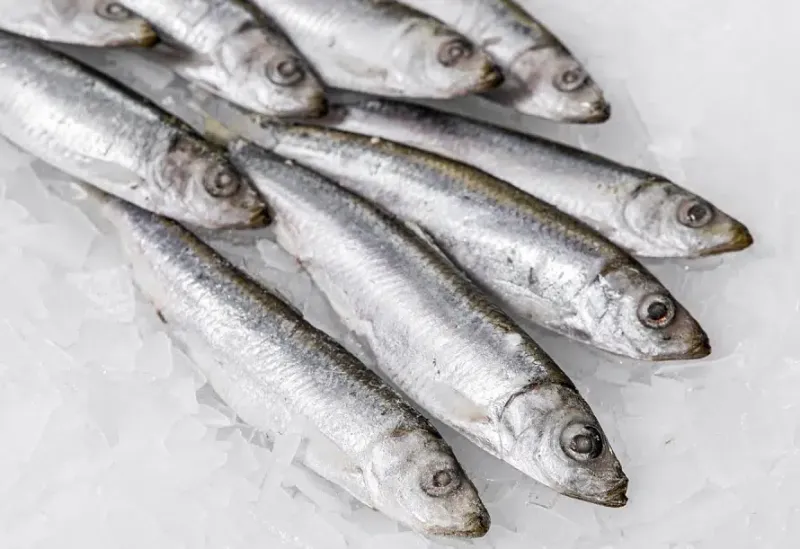
Fresh sardines were the ultimate cheap and cheerful fish twenty years ago, costing around £3 per kilo when you could find them. Most people only knew the tinned variety.
Overfishing in European waters has made fresh sardines increasingly scarce around British coasts. Health-conscious foodies discovered their omega-3 benefits, driving demand through the roof.
Now you'll pay £12 per kilo or more for these silvery swimmers. Even the humble sardine has joined the luxury fish club.
9. Unusual Cuts Of Beef
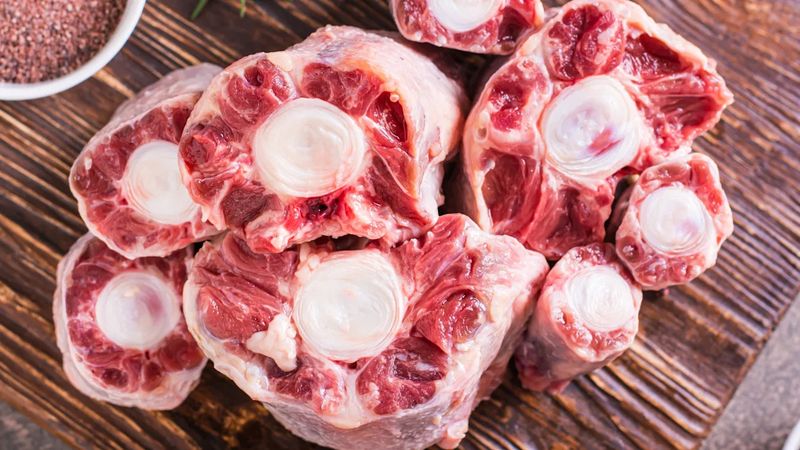
Oxtail, brisket, and marrow bones were proper working-class fare twenty years back. Butchers sold these 'lesser' cuts for £3-5 per kilo to anyone willing to put in the cooking time.
Nose-to-tail eating became fashionable, and slow cooking trends exploded across social media. Suddenly everyone wanted these flavourful cuts that require patience and skill.
Now you'll pay £12-18 per kilo for what granny considered cheap eats. Traditional British cooking has become accidentally trendy and expensive.
10. Eggs
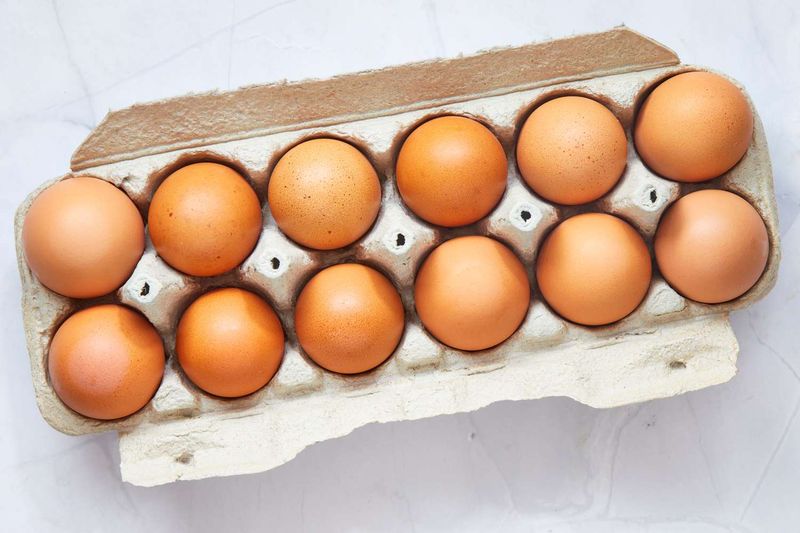
Remember when a dozen eggs cost 80p and nobody thought twice about it?
Those were simpler times, mate. Twenty years ago, even free-range eggs rarely topped £1.50 per dozen.Bird flu outbreaks, feed cost increases, and higher welfare standards have sent prices soaring.
Now you'll easily pay £3 for decent free-range eggs, with some fancy varieties costing even more. The humble egg has cracked its way into premium territory, making weekend fry-ups feel properly posh.
11. Avocados
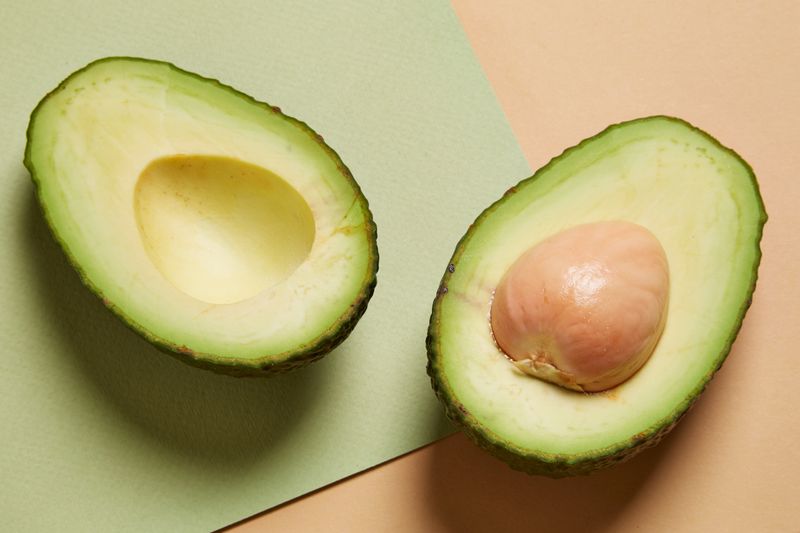
Once known as the humble fruit of tropical regions, avocados were not always the pricey indulgence they are today. Twenty years ago, they graced tables as a budget-friendly, nutritious addition.
Now, with the rise of health trends and guacamole's popularity, avocados have become a symbol of healthy eating, driving up prices significantly.
Their creamy texture and rich flavor make them a versatile ingredient, but their cost has transformed them into a luxury for many.
12. Vanilla Beans

Vanilla beans, once a kitchen staple, have become a rare delicacy. In the past, they were inexpensive and widely used in baking and desserts.
However, a combination of environmental challenges and labor-intensive cultivation has skyrocketed their price. The warm, aromatic scent and flavor of real vanilla is now considered a luxury, often replaced by synthetic alternatives in recipes.
Cultivated primarily in Madagascar, vanilla's journey from farm to table has become an expensive endeavor, adding to its exclusivity on the market.
13. Extra Virgin Olive Oil
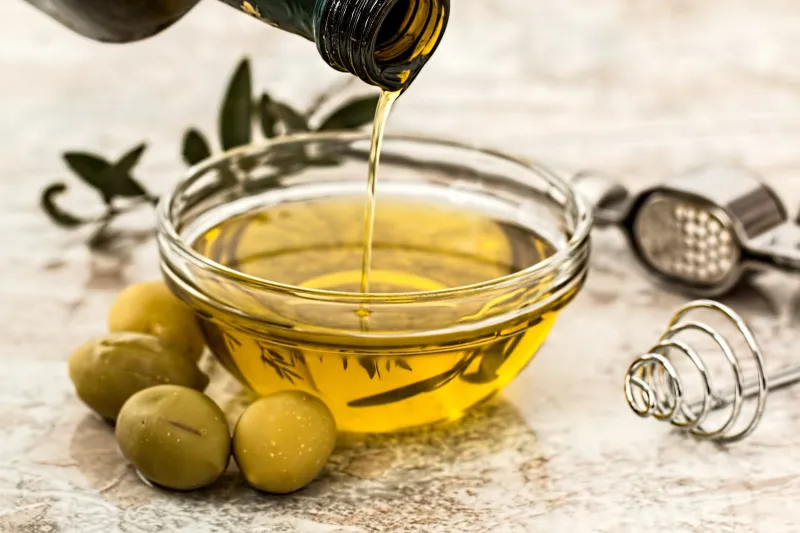
A good bottle of olive oil used to be a quiet kitchen essential rather than a budgeting decision. Twenty years ago, supermarket shelves offered reliable Mediterranean oils at prices that made generous drizzling and frying feel completely normal.
Weather disruptions in olive-growing regions, rising transport costs, and increased global demand have steadily pushed prices upward, especially for cold-pressed and single-origin varieties. Many shoppers now reserve higher-quality oils for finishing dishes rather than everyday cooking, treating them more like a seasoning to savour than a cupboard staple.
14. Mature Cheddar Cheese
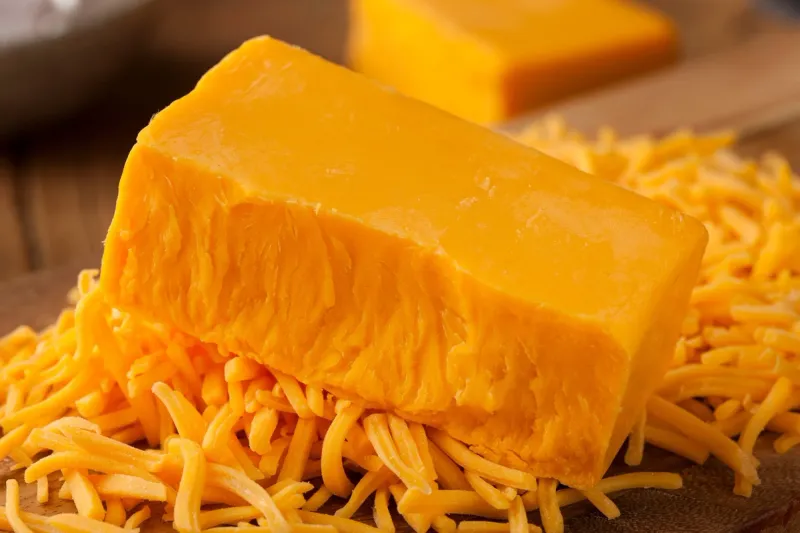
Cheddar has long been a British fridge regular, stacked into sandwiches, grated over bakes, and sliced for quick snacks. While blocks of decent cheese were once easy to buy in larger quantities without blinking at the cost, milk prices, animal welfare standards, and longer maturation processes have driven steady increases.
Farmhouse and traditionally matured cheddars now sit firmly in premium territory, often saved for cheeseboards or special meals. Even supermarket own-label versions feel noticeably pricier than they once did, quietly shifting cheese from everyday filler to considered indulgence.