













Food trends often reflect social status as much as flavour, with certain ingredients once viewed as luxurious symbols of exclusivity. Over time, some of these items have shifted in meaning as they became widely available or overly styled for attention rather than enjoyment.
Changing dining habits reveal how quickly public perception can turn, especially when presentation starts to overshadow practicality. Many people have seen menu items that feel more like a performance than a genuine culinary choice.
These evolving food symbols highlight how status and taste continue to influence what appears impressive on the plate.
The information shared here is provided for general informational purposes only. Perceptions of food trends, availability, and cultural attitudes can vary widely based on region, personal taste, and dining experiences.
1. Gold Leaf-Topped Desserts
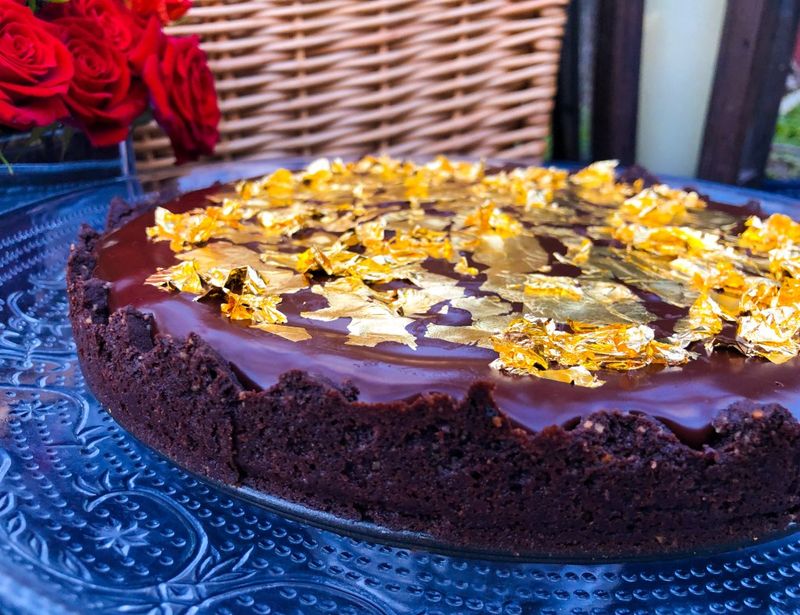
Actual gold on your pudding sounds fancy until you realise it tastes like absolutely nothing. Chefs started adding gold leaf to elevate their creations, but now it's everywhere from supermarket cupcakes to hotel breakfast buffets.
The shine doesn't add flavour, texture, or anything except a hefty price tag. When something becomes more about the Instagram photo than the eating experience, you know it's gone too far.
2. Overloaded Milkshakes With Excess Toppings
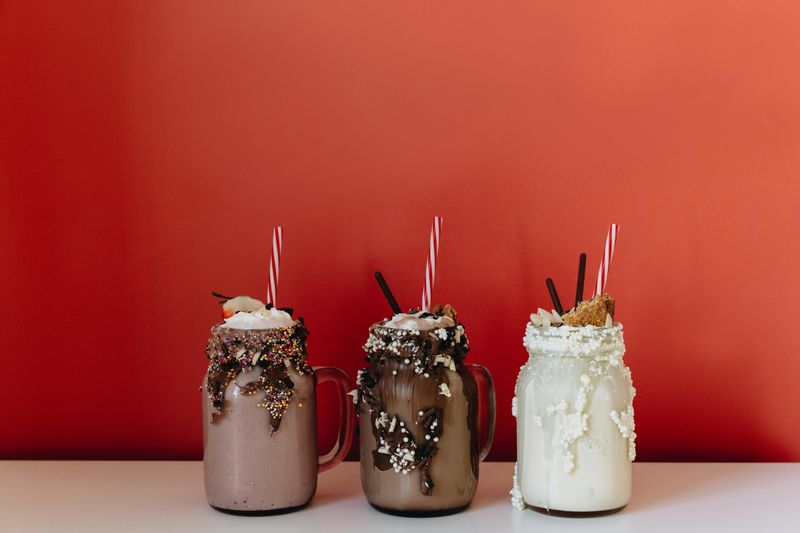
Towering milkshakes piled high with sweets and baked treats have become a visual centrepiece in many dessert menus. The playful presentation often turns an ordinary drink into something that feels like a celebration in a glass.
While the generous toppings can make them tricky to enjoy neatly, many people order them for the experience as much as the flavour. Sharing one between friends has even become part of the fun in some cafés.
These elaborate desserts continue to blur the line between drink and sweet treat while keeping their playful appeal.
3. Truffle Oil On Everything
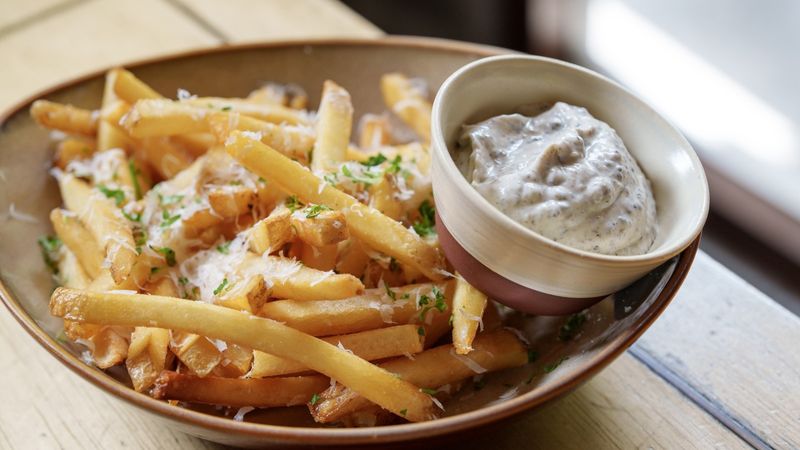
Truffle oil has become a popular way to add an earthy aroma to everyday dishes. Some versions are made using real truffle extracts, while others rely on flavour compounds designed to recreate the scent.
The bold taste can quickly change the character of foods like chips, pasta, or eggs when used sparingly. Many chefs treat it as a finishing touch rather than the main flavour in a dish.
When balanced carefully, it can add a distinctive note without overwhelming the ingredients around it.
4. Caviar-Topped Fast Food
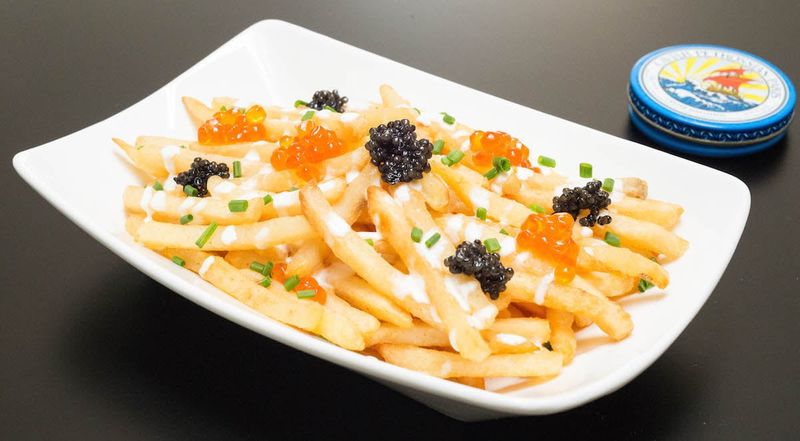
Pairing luxury ingredients with casual favourites has become a playful trend in modern dining. The contrast between delicate seafood roe and familiar comfort foods creates an unexpected flavour combination that sparks curiosity.
Some diners enjoy the novelty of blending fine dining elements with relaxed street-style meals. Others prefer to enjoy each ingredient in its more traditional setting.
These creative pairings highlight how chefs continue experimenting with familiar and premium ingredients in surprising ways.
5. Excessively Tall Layer Cakes
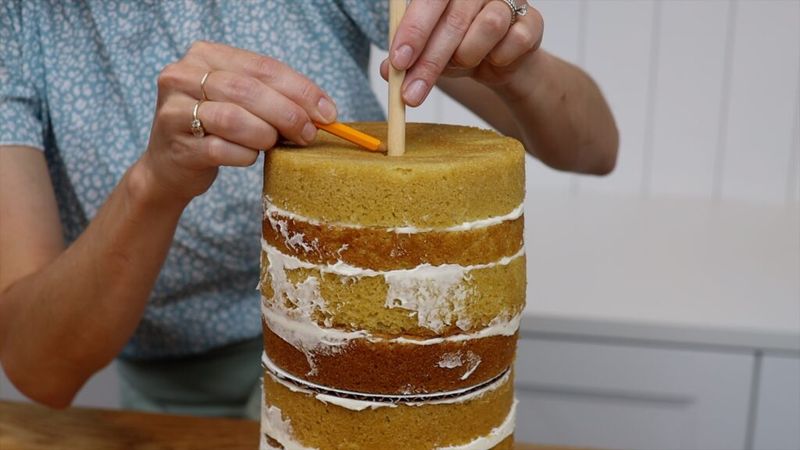
Celebration cakes have grown more dramatic over time, often featuring multiple layers designed to create a memorable centrepiece. Skilled bakers use support structures and careful techniques to ensure these impressive cakes remain stable and sliceable.
The added height allows for creative decoration and flavour combinations stacked within each layer. While serving can take a little extra care, these cakes often become a highlight at special gatherings.
Their visual impact continues to make them a popular choice for milestone celebrations.
6. Designer Burgers With Unnecessary Fillings
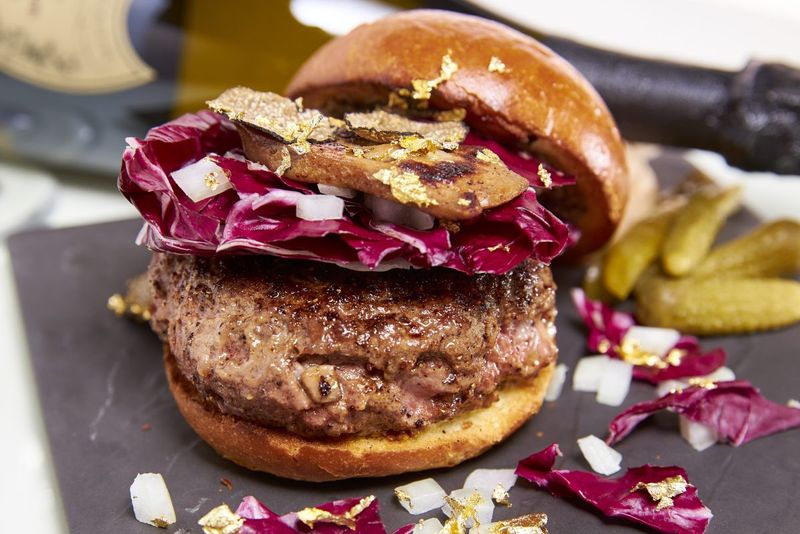
Creative burger menus have encouraged chefs to experiment with bold toppings and unusual ingredient combinations. These imaginative builds often turn a familiar comfort food into something designed to feel indulgent or luxurious.
Some diners enjoy the layered textures and complex flavours that come with these stacked creations. Others still prefer simpler versions that focus on classic balance and ease of eating.
The variety reflects how burgers continue evolving while offering options for different tastes.
7. Lobster Mac And Cheese In Every Setting
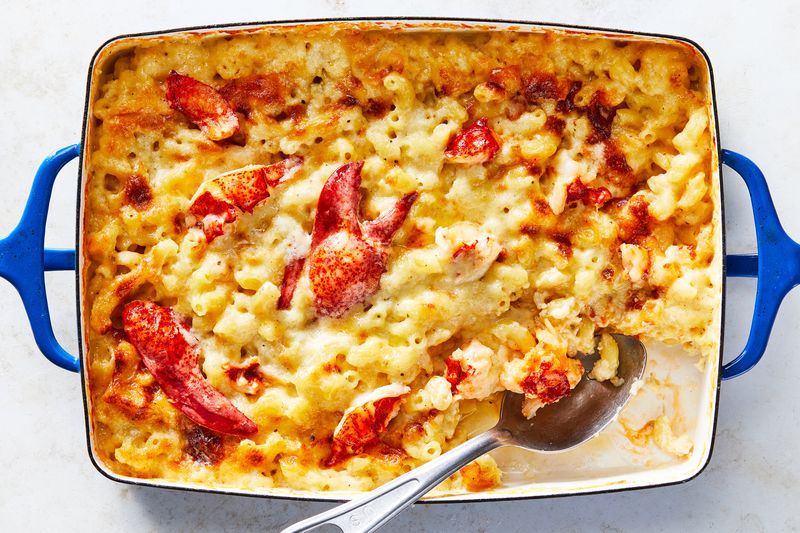
Combining seafood with creamy pasta dishes became popular as chefs searched for ways to elevate traditional comfort foods. The sweet, delicate flavour of lobster pairs naturally with rich cheese sauces when prepared carefully.
Many restaurants continue offering this dish as a special menu option for diners seeking something indulgent. The recipe has adapted over time, with variations appearing in both casual and fine dining settings.
Its continued presence shows how familiar dishes can evolve while still feeling comforting and satisfying.
8. Edible Gold-Covered Steaks
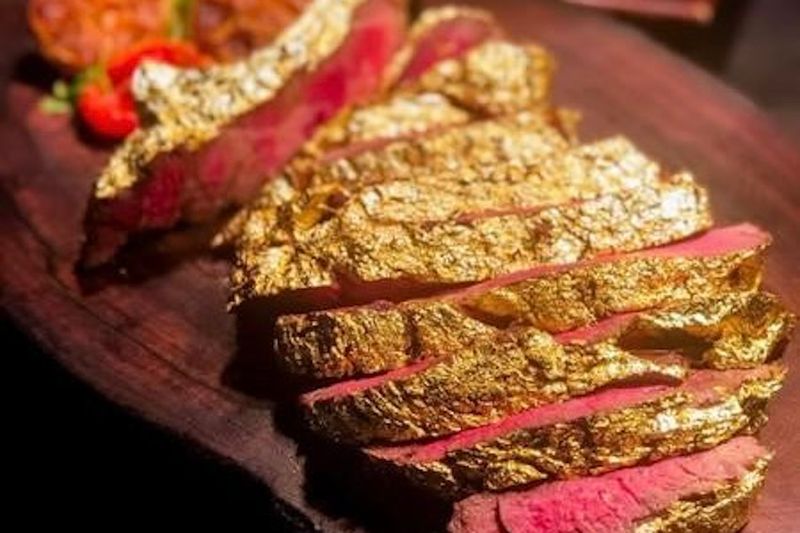
Wrapping a perfectly good steak in gold leaf is like framing a masterpiece and then covering the glass in glitter. The gold adds nothing - no flavour, no texture, just unnecessary expense.
A quality cut of beef should speak for itself through proper ageing, seasoning, and cooking. When you need to cover it in precious metal to justify the price, something's gone terribly wrong with your priorities and your understanding of good food.
9. Luxury Wagyu Sliders With Heavy Garnishes
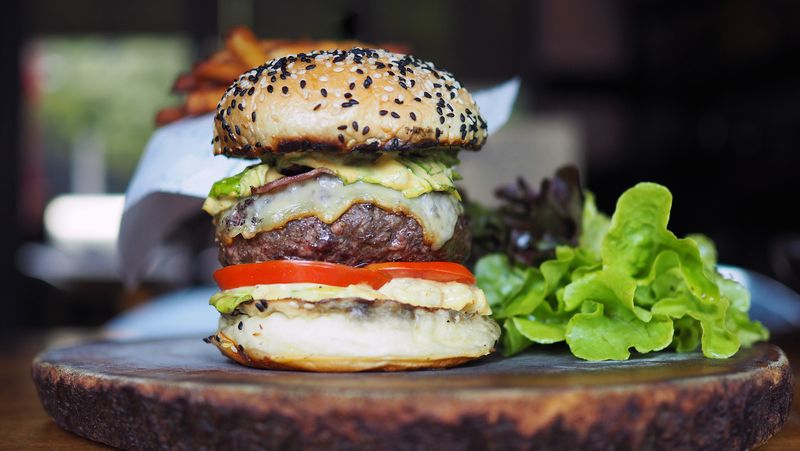
High-quality beef known for its rich marbling has inspired chefs to experiment with smaller portion dishes that highlight its tenderness. Serving it in slider form allows diners to sample premium ingredients in a more approachable way.
Additional toppings often aim to complement the natural richness of the meat rather than overpower it. Careful pairing can create a layered flavour experience that feels balanced and memorable.
These miniature dishes continue to showcase how luxury ingredients can be presented in creative formats.
10. Foie Gras-Topped Starters Everywhere
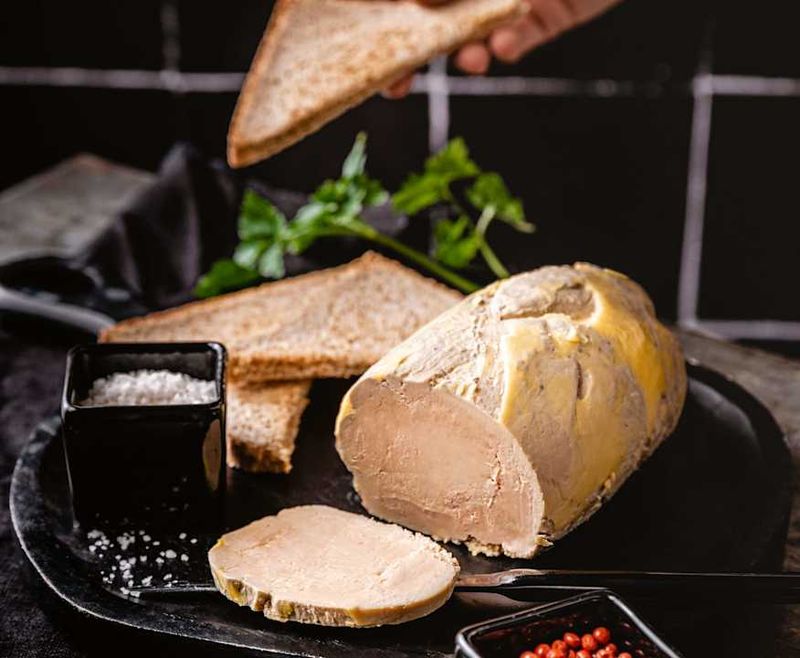
Rich liver delicacies have long been associated with celebratory dining and refined menus. Chefs often use small portions to add depth and richness to appetisers and tasting plates.
When paired thoughtfully with sweet or acidic elements, the ingredient can create a balanced flavour profile. Its presence on menus reflects a continued appreciation for traditional culinary techniques.
Many diners still view it as a dish best enjoyed occasionally as part of special dining experiences.
11. Overdecorated Charcuterie Boards
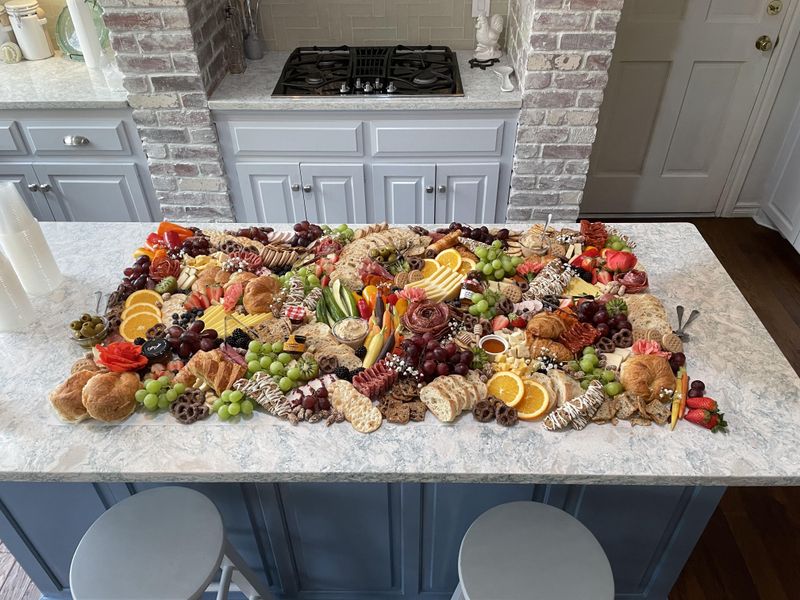
Sharing platters filled with cured meats, cheeses, and accompaniments have become popular centrepieces at gatherings. Creative presentation styles often turn these boards into colourful displays designed to impress guests.
While appearance plays a role, the combination of textures and flavours remains the main appeal. Hosts often customise boards to reflect seasonal ingredients or personal preferences.
The trend highlights how shared dining experiences can blend creativity with relaxed social eating.



