









Foods change quietly all the time, but every now and then you notice a shift happening on the shelves. Some familiar ingredients are being pushed out as new health rules tighten up, and it can feel a bit like watching the food world give itself a gentle spring clean.
There is something oddly satisfying about seeing what stays, what goes and why regulators decide a once ordinary ingredient is no longer worth keeping around.
This content is for general informational purposes only and should not be taken as health or dietary advice. Regulations may vary across regions, and readers should consult official guidance for the most accurate and up to date information. Photos are for illustrative purposes only.
1. Foods Containing Industrial Trans Fats

Industrial trans fats have been disappearing from UK shelves for years, thanks to voluntary reformulation by major producers. These dangerous fats are strongly linked to heart disease, prompting the government to follow WHO guidance toward complete elimination.
Although not officially banned, strict reformulation standards and regulatory pressure mean they are vanishing fast. Manufacturers switched to alternative oils, so your favourite snacks taste the same but are made with safer ingredients that protect your heart.
2. Foods Using Titanium Dioxide As A Whitening Additive
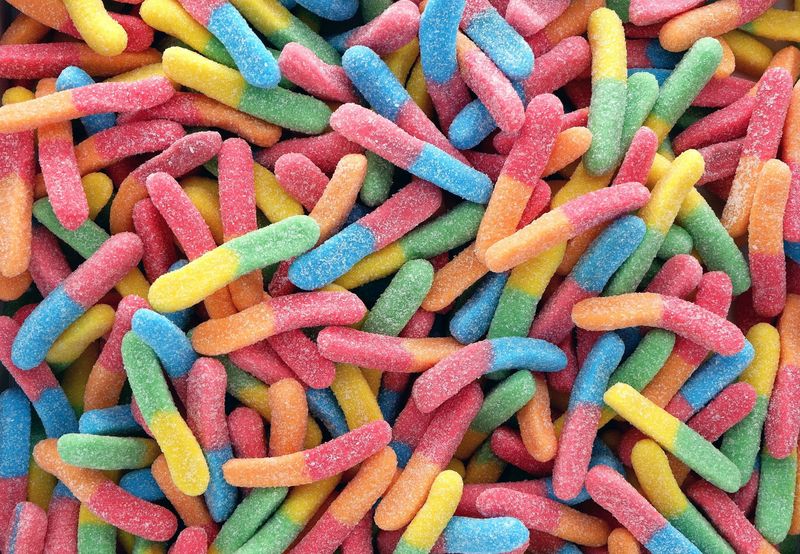
Titanium dioxide made foods look whiter and brighter, but it was banned in the EU after safety concerns emerged. The UK did not introduce the same ban, though many manufacturers selling across Europe have reformulated their products to keep recipes consistent in multiple markets.
As a result, some items now appear slightly less vibrant, but most shoppers will not notice a major difference. This gradual shift reflects a wider move toward simpler ingredient lists and less reliance on artificial whitening agents.
3. Drinks And Foods Made With Brominated Vegetable Oil
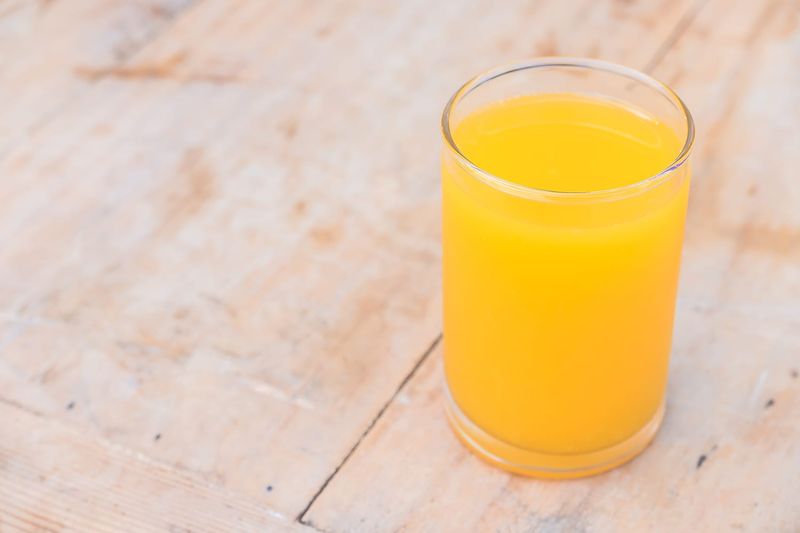
Brominated vegetable oil has been banned in the UK for years, along with the EU and Japan. New rules in other countries are now speeding up global reformulation, meaning imported goods containing BVO are disappearing too.
UK shoppers occasionally see news about this because internationally sold products must be updated to stay legal here. It is one of those hidden additives most people never knew existed, yet its removal keeps ingredient lists safer and more transparent.
4. Baked Goods Made With Potassium Bromate
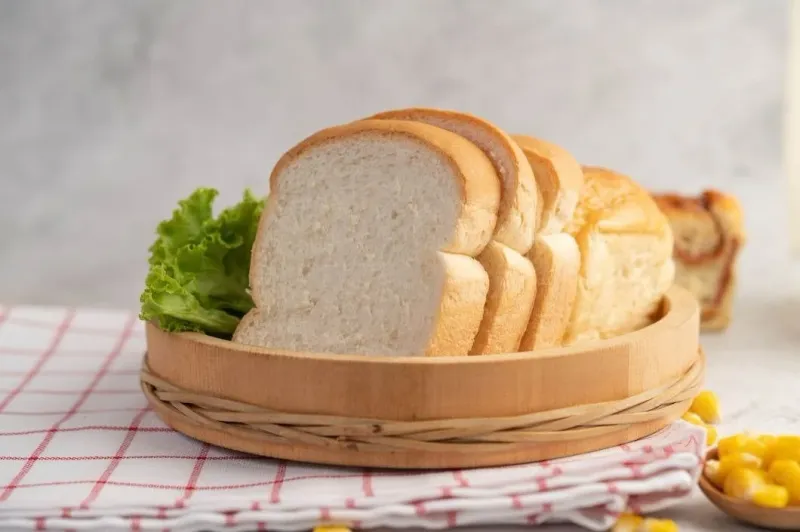
Potassium bromate is a flour improver linked to cancer risk in animal studies, and the UK banned it long ago. Because the United States is now tightening its own rules, more multinational companies are updating recipes worldwide.
That means fewer imported baked goods contain the additive, reinforcing the UK's long-standing precautionary approach. Even traditional British bakery staples now use alternative raising agents that do the job without the health concerns or regulatory risks.
5. Foods Preserved With Propylparaben
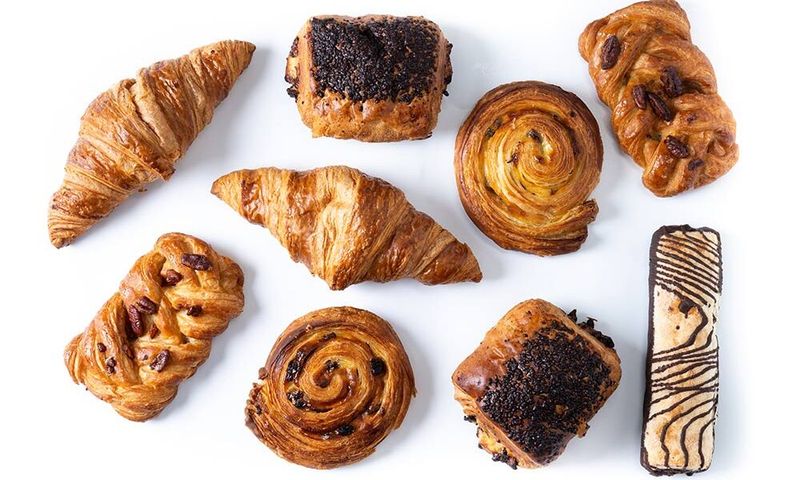
Propylparaben has been banned as a food additive in the UK and EU for nearly two decades because regulators could not confirm a safe intake level. As other countries start reviewing their own paraben rules, global food companies are moving away from this preservative altogether.
UK shelves now see far more products using alternative methods like refrigeration, natural acids, or shorter shelf lives. It is one of those quiet changes that happens behind the scenes but makes everyday food safer.
6. Foods Containing Certain Synthetic Dyes In Schools And Public Settings
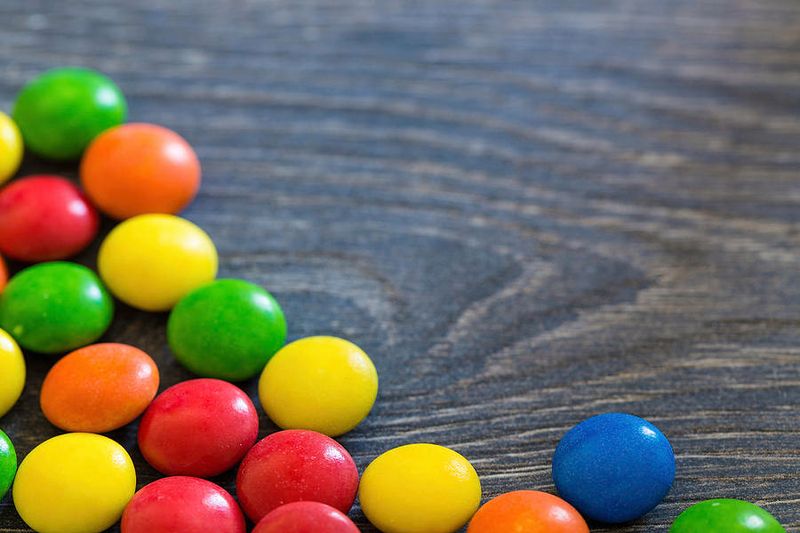
The UK requires warning labels on six specific artificial dyes linked to possible behavioural effects in children. This requirement has pushed many manufacturers to reformulate products rather than carry the label.
Schools and caterers across the UK now avoid these colours entirely, leading to a gradual shift toward natural colouring. As international rules tighten, the UK trend is moving steadily toward simpler, more transparent ingredient lists that parents can trust and understand.