













Every household has that one meal parents swear by and children eye with suspicion. It might be labelled wholesome, traditional or “good for you,” yet it rarely wins universal applause at the table.
Generational tastes don’t always line up, especially when convenience and nostalgia collide. What adults see as sensible and satisfying can feel dull or overly serious to younger eaters.
Mealtimes quickly turn into negotiations built around texture, flavour and presentation. The dishes coming up have sparked more than a few quiet standoffs over the years.
This article reflects common family food experiences and may vary by household and personal preference.
1. Porridge
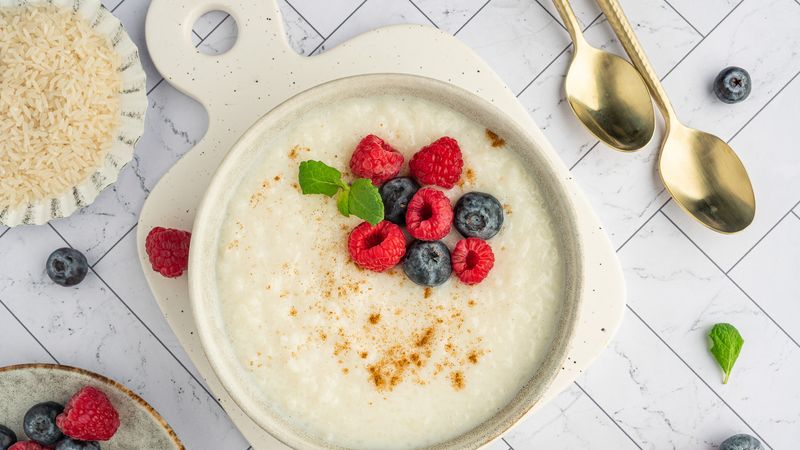
Early mornings often begin with a steaming bowl that adults insist is the perfect start to the day. Parents praise porridge as a fibre-packed, slow-release energy hero, happily stirring in honey, fruit, or cinnamon to make it extra appealing.
Children, however, tend to see a bowl of grey mush that looks far less inviting than advertised. The texture divides opinions instantly, and toppings rarely change young minds.
Even temperature becomes a battleground, with complaints if it’s too hot or awkwardly lukewarm.
2. Brussel Sprouts

Adults often praise these small green vegetables roasted with butter or seasoning, highlighting their nutritional value and deeper flavour. Many believe Brussels sprouts simply need the right cooking method to shine properly.
Children, however, tend to focus on the slightly bitter taste and firm texture that can feel unfamiliar. Even when paired with cheese or bacon, they may remain a tough sell at the dinner table.
It’s one of those foods that often earns appreciation later in life rather than during childhood.
3. Sardines
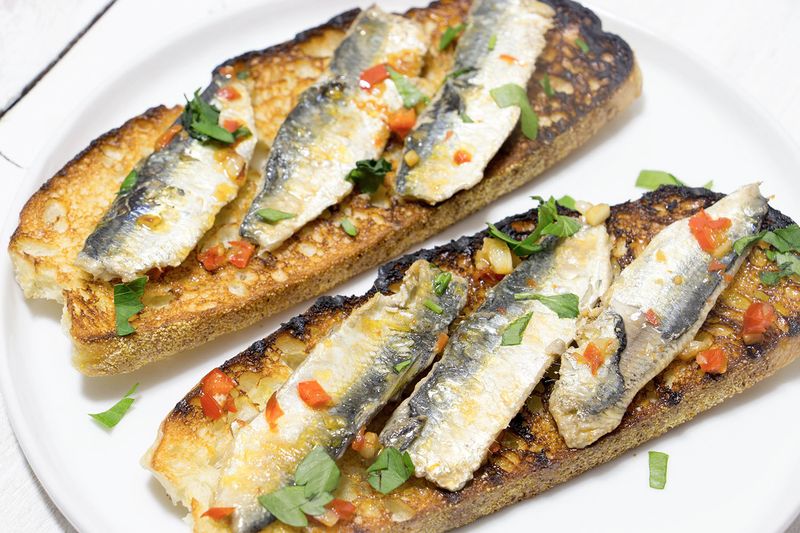
Tins stacked neatly in the cupboard often signal a quick, sensible meal in many households. Sardines are frequently praised by parents for their omega-3 content and solid protein boost, making them a convenient savoury option on toast or stirred into simple dishes.
Younger eaters, though, can be unsure at first glance. The distinct aroma and the sight of small whole fish sometimes cause hesitation.
Their soft texture feels different too, so appreciation usually builds slowly over time rather than arriving straight away.
4. Cottage Cheese

Fridge staples don’t always win instant applause at the dinner table. Cottage cheese tends to impress adults thanks to its high protein content and easy flexibility in both sweet and savoury dishes.
Its mild flavour means it pairs comfortably with fruit, vegetables or fresh herbs. Younger eaters, however, often pause at the sight of the lumpy texture.
That mix of creamy and slightly watery elements can feel unusual at first, so it’s often a taste that grows with time and familiarity.
5. Brown Bread
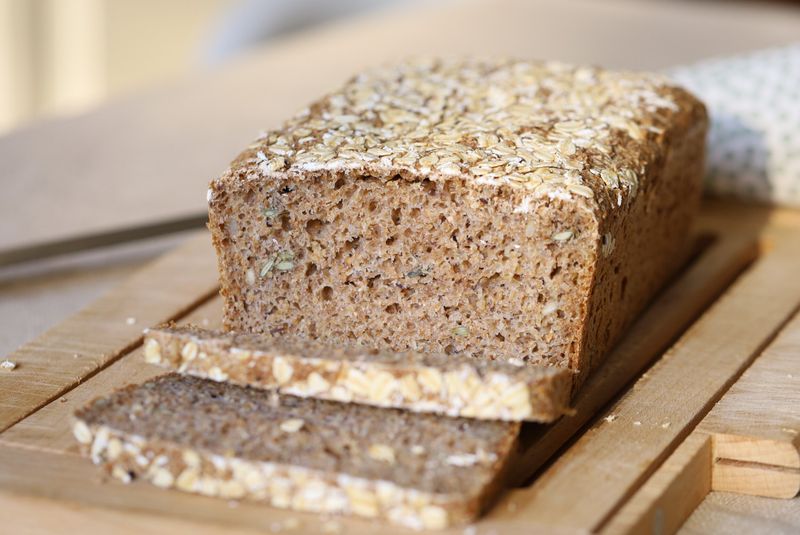
Parents insist brown bread is superior, loaded with fibre and nutrients that white bread simply can't match. They'll make sandwiches with it daily, feeling virtuous about their wholesome choice.
Children find it dense, chewy, and nowhere near as soft as its white counterpart. Those visible seeds and grains look suspicious, and the earthy taste doesn't compare to fluffy white slices.
They'll secretly feed it to the dog given half a chance, dreaming of pillowy white alternatives.
6. Quiche

At family lunches, quiche often arrives at the table with quiet confidence. Adults see it as a clever way to use up vegetables whilst adding eggs and cheese for a satisfying meal, happily serving it warm or cold.
They praise its versatility and slightly refined feel. Children, though, can be wary of what looks like an “egg pie” filled with mysterious bits.
The soft filling and pastry base blend together, which makes separating favourite ingredients almost impossible for cautious young eaters.
7. Lentil Soup
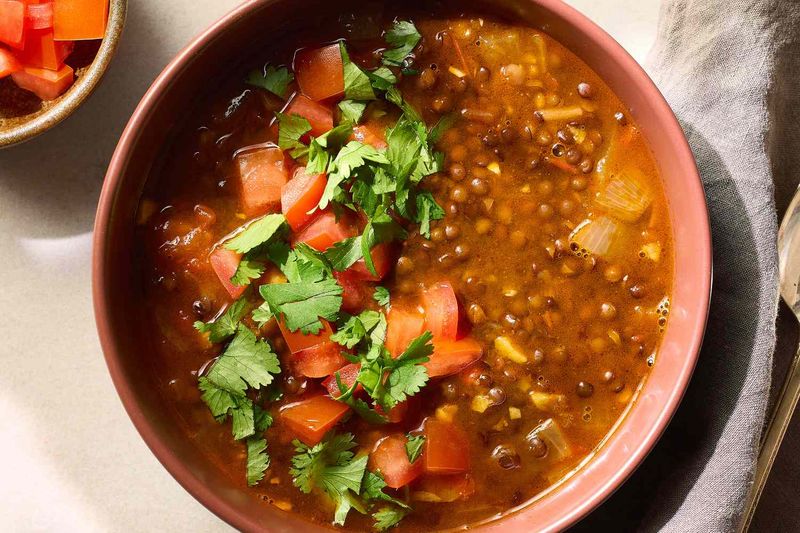
Parents often prepare lentil soup as a hearty, budget-friendly meal packed with fibre and protein. They enjoy its thick texture and comforting warmth on cooler days.
Children may be put off by the appearance of lentils and the uniform consistency of the soup. The earthy flavour profile doesn’t always match younger taste preferences.
Over time, though, it often earns a place as a dependable, cosy favourite.
8. Olives
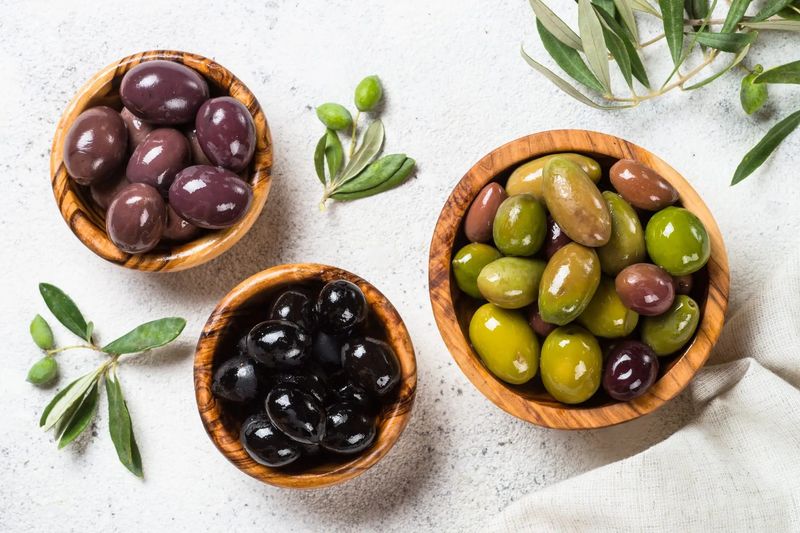
On many tables, olives appear as a small but confident addition to salads, pizzas, or pasta. Adults enjoy their salty depth and Mediterranean character, appreciating how a few pieces can lift an entire dish.
Younger eaters, though, often find that first sharp bite unexpectedly strong. The firm texture and occasional hidden stone add to their hesitation.
It’s a food that usually finds its audience later on, once flavours that once seemed bold start to feel far more interesting.
9. Grapefruit

Bright halves of grapefruit sometimes make an appearance at the breakfast table, praised for their refreshing taste and vitamin content. Parents may add a light sprinkle of sugar to soften the fruit’s natural sharpness and make it more approachable.
Children, however, often react quickly to the bold sourness and gentle bitterness. The burst of juice in each segment can feel far more intense than sweeter fruits they’re used to.
For many people, it’s a flavour that becomes more appealing gradually rather than instantly.
10. Baked Beans On Toast
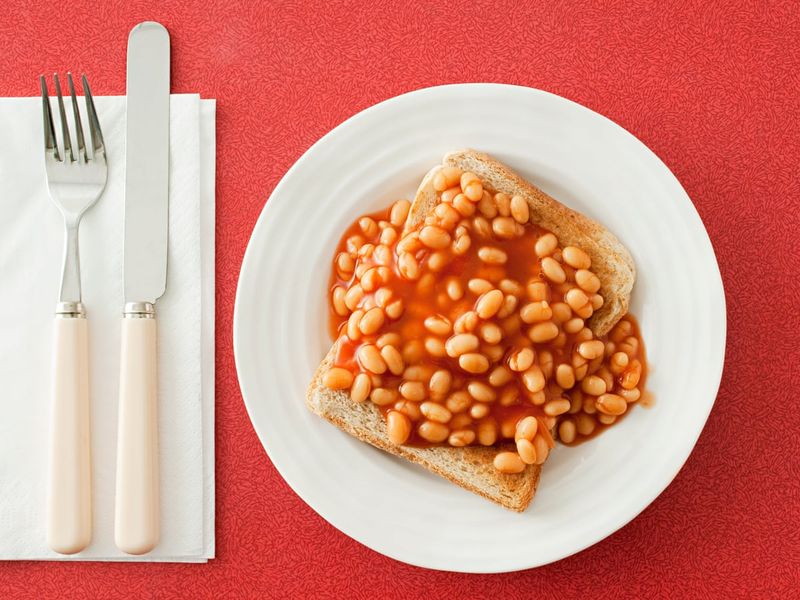
Few meals shout “easy tea” quite like baked beans on toast. Parents see it as quick, protein-rich, affordable and reassuringly familiar, happy to serve it at breakfast, lunch or supper without a second thought.
Children, on the other hand, often focus on the soggy toast beneath and the soft beans in bright sauce pooling on top. The mix of textures can feel confusing at first.
For plenty of people, though, it eventually becomes a nostalgic favourite.
11. Mixed Salad

At dinnertime, a generous bowl of mixed salad often makes its way to the centre of the table. Parents see colourful leaves, tomatoes, and cucumber as the ideal side, full of crunch and goodness.
They expect at least mild appreciation for something so fresh. Children, however, tend to view it as a pile of leaves that takes far too much chewing for very little reward.
Bitter flavours can be a sticking point, and many quietly hope for something warmer and crispier to appear instead.
12. Spinach
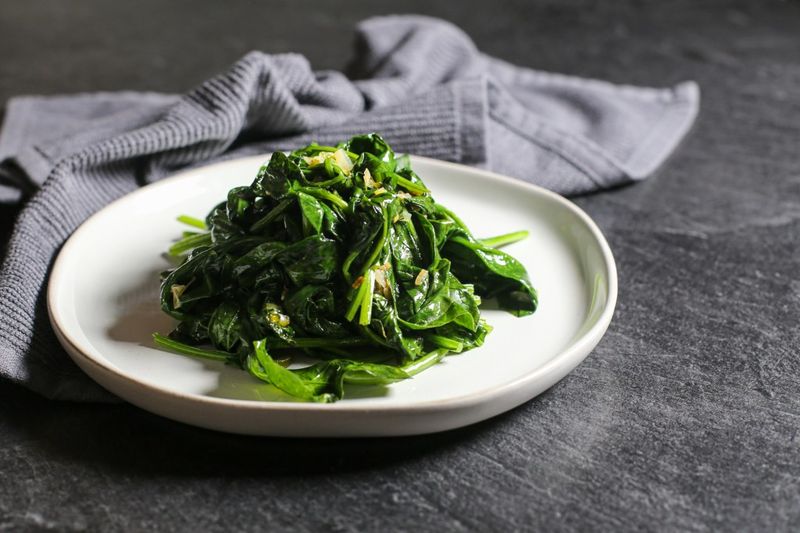
A handful of bright green leaves can look full of promise on an adult’s plate. Spinach earns praise for its iron content and flexibility, slipping into pasta dishes, smoothies and pies with good intentions behind every bite.
Children sometimes find its dramatic shrinkage in the pan a little puzzling. The softer texture and slightly earthy flavour do not always win instant fans.
Over time, however, it often becomes far more appreciated.
13. Beetroot
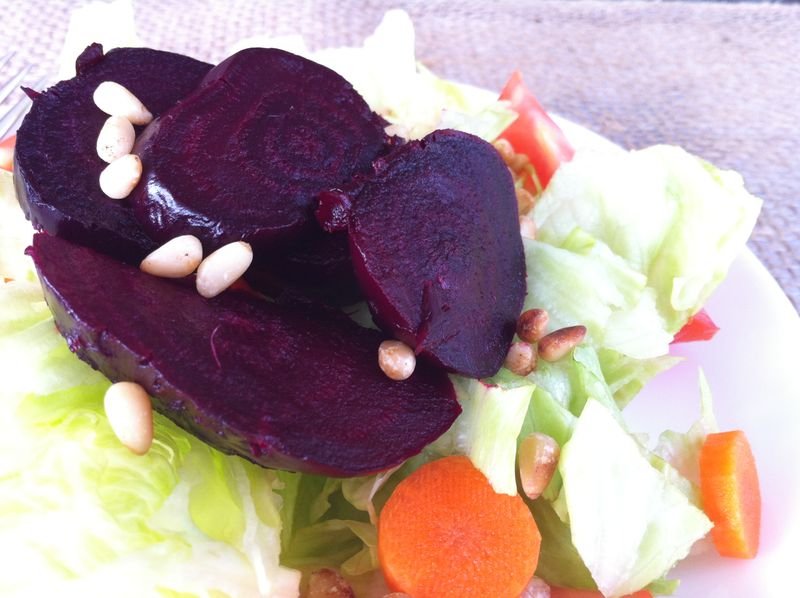
That deep ruby colour makes beetroot hard to ignore on any plate. Parents admire its earthy sweetness and like roasting it, pickling it or tossing it through salads for variety.
Children can feel unsure about such a bold hue and distinctive flavour landing in the middle of dinner. The texture shifts between firm and tender depending on how it is prepared, which adds to the hesitation.
Gradually, many discover it has more to offer than first thought.
14. Stew
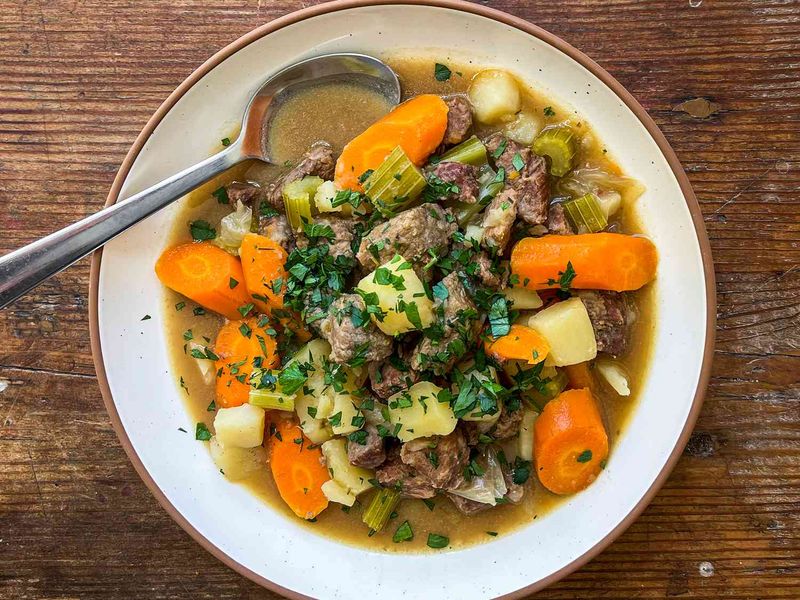
A bubbling pot of stew signals patience and tradition in many kitchens. Parents value it as a slow-cooked meal filled with meat and vegetables, pleased that everything comes together in one warming dish.
Children sometimes feel uncertain about so many ingredients mingling in a single sauce. The blended textures can make it harder to spot favourite elements straight away.
With age, though, it often turns into the very definition of cosy comfort food.
15. Muesli
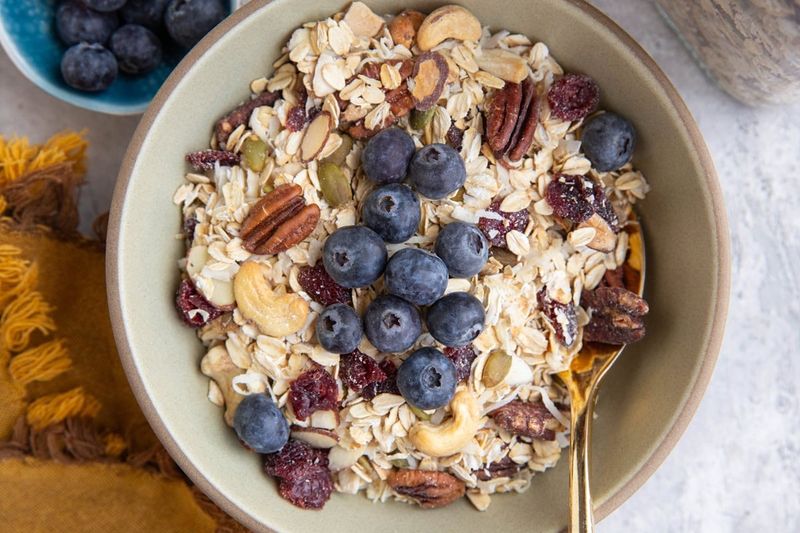
Grown-ups pour muesli confidently, mixing it with yoghurt or milk and feeling virtuous about choosing such a wholesome breakfast option. They love the combination of oats, nuts, and dried fruit.
Kids crunch through what tastes like cardboard mixed with random chewy bits and hard chunks that hurt their teeth. It's boring, takes forever to eat, and lacks the sugary excitement of proper cereal.
They'll secretly long for chocolate cereal whilst forcing down this mixture their parents consider nutritionally superior.



