













Diet plays a significant role in long-term heart health, and everyday food choices can quietly influence how the cardiovascular system functions over time. Some ingredients are linked to higher levels of saturated fats, salt, or added sugars – factors often associated with increased strain on the heart when consumed regularly.
Recognising these foods does not mean avoiding them entirely, but it can help people make more balanced decisions and understand how frequency and portion size may affect overall wellbeing.
These 11 foods highlight items commonly linked to a higher risk of heart-related concerns, offering insight into how they may influence cardiovascular health when eaten in excess.
All information is provided for general interest only and is based on widely available nutritional research and public health guidance.
This content is not medical advice – consult a qualified healthcare professional for personalised dietary or health recommendations. Photos are for illustrative purposes only.
1. Processed Meats
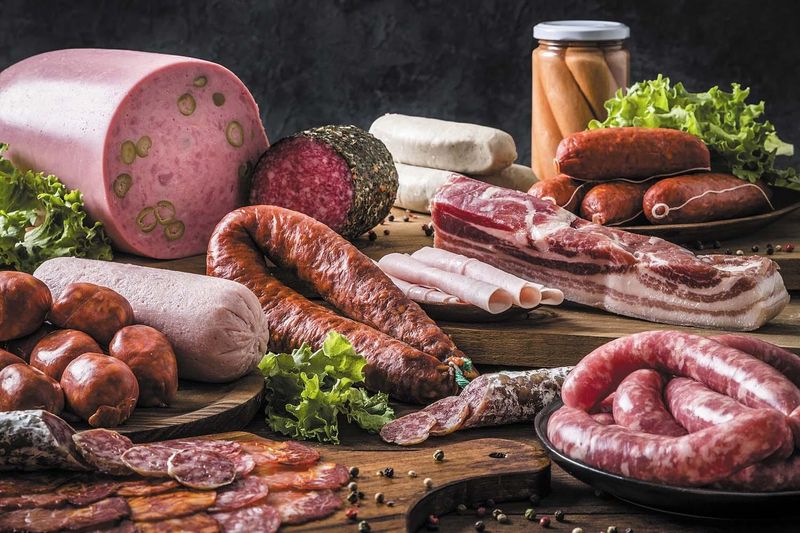
That sizzling bacon at breakfast might taste brilliant, but it comes loaded with saturated fats and sodium that send your blood pressure soaring. Processed meats contain preservatives called nitrates, which can damage blood vessel walls over time.
Studies show people who regularly eat processed meats face a 47% higher risk of heart problems compared to those who avoid them. Swap these for lean turkey or chicken breast a few times weekly.
Your arteries will thank you for cutting back on the morning fry-up.
2. Deep-Fried Fast Foods
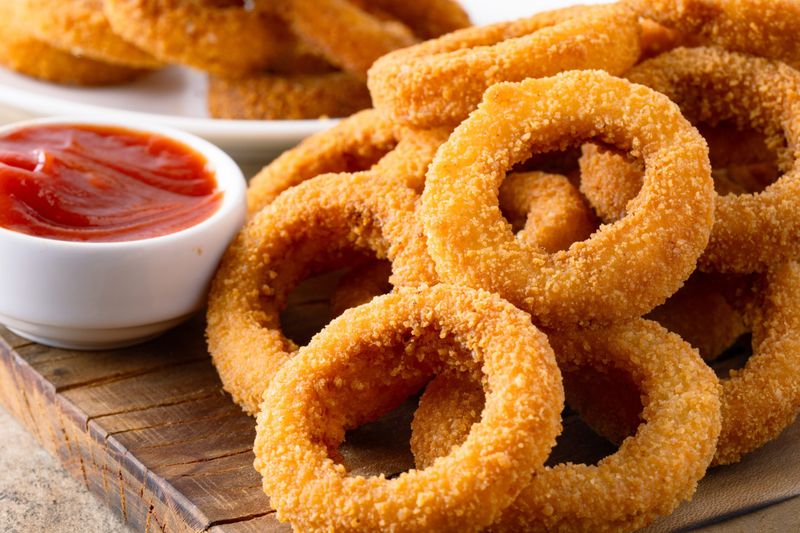
Golden and crispy on the outside, but absolute chaos for your cardiovascular system on the inside. Deep frying transforms ordinary potatoes and chicken into calorie bombs packed with unhealthy trans fats that stick to artery walls like glue.
Each portion delivers massive amounts of oxidised oils that trigger inflammation throughout your body. Research links frequent fried food consumption to significantly elevated heart disease rates.
Baking or air frying offers similar crunch without the cardiac consequences.
3. Packaged Pastries And Doughnuts

Grabbing a doughnut with your morning coffee seems harmless enough, but these sweet treats pack a triple threat of refined flour, added sugars, and trans fats. Shop-bought pastries often contain partially hydrogenated oils that raise bad cholesterol whilst lowering the good kind.
Just one doughnut can contain your entire daily limit of added sugar. The rapid blood sugar spike followed by a crash stresses your heart and blood vessels repeatedly.
Fresh fruit provides natural sweetness without the cardiovascular cost.
4. Sugary Soft Drinks And Energy Drinks
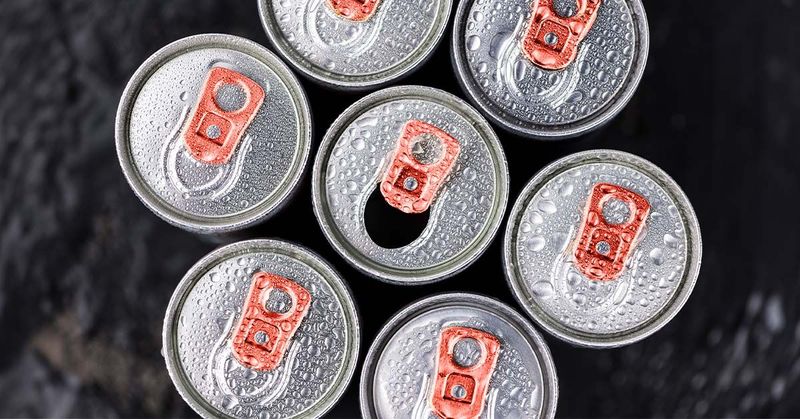
Liquid sugar rushes straight into your bloodstream faster than almost any other food source. A single can of fizzy drink contains up to ten teaspoons of sugar, causing your pancreas to work overtime producing insulin.
Energy drinks add caffeine to the mix, which temporarily raises blood pressure and heart rate. Regular consumption of sugary beverages increases your heart attack risk by nearly 20% according to recent studies.
Sparkling water with a squeeze of lemon offers refreshment without the cardiac danger.
5. Processed Snack Foods
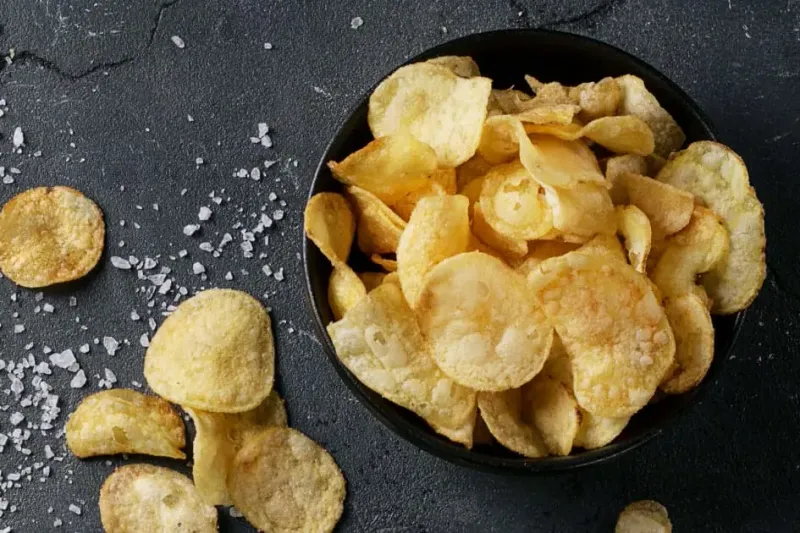
Those crunchy munchies calling from the cupboard contain astronomical amounts of sodium and unhealthy fats designed to keep you reaching for more. A single serving of crisps can deliver half your daily salt allowance, causing your body to retain water and increasing blood pressure.
The artificial flavourings and preservatives add another layer of cardiovascular stress. Most processed snacks offer virtually zero nutritional value whilst actively harming your heart.
Unsalted nuts or veggie sticks provide satisfying crunch with actual health benefits.
6. Refined Carbohydrates
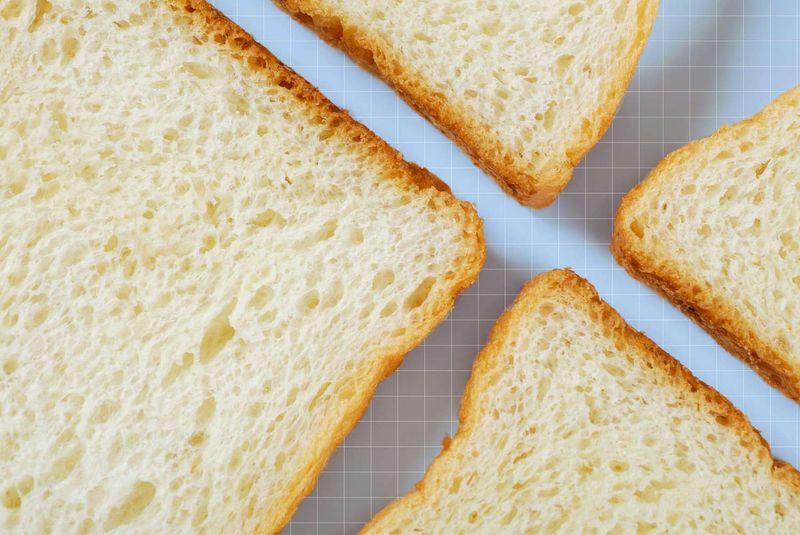
Stripping away the wholesome outer layers during processing leaves behind simple starches that behave like sugar in your body. White bread, pasta, and rice cause rapid glucose spikes that stress your cardiovascular system with each meal.
These refined grains lack the fibre that slows digestion and helps control blood sugar levels naturally. Over time, this pattern contributes to insulin resistance and increased heart disease risk.
Switching to wholegrain versions provides sustained energy whilst protecting your ticker.
7. High-Sodium Ready Meals
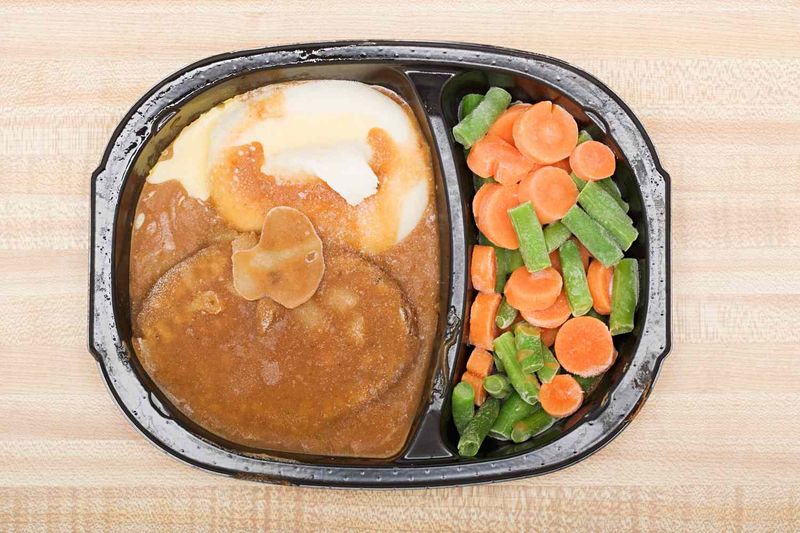
Convenience comes at a steep price when those microwave dinners contain enough salt to preserve a small ship. Manufacturers add excessive sodium to extend shelf life and enhance flavour, often packing three days' worth into a single portion.
Your kidneys struggle to process this salt overload, forcing your heart to pump harder against increased blood pressure. Ready meals also typically combine high sodium with unhealthy fats and minimal vegetables.
Batch cooking fresh meals on weekends provides convenient options without the cardiovascular consequences.
8. Margarine And Foods With Trans Fats
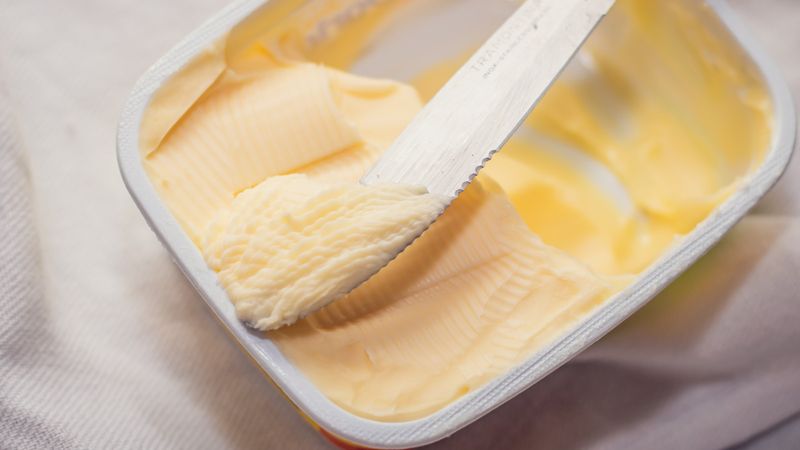
Created in laboratories rather than nature, trans fats represent one of the most dangerous substances ever added to our food supply. Margarine and many baked goods contain these artificial fats that simultaneously raise bad cholesterol and lower good cholesterol.
Even small amounts of trans fats significantly increase heart attack risk, which is why many countries have banned them outright. Check ingredient lists for partially hydrogenated oils, the sneaky name for trans fats.
Real butter in moderation beats margarine every single time for heart health.
9. Heavy Cream-Based Sauces
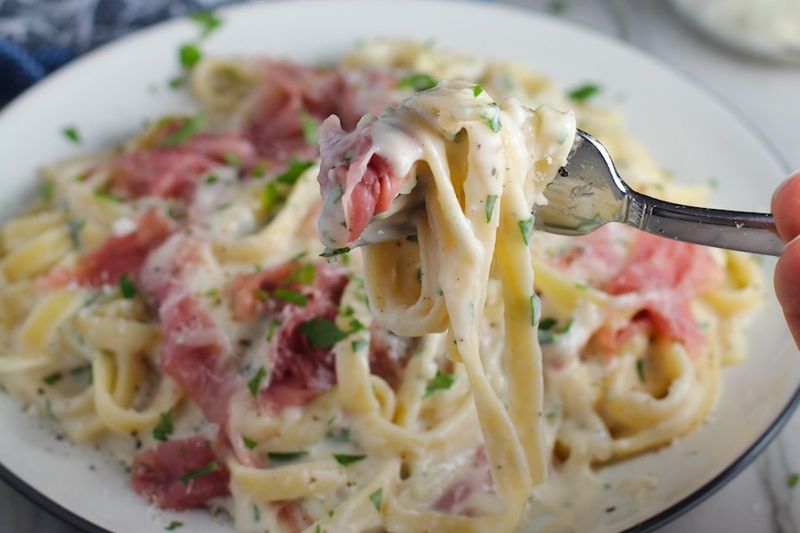
Alfredo, carbonara, and other luscious cream sauces turn simple pasta into saturated fat delivery systems. Double cream contains about 50% fat, mostly the saturated kind that clogs arteries and raises cholesterol levels dramatically.
Restaurant portions often use an entire pot of cream for just a few servings, multiplying the cardiovascular damage. The combination of cream, butter, and cheese creates a perfect storm for your heart.
Tomato-based sauces or olive oil with garlic provide flavour without the fatty consequences.
10. Large Portions Of Red Meat
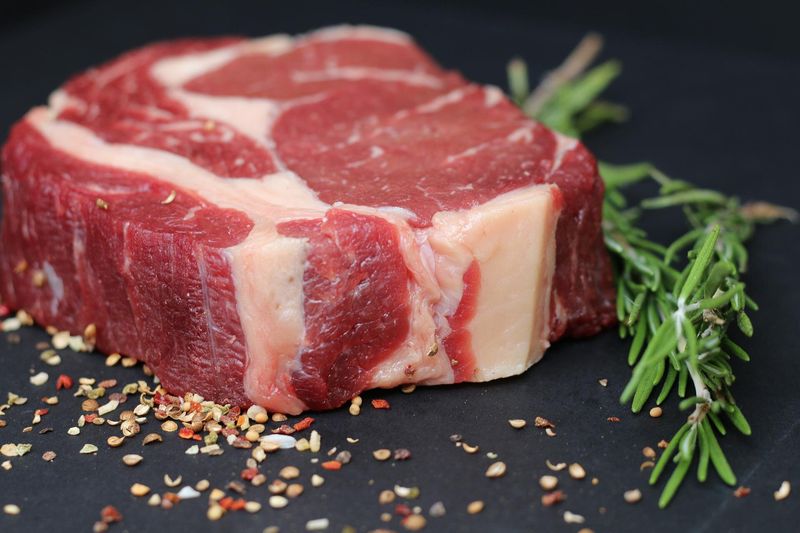
A massive steak might seem like a proper meal, but regularly eating large amounts of beef and lamb dramatically increases cardiovascular disease risk. Red meat contains high levels of saturated fat and cholesterol, plus compounds that gut bacteria convert into artery-damaging substances.
Portion sizes matter enormously here, as even lean cuts become problematic when you eat them daily. Studies suggest limiting red meat to once or twice weekly reduces heart attack risk substantially.
Fish, poultry, and plant proteins offer excellent alternatives for most meals.
11. Sugary Breakfast Cereals
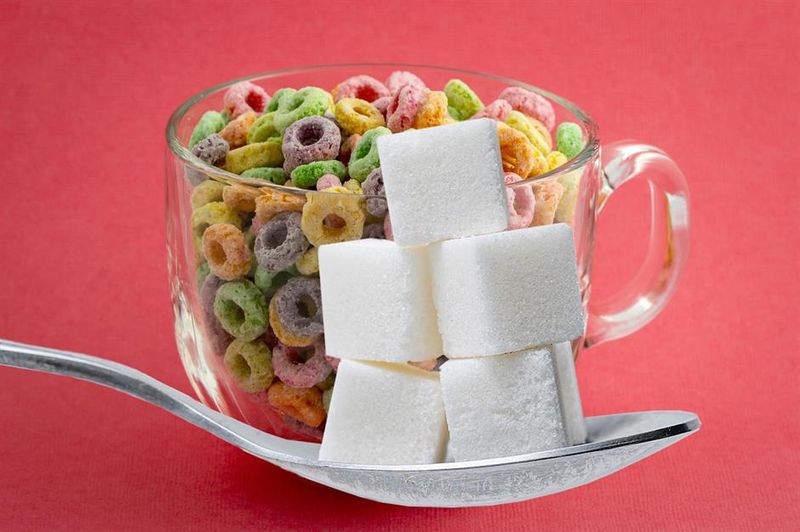
Starting your day with a bowl of sugar-coated cereal sets your heart up for trouble from the moment you wake. Many popular breakfast cereals contain more sugar per serving than a doughnut, despite marketing themselves as healthy choices.
The refined grains provide minimal nutrition whilst causing blood sugar rollercoasters that stress your cardiovascular system. Kids' cereals are particularly egregious offenders, sometimes containing 50% sugar by weight.
Porridge with fresh berries delivers lasting energy and actual heart protection instead.



