











Royal eating habits have always sparked curiosity, especially when they reflect personal values rather than pure tradition. King Charles is known for thoughtful food choices shaped by sustainability, seasonality, and long-standing preferences.
It’s fascinating to see how everyday ingredients can reveal a surprisingly practical side of royal life. A closer look offers a small glimpse into how those choices shape what ends up on the plate.
All information is provided for general interest only. Dietary preferences may change over time and public reports may vary in detail or interpretation.
1. Foods King Charles Tends To Avoid
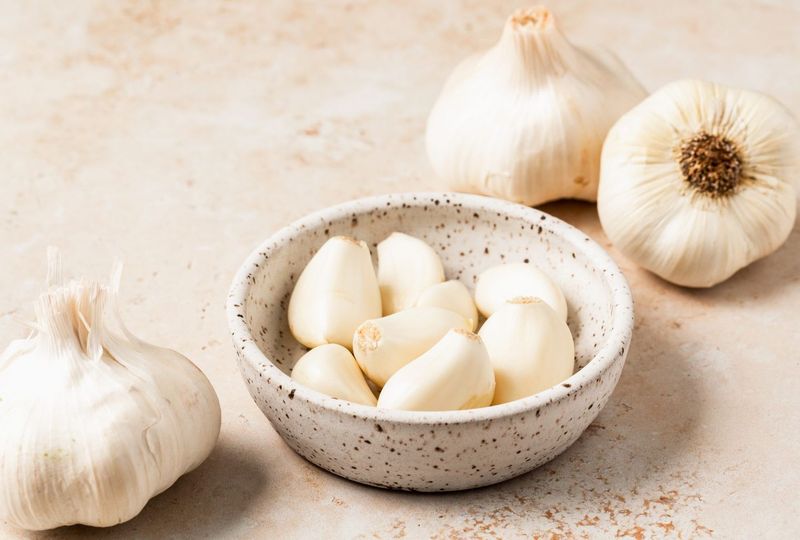
Personal food choices often reveal just as much about values as they do about taste. King Charles has been open over the years about certain ingredients he prefers not to have on his plate, largely shaped by ethics, practicality, and sustainability.
The following five foods highlight what he generally avoids in everyday dining.
2. Foie Gras
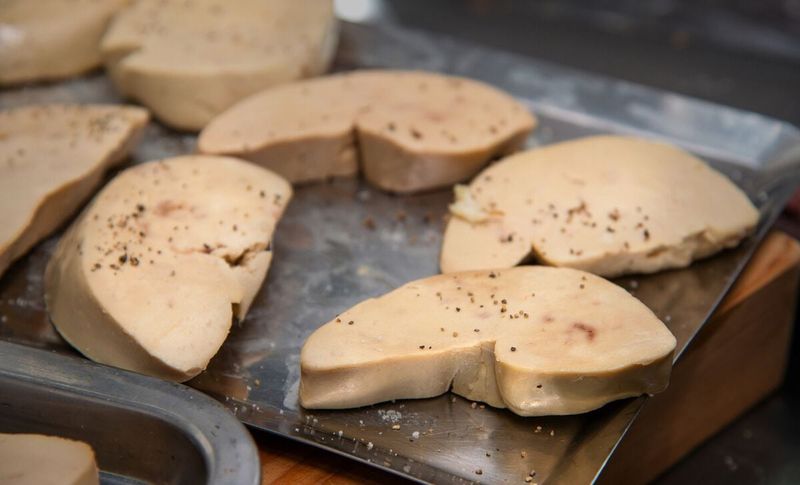
His Majesty has made it clear that foie gras will never appear on his table. The production process, which involves force-feeding ducks or geese, conflicts directly with his animal welfare principles.
Royal menus have been adjusted accordingly across all his residences. Staff know not to serve this controversial delicacy at any formal dinners or private meals, reflecting his compassionate approach to food choices and ethical dining standards.
3. Garlic
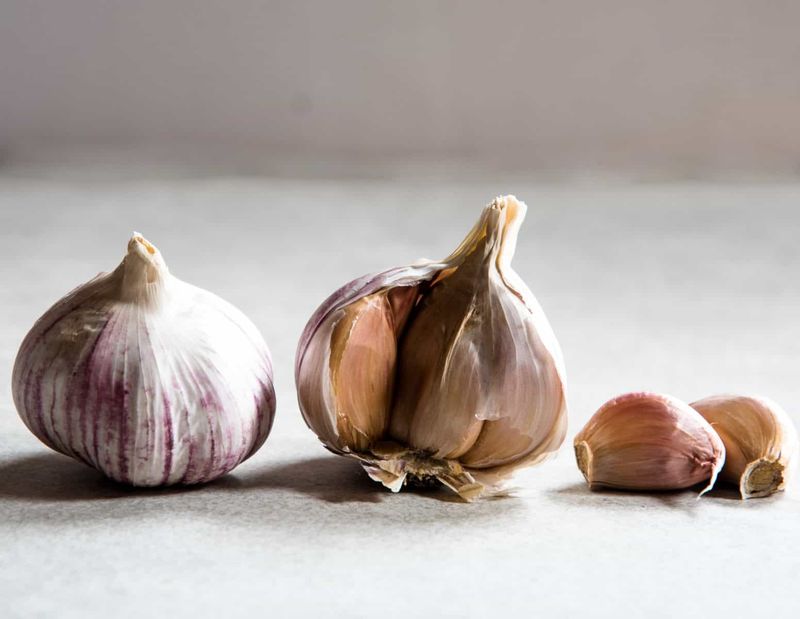
Garlic gets the royal cold shoulder, not for health reasons, but for practical ones. The King avoids this pungent ingredient because of the strong breath it creates during official engagements.
When you're constantly meeting dignitaries, hosting state dinners, and conducting close conversations, fresh breath becomes rather important. Royal chefs have adapted recipes to exclude garlic whilst maintaining flavourful dishes that don't compromise his busy schedule of public appearances.
4. Unseasonal Fruits And Vegetables
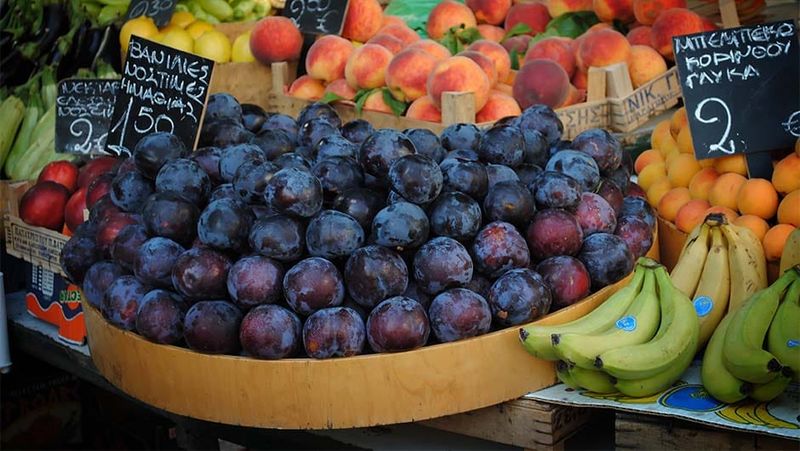
Strawberries in December? Not at Clarence House.
King Charles firmly believes in eating produce only when it's naturally in season, rejecting imported fruits and vegetables flown in from distant countries.
This commitment reduces carbon footprints and supports local British farmers. His gardens at Highgrove supply much of his seasonal produce, ensuring freshness whilst honouring traditional growing cycles and environmental responsibility throughout the year.
5. Whole Bananas
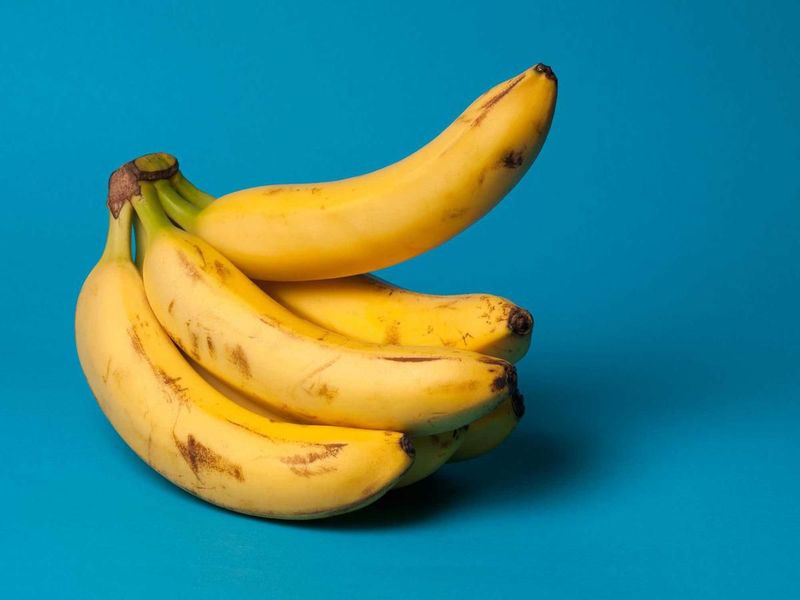
Here's a peculiar royal quirk: King Charles won't eat whole bananas in public. Former royal chef Darren McGrady revealed that bananas must be sliced with a knife and fork before consumption.
This rather formal approach stems from royal etiquette concerns about appearing undignified whilst eating. The sight of someone chomping directly into a banana apparently doesn't align with proper royal decorum, so the fruit gets carefully portioned instead.
6. Hard-Boiled Eggs
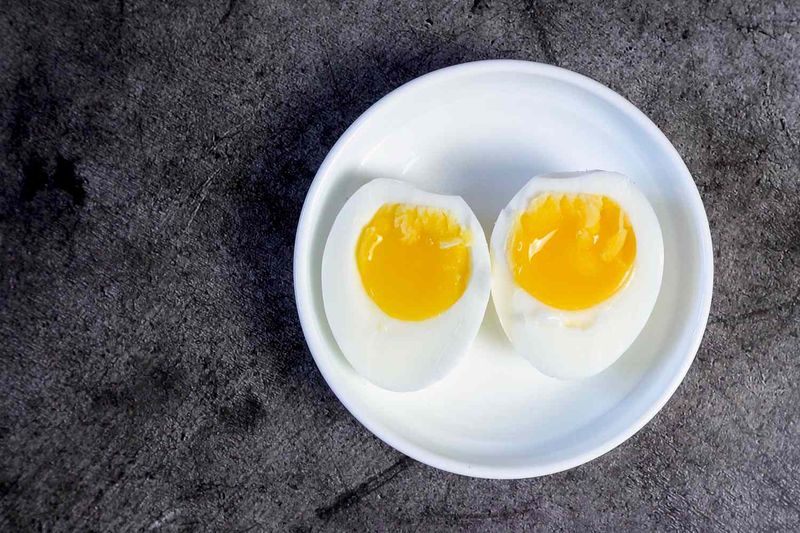
Perfectly cooked eggs matter enormously to King Charles, and hard-boiled versions simply won't do. He prefers his eggs soft and runny, with precise timing being absolutely essential.
Royal kitchen staff have shared stories about cooking multiple eggs to different timings, ensuring at least one meets his exact specifications. This attention to detail extends beyond fussiness—it represents his appreciation for properly prepared food and culinary standards.
7. Foods King Charles Prefers Instead
Just as interesting as what someone avoids is what they actively enjoy eating. King Charles leans toward ingredients that reflect seasonal living, thoughtful sourcing, and simple preparation.
The next five foods showcase the items he tends to favour most.
8. Organic Vegetables And Seasonal Produce
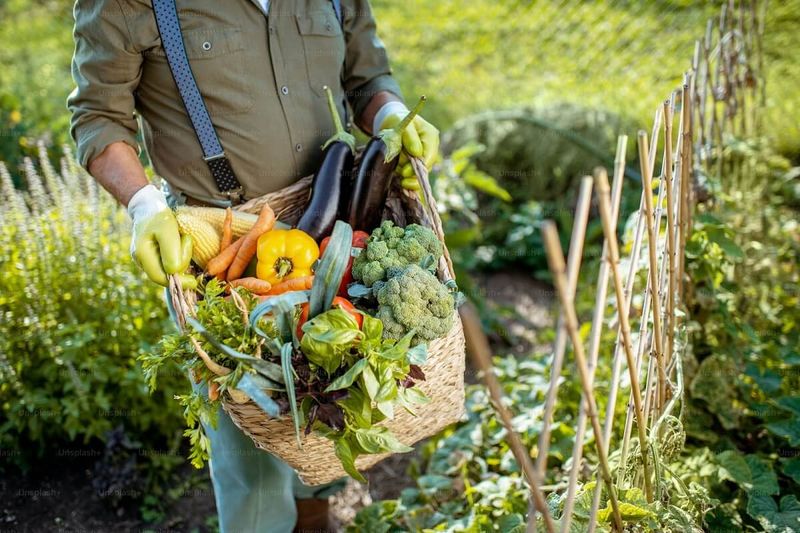
Long before organic became trendy, King Charles championed chemical-free farming at Highgrove Estate. His gardens produce an abundance of organic vegetables that supply his kitchen throughout the year.
Carrots, courgettes, potatoes, and leafy greens all grow without synthetic pesticides or fertilisers. He's passionate about soil health and biodiversity, proving that royal dining can be both luxurious and environmentally conscious whilst supporting sustainable agricultural practices.
9. Foraged Or Organic Mushrooms
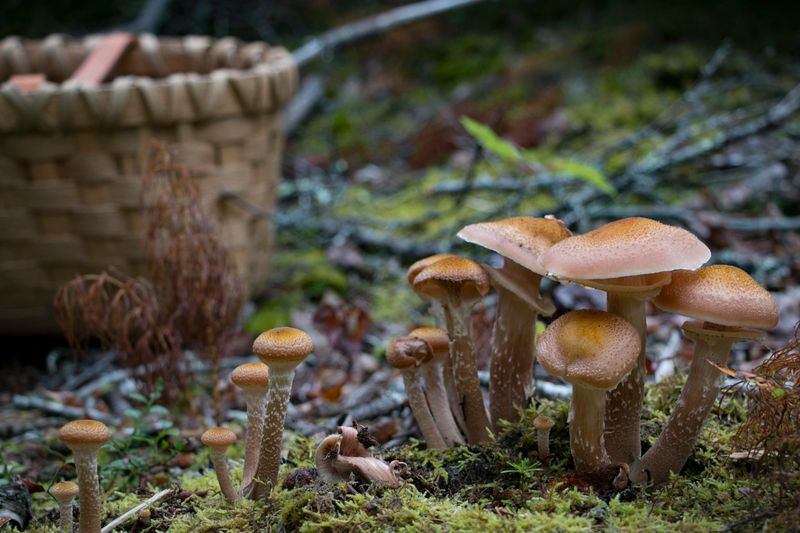
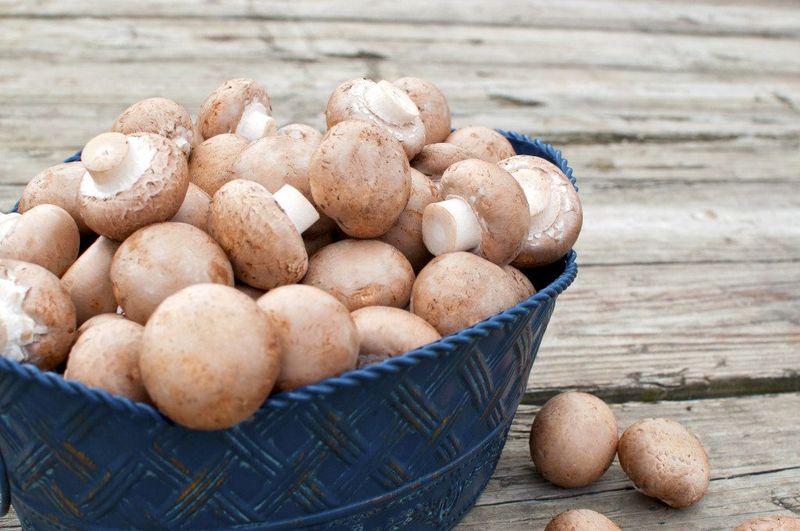
Mushrooms feature regularly among the foods King Charles prefers when they are responsibly sourced and in season. He has long supported organic farming and careful land management, which aligns naturally with choosing high-quality produce.
Seasonal varieties are valued for their freshness and flavour rather than long-distance transport. When organic options are available, they tend to take priority in royal kitchens.
It reflects a broader commitment to thoughtful sourcing and environmental awareness.
10. Fresh Fruit, Seeds And Whole-Grain Breakfasts
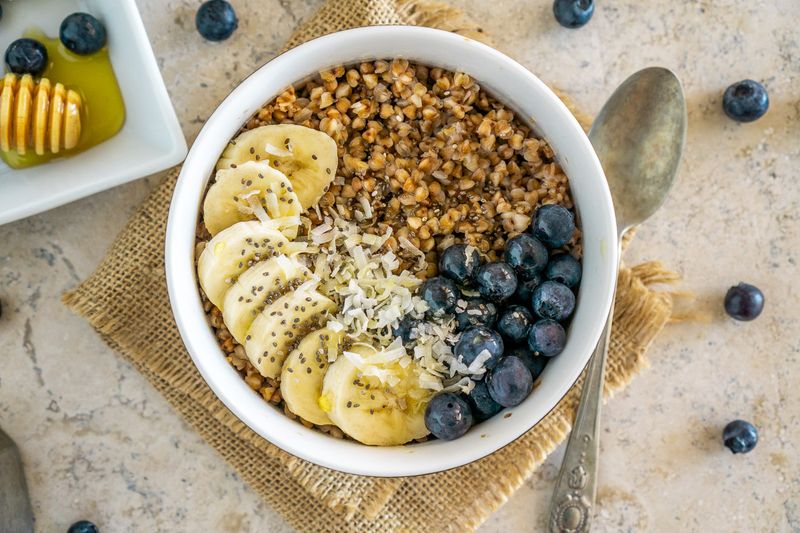
Mornings often centre around simple, nourishing foods rather than elaborate spreads. Fresh fruit, seeds, and honey form part of a balanced approach that focuses on natural ingredients.
Whole-grain options add steady energy without unnecessary processing. This style of breakfast keeps things light, practical, and easy to repeat daily.
It mirrors a long-standing preference for food that feels honest and uncomplicated.
11. Egg Dishes
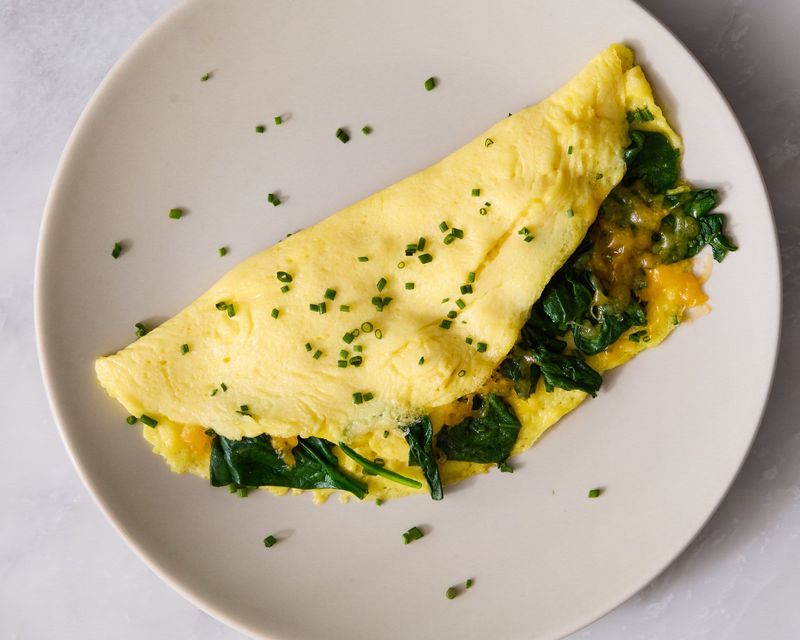
Eggs remain a familiar favourite when prepared with care and attention. Softer textures tend to be preferred over firmer finishes, keeping the result light and delicate.
Omelettes, scrambled eggs, and gently cooked preparations appear regularly in royal kitchens. Good timing and gentle heat make all the difference in bringing out the best flavour and texture.
It’s another example of how simple ingredients can feel special when handled well.
12. Loose-Leaf Tea
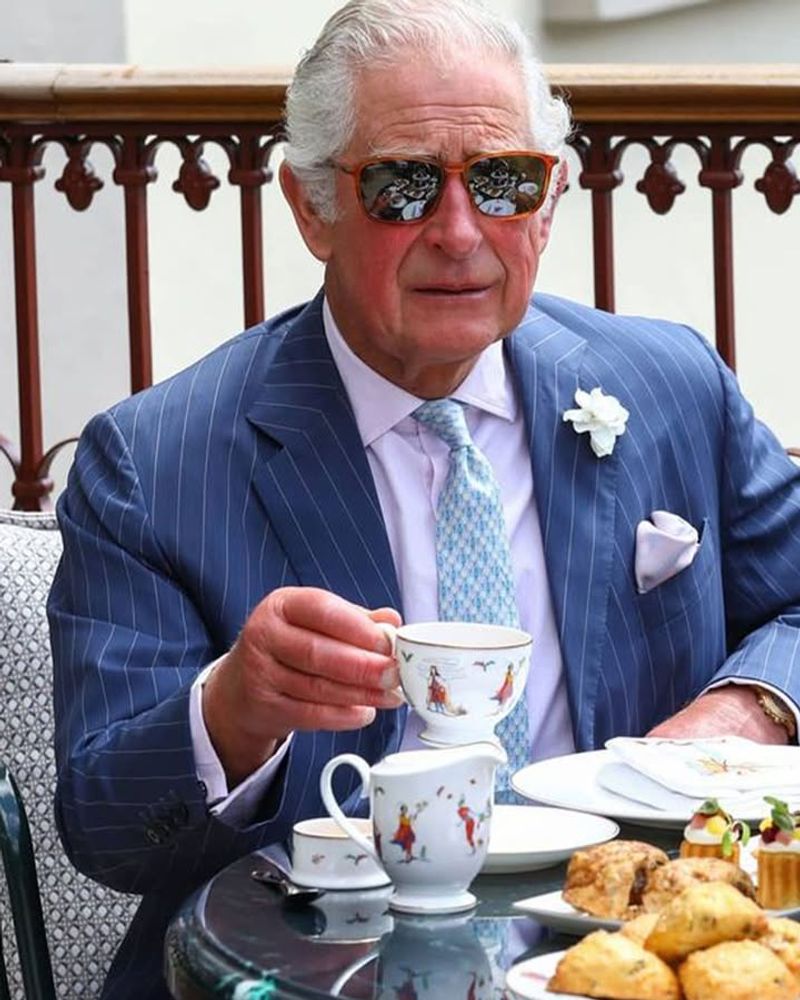
Tea bags? Absolutely not. King Charles insists on traditional loose-leaf tea, properly brewed in a teapot with careful attention to temperature and steeping time.
This preference honours British tea traditions whilst delivering superior flavour that mass-produced bags simply cannot match. Organic varieties from ethical sources align with his values, making each cuppa both a moment of pleasure and a reflection of his commitment to quality over convenience.