













There is something oddly fascinating about foods people happily put on their plates while animals instinctively steer clear. It makes you pause and wonder how much of eating is learned behaviour rather than pure instinct.
Some ingredients are celebrated for flavour or tradition, even though they would send most animals backing away fast. Curiosity, culture, and habit play a bigger role in human diets than we often realise.
This list explores those surprising contrasts in a way that feels familiar and slightly eye-opening.
All information is provided for general interest only. Dietary reactions can vary between species and individuals, and images are for illustrative purposes only.
1. Chocolate

Dogs and cats can't handle chocolate like we can because it contains theobromine, a compound their bodies struggle to process. Even a small amount can make them seriously ill with symptoms like vomiting, rapid heartbeat, and seizures.
Dark chocolate is especially dangerous since it packs more theobromine than milk chocolate. Birds, horses, and most other pets also react badly to this sweet treat that humans adore so much.
2. Chilli Peppers
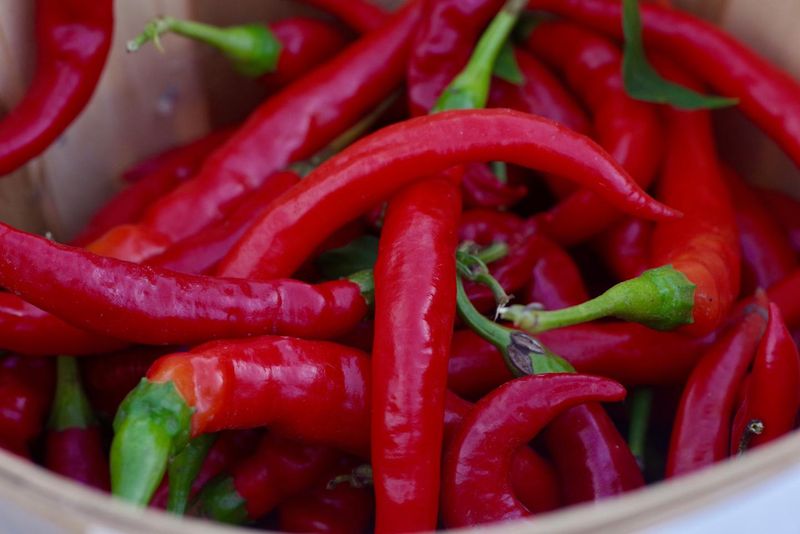
Most mammals avoid spicy peppers because capsaicin, the chemical that creates heat, triggers pain receptors in their mouths. Birds, however, can eat them without any discomfort since they lack these specific receptors entirely.
This clever evolutionary trick helps pepper plants spread their seeds through birds rather than mammals. Whilst we've learned to love the burn, your cat or dog would absolutely hate it and might suffer stomach problems if they ate it.
3. Garlic
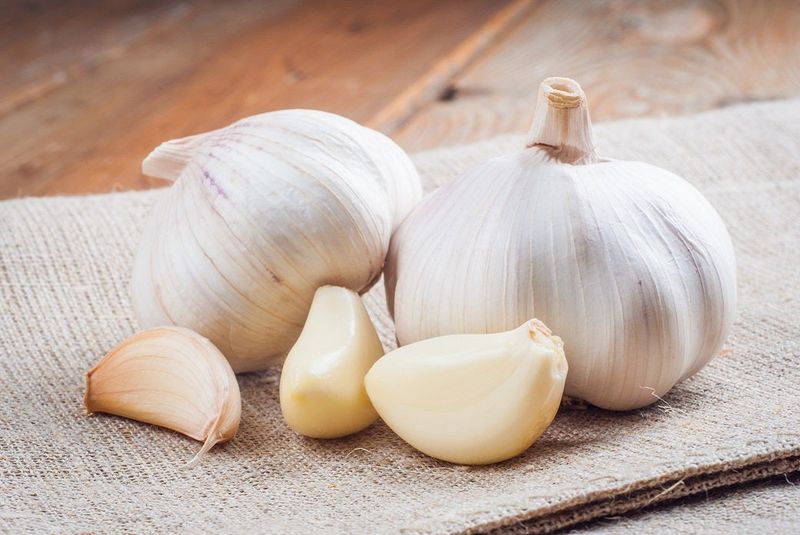
Garlic contains compounds called thiosulphates that damage red blood cells in dogs, cats, and many other animals. Even small doses over time can lead to anaemia, making pets weak, tired, and quite poorly.
Horses and cattle also suffer from garlic toxicity, which is why farmers keep it away from their livestock. We humans have enzymes that break down these compounds safely, but our furry friends simply don't have that protection built in.
4. Onions
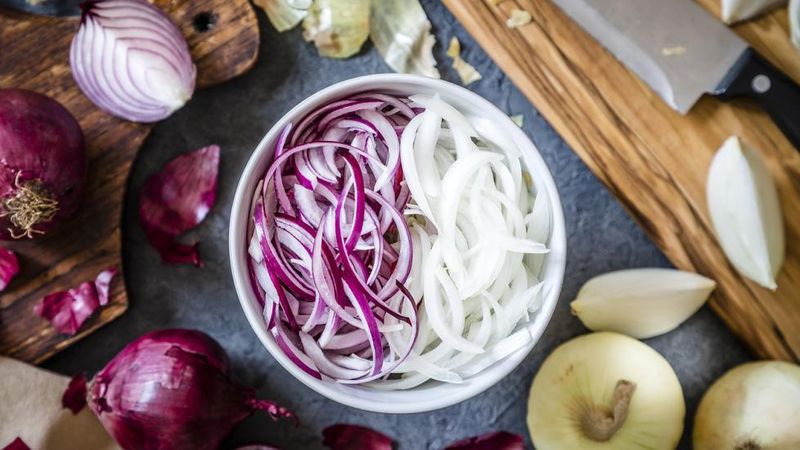
Similar to garlic, onions pack the same dangerous thiosulphates that wreak havoc on animal blood cells. All varieties - raw, cooked, powdered, or dried - pose serious risks to dogs, cats, horses, and even chickens.
Just one meal containing onions can trigger poisoning symptoms that might not show up for several days. Animals instinctively avoid the strong smell and taste, which serves as nature's warning system to keep them safe from this common kitchen staple.
5. Grapes
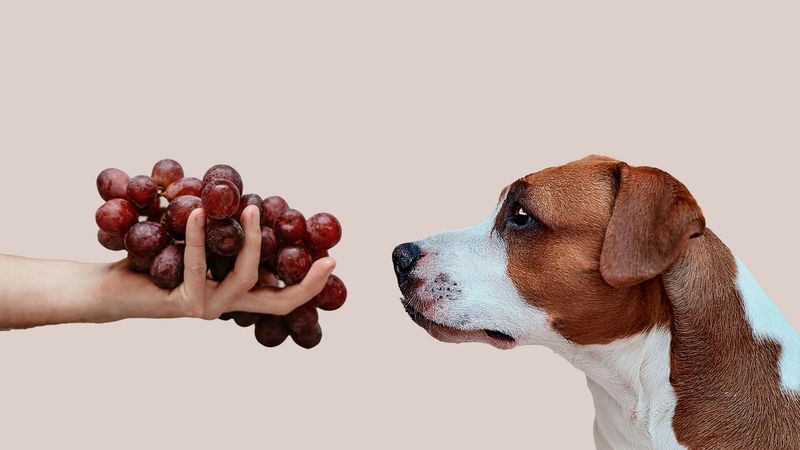
Curiosity sometimes gets dogs into trouble, especially with foods that appear harmless to people. Veterinary reports clearly show that grapes can trigger sudden kidney problems in dogs, even when eaten in small amounts.
Symptoms may include lethargy, vomiting, and loss of appetite, which often appear within a short period after consumption. Experts still have not identified the exact compound responsible, making prevention especially important.
Owners are strongly encouraged to keep grapes well out of reach, as reactions can be unpredictable and vary between individual dogs.
6. Raisins
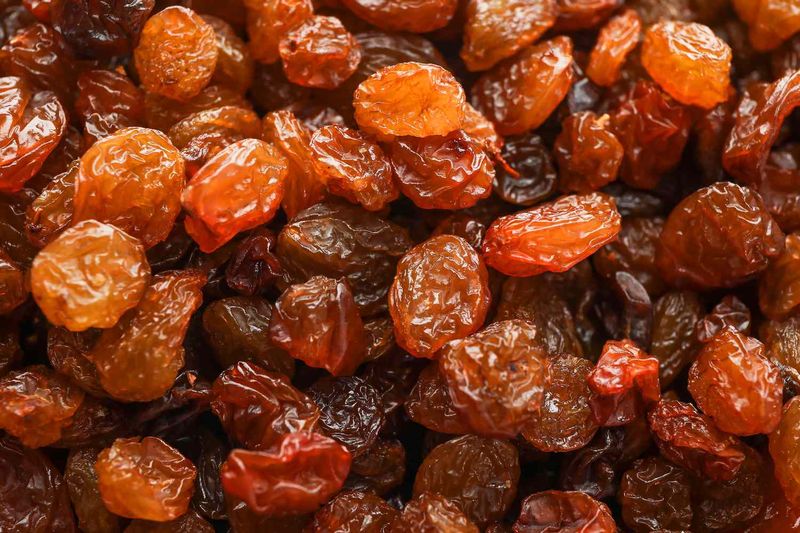
Raisins are basically concentrated grapes, which means they pack even more of whatever mysterious compound causes kidney damage in dogs. The dried form seems to be just as dangerous, if not worse, than fresh grapes.
Many dog owners don't realize that foods like fruit cake, trail mix, and granola bars often contain raisins hidden inside. Birds and other small pets should also avoid them, making raisins one snack that's strictly for human consumption only.
7. Macadamia Nuts
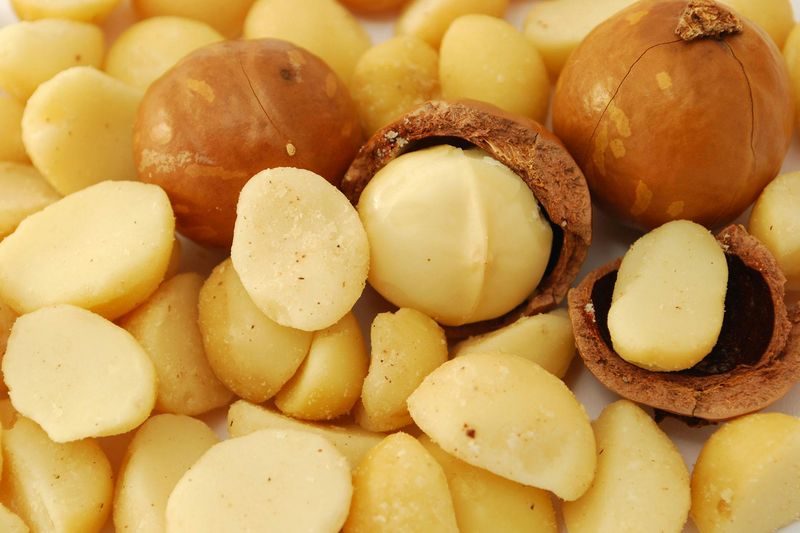
Dogs who eat macadamia nuts often develop weakness in their back legs, vomiting, tremors, and high fever within twelve hours. The exact toxin remains unknown, but the effects are consistent and quite frightening for pet owners to witness.
Fortunately, most dogs recover fully within a couple of days with proper veterinary care. Other animals haven't been studied as extensively, but it's best to keep these rich, buttery nuts away from all pets just to be safe.



