













Colourful sides and salad staples are often praised for vitamins, fibre, and helping balance meals, but protein rarely gets the same attention. Many people still link protein mainly with meat, dairy, or fitness foods, overlooking how everyday produce quietly adds to daily intake.
While these foods may not replace traditional protein sources on their own, some contain surprisingly solid amounts, especially when paired with other ingredients. They can support balanced eating while adding variety, texture, and freshness to meals.
Several familiar picks that frequently appear in weekly shops don’t always receive recognition for their nutritional value. Seeing them differently might influence how you build plates and plan meals.
All information is provided for general interest only and should not replace guidance from qualified health or nutrition professionals. Nutritional content can vary based on freshness, preparation, and portion sizes.
1. Edamame Beans
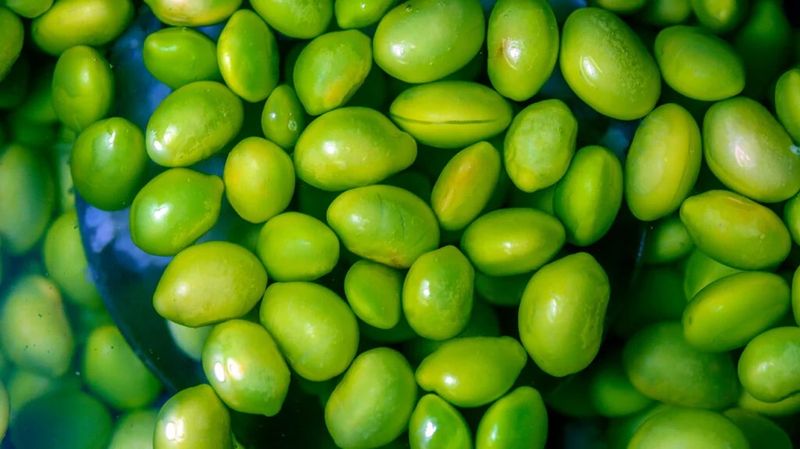
These young soybeans are absolute protein champions, offering about 17 grams per cup when shelled. That's comparable to what you'd get from a small chicken breast!
Plus, they contain all nine essential amino acids, making them a complete protein source.
Steam them in their pods with a sprinkle of sea salt for a tasty snack, or add the shelled beans to salads and grain bowls for an instant protein boost.
2. Spinach
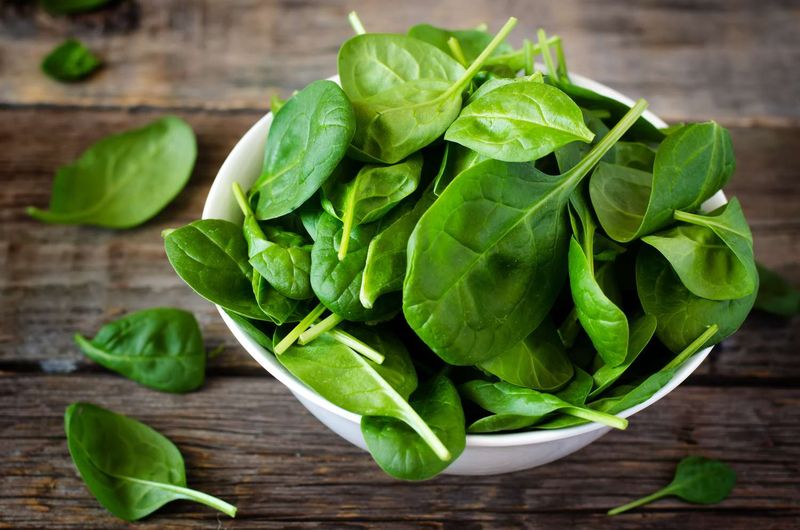
Spinach has a way of blending into meals so easily that it often goes unnoticed on the plate. Adding a handful to omelettes, pasta dishes, or smoothies is one of the simplest ways to boost everyday meals without changing flavour too much, as the leaves soften quickly during cooking.
Once prepared, a cup of cooked spinach provides roughly 5 grams of protein, alongside iron, calcium, and antioxidants. Cooking reduces the volume significantly, allowing more nutrients to fit into a smaller serving.
Because of its mild taste and soft texture, spinach mixes naturally with other ingredients while quietly increasing the overall nutritional value of a dish.
3. Green Peas
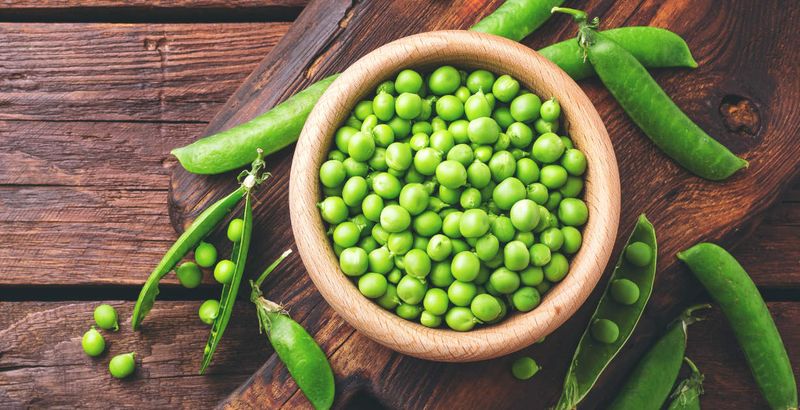
A single cup of cooked green peas delivers around 8 grams of protein - that's more than a large egg! They're also loaded with fibre, vitamins A, C, and K, plus several B vitamins that keep your energy levels steady throughout the day.
Toss them into pasta dishes, stir-fries, or simply enjoy them as a side. Their slightly sweet flavour makes them a hit with kids too, so you can sneak extra nutrition onto everyone's plate without any fuss.
4. Broccoli
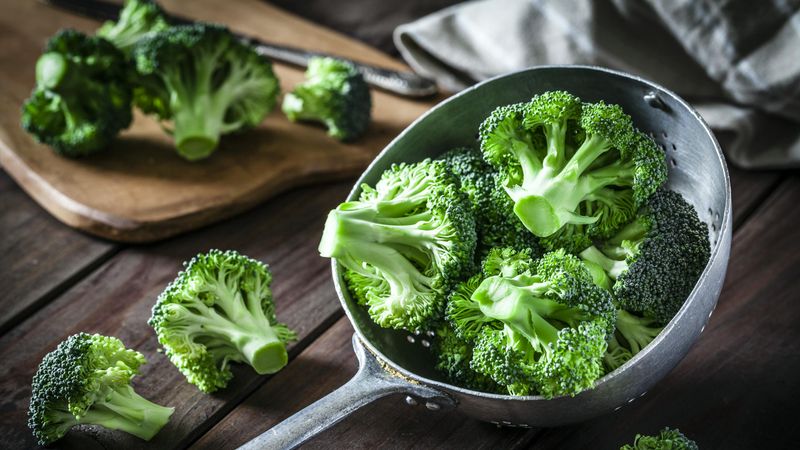
Bright green florets often earn praise for vitamins and fibre, but protein quietly joins the package too. A cup of cooked broccoli provides roughly 4 grams, alongside vitamin C and plant compounds currently being studied for general health support.
Roasting broccoli with garlic or steaming it lightly keeps the flavour mellow while preserving nutrients. Some people also blend it into soups or sauces for a thicker texture without relying on cream.
Regularly adding broccoli to meals offers a simple way to boost overall nutrition while contributing small amounts of plant protein.
5. Brussels Sprouts
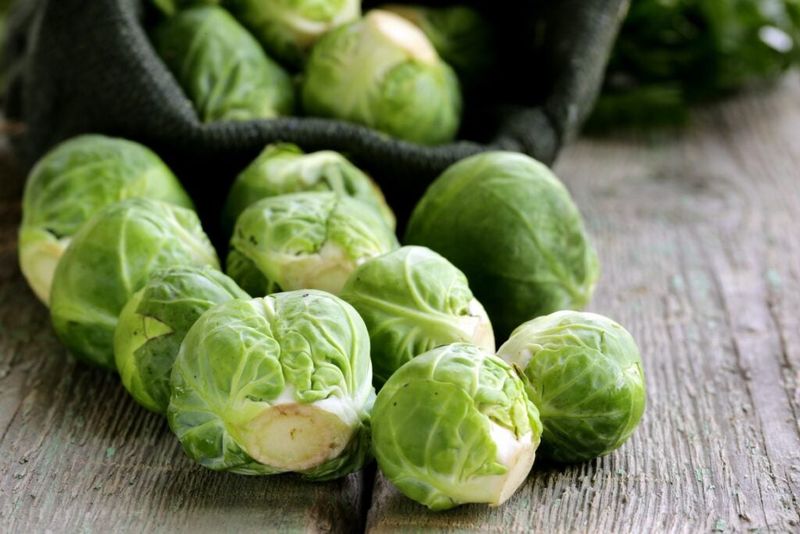
These mini cabbages pack around 4 grams of protein per cup when cooked, plus they're absolutely loaded with vitamin K, folate, and fibre. Their slightly nutty flavour develops beautifully when roasted, transforming even the biggest sceptics into fans.
Halve them, toss with olive oil and seasoning, then roast until golden and crispy. They're brilliant alongside roasted meats or stirred through grain salads for added crunch and nutrition.
6. Kale
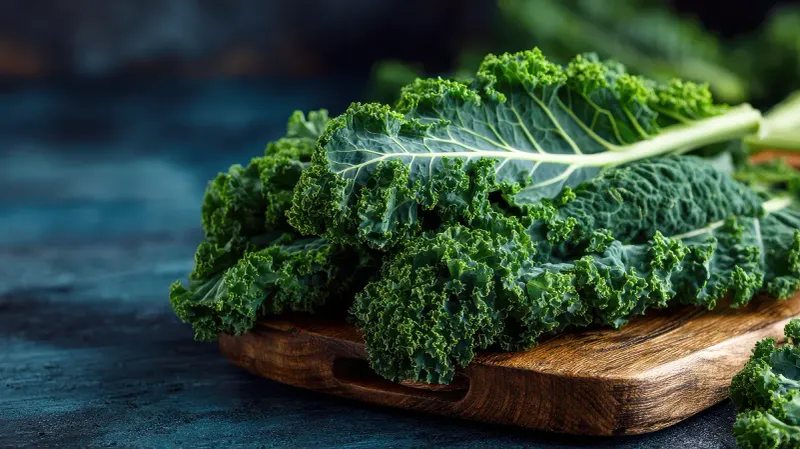
Dark leafy greens often surprise people when protein enters the conversation, and kale is a good example. A cooked cup contains around 3 grams while also contributing important vitamins and minerals.
Tough raw leaves become far more enjoyable when massaged gently with oil or added to soups where they soften naturally. Baking kale into crisp snacks or stirring it into warm grain bowls creates different textures using the same ingredient.
Using kale regularly helps increase vegetable variety while offering additional plant-based protein.
7. Asparagus
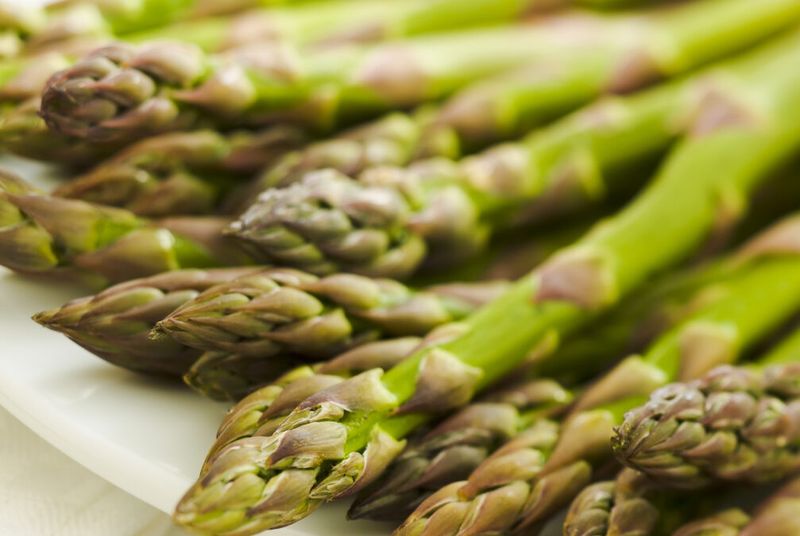
Slender asparagus spears bring more to meals than their delicate appearance suggests. One cooked cup offers about 4 grams of protein while supplying folate and several essential vitamins.
Grilling or roasting helps highlight their naturally earthy flavour, especially when paired with lemon or mild seasoning. Light steaming also works well for preserving texture without overcooking.
8. Artichokes
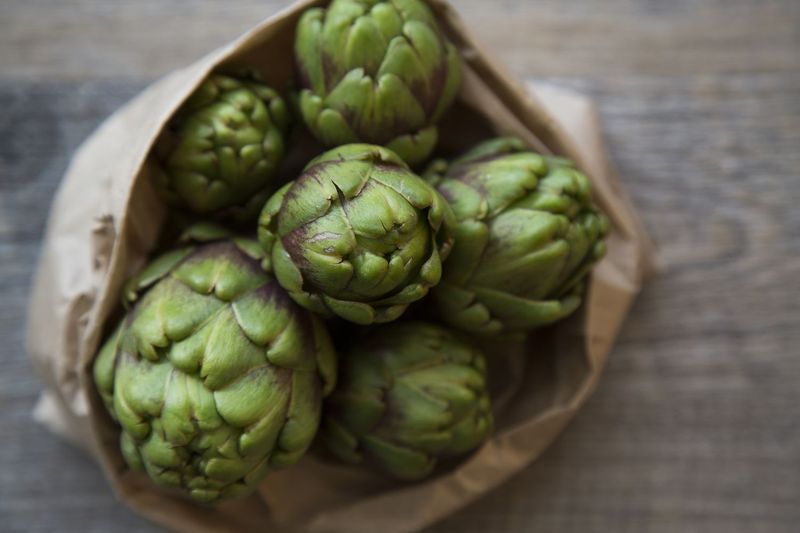
Artichokes tend to look complicated at first glance, yet they offer surprising nutritional benefits once prepared. A medium artichoke supplies roughly 4 grams of protein along with fibre that supports digestive health.
Steaming whole artichokes allows the leaves to pull away easily for dipping or seasoning. Jarred or tinned artichoke hearts provide a quicker option and blend easily into pasta, salads, or spreads.
9. Cauliflower
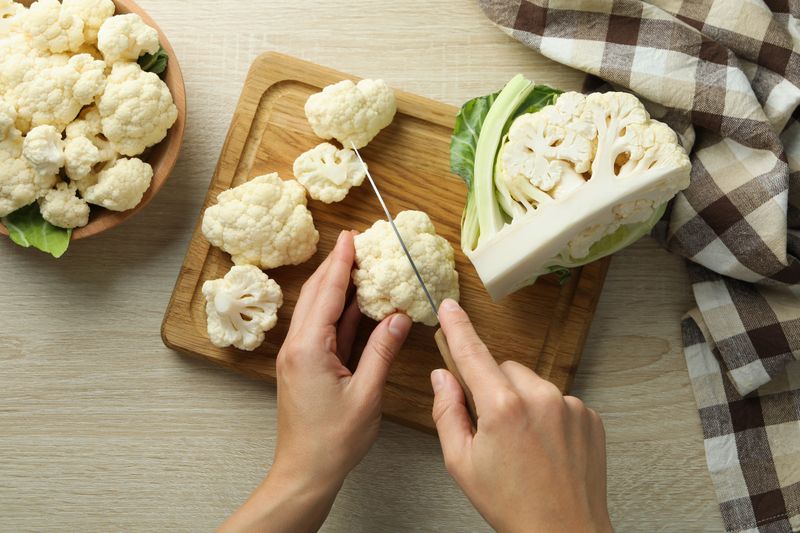
Versatility often makes cauliflower popular in modern cooking, especially for people experimenting with lighter alternatives. Although one cooked cup contains about 2 grams of protein, it still contributes to overall daily intake alongside fibre and choline.
Roasting brings out a slightly nutty flavour, while blending cooked florets can create smooth soups or mash-style sides. Finely chopping cauliflower into rice-like pieces offers another way to incorporate it into meals.
Using cauliflower in different forms helps expand meal variety while adding small amounts of plant protein.
10. Sweetcorn
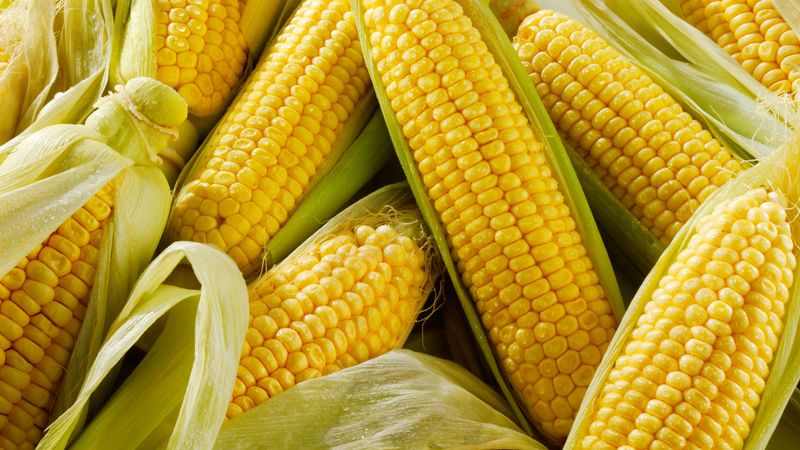
A cup of sweetcorn kernels provides about 5 grams of protein, along with fibre, B vitamins, and antioxidants that protect your eyes. Whether fresh, frozen, or tinned, sweetcorn retains most of its nutritional value, making it convenient year-round.
Grill whole cobs for barbecues, stir kernels into salads and salsas, or blend into creamy chowders. Its natural sweetness makes it popular with children whilst sneaking extra protein into their diet.



