













Food has a funny way of doing more than just filling you up, especially when everyday ingredients quietly support how your body feels and functions. Many familiar staples sit in kitchen cupboards without much fanfare, even though they carry impressive natural benefits.
Paying a little more attention to what’s already on your plate can make eating feel both practical and surprisingly empowering.
All information is provided for general interest only and should not be taken as medical or dietary advice. Effects can vary depending on individual health, lifestyle, and overall eating patterns.
1. Oats
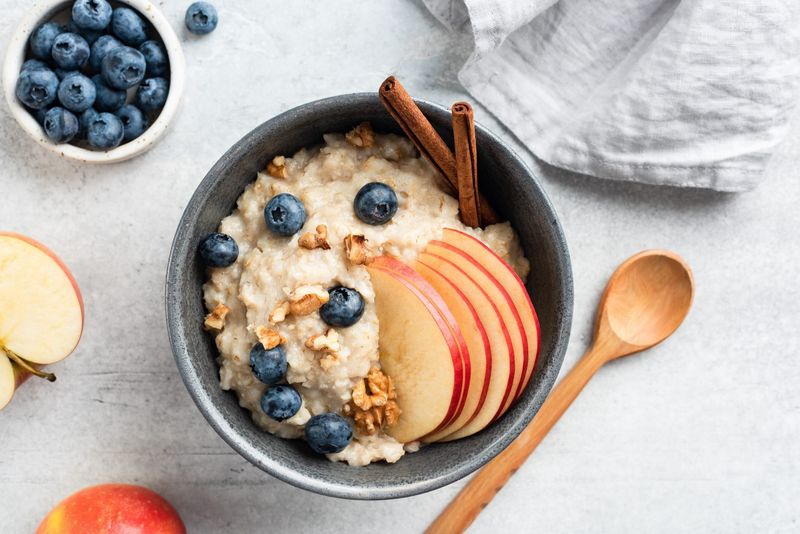
Start your morning with a steaming bowl of porridge and you're doing your heart a massive favour. Oats contain a special fibre called beta-glucan that helps lower cholesterol levels and keeps your blood sugar steady throughout the day.
They're also brilliant for digestion and can help you feel fuller for longer. Whether you prefer them sweet or savoury, oats are a simple way to protect your cardiovascular system whilst enjoying a comforting breakfast.
2. Blueberries

Blueberries are well known for their natural antioxidant content, which supports general cell health. While they’re not the only fruit with antioxidants, they remain a convenient and widely available option.
Their sweet-tart flavour makes them easy to enjoy in breakfasts, snacks, and desserts. Sprinkle them over yoghourt, blend them into smoothies, or enjoy them straight from the punnet.
They bring colour, freshness, and a nutritional lift without any fuss.
3. Spinach
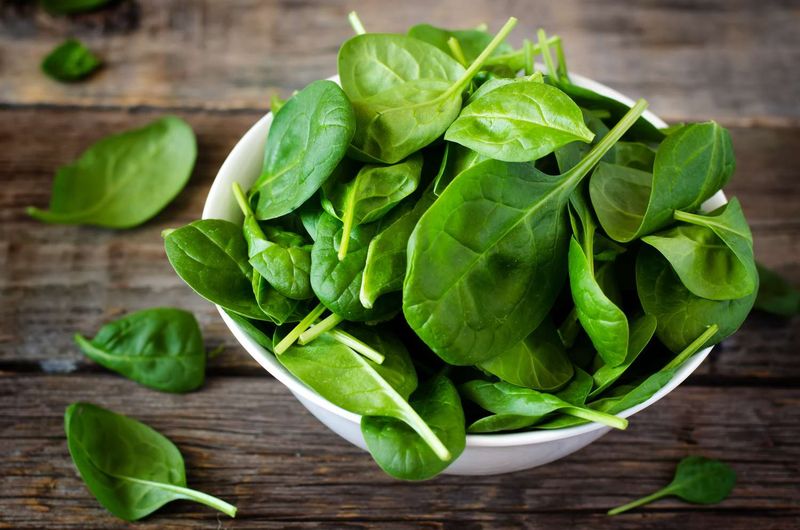
Spinach offers a mix of vitamins and minerals that support everyday wellbeing. It contains iron, along with vitamins A, C, and K, plus folate and magnesium.
These nutrients play a role in areas like vision, bone health, and normal body function. Spinach works well raw in salads, lightly wilted into pasta, or blended into smoothies.
Its mild flavour makes it easy to add more greens to meals without overpowering the dish.
4. Tomatoes

Tomatoes are rich in lycopene, the compound that gives them their bright red colour. Lycopene is widely studied for its role in supporting general health as part of a balanced diet.
Cooking tomatoes can increase how much lycopene the body absorbs. That makes sauces, soups, and roasted dishes just as valuable as fresh tomatoes.
They add both flavour and colour while quietly contributing useful nutrients.
5. Garlic

Garlic contains allicin, a natural compound released when cloves are chopped or crushed. It has been widely studied for its role in supporting general health when eaten regularly as part of a varied diet.
Garlic also adds depth and richness to savoury cooking without much effort. From sauces to roasted vegetables, it fits into countless dishes.
A little goes a long way in both flavour and everyday nutritional value.
6. Yoghourt

This creamy treat is teeming with probiotics - friendly bacteria that keep your gut healthy and your digestion running smoothly. A healthy gut doesn't just mean fewer tummy troubles; it actually supports your immune system and even your mood!
Choose natural yoghourt without added sugars for maximum benefits. You can sweeten it yourself with fresh fruit or a drizzle of honey whilst still getting all those brilliant live cultures working in your favour.
7. Olive Oil

Rich in monounsaturated fats, this kitchen staple supports heart health when used in place of saturated fats. It forms a key part of traditional Mediterranean-style eating patterns across many regions.
Extra virgin olive oil works well for drizzling, dipping, and gentle cooking. Its fruity flavour enhances simple ingredients without overpowering them.
Choosing a good-quality olive oil adds both taste and nutritional balance to everyday meals.
8. Lentils
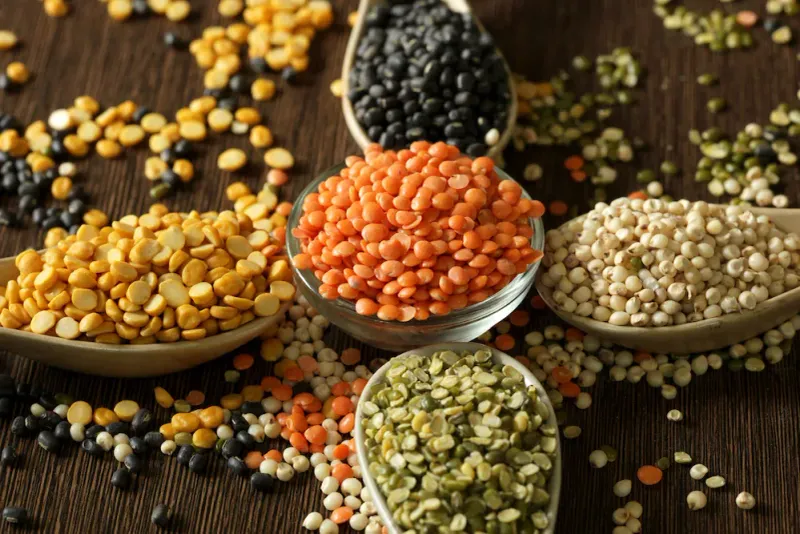
These humble legumes punch well above their weight when it comes to nutrition. Lentils provide an excellent source of plant-based protein and fibre, helping to stabilise blood sugar and keep you satisfied for hours.
They're also packed with folate and iron, making them particularly brilliant for vegetarians. Red, green, brown, or black—each variety cooks quickly and adapts beautifully to soups, curries, salads, and countless other dishes without breaking the bank.
9. Walnuts
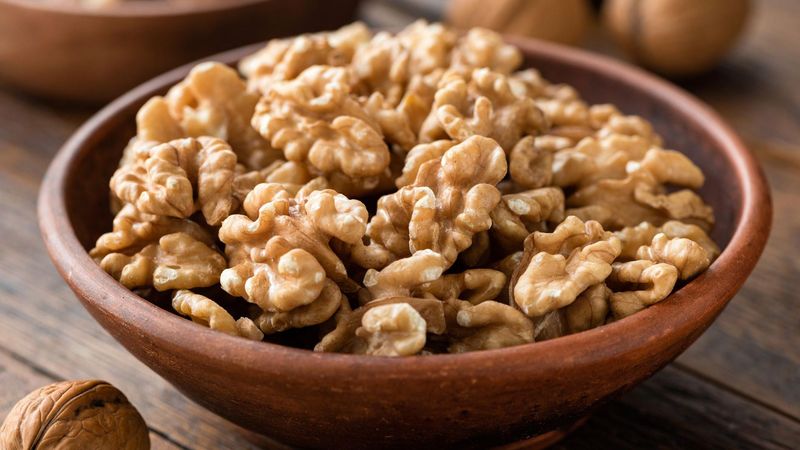
Packed with healthy fats, including omega-3 fatty acids, these nuts contribute valuable nutrients to daily eating. They also supply protein and fibre, helping snacks feel more filling and satisfying.
Walnuts bring a slightly bitter, buttery flavour that works beautifully in both sweet and savoury dishes. Sprinkle them over salads, stir them into porridge, or enjoy a small handful on its own.
They’re an easy way to add texture, flavour, and nutritional variety without much effort.
10. Apples

There's truth behind "an apple a day keeps the doctor away"! Apples contain pectin, a type of soluble fibre that feeds beneficial gut bacteria and helps lower cholesterol.
They're also rich in vitamin C and various antioxidants that support your immune system. The fibre keeps you full and helps regulate digestion.
Keep the peel on when you eat them—that's where much of the nutrition lives. Crisp, portable, and naturally sweet, they're nature's perfect snack.



