













British kitchens are rich with tradition, and many cooking habits have been passed down through families for decades. While these tips often come from experience and good intentions, not all of them stand up to modern food science or updated safety guidance.
Some long-held beliefs can lead to unnecessary effort, disappointing results, or confusion about best practices in the kitchen. Understanding which techniques genuinely improve flavour and safety can help home cooks feel more confident and efficient.
Clearing up common misconceptions allows everyday meals to turn out better while making cooking feel simpler and more enjoyable.
All information is provided for general interest only and reflects commonly discussed cooking practices and food safety guidance. Individual cooking preferences and outcomes may vary. Photos are for illustrative purposes only.
1. Searing Meat Seals In Juices
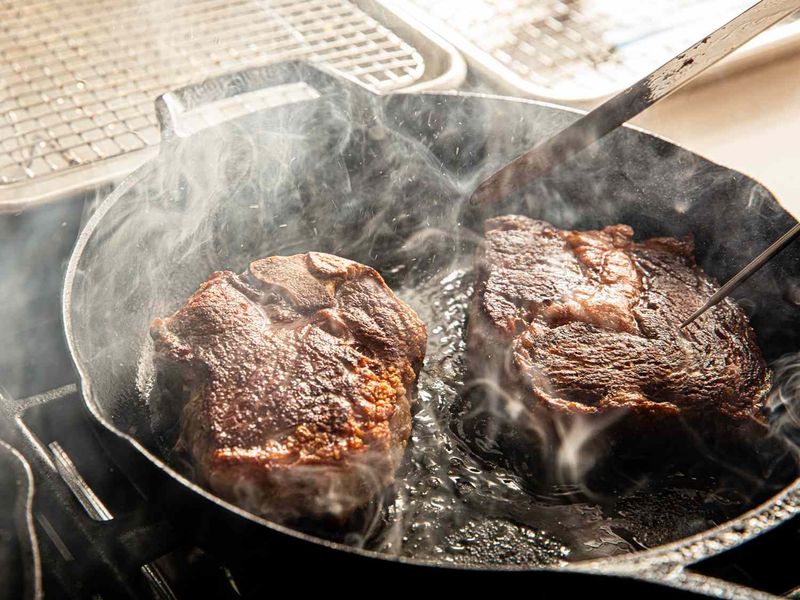
Your gran might have insisted that searing creates an impenetrable barrier around meat, but science says otherwise. Moisture actually escapes during the searing process, not stays locked inside some magical seal.
What searing does brilliantly is create flavour through the Maillard reaction, that gorgeous browning that makes meat taste incredible. The caramelization and crust are what you're really after, not some mythical juice-locking mechanism.
So sear away for taste, but don't expect it to keep your roast from drying out if you overcook it.
2. You Must Wash Raw Chicken Before Cooking
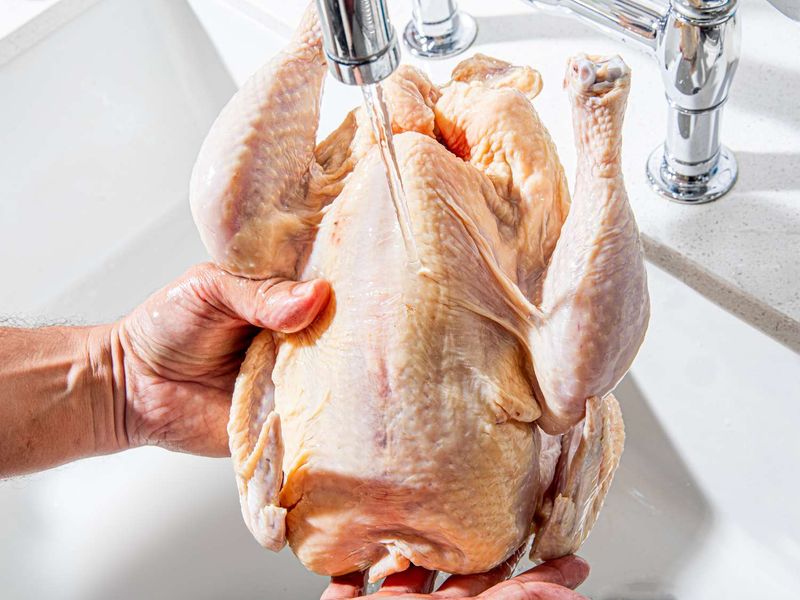
Splashing raw chicken under the tap feels like good hygiene, but you're essentially giving bacteria a free ride around your kitchen. Campylobacter and salmonella love nothing more than a good spray across your worktops, utensils, and that tea towel hanging nearby.
Proper cooking to 75°C kills any nasties lurking on poultry without the waterpark experience. Food safety experts have been shouting about this for years, yet the myth persists in British kitchens.
Skip the rinse and save yourself from scrubbing down half your kitchen afterwards.
3. Salt Makes Water Boil Faster
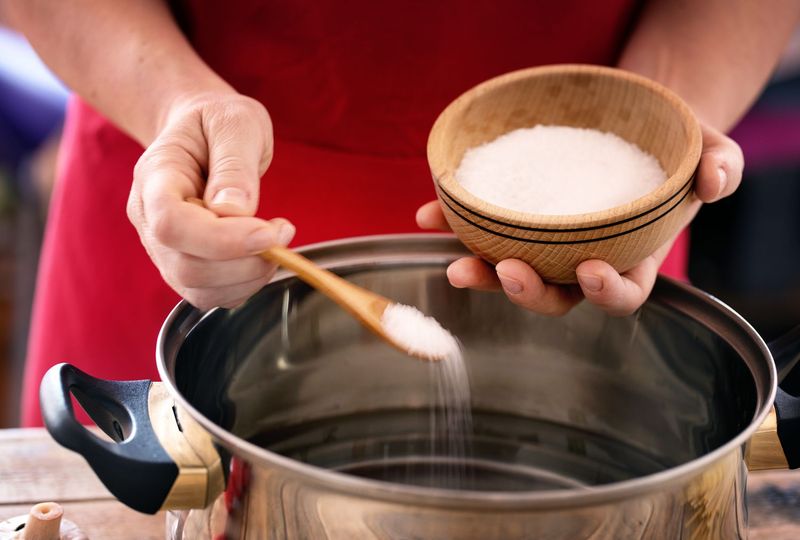
Chucking salt into your pasta water does change the boiling point, but only by a fraction of a degree. We're talking utterly negligible amounts that won't shave even seconds off your cooking time.
The real reason to salt your water is flavour, pure and simple. Pasta absorbs some of that seasoned water as it cooks, giving you tastier results than bland, unsalted noodles.
So salt away, just don't expect your kettle to suddenly become a speed demon. Physics doesn't work that way, no matter how much we wish it did.
4. Fresh Vegetables Are Always Healthier Than Frozen
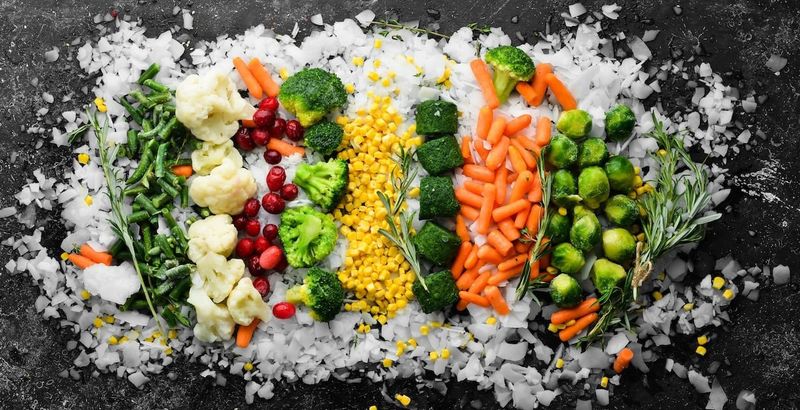
Fresh sounds superior, doesn't it? But those "fresh" veg at the supermarket might have been sitting around for days, slowly losing nutrients whilst looking pretty in the produce section.
Frozen vegetables get flash-frozen at peak ripeness, locking in vitamins and minerals right when they're at their nutritional best. Sometimes frozen actually beats fresh in the health stakes, especially if your fresh veg has been languishing in the fridge for a week.
Don't feel guilty reaching for the freezer aisle when you need convenient, nutritious vegetables.
5. You Should Only Use Extra Virgin Olive Oil For Cold Dishes
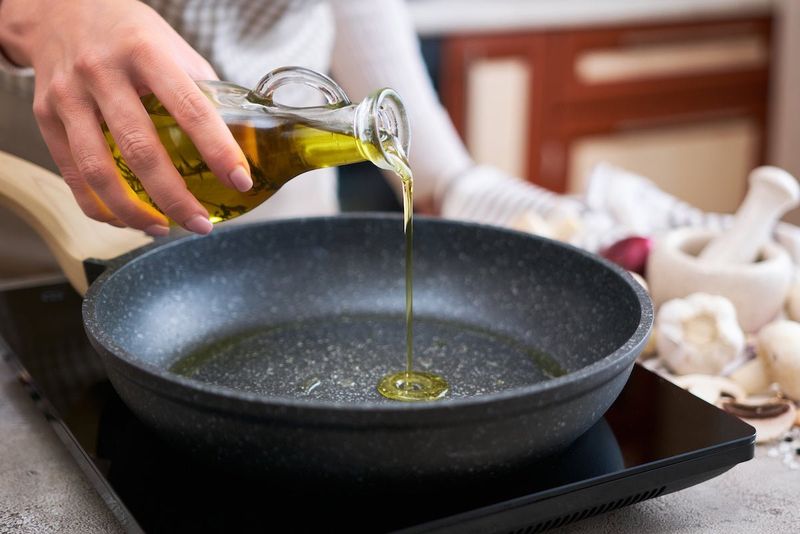
Extra virgin olive oil has a smoke point around 190-210°C, which is perfectly adequate for most home cooking methods. Mediterranean cooks have been frying and sautéing with it for centuries without their kitchens bursting into flames.
Whilst you might not want to waste expensive oil on deep frying, using it for everyday cooking won't ruin your meal or poison your family. The myth likely stems from confusing smoke point with some imaginary temperature threshold.
Save your fancy bottles for drizzling, but regular extra virgin works fine for cooking too.
6. Pasta Should Be Rinsed After Cooking
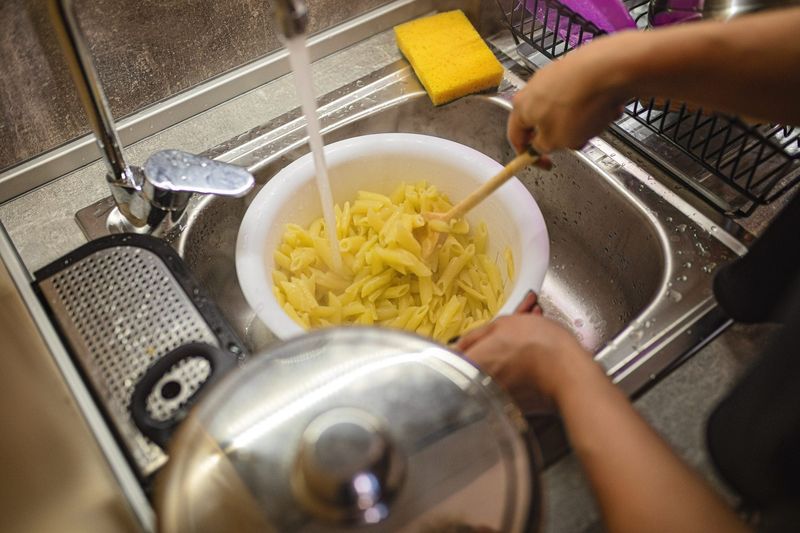
Rinsing your freshly cooked pasta strips away the starchy coating that makes sauce cling beautifully to every strand. You're literally washing away the secret to properly sauced pasta, leaving yourself with slippery, sauce-resistant noodles.
Italian nonnas would weep at the sight of perfectly good starch going down the drain. That coating is what transforms a pile of pasta and some sauce into a cohesive, delicious dish.
The only exception is cold pasta salads, where you actually want to stop the cooking process and prevent clumping.
7. A Wooden Spoon Stops A Pan From Boiling Over
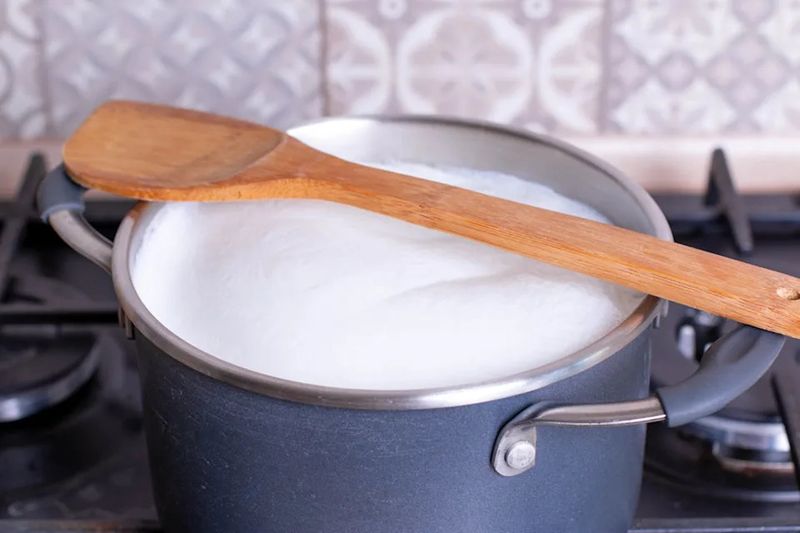
Laying a wooden spoon across your pot might work for about thirty seconds before the bubbles laugh in its face and overflow anyway. It's not some magical anti-boil barrier, despite what countless internet tips suggest.
The spoon might pop a few bubbles initially, but once that water really gets going, physics wins every time. Turning down the heat or using a larger pot actually solves the problem properly.
This myth persists because it occasionally works by sheer coincidence, giving false hope to generations of hopeful cooks watching their pasta water.
8. Red Meat Must Be Cooked Well Done To Be Safe
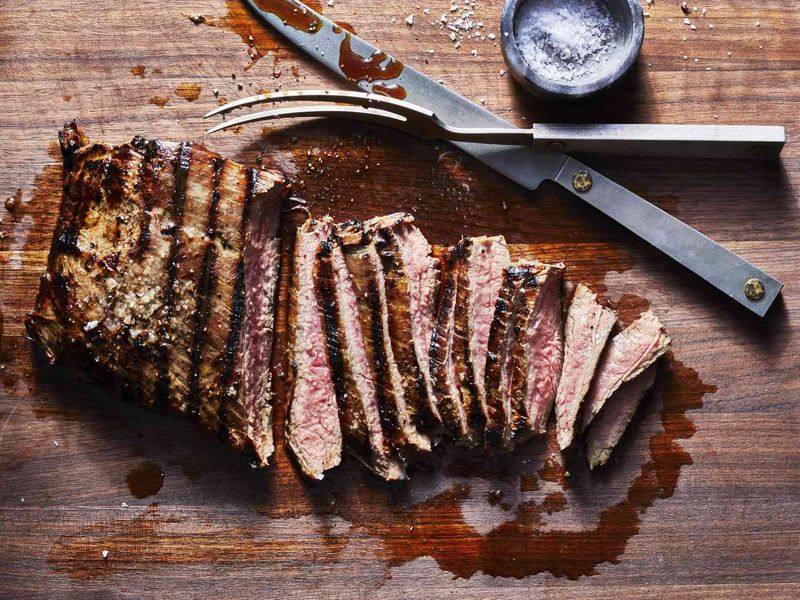
Bacteria live on the surface of whole cuts of meat, not deep inside the muscle. Searing the outside kills any nasties, leaving the interior perfectly safe to eat pink or even rare if that's your preference.
A steak cooked to 55°C for medium-rare is completely safe, whilst well-done meat often ends up dry, tough, and frankly disappointing. Food safety guidelines support this, though many Britons still overcook their beef out of unfounded fear.
Minced meat is different because grinding distributes bacteria throughout, so burgers do need thorough cooking.
9. Oil Prevents Pasta From Sticking Together
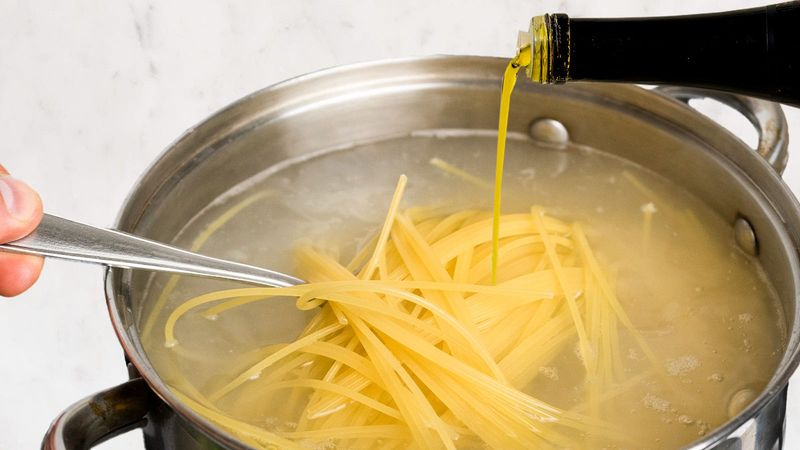
Oil floats on water, which means it's sitting on top doing absolutely nothing whilst your pasta cooks below. It won't prevent sticking during cooking because it never actually touches the pasta until you drain it.
What oil does accomplish is making your pasta slippery, so sauce slides right off instead of clinging properly. You've essentially greased up your dinner for no good reason.
Stirring occasionally and using plenty of water prevents sticking far better than adding oil ever could. Save your olive oil for actually flavouring food instead.
10. You Must Flip Meat Constantly While Cooking
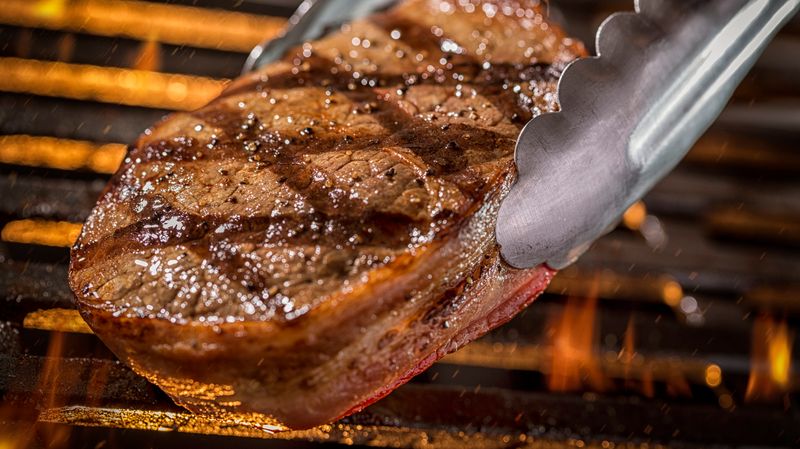
Constantly flipping meat interrupts the searing process and prevents that gorgeous caramelized crust from forming properly. Each flip releases heat and moisture, working against what you're trying to achieve.
Letting meat sit undisturbed allows the Maillard reaction to work its magic, creating complex flavours and textures. Professional chefs typically flip once, maybe twice at most, not every thirty seconds like an anxious helicopter parent.
Patience pays off with better browning, more flavour, and juicier results than fiddling with your food constantly could ever achieve.
11. All Non-Stick Pans Cannot Be Used At High Heat
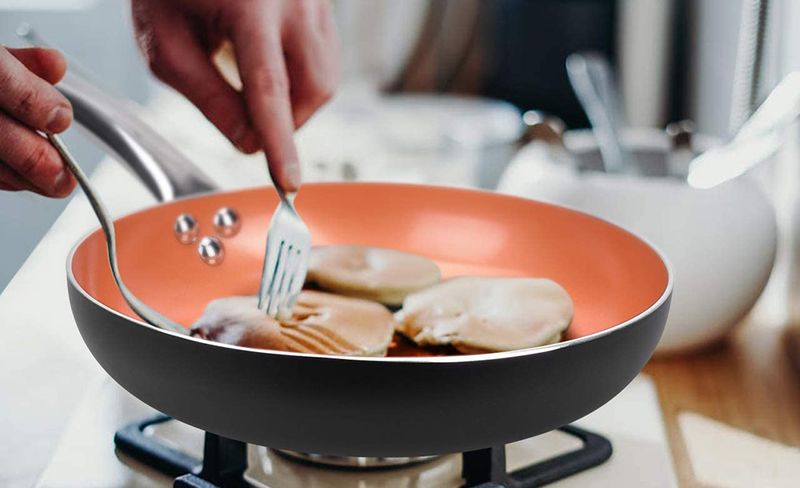
Modern non-stick coatings have come a long way from the fragile surfaces of decades past. Many quality pans now handle medium-high heat perfectly well without releasing toxic fumes or degrading rapidly.
The key is checking your specific pan's temperature rating and avoiding extreme heat that exceeds it. Most non-stick cookware works fine up to around 260°C, which covers the vast majority of home cooking needs.
Old fears about non-stick pans were often justified, but technology has improved substantially. Just follow manufacturer guidelines rather than avoiding heat altogether.
12. Adding Milk Makes Scrambled Eggs Creamier
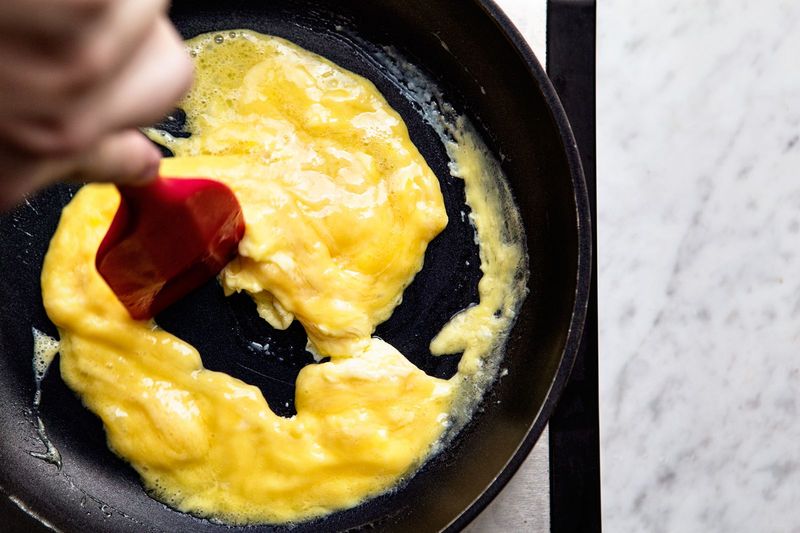
Milk actually dilutes your eggs and can make them watery rather than luxuriously creamy. Professional chefs often use nothing but eggs and butter, letting the eggs themselves create that silky texture through proper technique.
Low heat and constant stirring achieve creaminess far better than adding dairy ever could. The milk myth persists because it seems logical, but eggs contain enough fat and protein on their own when cooked properly.
If you want richer scrambled eggs, add a knob of butter or a splash of cream, not milk that waters everything down.
13. Marinades Always Tenderise Meat
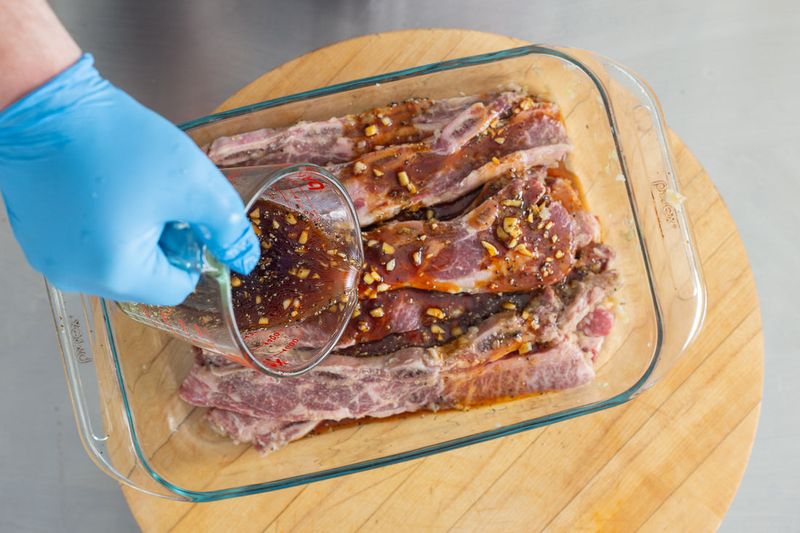
Marinades penetrate only a few millimeters into meat, flavouring the surface rather than transforming tough cuts into butter-soft bites. Acids in marinades can actually make the exterior mushy whilst leaving the interior unchanged.
True tenderizing requires mechanical means like pounding, slow cooking methods that break down connective tissue, or enzymatic marinades used briefly. Soaking chicken overnight in lemon juice mostly just makes soggy, overly acidic chicken skin.
Marinades excel at adding flavour, not fixing fundamentally tough cuts of meat through magical overnight transformation.
14. You Should Only Season Food At The End Of Cooking
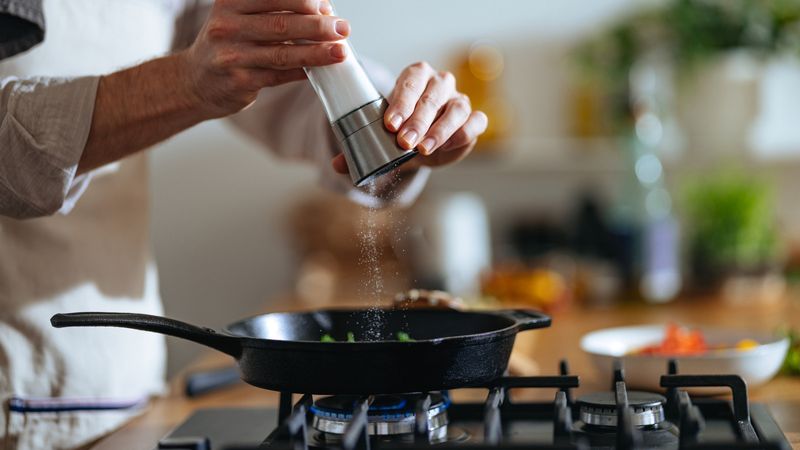
Building flavour throughout the cooking process creates depth that last-minute seasoning simply cannot match. Salting vegetables as they cook draws out moisture and concentrates flavour, whilst seasoning meat before cooking enhances the entire experience.
Waiting until the end leaves you with flat-tasting food with a sprinkle of salt on top rather than properly seasoned layers of flavour. Professional cooks season at multiple stages, adjusting and building as they go.
Final seasoning adjustments are important, but they should enhance already well-seasoned food, not rescue bland cooking with desperate last-minute salt.
15. If Food Looks Done, It Is Safe To Eat
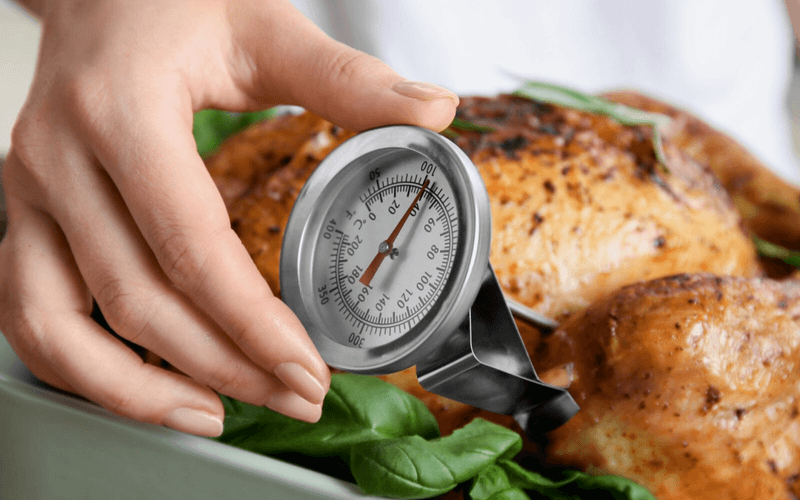
Appearance is a terrible indicator of food safety, as harmful bacteria are invisible to the naked eye. Chicken can look perfectly cooked whilst still harboring dangerous pathogens in its slightly undercooked center.
Only a food thermometer tells you the actual internal temperature, which is what matters for killing bacteria. Pork might look done at 55°C but needs 63°C to be safe, whilst that beautiful golden chicken needs 75°C throughout.
Visual cues help with doneness preference, but temperature is the only reliable measure of food safety. Invest in a decent thermometer and actually use it.



