













Packing for a trip abroad is straightforward – it’s your stomach that needs preparation. British travellers often encounter meal times that feel upside down, flavours that push their taste buds, and the curious lack of a proper cup of tea.
From surprisingly small portion sizes to breakfasts that barely resemble a fry-up, adapting to new eating habits can turn even the most adventurous Brit into someone craving a familiar bite. Understanding these differences helps make international dining a smoother and more enjoyable experience.
All information is provided for general interest only. Dining customs, ingredients, and meal structures may vary by country. Photos are for illustrative purposes only.
1. Very Early Or Very Late Dinner Times
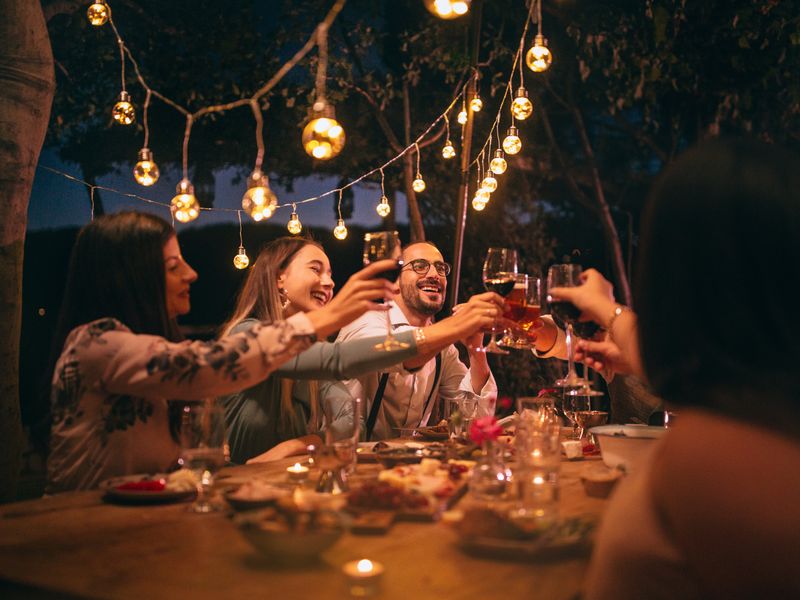
Spaniards tuck into dinner at 10 PM whilst Americans eat at 5:30 PM, and both extremes leave Brits feeling utterly baffled. Back home, tea time sits comfortably around 6 or 7 PM, perfectly timed between afternoon and bedtime.
Adjusting your internal clock takes more than a few days. Eating late means staying up longer, whilst early dinners leave you peckish before bed.
Your body protests either way, sending hunger signals at completely inappropriate moments whilst everyone around you seems perfectly content with their local schedule.
2. Heavily Spiced Or Unusually Flavoured Dishes
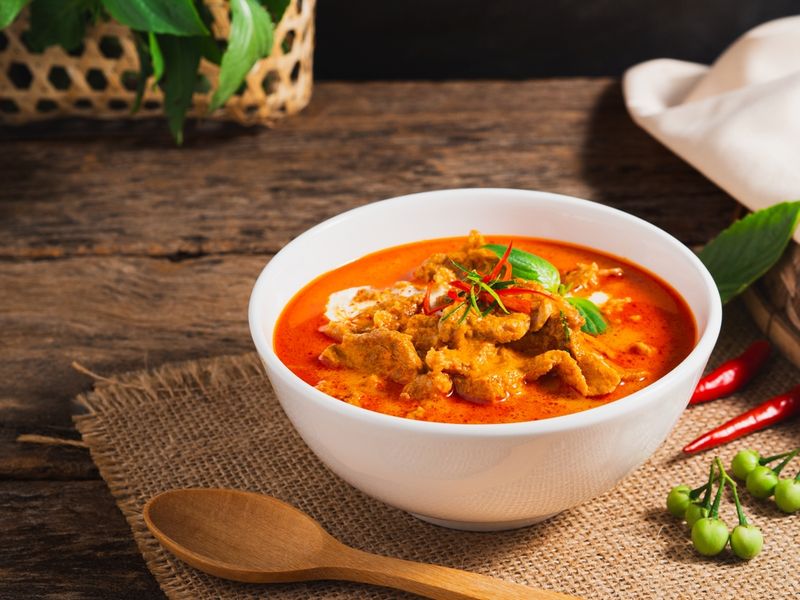
British palates grew up on salt, pepper, and perhaps a bit of mint sauce if feeling adventurous. Then you land in Thailand or India, and suddenly your mouth's on fire from chillies you didn't even see coming.
Fermented flavours, pungent fish sauces, and spice levels that make your eyes water become daily challenges. What locals consider mild often registers as volcanic to British taste buds.
Adapting means starting slowly, asking for less spice, and accepting that your definition of flavourful differs vastly from countries where spices aren't just decoration.
3. Smaller Portion Sizes Than Expected
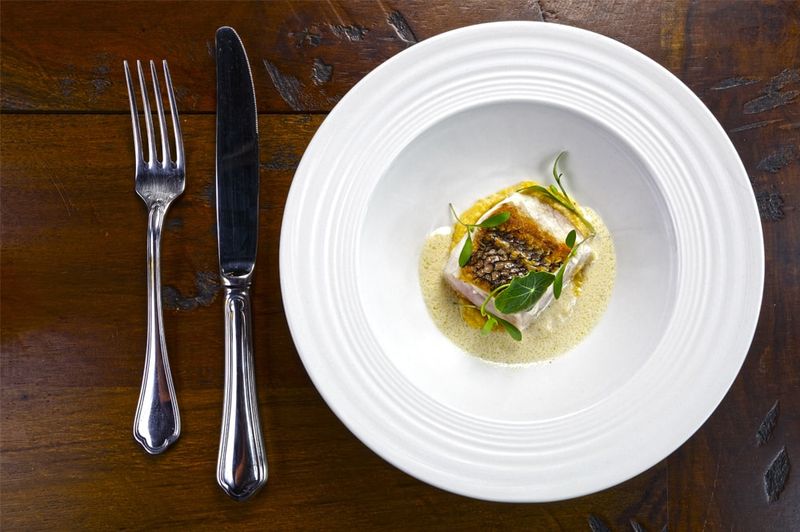
French restaurants serve portions that look more like art installations than actual meals. You finish everything on your plate and wonder if the kitchen forgot the rest, whilst your wallet reminds you that you've just paid premium prices for what feels like a starter.
European and Asian countries often favour quality over quantity, serving smaller amounts of carefully prepared food. Brits accustomed to heaping Sunday roasts find themselves still hungry after dinner, sneaking off to find crisps or biscuits later.
The adjustment requires retraining your brain about what constitutes a proper meal.
4. Bread Served Only On Request Or Not At All
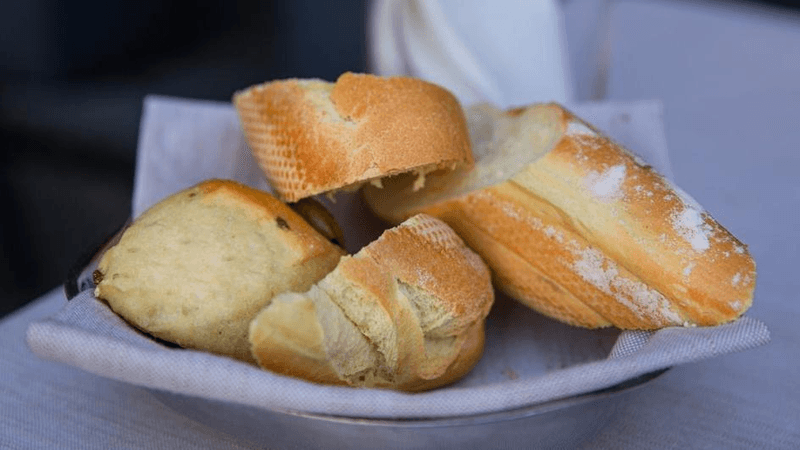
Walking into a restaurant and not finding bread automatically on the table feels wrong to British sensibilities. In many countries, bread costs extra or doesn't appear unless specifically requested, which seems absolutely criminal when you're used to complimentary rolls.
Italy charges for bread and cover, France might bring it but not butter, and some Asian countries skip it entirely. Brits miss that starchy foundation for mopping up sauces or filling the gap whilst waiting for mains.
The absence feels like something's missing from the entire dining experience, no matter how delicious everything else tastes.
5. Limited Availability Of Tea Or Proper Milk
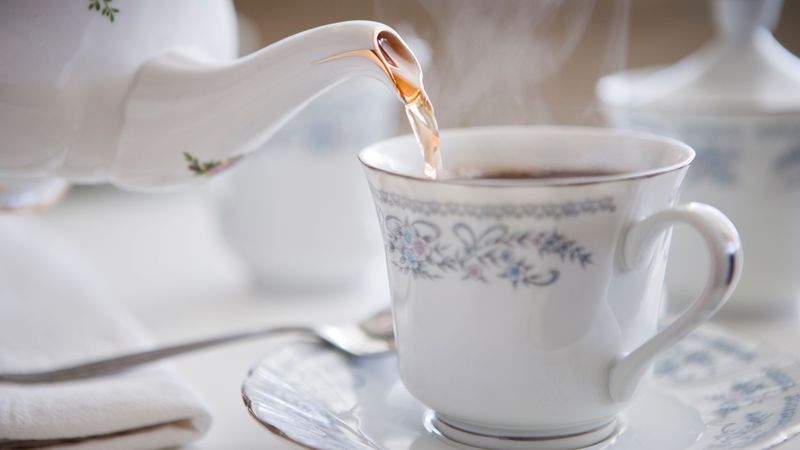
Nothing prepares a Brit for the horror of weak, lukewarm tea served with UHT milk portions or, worse yet, lemon slices. Countries that prefer coffee treat tea as an afterthought, offering dusty teabags that produce something vaguely brown but utterly disappointing.
Fresh milk becomes a luxury in places where long-life versions dominate. Your morning cuppa, that sacred British ritual, turns into a sad reminder of home.
Some travellers pack their own teabags, but finding proper boiling water and decent milk remains an ongoing battle that tests patience daily throughout the entire trip.
6. Raw Or Undercooked Foods That Feel Unfamiliar
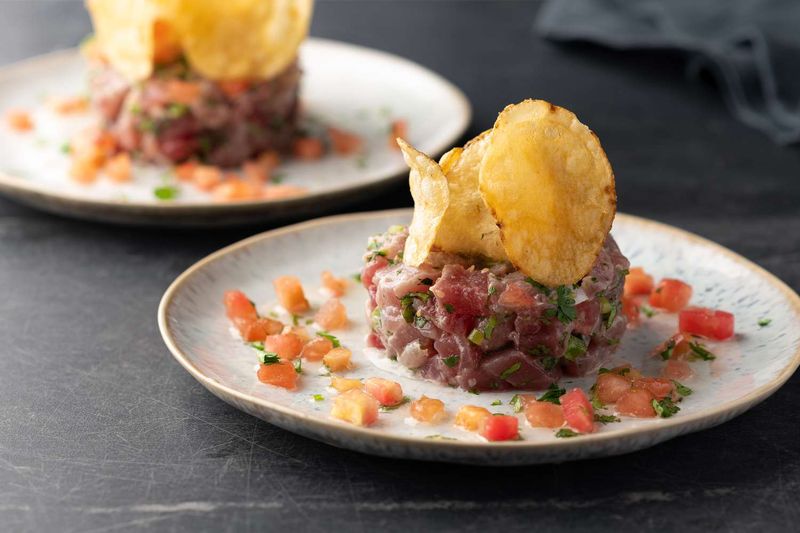
Japanese sashimi, French steak tartare, and Italian carpaccio all celebrate rawness that makes British diners squirm uncomfortably. Growing up with thoroughly cooked meat and fish means raw preparations trigger automatic safety concerns, even when perfectly safe.
The texture alone puts people off before taste enters the equation. Slimy, cold, or chewy foods that haven't seen heat feel fundamentally wrong to palates trained on roasted, grilled, and fried everything.
Overcoming this requires genuine bravery and often multiple attempts before your brain accepts that raw doesn't automatically mean dangerous or disgusting.
7. Unfamiliar Mealtime Structures, Like Multiple Small Courses
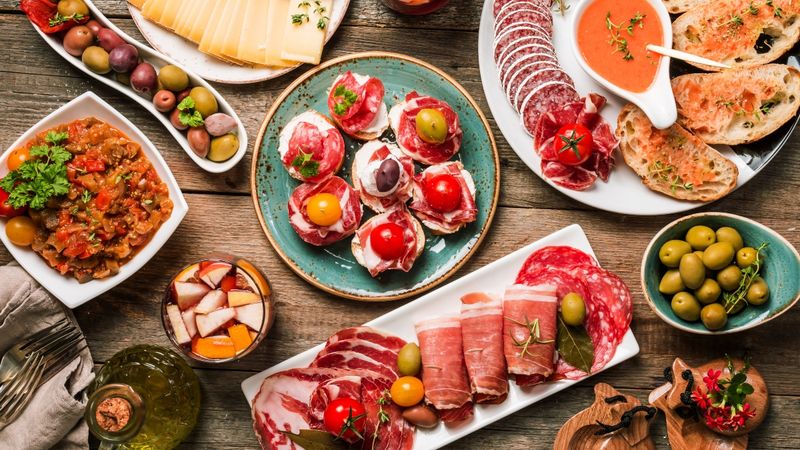
Spanish tapas culture means ordering six tiny dishes instead of one proper plate, which confuses Brits used to starter, main, and pudding in orderly succession. Suddenly you're sharing everything, eating in no particular order, and never quite feeling properly full.
Asian dim sum follows similar logic, with endless small portions arriving randomly throughout the meal. The lack of structure feels chaotic compared to British dining's predictable progression.
You're constantly calculating whether you've ordered enough, wondering when to stop, and feeling oddly unsatisfied despite eating plenty because nothing arrived as one complete, filling plate.
8. Differences In Breakfast Offerings Versus The UK
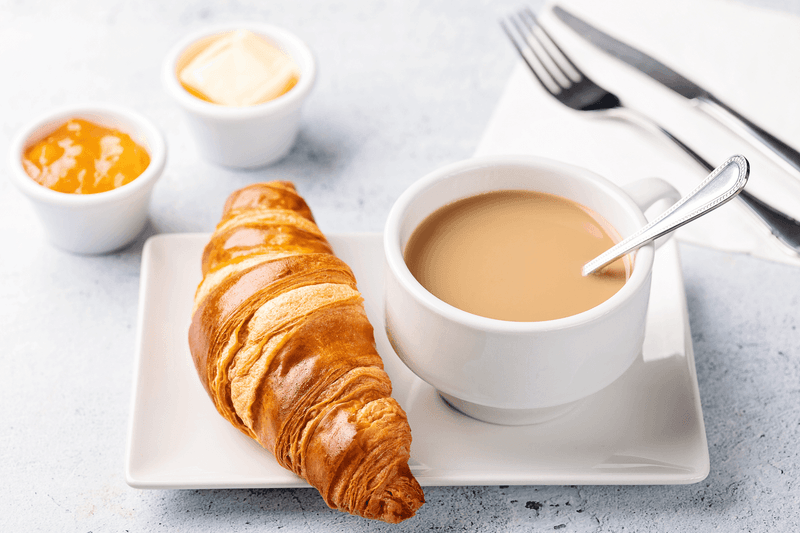
Continental breakfasts feel like elaborate jokes played on British tourists expecting proper fry-ups. Croissants and jam simply don't compare to sausages, bacon, eggs, beans, mushrooms, tomatoes, and toast working together in greasy harmony.
Asian breakfasts featuring rice, soup, or fish for brekkie seem completely bonkers at first. Sweet pastries and cold cuts lack the hearty, hot satisfaction Brits crave first thing in the morning.
Your body expects fuel for the day ahead, not dainty baked goods that disappear within minutes, leaving you hunting for actual food before lunch arrives.
9. Restaurants Closing Earlier Than Expected
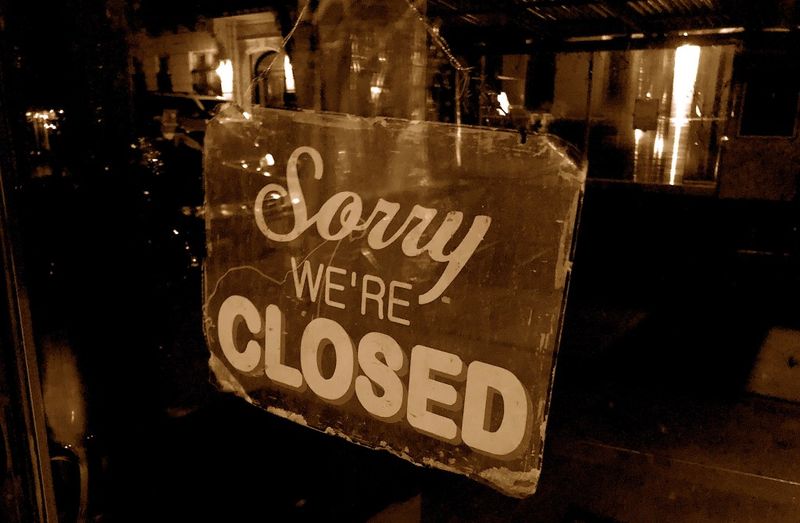
Fancying a late dinner at 9 PM sounds reasonable until you discover that restaurants in Germany, Switzerland, or Scandinavia have already locked their doors and cleaned their kitchens. Many European establishments stop serving food surprisingly early, especially outside major cities.
This catches Brits completely off guard, particularly after spending the afternoon sightseeing and assuming dinner options remain available indefinitely. Suddenly you're scrambling to find anywhere still serving proper food, often settling for kebab shops or convenience stores.
Planning meals around restaurant hours feels restrictive and frankly annoying when you're used to greater flexibility back home.



