













Certain meals feel closely tied to the identity of a place, passed down through families and shared across generations. Liverpool has built a strong food culture shaped by maritime history, working-class traditions, and influences from Irish and global communities.
Many dishes linked to the city focus on hearty ingredients, practical cooking methods, and flavours that feel warm and comforting. These meals often carry stories about community gatherings, family kitchens, and local pride that continues today.
Traditional recipes from Liverpool reflect how food can connect people through shared heritage and everyday routines.
The information shared here is provided for general informational purposes only. Recipes, preparation methods, and regional variations may differ depending on household traditions, local customs, and ingredient availability.
1. Scouse
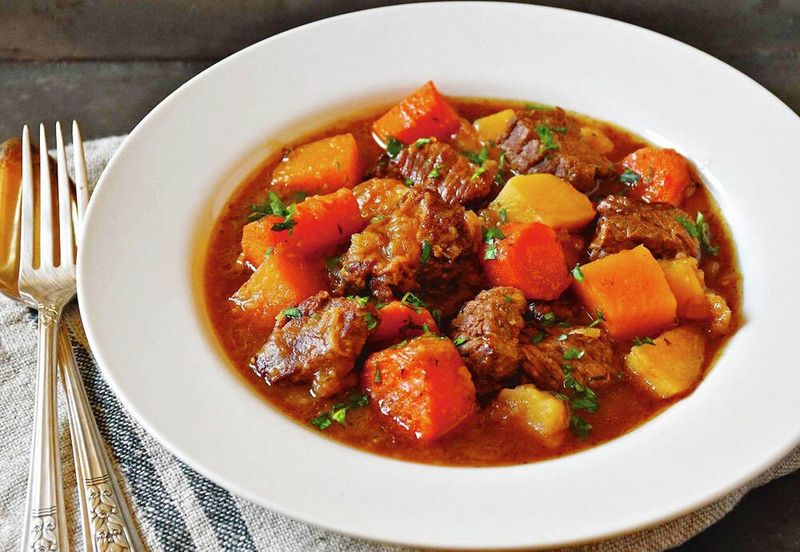
Hearty stews have long played a role in Liverpool’s food traditions, often built around slow cooking and simple ingredients. The name Scouse developed from lobscouse, a sailor’s stew once eaten by maritime workers visiting port cities.
Over time, Liverpool households adapted the dish using locally available meat, potatoes, and vegetables. Each family recipe developed its own style depending on ingredients and personal preference.
Sharing a warm bowl of stew continues to reflect the city’s strong connection to its maritime heritage and community cooking traditions.
2. Blind Scouse
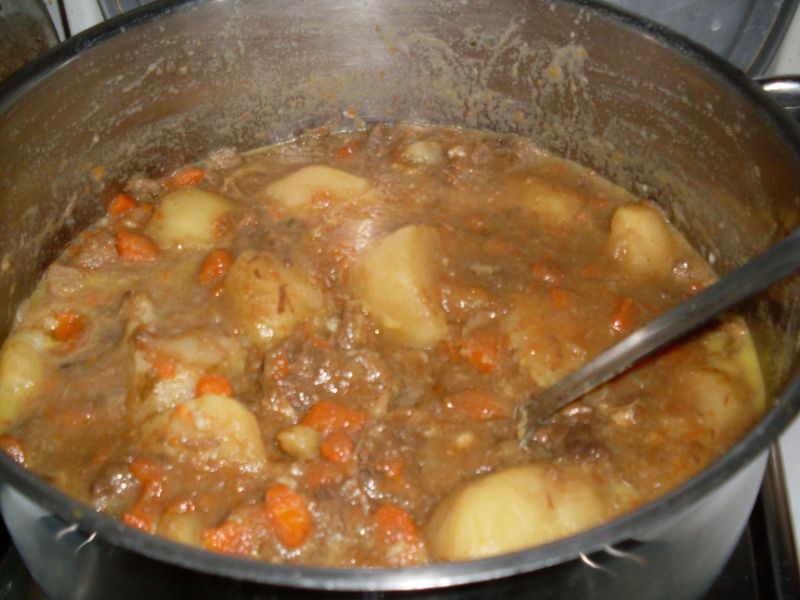
When money ran tight, Liverpudlians created this meatless version of their beloved Scouse. Packed with vegetables and just as filling, it earned its name because you couldn't see any meat in it.
Root vegetables like turnips, swedes, and extra potatoes bulk it up beautifully. The flavour comes from proper seasoning and patient cooking rather than expensive ingredients.
It proves that Liverpool cooks could make something delicious from whatever the cupboard offered, no butcher required.
3. Liverpool Coddle
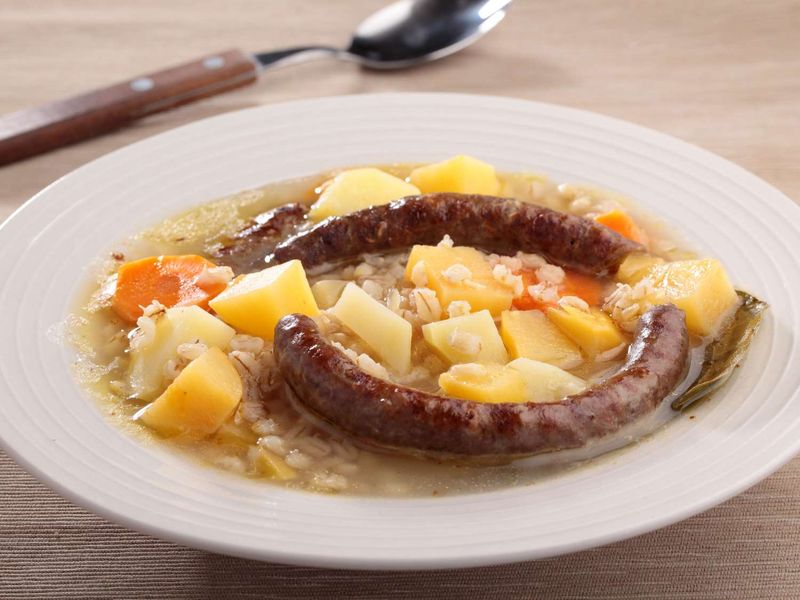
One-pot meat and vegetable stews appear in many British and Irish cooking traditions, especially in cities with strong maritime links. Similar dishes often combine sausages, bacon, potatoes, and onions simmered slowly in stock.
Recipes vary widely depending on household traditions and regional influences. Slow simmering allows the ingredients to soften while creating rich, comforting flavours.
Meals like these highlight how neighbouring cultures often share similar comfort food traditions.
4. Wet Nelly
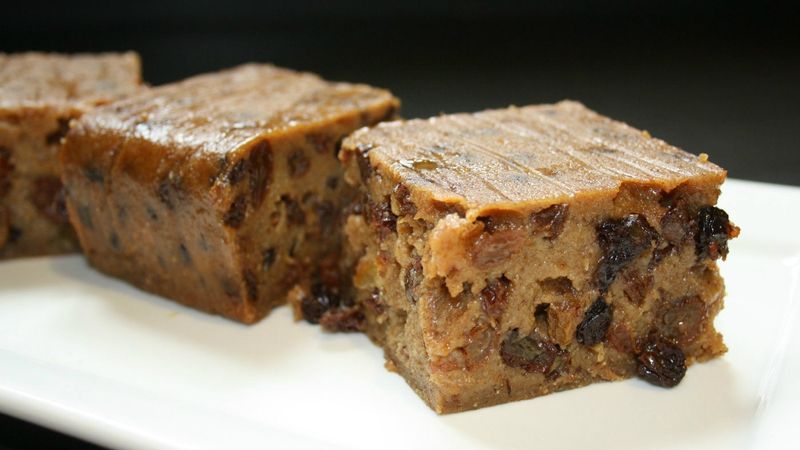
This thrifty pudding transformed stale cake and leftover pastry into something genuinely special. Mixed with dried fruit, spices, and plenty of liquid, it baked into a moist, sweet treat that cost practically nothing.
The name supposedly comes from its soggy texture, though some say it references a horse that pulled bread carts. Either way, Liverpool bakers knew exactly how to rescue yesterday's goods.
Served warm with custard, it's proof that waste-not cooking can taste absolutely brilliant.
5. Liverpool Pan Haggerty
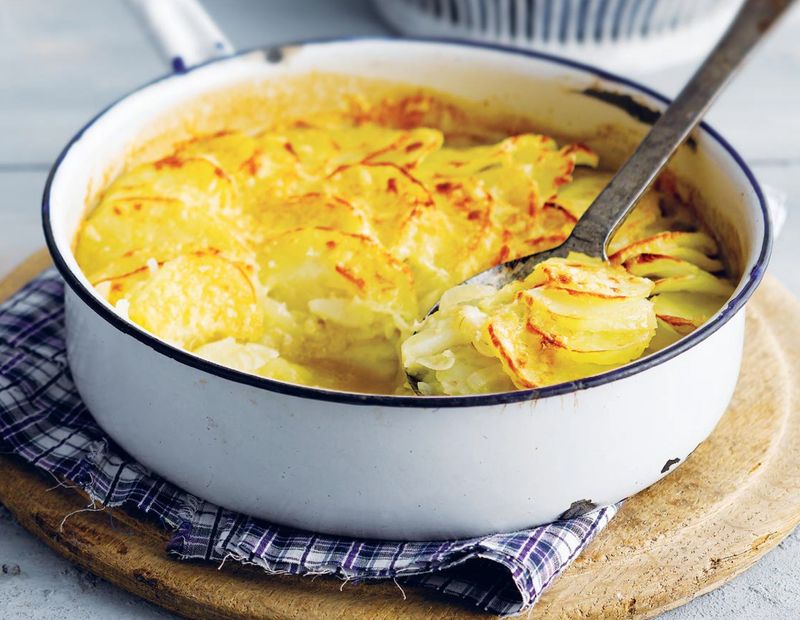
Layered potato dishes have been enjoyed across northern England for generations, especially in working-class kitchens. Thinly sliced potatoes cooked with onions and cheese create a filling meal using simple, affordable ingredients.
Frying the layers slowly helps develop crisp edges while keeping the centre soft and flavourful. Variations appear across northern regions, each shaped by local cooking habits and ingredient availability.
Dishes like this reflect how resourceful cooking created satisfying meals from basic pantry staples.
6. Bubble And Squeak (Liverpool-Style Leftover Version)
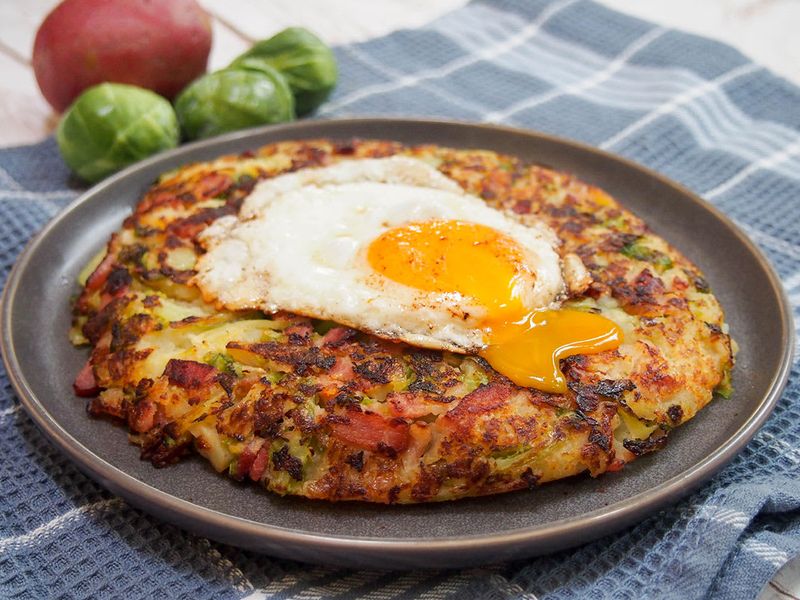
Monday's fried-up leftovers from Sunday's roast dinner became a Liverpool institution. Mashed potato and cabbage get pan-fried until crispy, creating those irresistible crunchy bits everyone fights over.
The name comes from the sounds it makes whilst cooking in the pan. Liverpool cooks often add whatever vegetables survived the weekend, making each batch uniquely delicious.
Top it with a fried egg and you've got breakfast, lunch, or tea sorted without spending a penny extra.
7. Pea Wet With Chips
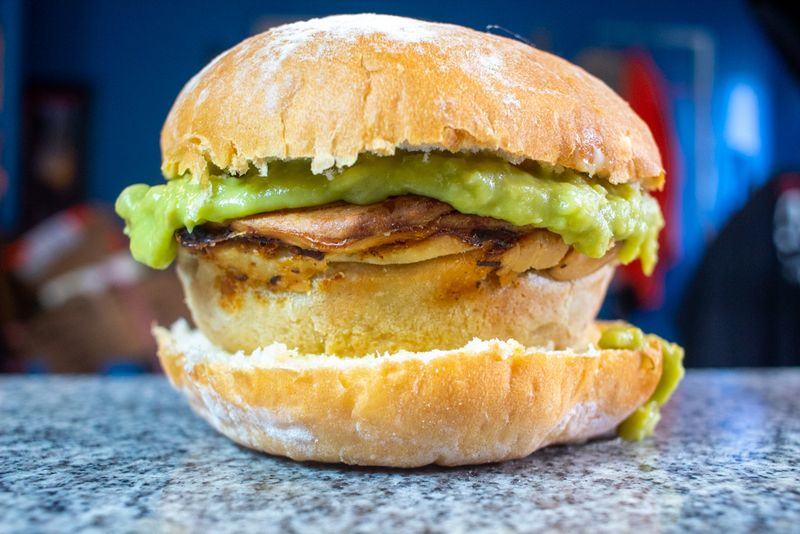
Chippy traditions often include creative ways to enjoy classic takeaway favourites. In parts of Liverpool, mushy pea cooking liquid is sometimes poured over chips as an alternative topping.
The sauce adds moisture and a mild savoury flavour that complements fried potatoes. Regional takeaway customs like this show how local communities develop unique serving styles.
Exploring these traditions highlights how familiar foods can take on distinctive local twists.
8. Irish Stew (Strong Liverpool Heritage Influence)
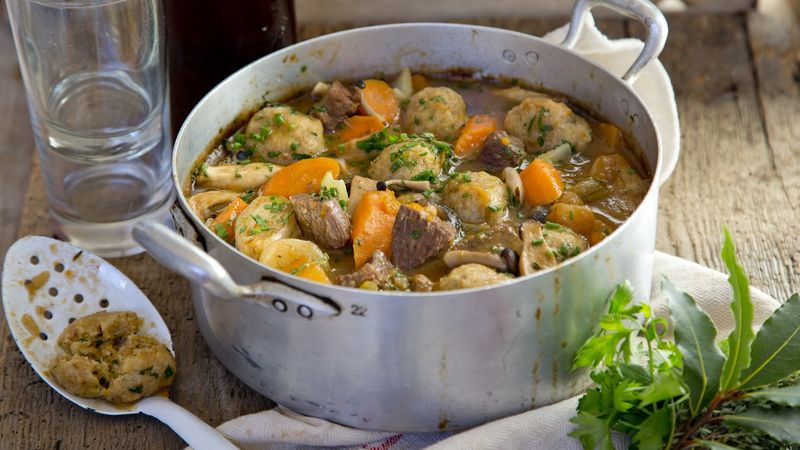
Liverpool's massive Irish population brought their traditional stew, which quickly became a Scouse staple. Mutton or lamb simmers with potatoes, carrots, and sometimes pearl barley until fall-apart tender.
Unlike Scouse, this version keeps a clearer broth rather than a thick gravy. The Irish community's influence on Liverpool cooking cannot be overstated, and this dish represents that cultural exchange beautifully.
It's comfort food that connects two cities across the Irish Sea, one delicious bowl at a time.
9. Corned Beef Hash (Liverpool Home Style)
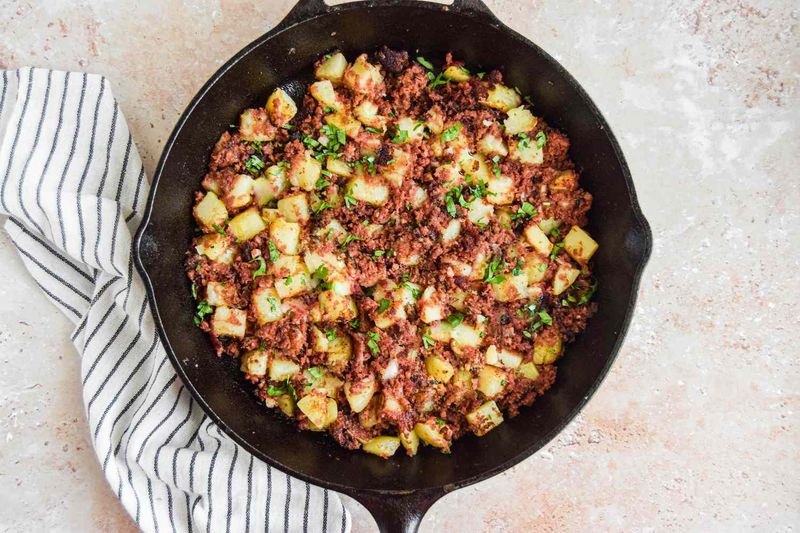
Tinned corned beef was a Liverpool kitchen staple, and local cooks turned it into something far better than it had any right to be. Fried with potatoes and onions until crispy, it became a quick, filling meal.
The key is getting proper colour on those potatoes and not stirring too much. Many Liverpool families ate this weekly, and the smell of it frying still brings back childhood memories for countless Scousers.
Cheap, cheerful, and genuinely tasty when done right.



