













Menu choices can change depending on the occasion, especially when dining is part of a celebration, work event, or shared gathering. Some dishes are viewed as occasional treats rather than everyday selections, often because of price, preparation style, or presentation.
These meals are typically associated with special outings or hosted events. When cost is not the main deciding factor, diners may feel more comfortable trying premium ingredients or elaborate dishes.
Looking at meals Britons tend to order in these situations offers insight into how dining habits shift based on circumstance and social setting.
This article is provided for general information only. Menu availability, pricing, and preparation styles may vary by restaurant and location.
Individual dining choices and preferences differ. Photos are for illustrative purposes only.
1. Steak With Sides
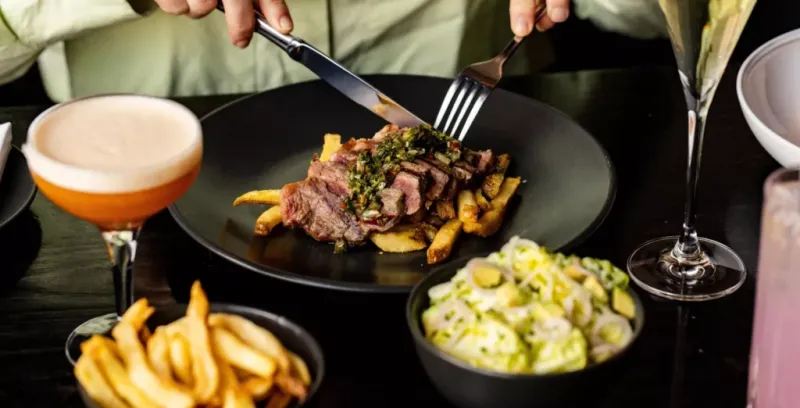
A proper steak dinner transforms from weeknight dream to justified reality when the bill's not yours. That perfectly marbled ribeye or tender fillet suddenly seems entirely reasonable, especially when you can add on the triple-cooked chips, peppercorn sauce, and maybe some buttered greens without wincing at the mounting total.
British steakhouses charge anywhere from twenty to fifty quid for a quality cut, and that's before sides. Each addition bumps up the price, turning what could be a simple meal into a proper feast.
The beauty lies in customization – rare, medium, or well-done, with béarnaise or garlic butter. When someone else is footing the bill, you're free to build your perfect plate without calculator anxiety.
2. Lobster Or Crab
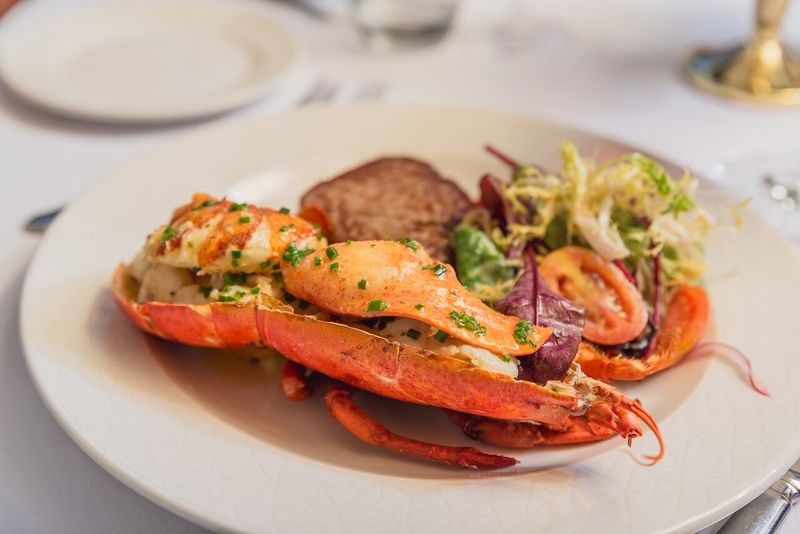
Cracking into a whole lobster feels ridiculously posh, the kind of thing you'd normally scroll past whilst eyeing the fish and chips section. But when the meal's on someone else's dime, suddenly that sweet, delicate meat becomes entirely justifiable.
Fresh crab follows the same logic – gorgeous but eye-wateringly expensive for what amounts to a surprisingly small amount of actual eating.
Both shellfish require proper work to extract every morsel, making them feel like an experience rather than just dinner. The theatrics of bibs, crackers, and tiny forks add to the indulgence.
British coastal restaurants charge premium prices for locally caught specimens, knowing full well most diners save these treats for special occasions.
3. Chateaubriand
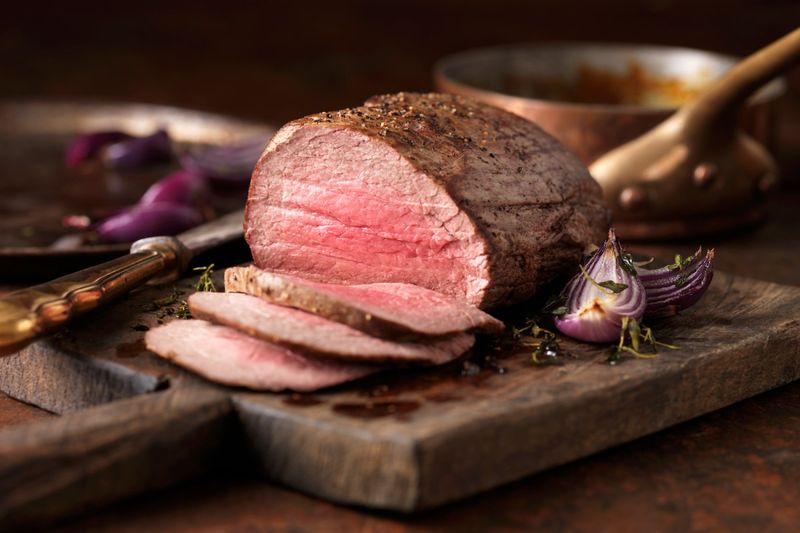
This French classic rarely appears on personal expense reports, mostly because ordering an entire centre-cut tenderloin for two feels absurdly extravagant. The thick beef fillet gets grilled to perfection, then carved tableside with proper ceremony – the kind of theatrical dining moment that justifies someone else's generous budget.
Named after a French aristocrat, Chateaubriand represents the tenderest portion of beef. Restaurants typically serve it with béarnaise sauce and roasted vegetables, creating a shared experience that somehow feels less guilt-inducing when you're not signing the receipt.
The price per person often exceeds forty pounds, making it a dish reserved for corporate dinners and milestone celebrations.
4. Tasting Menu
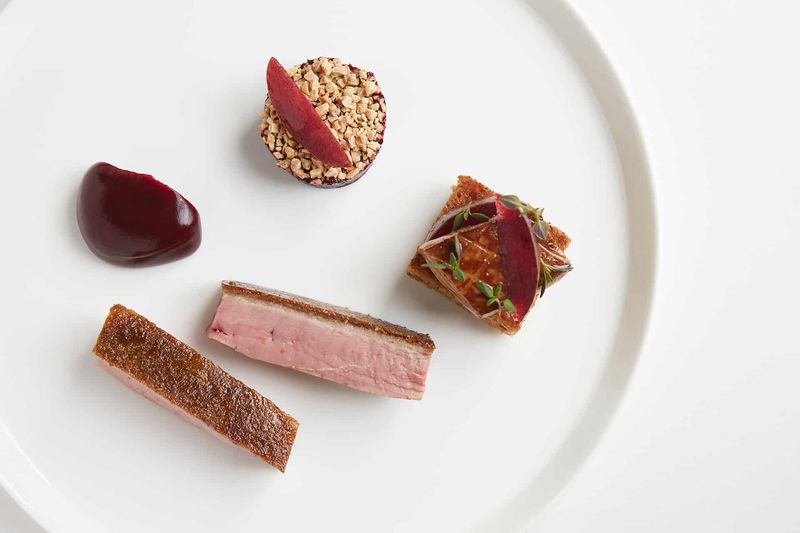
Committing to eight or ten mystery courses sounds brilliant until you realize the bill might exceed your weekly grocery budget. Tasting menus let chefs show off their creativity through tiny, intricate plates that arrive in waves, each more Instagram-worthy than the last.
When someone else is treating, suddenly that £85 per person seems like a reasonable adventure rather than financial recklessness. You'll sample ingredients you can't pronounce, prepared using techniques you've never heard of, all whilst pretending you understand the sommelier's wine pairing explanations.
These marathon meals stretch over two or three hours, turning dinner into a proper event that feels special enough to justify the expense – especially when it's not your expense.
5. Wagyu Beef
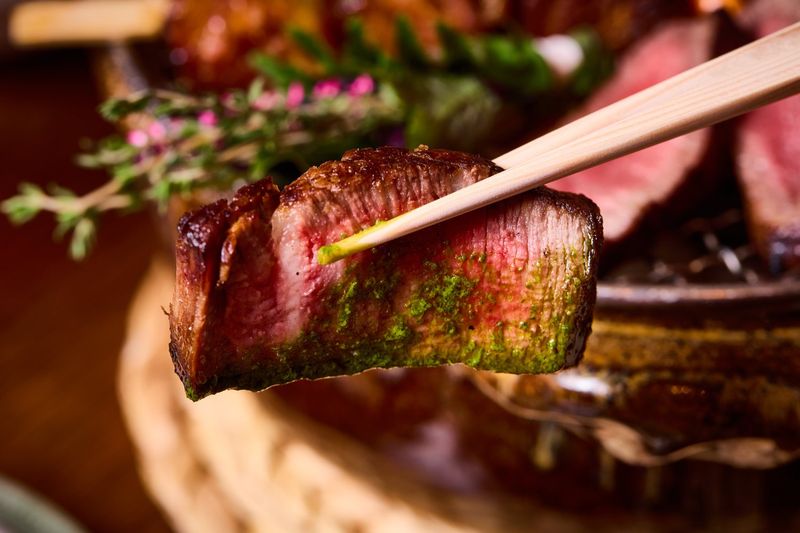
Japanese Wagyu sits at the pinnacle of beef snobbery, with marbling so intricate it resembles edible artwork. That buttery texture and rich flavour come with a price tag that'll make your eyes water – often £15 to £20 per ounce in British restaurants, turning a modest steak into mortgage payment territory.
The cattle receive specialized feeding and care, resulting in meat that practically melts on your tongue. Chefs typically serve it simply, knowing the beef needs little enhancement beyond a hot grill and perhaps some sea salt.
Ordering Wagyu on your own dime feels like burning money, but when the company's paying? Suddenly you're a discerning connoisseur appreciating fine ingredients.
6. Seafood Platter
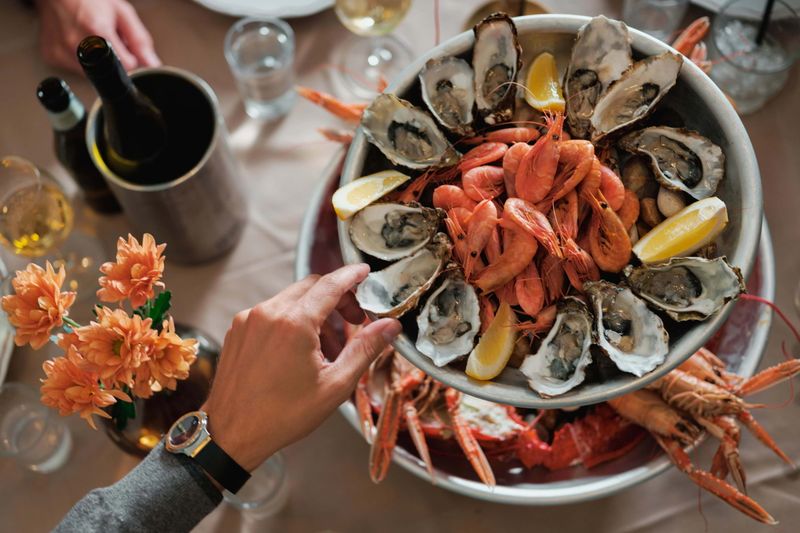
Nothing says "I'm not paying" quite like ordering the tiered seafood extravaganza that dominates the centre of your table. These architectural marvels pile oysters, prawns, mussels, and crab onto crushed ice, creating an edible sculpture that photographs beautifully and costs spectacularly.
Sharing platters justify their £60-plus price tags by feeding multiple people, though the actual meat-to-shell ratio remains disappointingly low. Still, the variety offers something for everyone, and the visual impact makes diners at neighbouring tables quietly jealous.
British seaside restaurants specialize in these showstoppers, knowing tourists and expense-account diners can't resist the coastal authenticity and Instagram potential.
7. Truffle Pasta
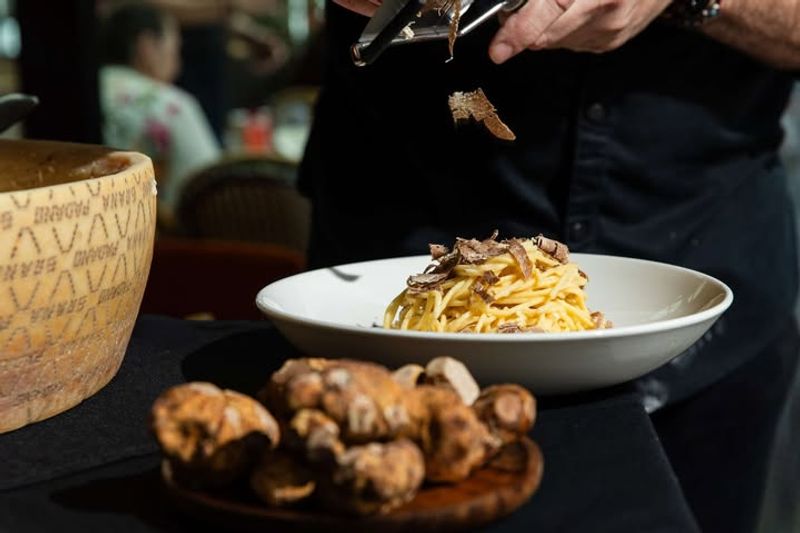
Fresh pasta becomes a luxury statement the moment someone shaves earthy black truffles over the top. That distinctive aroma – described as everything from garlicky to musky – transforms simple carbs into a dish costing upwards of £30, mostly because truffles sell for thousands per kilogram.
Italian restaurants in Britain charge premium prices for this delicacy, knowing diners associate truffles with sophistication and wealth. The fungi's intense flavour means a little goes far, though you'll rarely complain if the waiter's hand lingers over the grater.
Ordering truffle pasta on someone else's bill feels properly decadent, especially when you'd normally settle for a basic marinara and call it a night.
8. Premium Sushi Platter
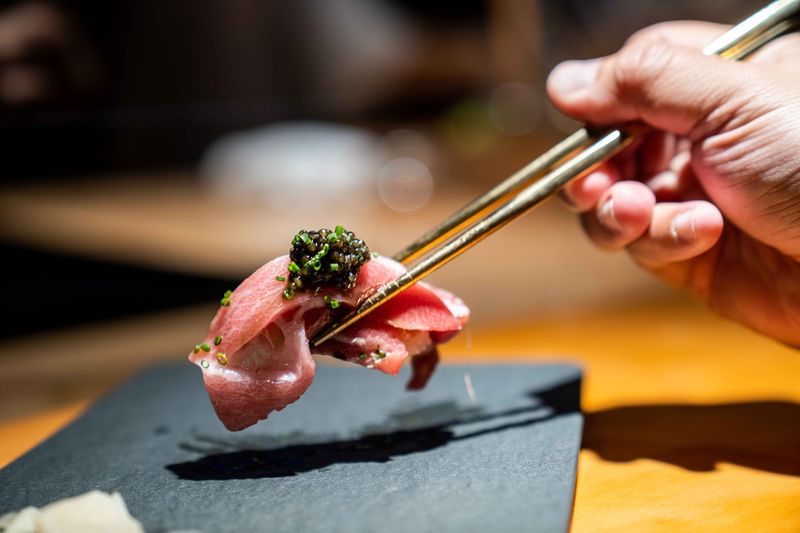
Raw fish prices escalate quickly once you venture beyond basic salmon rolls into fatty tuna, sea urchin, and other delicacies that require chef expertise and pristine sourcing. A proper sushi selection at a decent Japanese restaurant easily tops £50 per person, especially when you're ordering the chef's special omakase selection.
Each piece represents careful knife work and years of training, with the best cuts commanding astronomical prices at Tokyo's fish markets before arriving at British restaurants. The rice temperature, fish texture, and wasabi balance all matter enormously.
When you're not paying, suddenly exploring exotic options like uni or otoro seems educational rather than extravagant.
9. Duck Breast
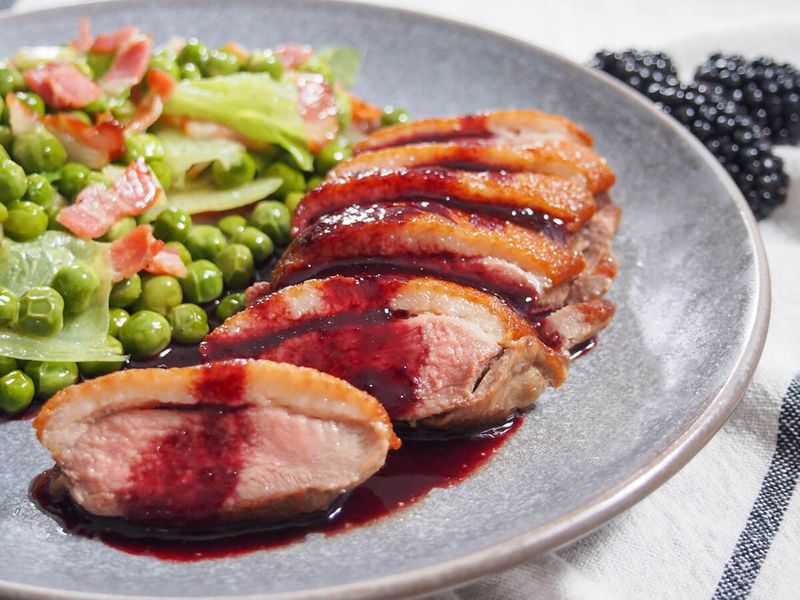
Duck occupies that strange middle ground between everyday poultry and special-occasion protein, mostly because restaurants charge twice what chicken costs for the privilege. The rich, gamey meat pairs beautifully with fruit sauces – cherry, orange, or plum – creating flavour combinations that feel properly grown-up and restaurant-worthy.
Achieving that crispy skin and pink centre requires technique most home cooks haven't mastered, making duck breast a dish best left to professionals. French and modern British restaurants excel at this preparation, often serving it with seasonal vegetables and rich jus.
Ordering duck feels sophisticated without being ridiculously flashy, making it perfect for when someone else is treating but you don't want to seem greedy.
10. Rack Of Lamb
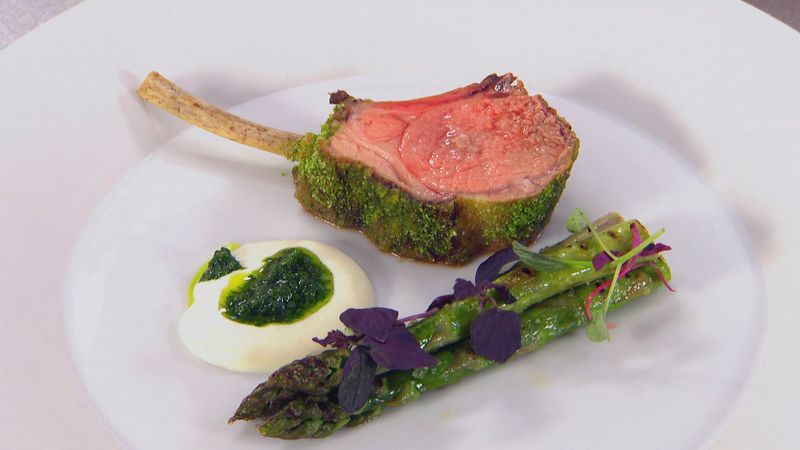
Those neat little cutlets standing to attention on your plate represent some of the priciest meat per pound you'll encounter. Lamb racks come from the rib section, offering tender meat that's been French-trimmed for presentation – a fancy way of saying someone cleaned the bones to look pretty, then charged you extra for the privilege.
British lamb carries particular cachet, with Welsh and Scottish varieties commanding premium prices for their flavour and quality. Chefs typically roast them with herb crusts, serving three or four chops per person alongside seasonal accompaniments.
The theatrical presentation and premium pricing make rack of lamb a dish you'd rarely order on your own, but perfect when someone else is being generous.
11. Cheese Trolley Selection
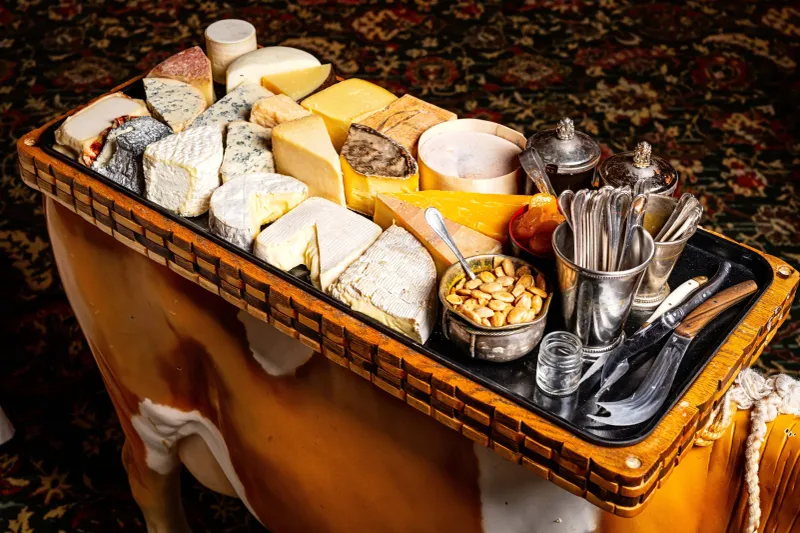
Finishing dinner with a cheese course feels wonderfully old-fashioned and indulgent, especially when a server wheels over an entire trolley laden with options. That modest-sounding supplement – usually £12 to £18 – adds up quickly, particularly when you're already full from three courses but can't resist the theatre of selection.
Proper cheese trolleys offer everything from creamy Brie to pungent Stilton, accompanied by chutneys, crackers, and perhaps some quince paste. Knowledgeable staff guide you through regional varieties and suggest pairings, making the experience educational as well as delicious.
Ordering cheese instead of pudding feels sophisticated, and when someone else is paying, you might even request both without shame.
12. Dessert Trio
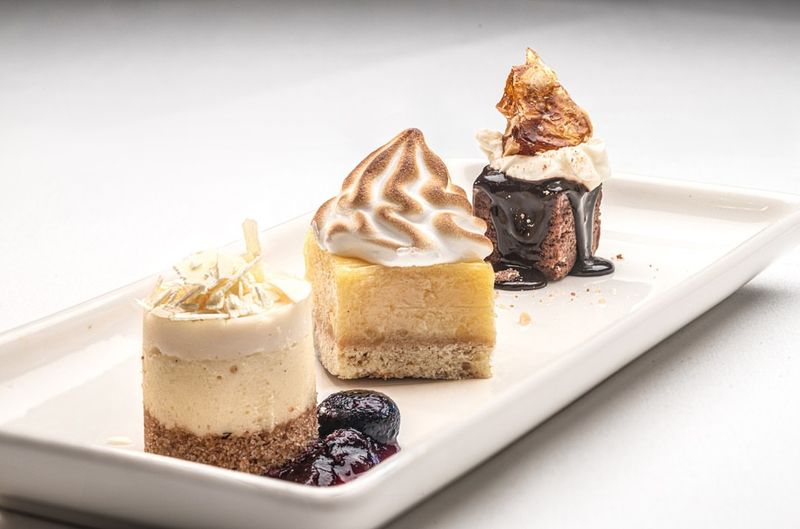
Can't decide between the chocolate fondant and crème brûlée? When someone else holds the credit card, suddenly ordering a trio of miniature desserts seems perfectly sensible.
These samplers let you taste multiple puddings without committing to a full portion, though the price rarely reflects the reduced size – often costing nearly as much as three individual desserts combined.
Restaurants love trios because they showcase pastry chef skills whilst looking spectacular on Instagram. You'll typically get artistic plating with sauce drizzles, edible flowers, and other decorative touches that justify the premium pricing.
Sharing these petite treats feels less greedy than ordering multiple full desserts, making them ideal for expense-account dining.



