













Dining out involves more than food and atmosphere – it is also shaped by the interactions between guests and restaurant staff. Small habits at the table can influence how smoothly service runs, particularly during busy periods.
While some behaviours may create unnecessary challenges, others can help staff manage their workload more easily and contribute to a more relaxed dining environment. Understanding these everyday dining habits offers a simple way to support a positive experience for both customers and waiting staff.
This article is for general information and etiquette guidance only. Service expectations and restaurant practices vary by venue, region, and dining style.
Individual experiences may differ. Images, where used, are for illustrative purposes only.
Dining Habits That Irritate Waiting Staff
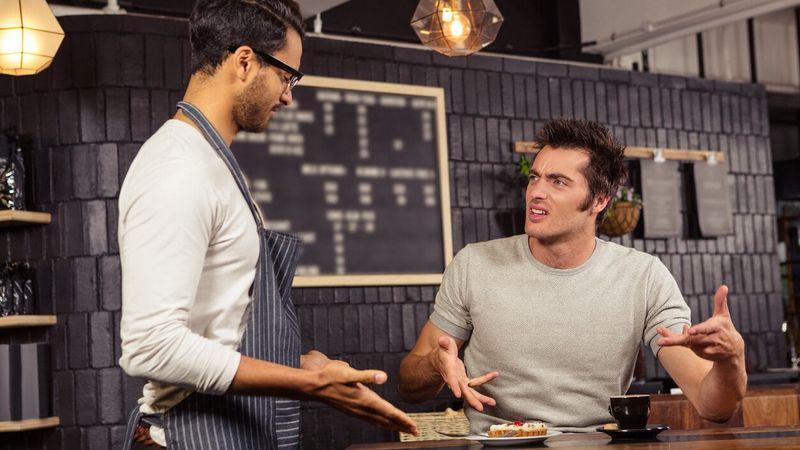
Restaurant service often relies on timing, coordination, and clear communication. Certain guest behaviours, even when unintentional, can disrupt that rhythm and make already busy shifts more difficult to manage.
Actions such as changing orders repeatedly, ignoring staff when they approach the table, or leaving menus and payment decisions until the last minute can slow service for everyone. Recognising how these habits affect waiting staff helps diners better understand the pressures behind the scenes.
1. Clicking Fingers Or Calling Staff Loudly Across The Room

Picture this: you're juggling three tables, memorising orders, and suddenly someone's clicking at you like you're a pet. It's genuinely one of the most demeaning things diners do, and it happens more often than you'd think.
Servers are people, not summonable objects. A polite wave or simply making eye contact when they glance your way works brilliantly.
Shouting across a crowded restaurant doesn't make you seem important – it just makes everyone uncomfortable, including other diners trying to enjoy their meals in peace.
2. Ignoring Staff When They Approach The Table

There's nothing quite as awkward as standing beside a table, ready to help, whilst everyone continues chatting or scrolling through their phones as if you're invisible. Servers often have to make multiple trips back because diners weren't paying attention the first time.
A simple acknowledgement – even just a quick "give us one moment, please" – shows basic respect. It lets staff plan their route efficiently rather than hovering uncertainly.
When someone does approach, a brief pause in conversation makes the whole interaction smoother and faster for everyone involved.
3. Moving Tables Or Chairs Without Asking
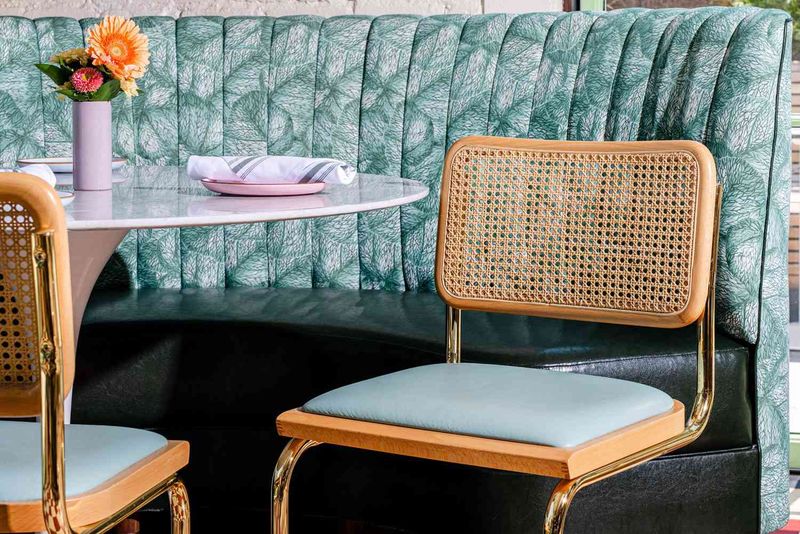
Restaurants arrange their furniture deliberately – not just for aesthetics, but for safety and efficient service flow. When diners start dragging tables together or repositioning chairs, they often block fire exits or create trip hazards that servers must navigate whilst carrying hot plates.
What seems like a minor adjustment to you can completely disrupt the entire floor plan. Staff know which configurations work best for their space.
If you need a different setup, just ask – they'll either accommodate you properly or explain why it's not possible, saving everyone potential accidents.
4. Letting Children Or Belongings Block Walkways
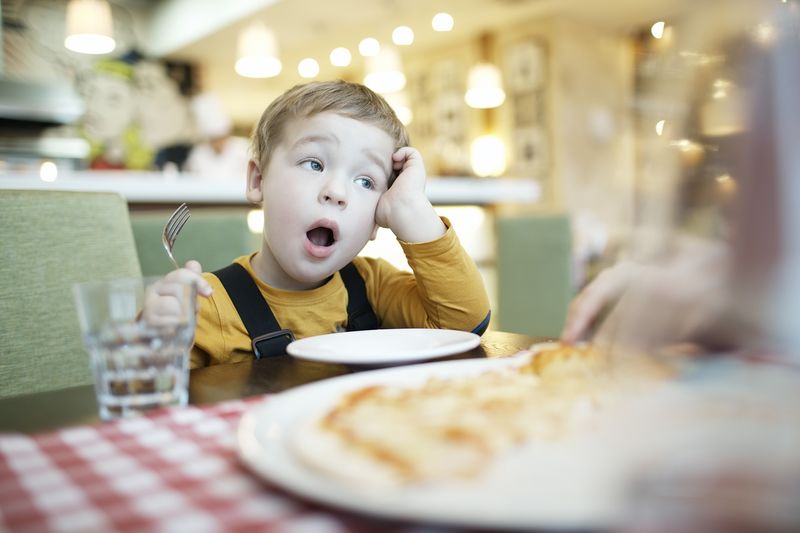
Servers carry trays loaded with hot food, glassware, and sometimes flaming desserts. When handbags dangle into aisles, coats drape over chair backs into walkways, or little ones toddle freely between tables, it becomes an obstacle course that's genuinely dangerous.
Nobody expects children to sit like statues, but keeping them reasonably contained near your table prevents collisions. Tucking bags under tables rather than leaving them in pathways shows consideration.
One spilled tray doesn't just mean cleaning up – it could mean burns, broken dishes, and ruined meals for multiple tables.
Things That Make Their Shift Better

Positive dining habits can genuinely transform a server’s working day. Simple gestures like being ready to order, communicating politely, or acknowledging staff efforts help create a smoother, more enjoyable service flow.
When guests show patience during busy periods or offer clear and respectful requests, it allows staff to focus on delivering a better overall dining experience. Small acts of consideration often lead to friendlier service and a more relaxed atmosphere for everyone involved.
1. Making Eye Contact And Speaking Politely

Treating servers like actual human beings rather than automated ordering systems makes an enormous difference to their shift. A genuine smile and a quick "how are you?" costs nothing but creates a completely different atmosphere.
Politeness doesn't mean being overly formal – just basic courtesy. Saying please and thank you, making eye contact when speaking, and using a friendly tone rather than barking orders transforms interactions.
Servers remember kind customers and often go the extra mile for them. It's remarkable how much better service becomes when there's mutual respect flowing both ways at the table.
2. Being Ready To Order When Staff Return
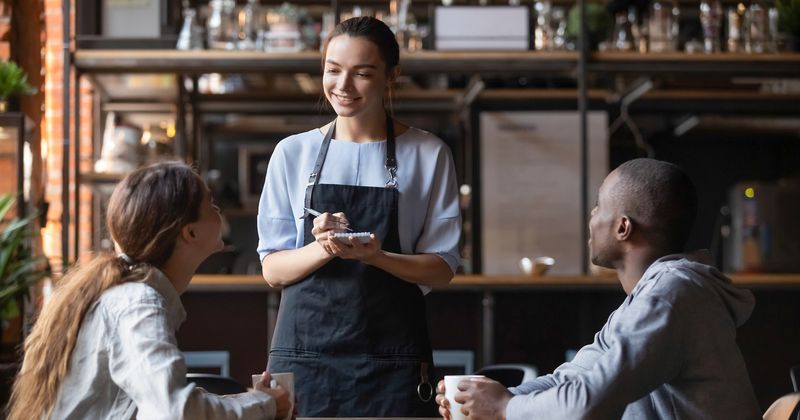
Servers typically ask if you need more time because they're trying to be helpful, not pushy. When they return after you've said you're ready, actually being ready saves them from making unnecessary trips.
Having your menu closed and looking up signals you've decided. It's perfectly fine to need extra time – just be honest about it rather than keeping someone waiting whilst you debate between two dishes.
During busy periods, those saved minutes add up significantly. Being decisive helps staff serve more tables efficiently, which ultimately means better service for everyone in the restaurant.
3. Stacking Plates Or Tidying The Table Slightly
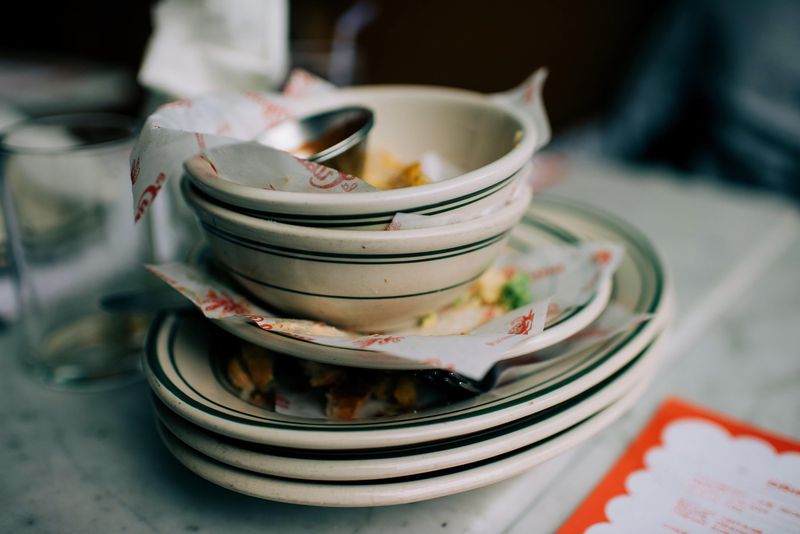
You don't need to bus your own table, but gathering empty plates into a neat stack at the table's edge genuinely helps servers clear more efficiently. It's a small gesture that makes their job considerably easier, especially during hectic periods.
Some restaurants prefer you don't do this – their staff have specific clearing methods. But generally, consolidating finished dishes, tucking cutlery onto plates, and moving empties aside shows thoughtfulness.
Just don't scrape food between plates or attempt complicated stacking that might topple. Simple, neat gathering is plenty, and servers genuinely appreciate the consideration behind it.
4. Showing Patience During Busy Service Periods
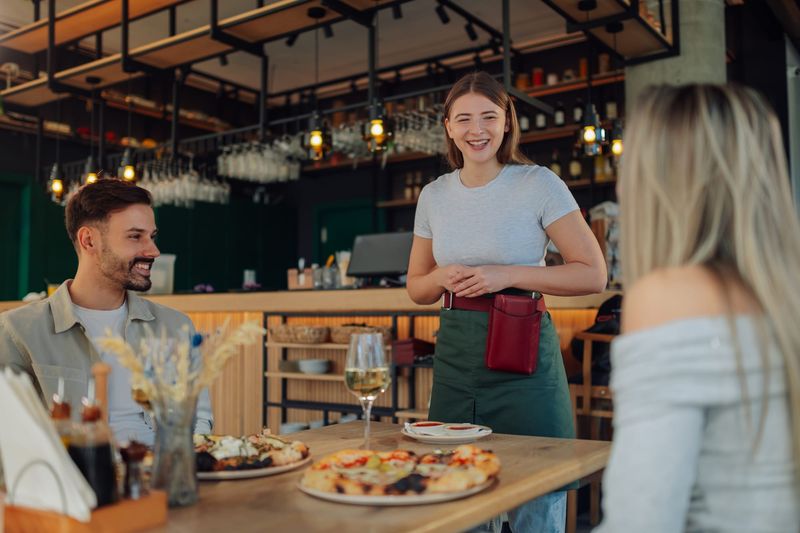
Friday night at half seven means chaos in most restaurants. When every table is full and the kitchen's slammed, a bit of patience goes an incredibly long way towards making everyone's evening more pleasant.
Servers can see you're waiting – they're moving as quickly as safely possible. Getting frustrated or demanding immediate attention doesn't speed things up; it just adds stress.
Understanding that slight delays during peak times are normal shows maturity. Most restaurants will acknowledge the wait and often compensate with complimentary items.
Your patience often gets rewarded, whilst impatience rarely does.



