













Devon has a talent for serving dishes that make visitors pause for a second before picking up a fork. Some names sound unusual, others combine ingredients people don’t expect, and a few spark friendly debate before anyone even tastes them.
These dishes focus on local ingredients and practical cooking, which is exactly what gives them their distinctive character. They may not always look predictable, but they carry flavours deeply connected to Devon’s landscape.
Some plates raise eyebrows at first glance, yet the first bite often flips opinions surprisingly fast. A few of these dishes have a habit of turning curious visitors into repeat orderers before they realise it.
This article is for entertainment and informative purposes only. Traditional recipes and preparation styles can vary between towns, families, and local interpretations across Devon.
1. Devon Cream Tea (Cream First)

Few food debates in Southwest England spark as much friendly rivalry as the order of cream and jam on a scone. In Devon, clotted cream is traditionally spread first, followed by a layer of jam placed carefully on top.
Visitors familiar with the Cornish version often find the method surprising, yet many locals swear the cream creates the perfect base for balancing sweetness. Bakeries across the county take pride in crafting soft, fluffy scones that hold generous toppings beautifully.
Trying it the Devon way quickly turns curiosity into strong opinions at the table.
2. Stargazy Pie
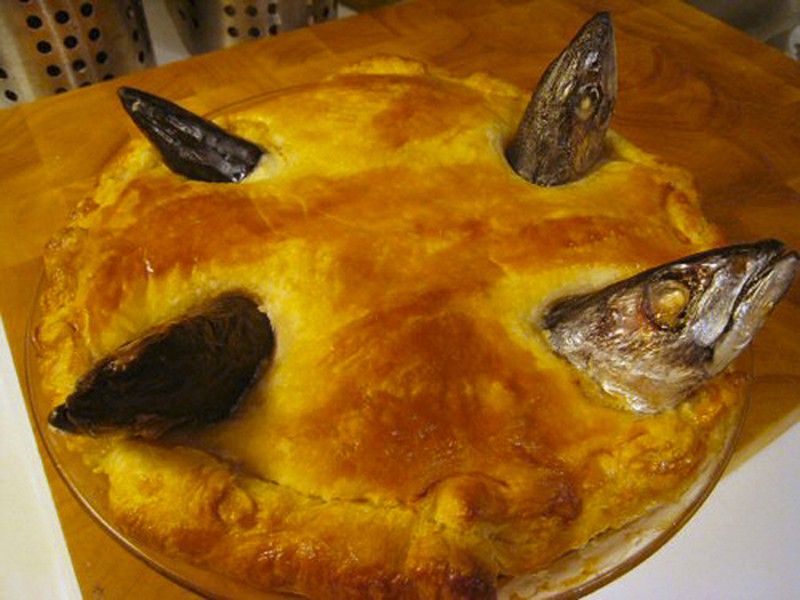
Fish heads sticking out of a pie crust might seem bizarre at first glance. This coastal creation features whole pilchards baked beneath pastry, with their heads poking through as if gazing at the stars.
The unusual presentation actually serves a purpose: the fish oils drip back into the filling during baking, keeping everything moist and flavourful. The combination of flaky fish, eggs, and potatoes creates a hearty meal that fishermen have enjoyed for ages.
Once you taste it, the quirky appearance becomes completely forgiven.
3. Devonshire Junket
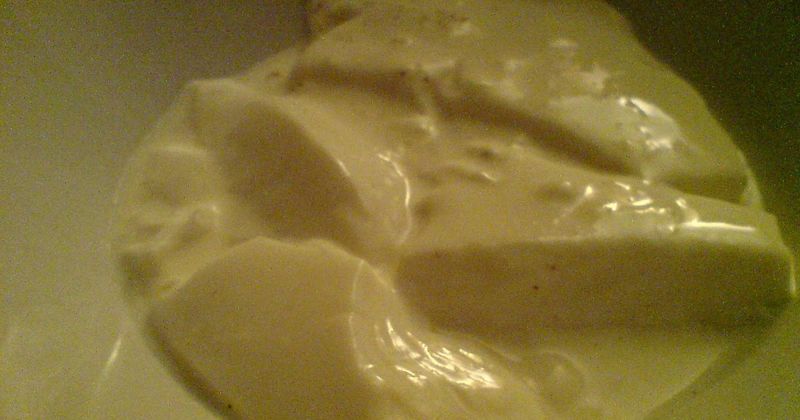
This gently set dessert can look unfamiliar to modern diners at first glance. Junket uses rennet to softly thicken sweetened milk, creating a texture that sits somewhere between custard and cream.
The delicate flavour and silky consistency often surprise people who expect something firmer. Traditionally, the dessert appeared at family gatherings and celebratory meals across parts of Devon.
A topping of clotted cream and nutmeg adds a comforting finish that keeps this historic sweet quietly memorable.
4. Devon Split
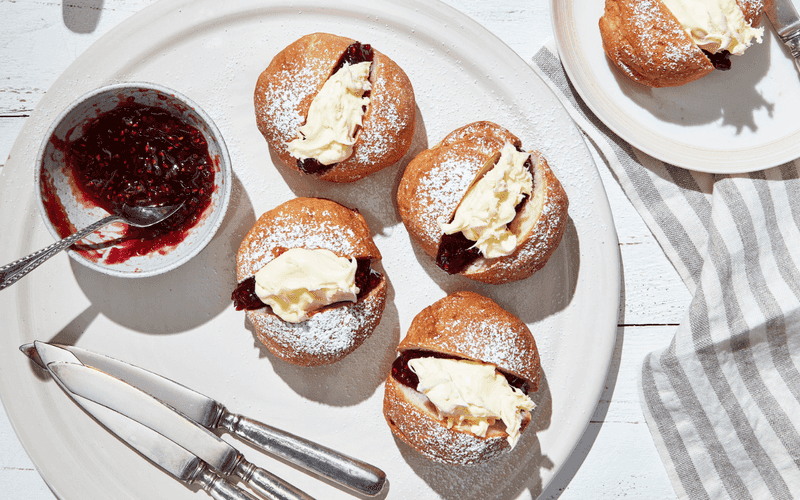
At first, this looks like someone's confused a bread roll with a cake. The Devon split is a soft, sweet bun that's sliced and generously filled with clotted cream, jam, and sometimes fresh strawberries.
It's richer and more indulgent than a regular scone, with a texture that's somewhere between bread and sponge cake. The combination might seem odd to outsiders, but the pillowy bun soaks up the cream beautifully.
Bakeries across Devon have been making these treats since the nineteenth century, perfecting their unique recipe.
5. Devon Squab Pie
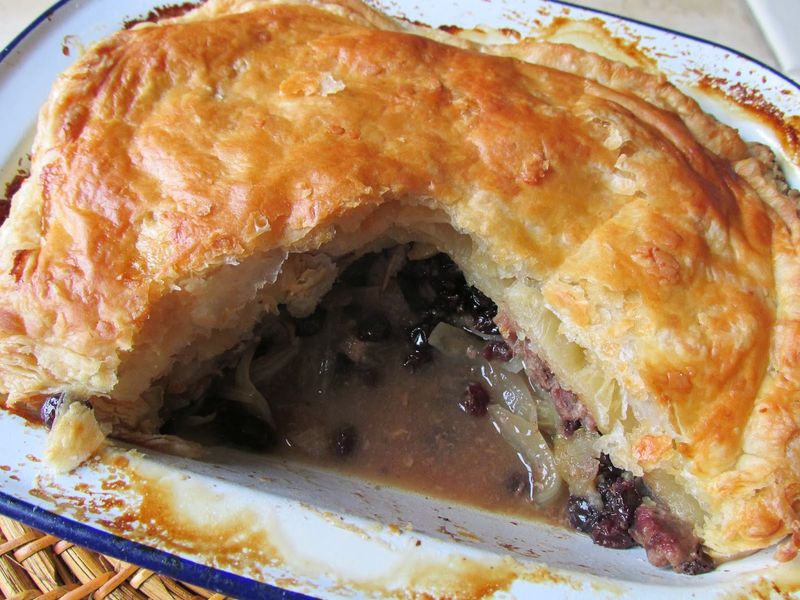
Despite the name, no pigeons appear in this hearty pie. Squab pie actually contains mutton or lamb layered with apples, onions, and sometimes prunes under a thick pastry lid.
The fruit and meat combination puzzles people who've never tried it, but the sweet-savoury flavour works brilliantly together. Slow cooking makes the lamb incredibly tender whilst the apples break down into a subtle sauce.
Farm workers relied on this filling meal for energy during long days in the fields across rural Devon.
6. White Pot
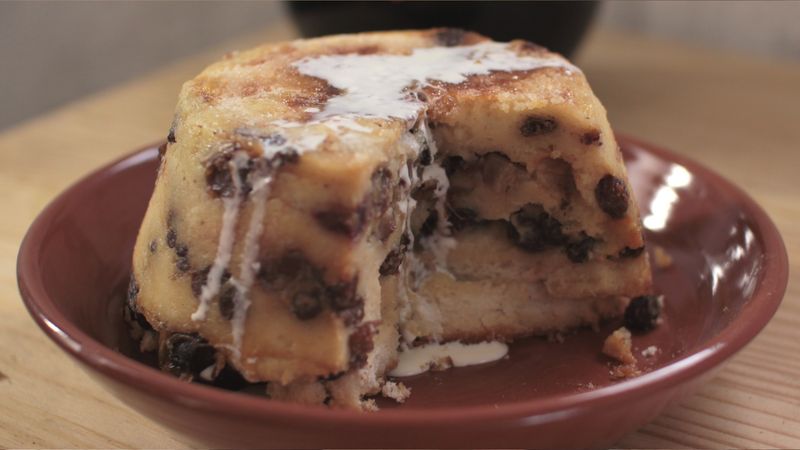
This pudding's plain name doesn't hint at its luxurious nature. White pot combines layers of bread, cream, eggs, sugar, and spices into something that resembles bread pudding but tastes far more decadent.
The recipe dates back centuries when Devon farms produced abundant cream that needed using up. What looks like a simple baked custard actually delivers incredible richness and comforting warmth.
Cinnamon and nutmeg add subtle spice notes that complement the creamy base perfectly, making every spoonful feel like a warm hug from your grandmother.
7. Hogs Pudding
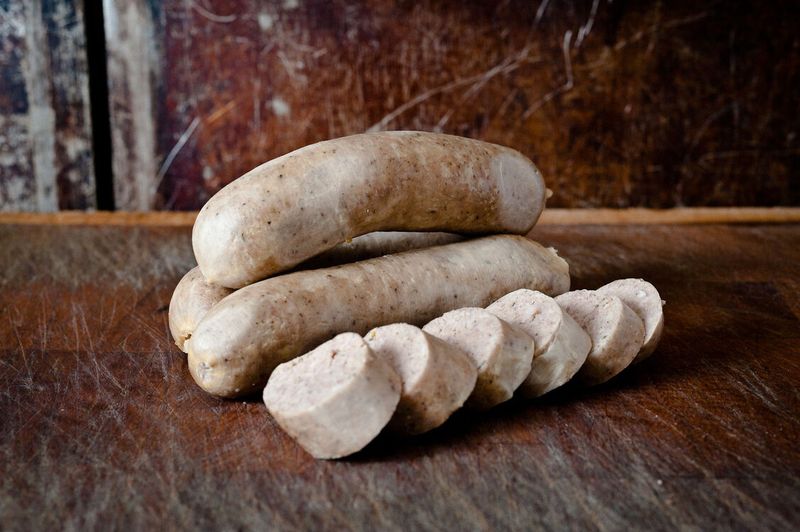
Hogs pudding might not be the most familiar-looking sausage to visitors scanning a butcher’s display. Made with pork, oats, and warming spices, it’s a traditional Devon recipe passed down through generations.
The texture is coarse and hearty, which often surprises first-timers, but the flavour is mild and comforting. It works just as well grilled for breakfast as it does sliced cold or added to stews.
Local butchers still make their own versions, each with subtle seasoning differences that regular customers happily debate.
8. Brixham Crab
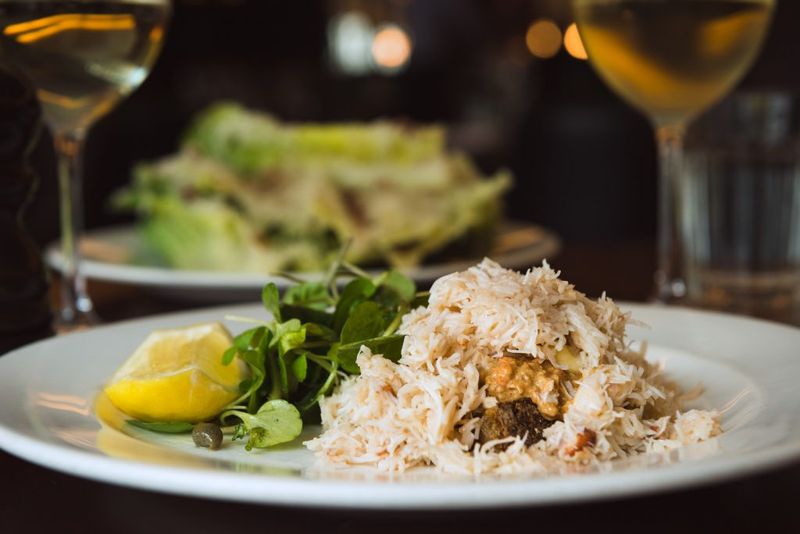
Cracking open a whole crab intimidates many people who've only eaten pre-prepared seafood. Brixham's fishing fleet brings in some of Britain's finest crabs, which locals eat simply dressed with mayonnaise.
The work involved in extracting the sweet white meat and rich brown meat seems daunting initially. However, the incredible fresh flavour and tender texture make every minute of effort worthwhile.
Harbour restaurants serve these beauties the same day they're caught, ensuring maximum freshness and taste that's incomparable to supermarket alternatives.
9. Devon Apple Cake
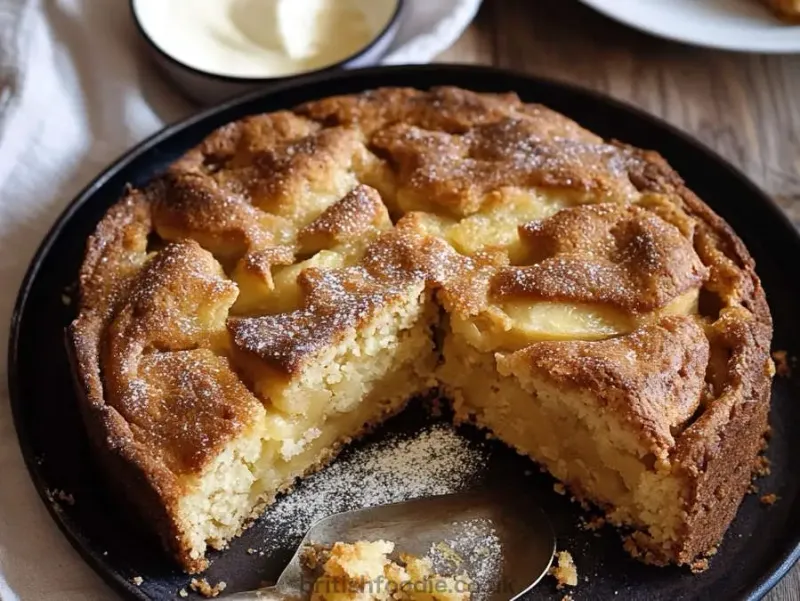
This isn't the light, fluffy cake that most people expect. Devon apple cake is dense, moist, and packed with chunks of local apples that practically melt into the batter.
The heavy texture surprises first-timers who anticipate something more delicate and sponge-like. But the intense apple flavour and satisfying moistness create something far more comforting than ordinary cake.
Serve it warm with clotted cream or custard, and you'll understand why Devon families have baked this recipe every autumn for countless generations.
10. Devon Hevva Cake
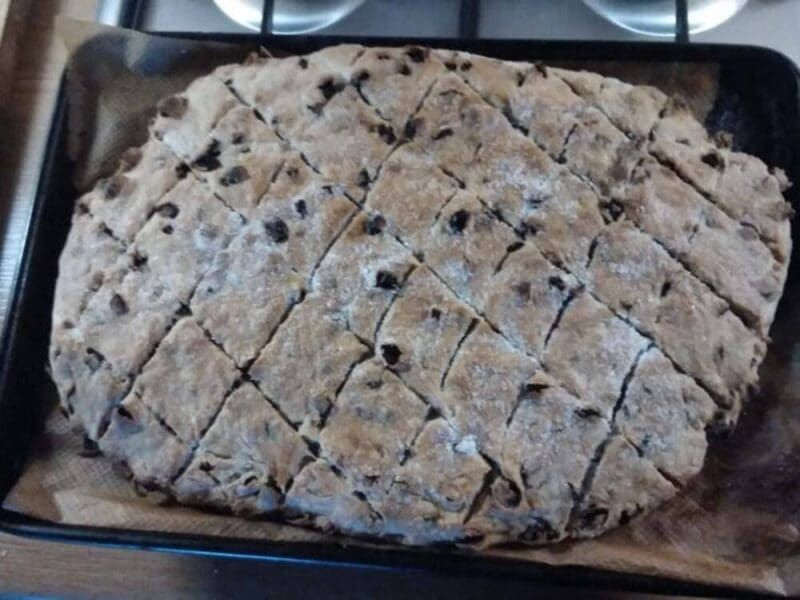
This flat, plain-looking cake seems unremarkable until you learn its fascinating history. Fishermen's wives baked hevva cake when the pilchard shoals arrived, shouting 'Hevva!' to alert the fleet.
The simple recipe uses flour, lard, sugar, and currants, creating something that looks more like sweetened bread than cake. Its dense, slightly chewy texture and subtle sweetness made it perfect for hungry fishermen needing quick energy.
The distinctive cross-hatch pattern scored on top represents fishing nets, connecting every bite to Devon's maritime heritage.



