













Trying food from another country can feel like a little adventure on its own, especially when traditions and flavours differ from what people grow up eating. Czech cooking is known for hearty dishes, rich sauces, and comforting combinations that often surprise first-time visitors.
Some meals quickly become favourites among British travellers, while others spark mixed reactions at the table.
Food preferences often come down to familiarity, texture, and personal taste rather than quality or tradition. Exploring these dishes reveals how cultural favourites can delight some diners while leaving others unsure what to expect next.
All information is provided for general interest only. Taste, preparation methods, and ingredient availability may vary.
1. Czech Dishes Brits Often Enjoy
Czech cuisine offers rich flavours, hearty ingredients, and comforting meals that often feel surprisingly familiar to British diners. Many travellers quickly discover dishes that remind them of home while still delivering something exciting and new.
The next 10 dishes are the ones Brits most often warm to when exploring Czech food traditions.
2. Svíčková Na Smetaně
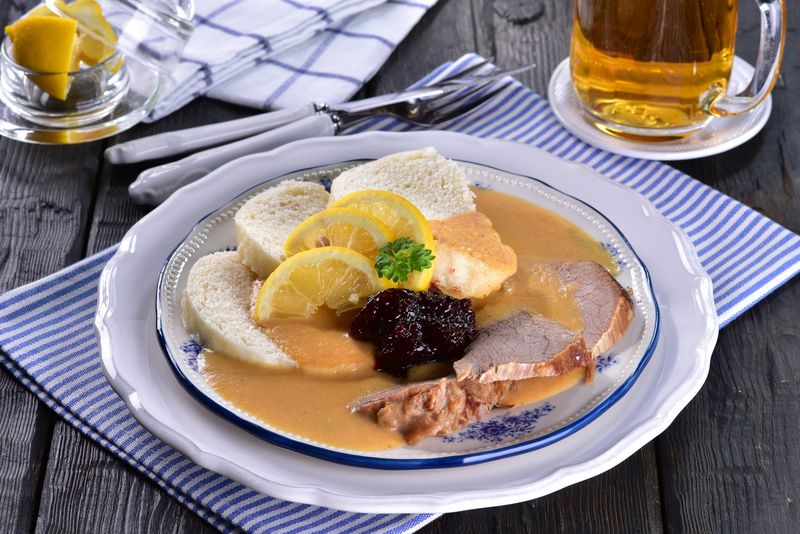
Few Czech dishes feel as celebratory and comforting as this slow-cooked beef classic. Tender sirloin simmers gently in a creamy vegetable sauce until it becomes incredibly soft and deeply flavourful.
Cranberry sauce and a slice of lemon add brightness that lifts the richness without overpowering the dish. Bread dumplings soak up the sauce beautifully, turning the entire plate into something deeply satisfying and balanced.
Many visitors quickly understand why this meal holds such a special place in Czech home cooking.
3. Czech Goulash (Guláš)
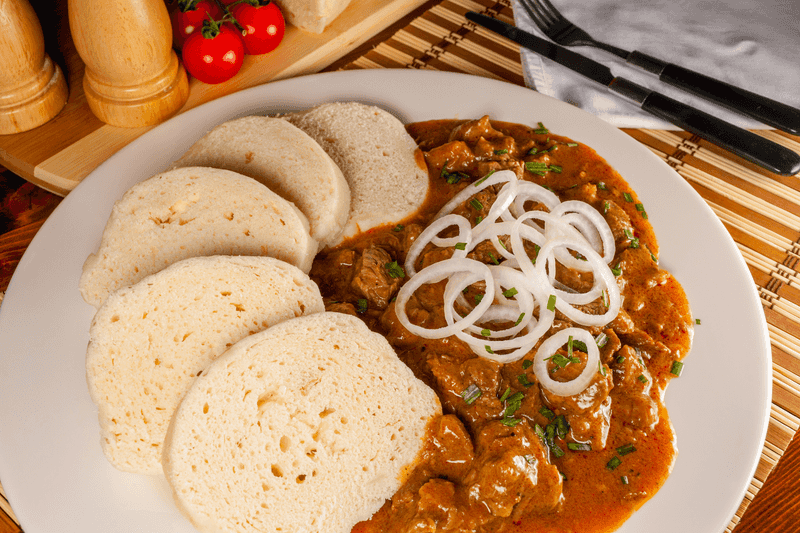
Brits recognise goulash instantly, though the Czech version packs even more flavour than they might expect. Chunks of beef simmer for hours with paprika, onions, and spices until everything becomes wonderfully tender and the sauce thickens beautifully.
It's proper stick-to-your-ribs food that feels like a warm hug on a chilly day. Served with dumplings or crusty bread, this dish wins over British hearts with its familiar yet exciting taste.
4. Schnitzel (Řízek)
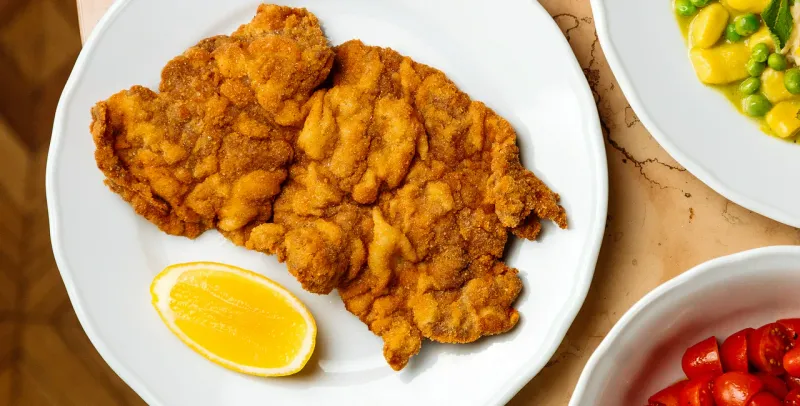
Who doesn't love a properly crispy schnitzel? This breaded and fried cutlet reminds British visitors of their beloved fish and chips, but with pork or chicken instead.
The coating crunches perfectly with each bite, whilst the meat inside stays juicy and tender. Czechs serve it with potato salad or chips, making it feel both exotic and comfortingly familiar at the same time.
It's simple, satisfying, and absolutely delicious every single time.
5. Roast Duck With Dumplings (Pečená Kachna S Knedlíky)
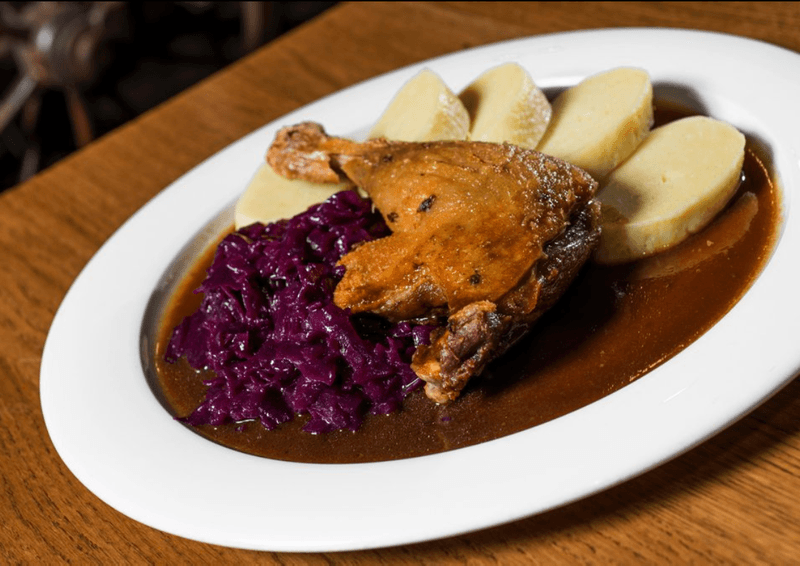
Roast duck is already a British favourite, so the Czech version feels like meeting an old friend abroad. The duck gets roasted until the skin turns gloriously crispy whilst the meat underneath stays moist and flavourful.
Served alongside fluffy dumplings and tangy red cabbage, it's a proper Sunday roast with a Central European twist. British diners appreciate how the sweet-sour cabbage balances the rich duck meat perfectly.
6. Czech Potato Soup (Bramboračka)
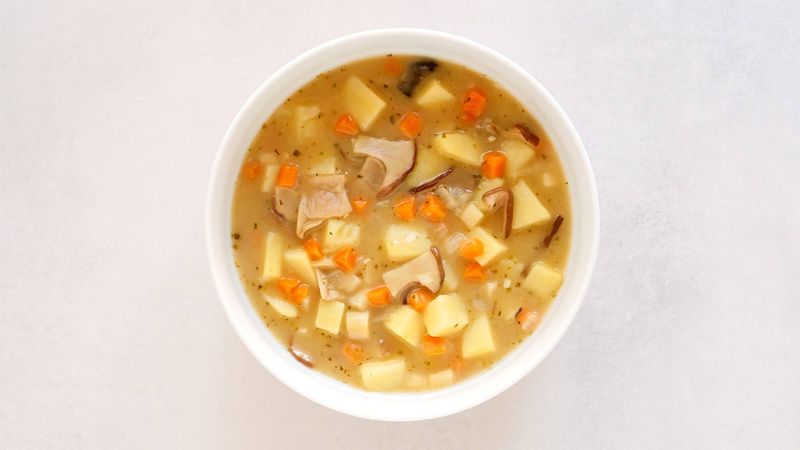
Cold winter days make a bowl of this traditional soup especially appealing. Potatoes, vegetables, and mushrooms simmer together to create a thick, rustic dish that feels both hearty and comforting.
Forest mushrooms give the soup an earthy depth that feels distinctive without being overwhelming. Warm, creamy texture makes it ideal after long walks through historic city streets.
Familiar ingredients help it feel approachable while still offering something slightly different from British soups.
7. Pork With Sauerkraut And Dumplings (Vepřo Knedlo Zelo)
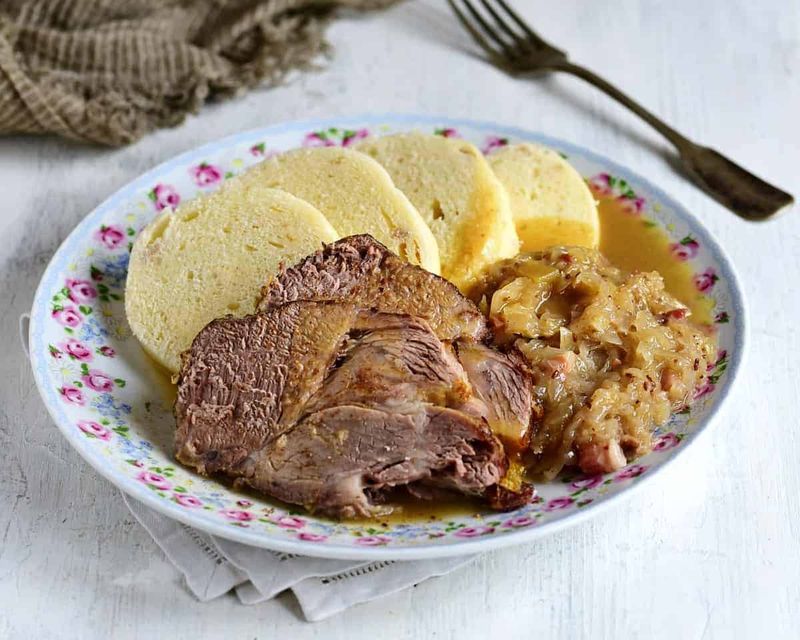
This is the Czech national dish, and Brits who try it understand why immediately. Roasted pork pairs with tangy sauerkraut and soft dumplings in a combination that shouldn't work but absolutely does.
The acidity of the fermented cabbage cuts through the fatty pork brilliantly, whilst the dumplings provide a neutral base that ties everything together. It's filling, flavourful, and feels like proper traditional cooking at its very best.
8. Czech Fruit Dumplings (Ovocné Knedlíky)
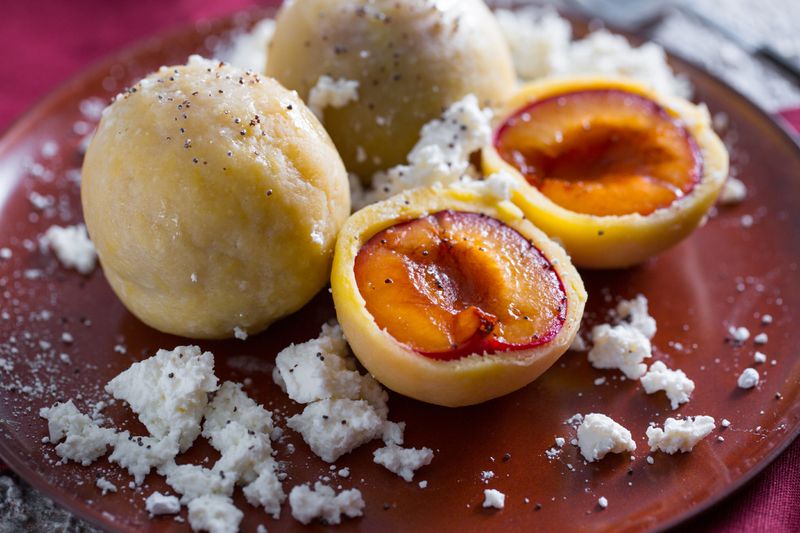
Sweet dumplings filled with whole fruit often surprise first-time diners who expect savoury fillings instead. Soft dough wraps around plums, strawberries, or apricots before being gently boiled and topped with butter, sugar, or poppy seeds.
Light sweetness allows the natural fruit flavour to stay centre stage rather than feeling overly sugary. Texture remains soft and comforting, making the dish feel almost nostalgic even to newcomers.
Many diners enjoy how it blends dessert and comfort food into one simple but memorable plate.
9. Fried Cheese (Smažený Sýr)
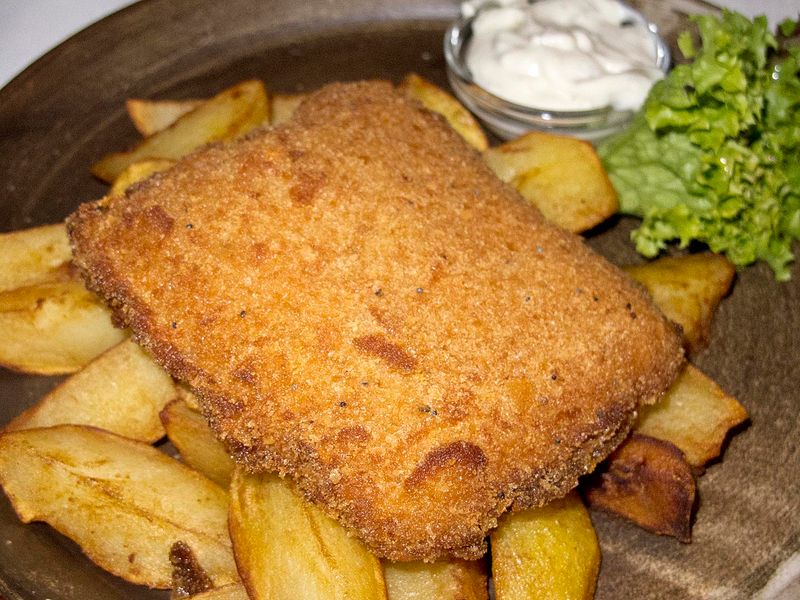
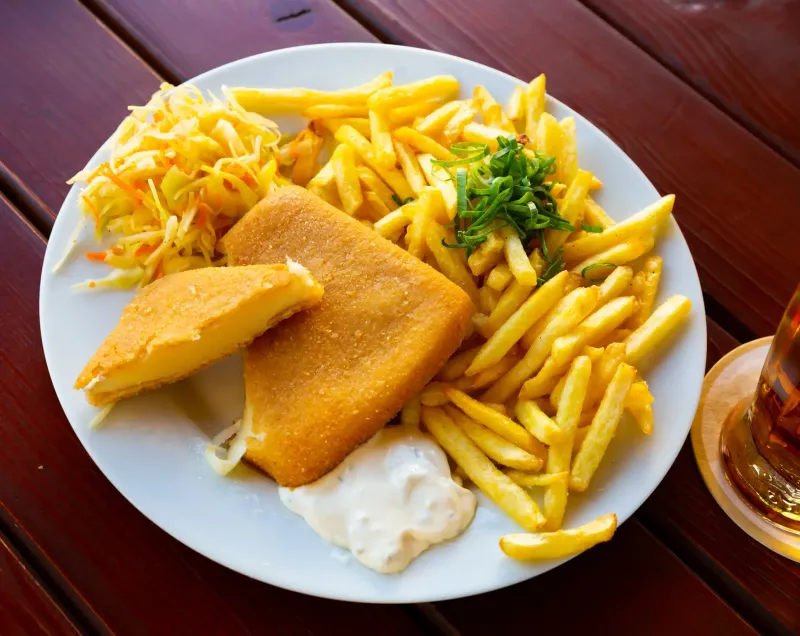
Brits absolutely go mad for this one because it's basically everything brilliant about cheese in one dish. A thick slab of Edam or similar cheese gets breaded and deep-fried until the outside crisps up whilst the inside melts into gooey perfection.
Served with chips and tartar sauce, it's pub food heaven with a Czech twist. It's indulgent, satisfying, and exactly what you want after a day of sightseeing.
10. Koláče Pastries
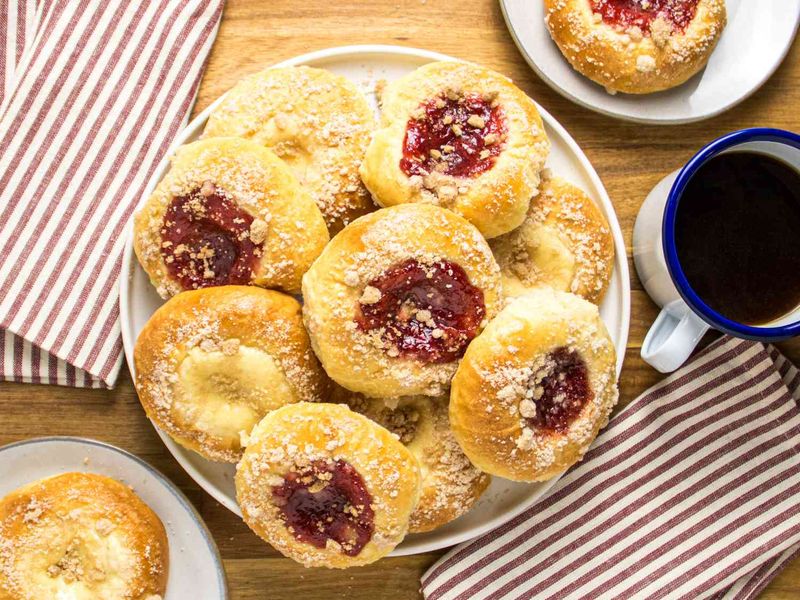
These sweet pastries remind British visitors of their own jam tarts, but with a softer, richer dough. Each koláč features a tender yeasted base topped with fillings like poppy seeds, plum jam, sweet cheese, or fruit.
They're perfect with morning coffee or as an afternoon treat, offering just the right amount of sweetness without being overwhelming. Czechs have been baking these for generations, and one taste explains why they've stood the test of time.
11. Czech Apple Strudel (Jablečný Závin)
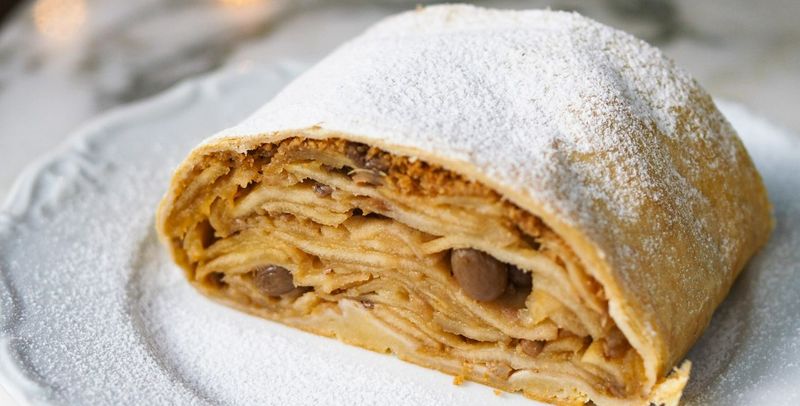
Apple strudel feels familiar to Brits who've enjoyed Austrian or German versions, and the Czech take is equally lovely. Thin layers of pastry wrap around spiced apples, raisins, and sometimes walnuts, creating a dessert that's both elegant and homely.
Served warm with a dusting of icing sugar, it's the perfect ending to a hearty Czech meal. The balance of sweet fruit and delicate pastry makes it universally appealing.
12. Czech Dishes Brits Are Less Keen On
Not every traditional Czech dish matches British taste preferences, especially when unusual textures or strong flavours come into play. Some meals can feel unfamiliar or challenging to those trying them for the first time.
The next 5 dishes are the ones Brits tend to approach with more hesitation when sampling Czech cuisine.
13. Pickled Sausage (Utopenec)
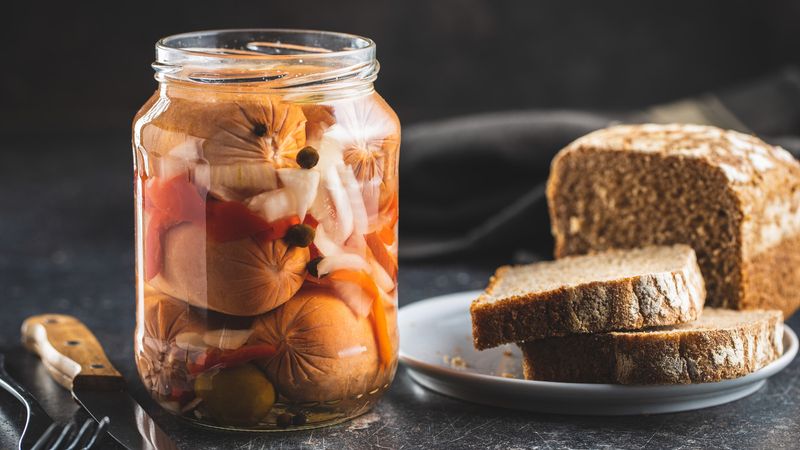
Bold flavours define this traditional pub snack made by marinating sausages in vinegar with onions and spices. Tangy taste and firm texture create a strong contrast compared with milder sausage dishes familiar to many British visitors.
Sharp acidity delivers a punchy flavour that some people find exciting while others need time to warm to it. Popular in casual pubs and beer gardens, it remains a well-known part of Czech drinking culture.
Adventurous eaters often appreciate the intensity once they know what to expect.
14. Beef Tartare (Tatarský Biftek)
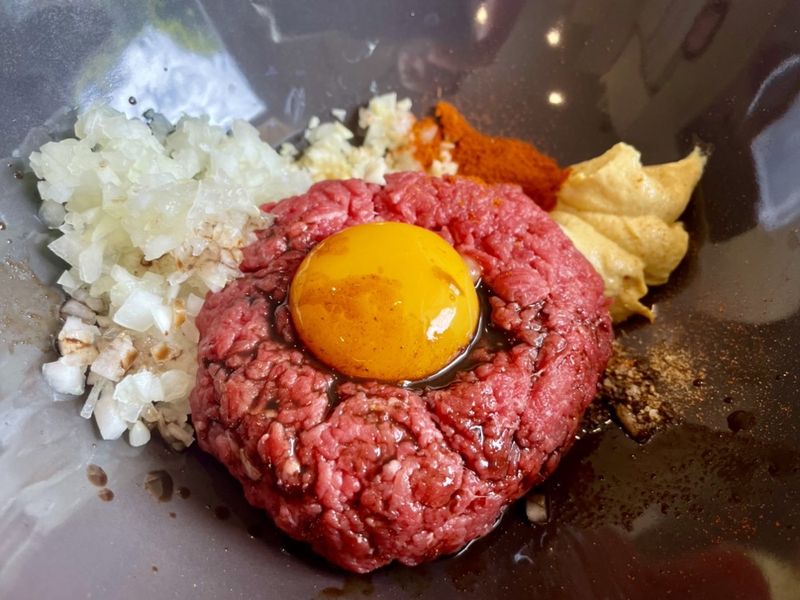
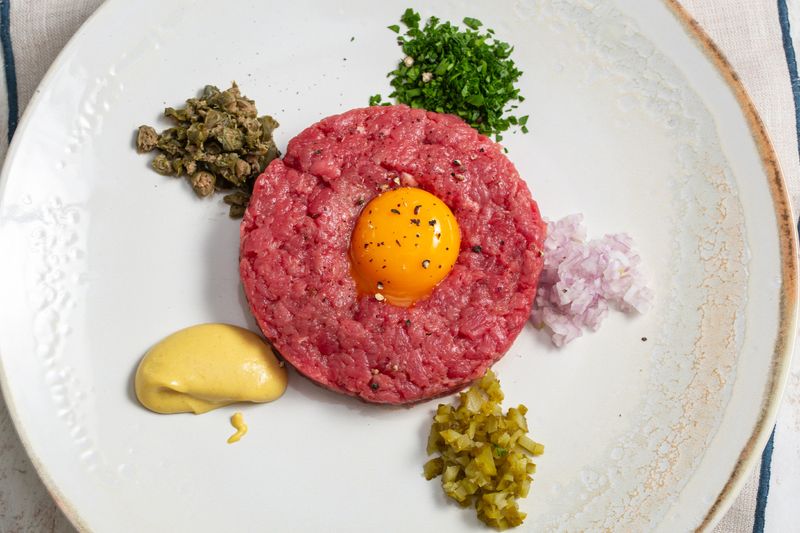
Raw minced beef topped with a raw egg yolk sounds alarming to many British diners who prefer their meat well-cooked. This traditional Czech dish mixes the beef with onions, spices, and sometimes garlic, creating something that's actually quite sophisticated.
However, British visitors often struggle with the idea of eating uncooked meat, even when it's prepared perfectly safely. It's definitely one for the more adventurous eaters only.
15. Tripe Soup (Dršťková Polévka)
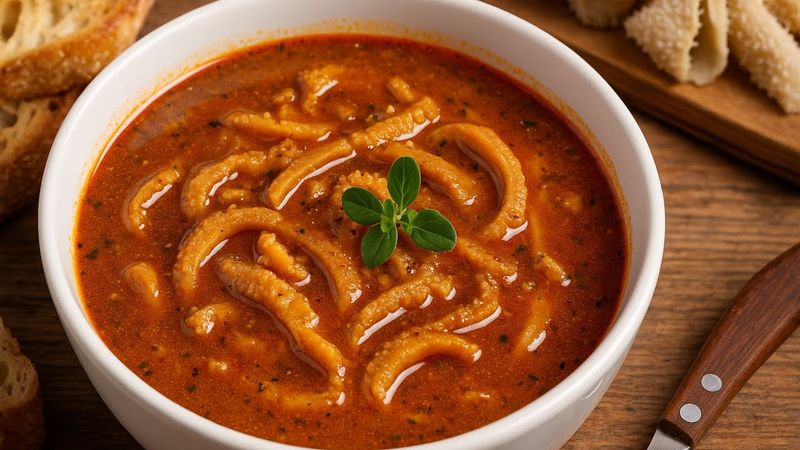
Traditional cooking methods transform tripe into a slow-simmered soup flavoured with paprika and aromatic spices. Long cooking softens the meat while creating a rich broth that reflects historic Central European recipes.
Texture can feel unfamiliar to visitors who rarely encounter tripe in modern British cuisine. Strong seasoning helps balance the dish and adds warmth to each spoonful.
Cultural importance keeps this soup firmly rooted in Czech culinary tradition despite its divided reputation.
16. Blood Sausage (Jelito)
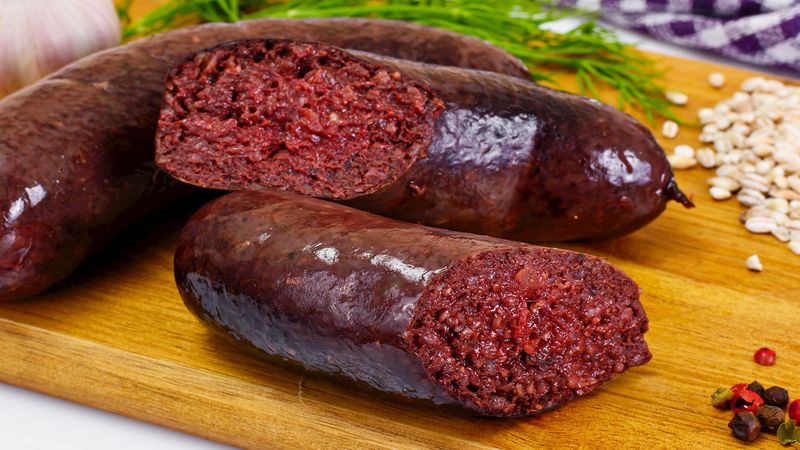
Black pudding is popular in Britain, so you'd think Czechs' blood sausage would appeal similarly. However, jelito has a different texture and flavour profile that doesn't quite hit the same notes for British palates.
It's often served cold and has a grainier consistency that feels unfamiliar. Whilst some adventurous Brits give it a try, most prefer to stick with the Czech dishes that feel more approachable and less challenging overall.
17. Head Cheese (Tlačenka)
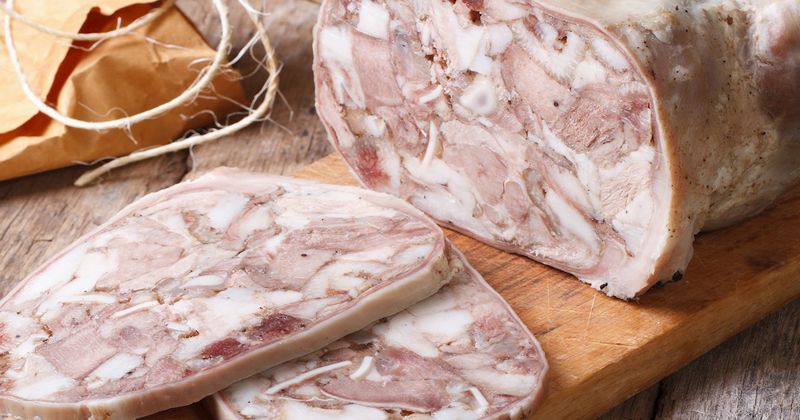
Traditional nose-to-tail cooking inspired this chilled pork terrine made by setting seasoned meat in natural aspic. The result resembles a savoury jelly slice commonly served cold with bread and pickles.
Rich flavour reflects older preservation methods that focused on using every part of the animal responsibly. Gelatinous texture can feel unusual for those unfamiliar with similar European charcuterie.
Despite mixed reactions from visitors, it remains a respected part of regional food heritage.



