













Have you ever wondered what people eat in some of the coldest regions on Earth? In Greenland, where harsh weather shapes daily life, communities developed unique food traditions based on their environment.
Kiviak is a traditional dish prepared using preservation methods passed down through generations, reflecting both cultural heritage and survival knowledge.
This content is provided for general informational purposes only. Cultural food traditions, preparation methods, and availability can vary depending on region, historical interpretation, and individual practices. Descriptions of traditional dishes are intended to reflect heritage and culinary history rather than serve as preparation guidance.
What Is Kiviak?
Kiviak is a traditional preserved food prepared by Inuit communities in Greenland. The dish is made using little auks, small seabirds found in Arctic coastal regions, which are placed inside a cleaned seal skin and preserved using natural fermentation methods passed down through generations.
Many people find it unusual because the birds are preserved whole using techniques that differ greatly from modern food preparation. It developed as a way to store food for long winters when fresh supplies were limited.
Today, kiviak remains an important part of Greenlandic heritage and special celebrations.
The Arctic Tradition Behind This Unique Fermented Dish
Indigenous Greenlandic communities have prepared this traditional dish for generations as part of seasonal food preparation. The practice developed in response to limited food availability during long winter months.
Families often work together to prepare traditional preserved foods, strengthening cultural connections and shared knowledge. These customs continue to reflect the importance of community and tradition in Arctic life.
Traditional preservation methods remain an important part of regional food heritage.
How Kiviak Is Prepared Using Traditional Preservation Methods
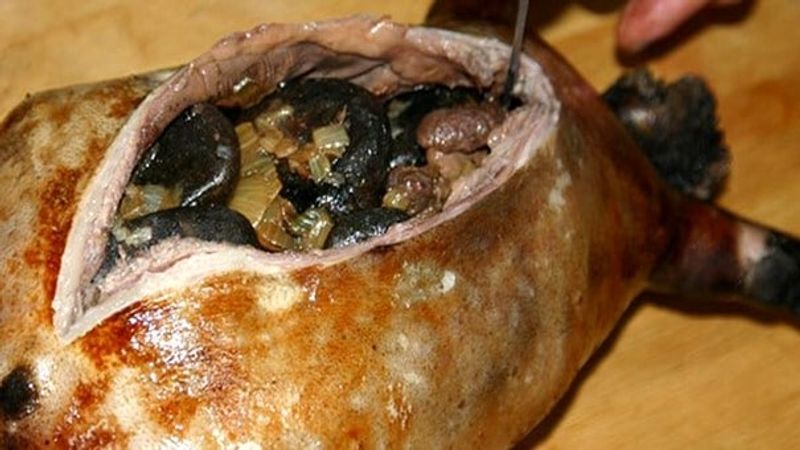
The preparation process involves gathering locally sourced ingredients during specific seasons of the year. Traditional methods use natural materials to create a sealed environment that supports preservation over time.
The dish is stored in carefully selected outdoor conditions that allow natural fermentation to occur. Preparation techniques are passed down through families and often follow strict traditional guidelines.
These methods highlight how food preparation can reflect environmental knowledge and cultural identity.
Why Fermentation Plays A Key Role In Arctic Survival Cooking
Preservation techniques have long supported Arctic communities during extended periods when fresh food is limited. Fermentation allows food to be stored for later use while developing distinctive flavours linked to regional traditions.
These techniques were refined through generations of observation and experience. Preserved foods often played a central role in maintaining seasonal food supplies.
Traditional fermentation continues to reflect the strong relationship between environment and food culture.
The Cultural Importance Of Kiviak In Greenlandic Celebrations
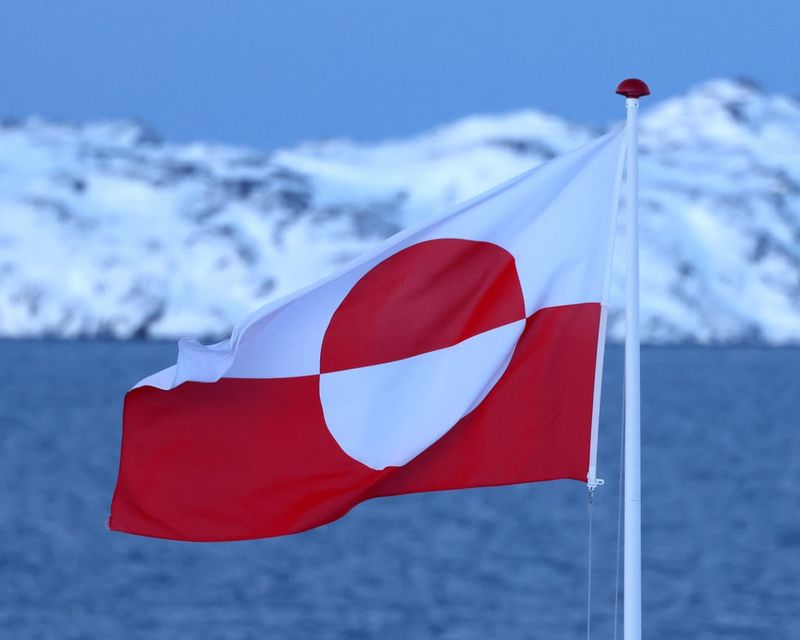
This traditional dish is often connected to special gatherings and seasonal celebrations. Preparing preserved foods can represent hospitality and cultural pride within many Arctic communities.
Families frequently share recipes and preparation knowledge across generations. Traditional dishes like this help maintain cultural identity and storytelling through food.
Serving heritage meals during celebrations strengthens connections to history and community values.
What Ingredients Make This Historic Dish So Distinctive
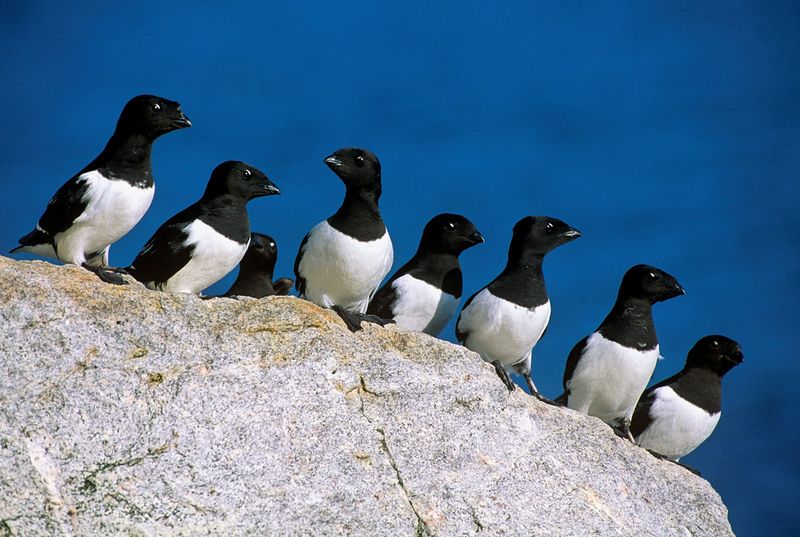
Preparing this traditional dish relies on ingredients gathered directly from the surrounding Arctic environment. Little auks, small seabirds found along Greenland’s coastline, are used following preparation techniques passed down through generations.
Natural materials such as seal skin and fat help create the enclosed environment needed for preservation to occur over time. Families often follow seasonal timing and traditional preparation knowledge learned from older generations.
The combination of ingredients reflects the close relationship between Arctic communities and their natural surroundings.
How Harsh Climates Shaped The Creation Of Kiviak
Greenland’s challenging climate encouraged communities to develop creative preservation practices. Short harvesting seasons required reliable methods for storing food over long periods.
Burial and controlled fermentation became practical techniques shaped by local environmental knowledge. These preservation methods helped support communities through seasonal changes.
Traditional Arctic cooking continues to demonstrate how food traditions evolve alongside natural conditions.



