













The way food is cooked often gets less attention than the ingredients themselves, yet it can quietly influence how meals affect the body over time. Small everyday habits in the kitchen can add up, especially when certain techniques are used frequently without much thought.
It’s easy to assume all home cooking is automatically gentle on the body, but that isn’t always the case. A closer look at common methods can help people make more informed choices without taking the joy out of cooking.
This content is for general information only and does not replace medical advice. Individual health needs vary, and anyone with kidney concerns should seek guidance from a qualified healthcare professional.
1. Deep Frying
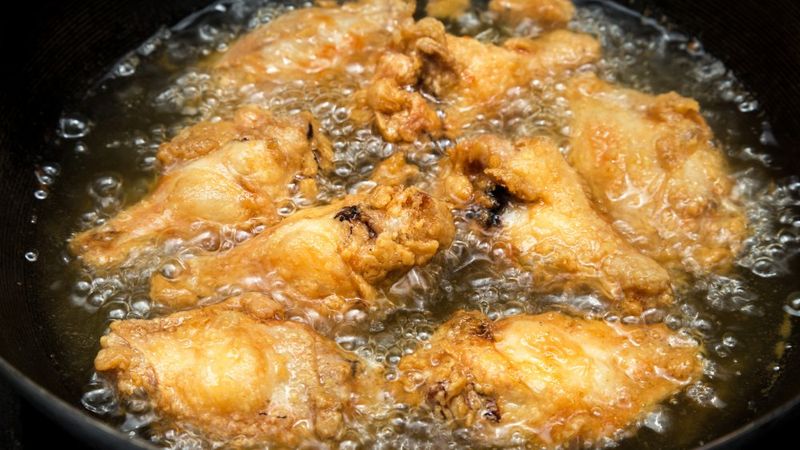
Golden, crispy, and undeniably tempting, deep-fried foods are a favourite for many people. This cooking method often increases the overall fat and calorie content of meals, which can influence weight and blood pressure when eaten frequently.
Both of these factors are known to affect long-term kidney health as part of overall wellbeing. Reusing oil and cooking at very high temperatures can also reduce nutritional quality over time.
Enjoying fried foods occasionally rather than regularly helps keep meals balanced without taking the fun out of eating.
2. Smoking
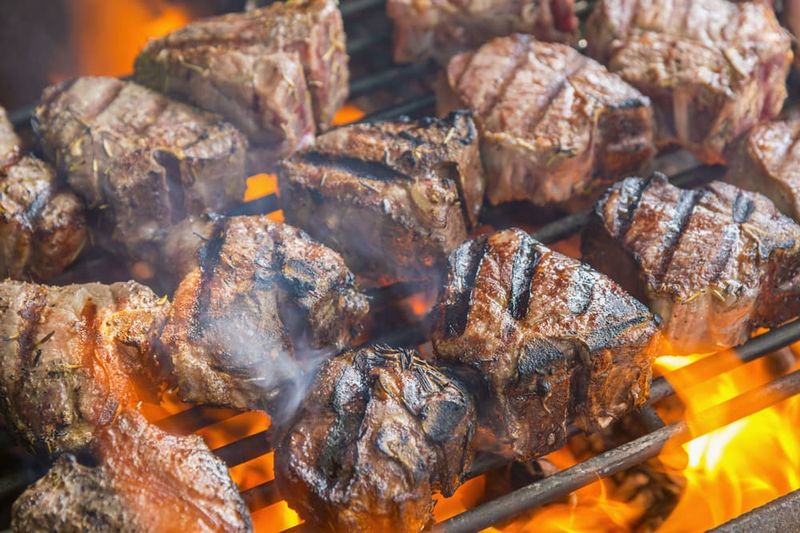
Slow-smoked foods bring a deep, rich flavour that many people genuinely love. Cooking over smoke can create compounds known as polycyclic aromatic hydrocarbons, which are linked to general health considerations when consumed often.
These compounds are best kept in moderation rather than forming a regular part of daily meals. Treating smoked foods as an occasional pleasure keeps flavour variety high without overdoing it.
Mixing in other cooking methods adds balance and keeps your weekly meals feeling fresh.
3. Pickling And Brining
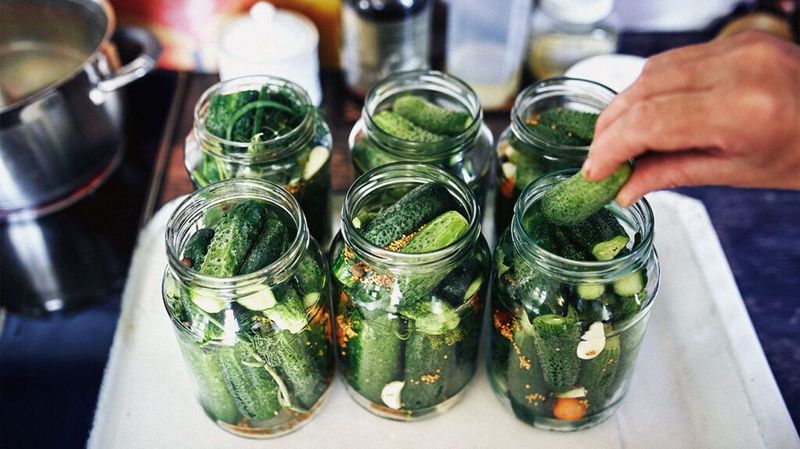
Pickles, olives, and brined vegetables add a tangy punch to meals. However, pickling and brining rely heavily on salt and vinegar solutions to preserve food, which means they're often loaded with sodium.
Too much sodium forces your kidneys to work overtime, potentially raising blood pressure and causing fluid retention. If you adore pickled treats, rinse them under water first or enjoy smaller portions to ease the load on your hardworking kidneys.
4. Curing With Salt
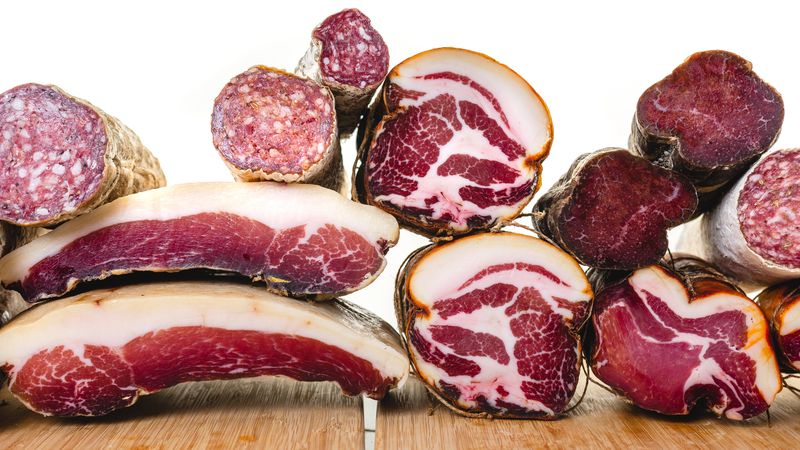
Salt curing has been used for centuries to preserve meats and enhance flavour. The process naturally increases sodium content compared with fresh meat.
Diets consistently high in sodium are linked with raised blood pressure, which can affect kidney health over time. Portion size and frequency make a big difference to overall intake.
Balancing cured meats with fresh proteins helps keep meals enjoyable without leaning too heavily on salty options.
5. Heavy Use Of Processed Seasoning Mixes During Cooking
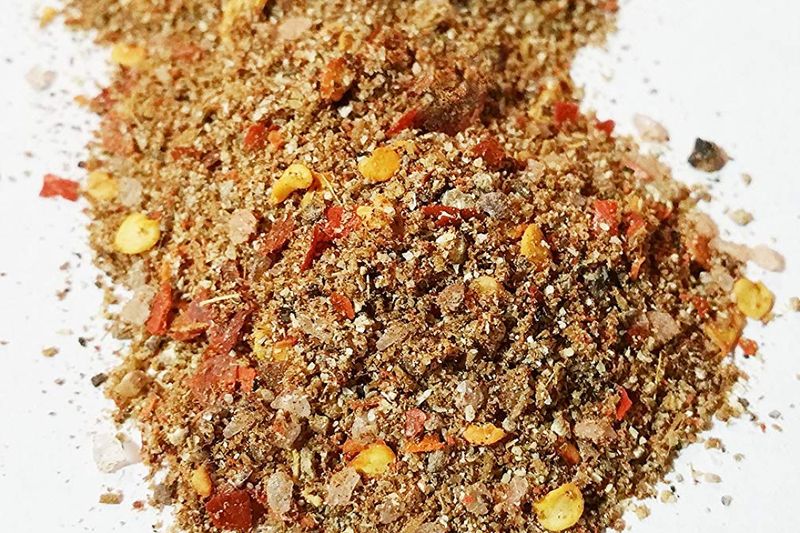
Ready-made seasoning mixes are convenient and can instantly boost flavour in busy kitchens. Some blends contain higher levels of salt than people realise, depending on the brand and recipe.
Regularly using large amounts can increase daily sodium intake without much notice. Making simple spice blends at home allows more control over seasoning levels and ingredient choices.
It also opens the door to experimenting with flavour while keeping meals balanced and varied.



