











Garlic feels simple, yet it has a habit of misbehaving the moment you stop paying attention. A small timing slip or prep choice can turn a dish flat, bitter, or oddly harsh.
Many cooks repeat the same habits without realising garlic is the reason a recipe is not quite landing. Stick with it and you may find your everyday meals suddenly taste far more balanced.
All information is provided for general interest only and reflects common cooking practices. Results may vary depending on ingredients, methods, and personal taste preferences.
1. Burning Garlic By Cooking It Too Fast
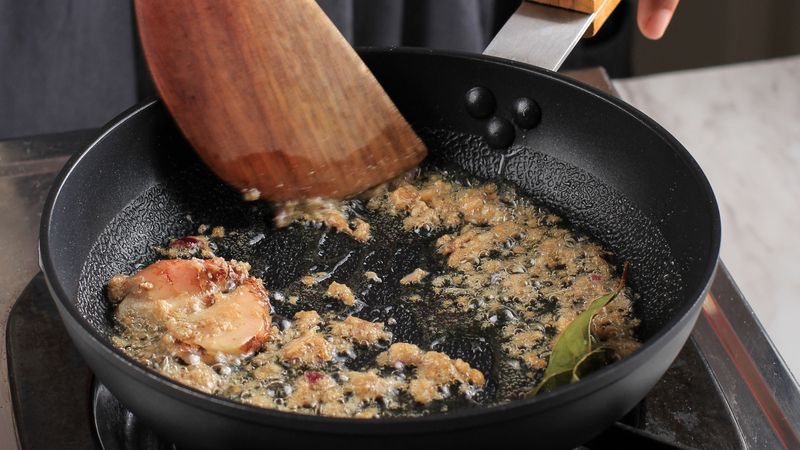
Garlic can turn on you quickly if it is not watched carefully in the pan. Its natural sugars brown fast, which means flavour can shift before you realise it.
Gentle heat gives you more control, especially when garlic is chopped or minced. Stirring regularly helps keep things moving and prevents scorching.
Paying attention for those first moments makes all the difference.
2. Using Old Or Sprouting Garlic Without Checking
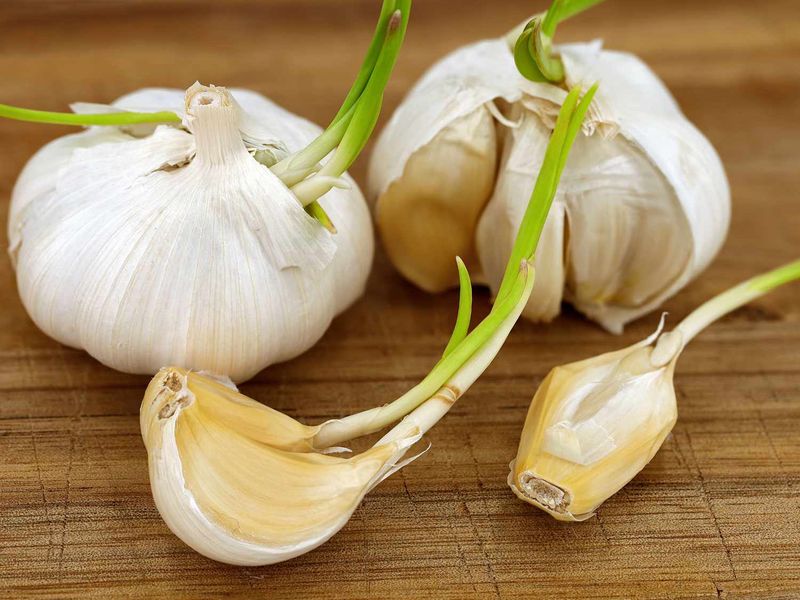
That forgotten bulb lurking in your pantry might seem usable, but age changes everything. Sprouting garlic develops a sharper, more aggressive flavour that can overpower delicate dishes, whilst shrivelled cloves lose their punchy character entirely.
Fresh garlic should feel firm with tight, papery skin. Green shoots indicate the clove is past its prime.
Remove sprouts before cooking, or better yet, buy fresh bulbs regularly for consistently brilliant results.
3. Crushing Garlic Too Far In Advance
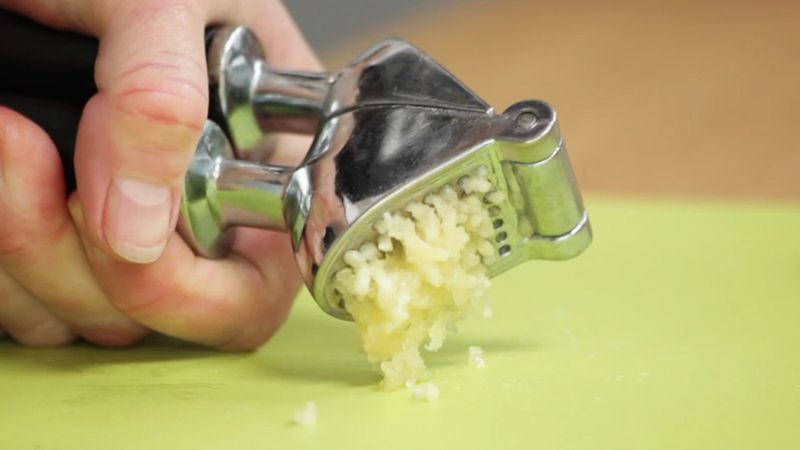
Prepping ingredients ahead saves time, but crushed garlic doesn't wait patiently. Once you break those cell walls, enzymes react with air, creating increasingly harsh, metallic flavours that taste nothing like fresh garlic.
The longer crushed garlic sits, the more pungent and unpleasant it becomes. Mince or crush your garlic just before adding it to the pan.
This simple timing adjustment preserves that sweet, mellow complexity everyone loves.
4. Adding Garlic Too Early In Long-Cooked Dishes
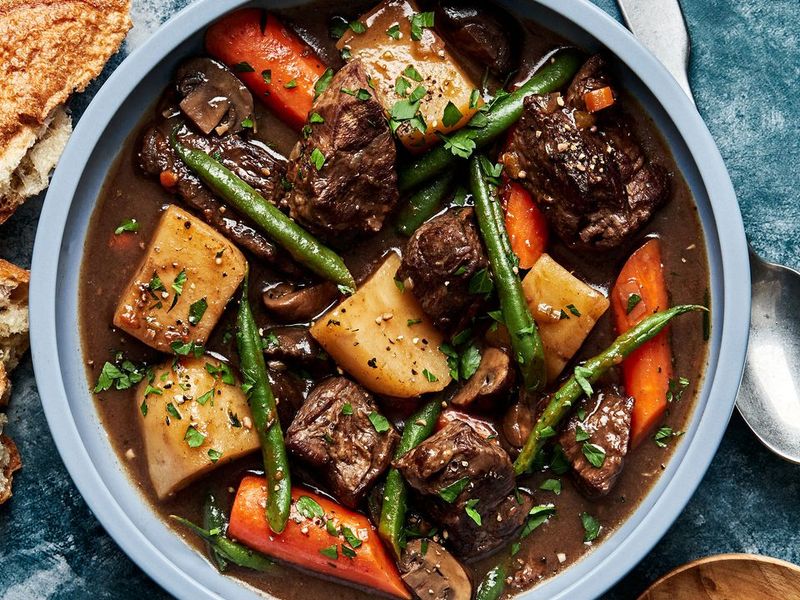
Garlic behaves differently depending on how long a dish cooks. When added early, its flavour softens and blends into the background.
Later additions keep things brighter and more aromatic. Some cooks use both approaches in the same dish for depth.
Understanding this flexibility helps you control the final flavour rather than following a rigid rule.
5. Using Too Much Raw Garlic
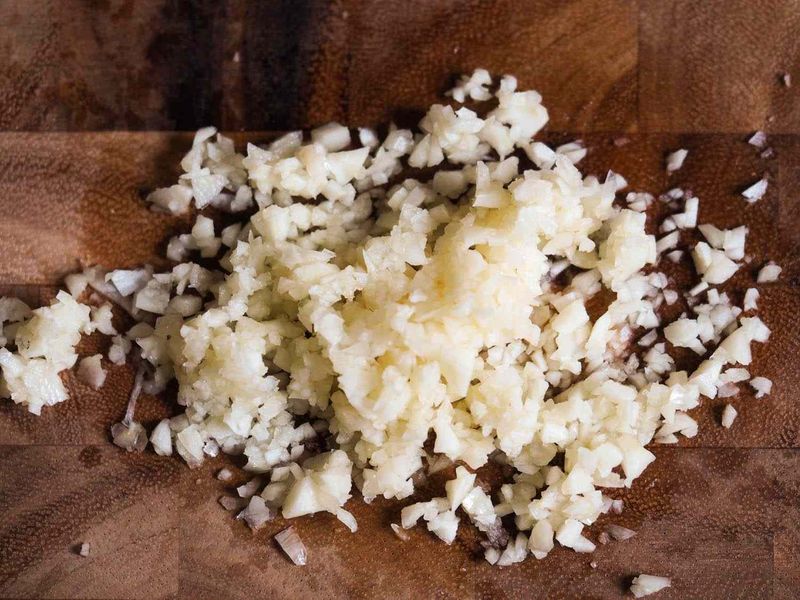
Raw garlic packs serious punch - far more intense than its cooked counterpart. What seems like a reasonable amount can quickly overwhelm salad dressings, dips, or marinades with eye-watering sharpness that lingers unpleasantly.
Start with half the amount you think you need when using raw garlic. You can always add more, but there's no fixing an overpowered dish.
Let raw garlic sit in acidic ingredients like lemon juice to mellow its aggressive bite beautifully.
6. Not Removing The Green Germ When Needed
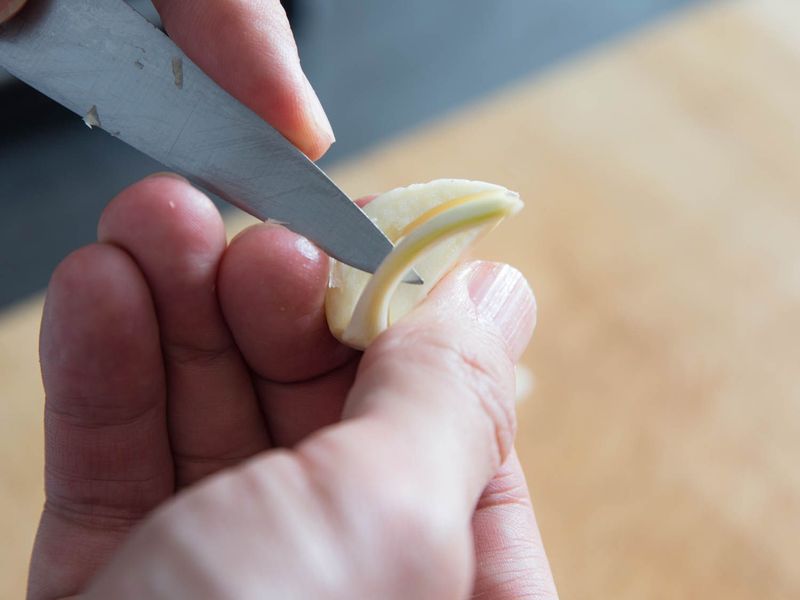
That tiny green shoot running through garlic's centre might look harmless, but it carries concentrated bitterness. In cooked dishes, you'll barely notice it, but raw preparations really suffer from this aggressive little troublemaker.
Slice cloves lengthwise and flick out the green germ with your knife tip before mincing. This extra step takes mere seconds but dramatically improves flavour in aioli, pesto, or any recipe featuring uncooked garlic.
Your tastebuds will thank you.
7. Assuming Garlic Powder And Fresh Garlic Are Interchangeable
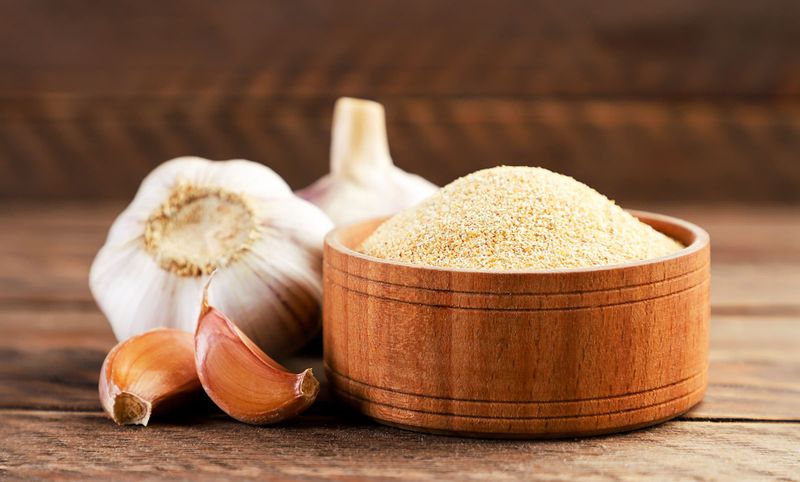
Garlic powder offers convenience, but it can't replicate fresh garlic's complex, layered flavour. The drying process concentrates certain compounds whilst eliminating others, creating a completely different taste profile that works better in specific applications.
Fresh garlic shines in quick-cooked dishes, sauces, and dressings where its bright, aromatic qualities matter most. Reserve garlic powder for dry rubs, spice blends, and long-simmered recipes where moisture and texture considerations outweigh nuanced flavour.
8. Storing Garlic In The Fridge
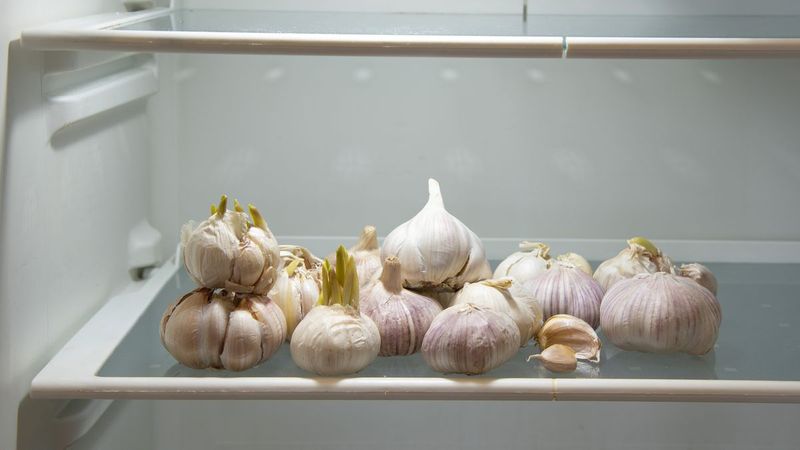
Whole garlic prefers cool, dry air rather than sealed, damp spaces. A well-ventilated cupboard or basket works best for keeping bulbs firm.
Once garlic is peeled or chopped, refrigeration becomes useful for short-term storage. The key is keeping moisture under control.
Choosing the right storage method depends on how the garlic has been prepared.