













Tea talk can get surprisingly intense. Say the wrong thing about milk, strength or brewing time and you’ll see a polite smile tighten just slightly. It’s more than a drink for many Britons; it’s a daily ritual with unspoken rules.
Certain comments tend to raise eyebrows, especially when they downplay the importance of a proper cuppa. Some are said jokingly, others come from genuine confusion, but they often land the same way.
You might not hear a dramatic response, yet the reaction is definitely there. Wait until you see which phrases made the list, because at least one of them has probably been said in your presence.
The observations reflect common cultural attitudes toward tea in Britain and are shared in a light-hearted spirit.
1. It's Just Hot Leaf Juice
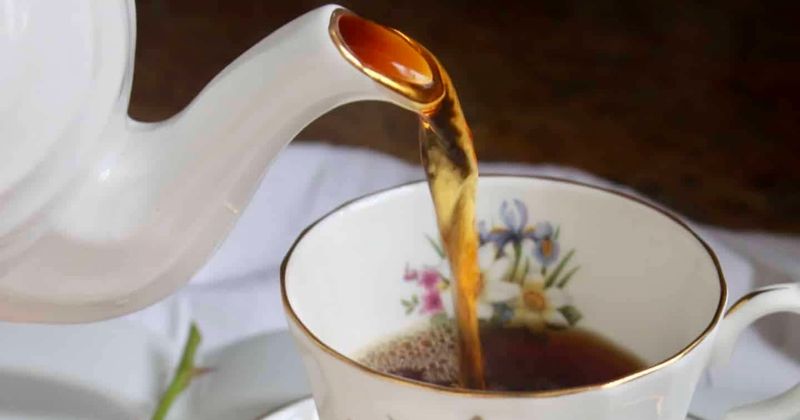
Call it hot leaf juice and you might notice a subtle reaction from dedicated tea drinkers. Many people in Britain see tea as part of daily life rather than something easily brushed aside.
It carries long-standing traditions and routines that go beyond the ingredients in the cup. Brewing methods, strength preferences and even mug choices often matter more than outsiders expect.
For those who take their tea seriously, the phrase tends to miss the point entirely.
2. I Don't Taste The Difference
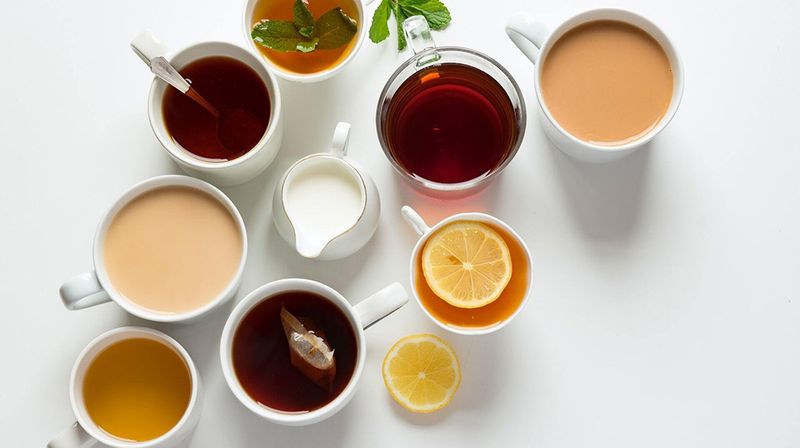
Claiming all teas taste identical is like saying all music sounds the same to anyone listening closely. Yorkshire Gold versus PG Tips?
Completely different experiences for the discerning British palate, especially among loyal drinkers. Each brand has distinct flavour notes, strength levels, and characteristics that regular tea drinkers quickly recognise.
Britons grow up developing preferences based on subtle differences most others might miss entirely without paying attention. The temperature, brewing time, and even the water hardness affect taste significantly, creating unique profiles in every household.
3. You Don't Need Milk
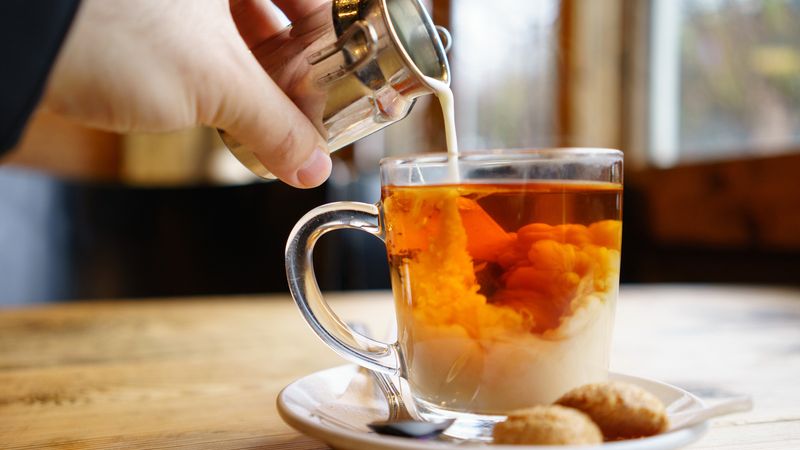
Black tea drinkers are common, yet telling someone milk is unnecessary can stir debate in plenty of British kitchens. Many Britons add milk to soften strong flavours and balance tannins in their everyday brew.
Preferences vary widely, and people tend to feel strongly about their own method and routine. Some enjoy discussing whether milk should go in first or last during friendly chats.
It’s a small detail that carries more weight than you might expect at first glance.
4. Coffee Is Better
Bringing up coffee as superior often sparks a lively exchange rather than quiet agreement around British tables. While coffee certainly has a following, tea holds a steady place in many British households across generations.
It’s commonly offered to guests and reached for during everyday moments, both routine and unexpected. The appeal goes beyond caffeine and ties into habit, comfort and familiar daily rituals.
Comparing the two can quickly turn into a surprisingly passionate discussion that lasts far longer than expected.
5. Microwave It
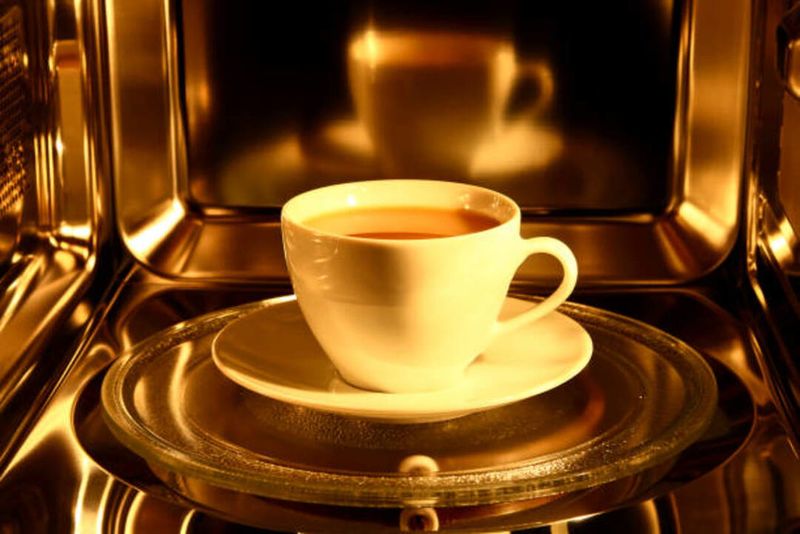
Mentioning the microwave as a tea solution can raise eyebrows in certain kitchens across Britain. Many people prefer boiling water in a kettle to reach the right temperature for brewing properly.
Consistency matters when aiming for a familiar taste that feels just right each time. Reheating tea is generally less popular than making a fresh cup from scratch.
The process itself often feels just as important as the final sip in hand.
6. One Dip Is Enough
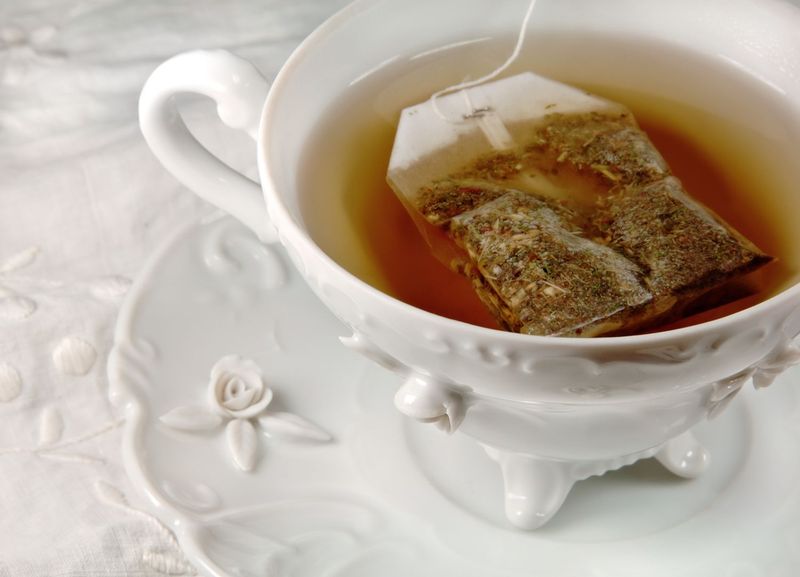
A single dip produces dishwater, not tea. Proper brewing requires patience, allowing the tea bag to steep for at least three to five minutes depending on desired strength.
Rushing the process means missing out on full flavour development and that rich, satisfying colour Britons expect. The tannins need time to release properly.
Weak tea lacks character and fails to provide the comforting robustness that defines a good cuppa.
7. It's Too Weak
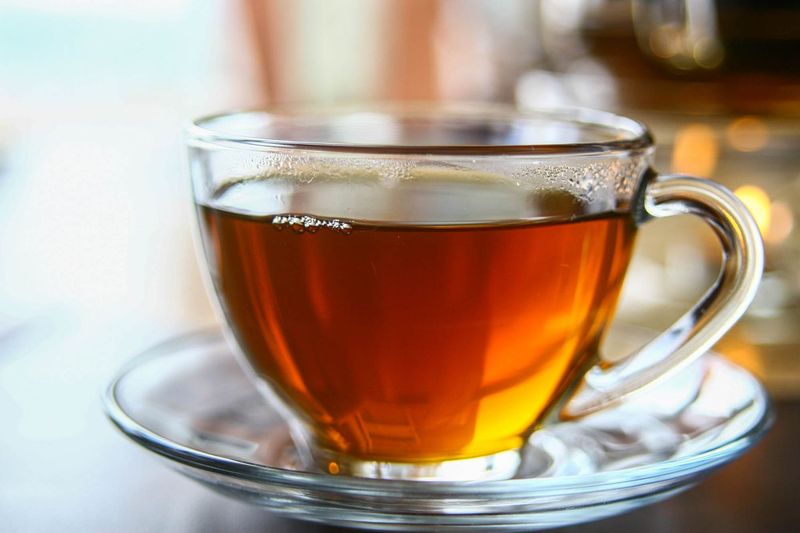
Serving tea that’s overly pale can lead to quiet disappointment around many British tables. Many Britons expect a balanced strength that holds its flavour, especially when milk is added afterwards.
Getting that colour just right is part of the routine passed down through years of practice. Brewing time plays a role in reaching the preferred depth without tipping into bitterness.
A properly made cup usually reflects care and attention to small but meaningful details.
8. It's Too Strong
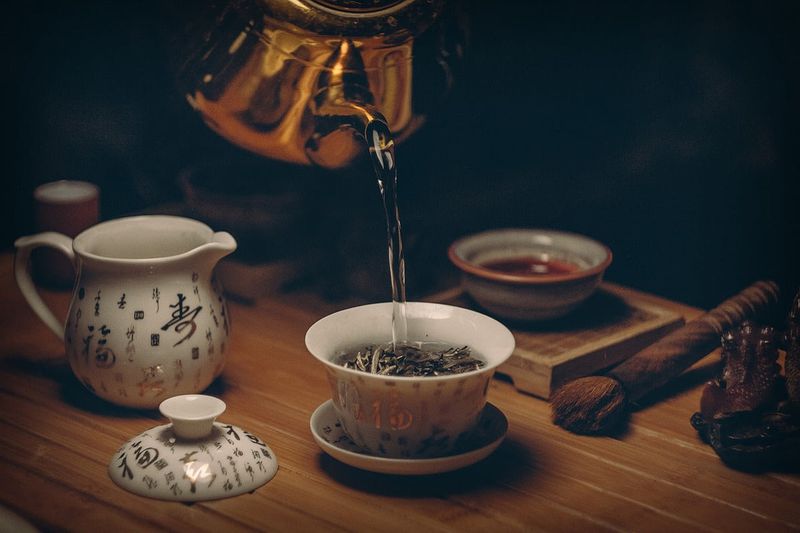
Oversteeped tea becomes bitter and unpleasant, dominated by harsh tannins that overpower any subtle flavours in the cup. Finding the sweet spot between weak and overwhelming requires practice, attention and a bit of patience.
Leaving the bag in too long or using too many bags creates an astringent taste that no amount of milk can rescue properly. Even strong tea drinkers usually prefer depth without that sharp, lingering edge.
Balance is everything - strong enough for flavour without crossing into bitterness that makes people wince at the first sip.
9. Herbal Tea Is The Same Thing
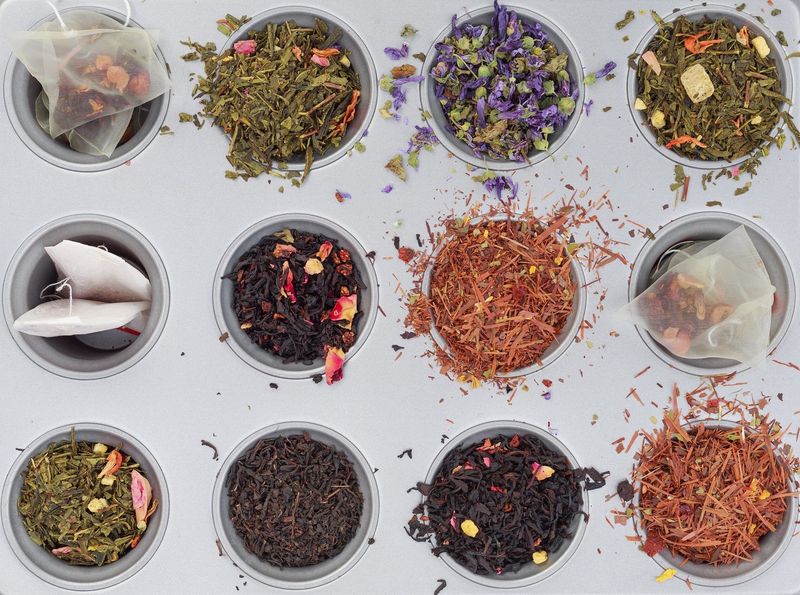
Herbal infusions are widely enjoyed, yet not everyone classifies them as traditional tea in Britain. Technically, tea made from the Camellia sinensis plant differs from fruit or herbal blends entirely.
Taste, caffeine content and preparation can vary depending on the ingredients used and steeping style. Some people are particular about that distinction when ordering or discussing their drink.
The terminology alone can prompt a friendly correction during casual conversation.
10. It's Just A Drink
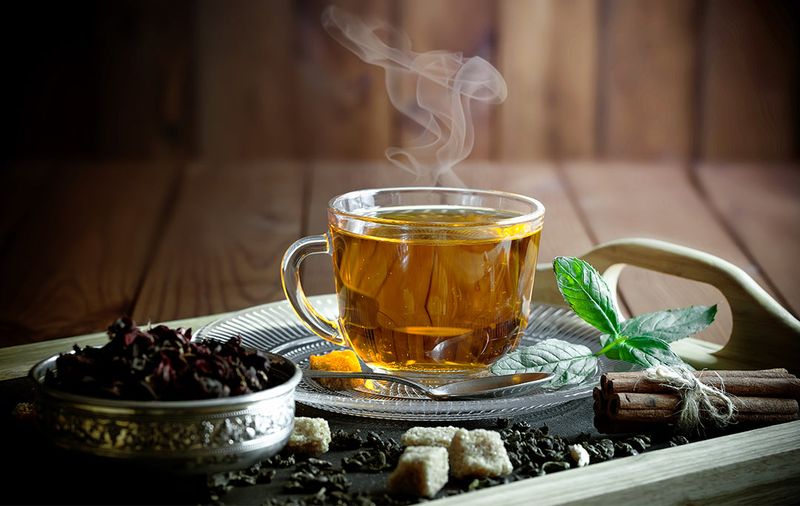
Calling tea just a drink overlooks how often it features in everyday routines across Britain. In Britain, it’s commonly offered during work breaks, visits and casual chats between friends or colleagues.
The act of making a cup can signal pause, comfort or simple hospitality. It often marks moments both ordinary and significant in homes and workplaces alike.
For many, it carries meaning that goes beyond what’s in the mug on the table.



