













Yorkshire pudding has long been a familiar feature of home cooking across Britain, most commonly associated with roast dinners and shared family meals. Its simple ingredients and adaptability have helped it remain a regular part of everyday food culture rather than a dish reserved for special occasions.
With 1 February marking British Yorkshire Pudding Day, it offers a timely moment to look at the different ways this traditional bake is served at home, from classic pairings to more practical uses for leftovers.
This content is provided for general interest only. Cooking methods, serving traditions, and preferences may vary by household and region. Images are for illustrative purposes only.
1. With Roast Beef And Gravy
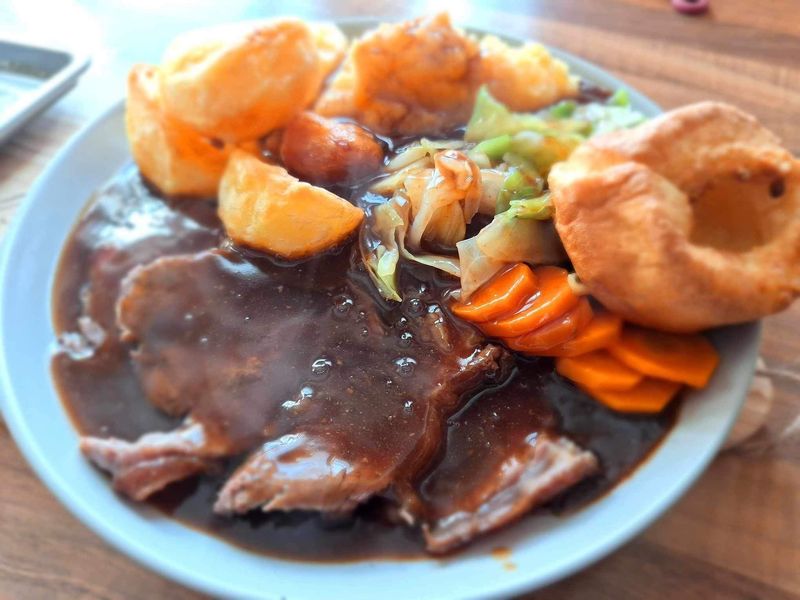
Nothing beats the classic pairing that started it all. Roast beef and Yorkshire pudding go together like tea and biscuits, creating the sort of meal that makes Sunday afternoons worth waiting for.
The pudding's crispy edges and soft centre catch every drop of beefy gravy, turning each forkful into pure comfort. Many families insist the pudding must be served on a separate plate to maintain its structural integrity before the gravy assault begins.
This timeless combination remains the gold standard by which all other Yorkshire pudding pairings are measured across Britain.
2. As Part Of A Full Sunday Roast
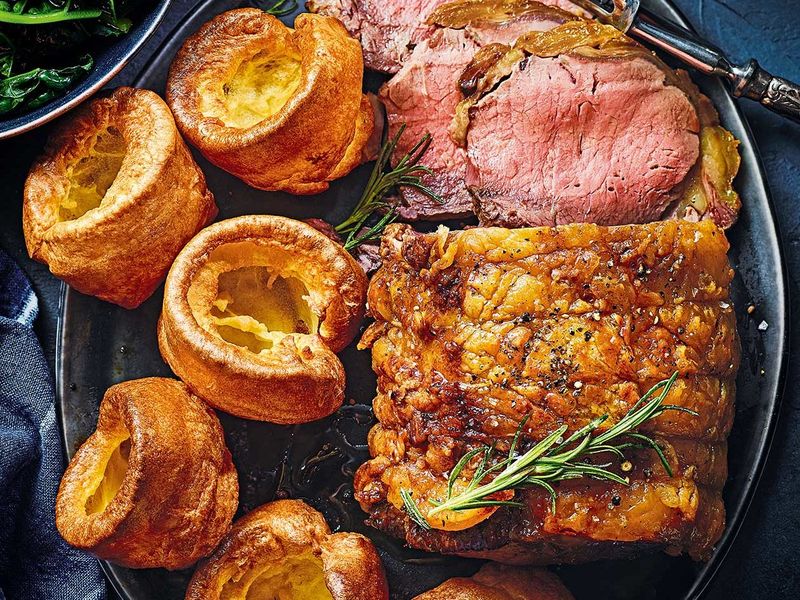
Sunday roast isn't just a meal; it's a weekly ritual that brings families together around mountains of roasted goodness. Yorkshire pudding plays a starring role alongside roasties, seasonal veg, and whatever joint happens to be centre stage.
Whether it's beef, pork, or turkey taking the lead, the pudding adapts beautifully to each protein's flavour profile. Some cooks serve individual puddings per person, whilst others present one giant specimen for dramatic tableside portioning.
The beauty lies in how the pudding transforms ordinary gravy into liquid gold worth fighting siblings over.
3. Filled With Sausages And Onion Gravy
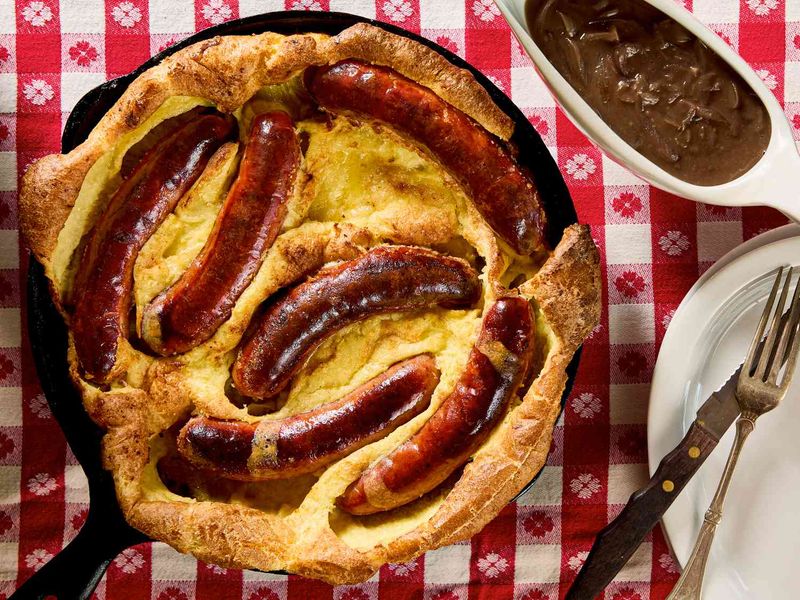
Toad in the hole gets a simplified treatment when sausages nestle into Yorkshire pudding with lashings of sweet onion gravy on top. Butchers' bangers work brilliantly here, their savoury flavour melding perfectly with the eggy batter.
The onion gravy adds a sweet depth that complements rather than overwhelms, creating a proper hearty meal from humble ingredients. Kids absolutely adore this version, probably because it feels like eating sausages from an edible bowl.
Midweek suppers become something special when this comforting combination appears on the table with minimal fuss required.
4. Served Alongside Roast Chicken
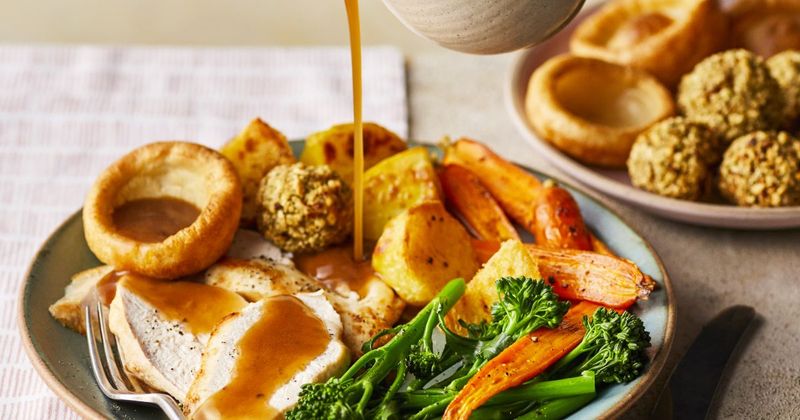
Roast chicken might seem like the Sunday roast's lighter cousin, but it demands Yorkshire pudding respect just the same. The pudding soaks up chicken pan juices beautifully, capturing all those herby, buttery flavours that make roast chicken so moreish.
Many home cooks actually prefer this pairing because chicken's milder taste lets the Yorkshire pudding's eggy richness shine through more prominently. The combination works equally well for casual family dinners or when trying to impress guests without breaking a sweat.
Leftover cold chicken and pudding make cracking next-day sandwiches too.
5. With Lamb And Mint Sauce
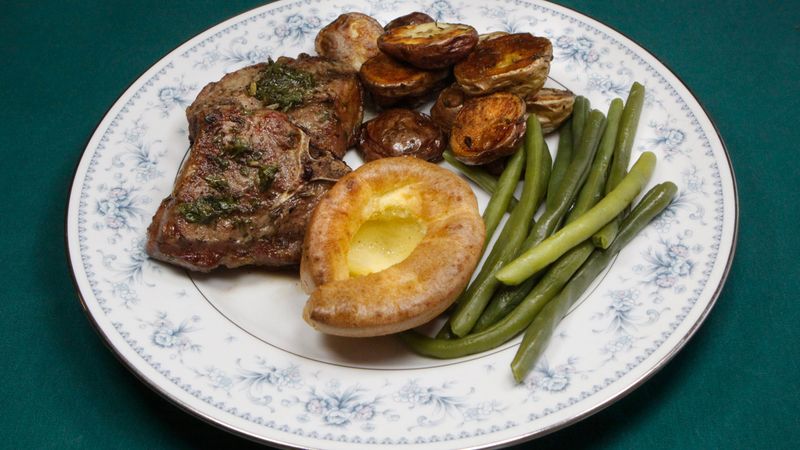
Lamb brings a richer, slightly gamey flavour that pairs unexpectedly well with Yorkshire pudding's neutral canvas. The traditional mint sauce cuts through the lamb's fattiness whilst the pudding provides textural contrast that keeps each mouthful interesting.
Spring lamb season makes this combination particularly popular, especially around Easter when families gather for celebratory roasts. Some adventurous cooks even fold chopped fresh mint directly into the Yorkshire pudding batter for an integrated flavour experience.
The trio of lamb, mint, and Yorkshire creates a properly British taste sensation that feels both traditional and special.
6. Stuffed With Leftover Roast Meat
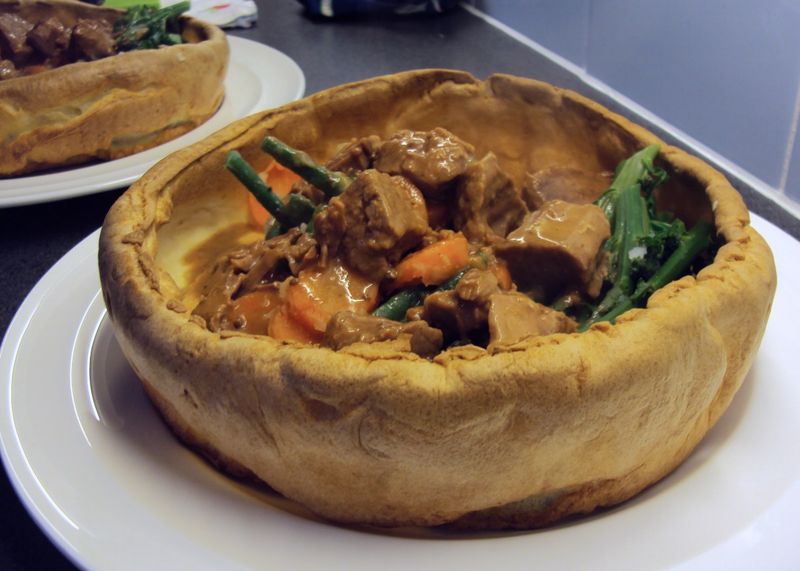
Monday's leftovers become Tuesday's triumph when yesterday's roast gets tucked into fresh Yorkshire pudding. This clever approach transforms random fridge bits into a meal that feels purposeful rather than cobbled together.
Any roast meat works beautifully here, whether beef, pork, chicken, or lamb, mixed with leftover veg and reheated gravy for maximum comfort. The contrast between crispy fresh pudding and tender reheated meat creates interesting textural layers that make leftovers actually exciting.
Waste-conscious cooks have relied on this method for generations, proving sustainability tastes absolutely brilliant.
7. With Vegetables And Thick Gravy
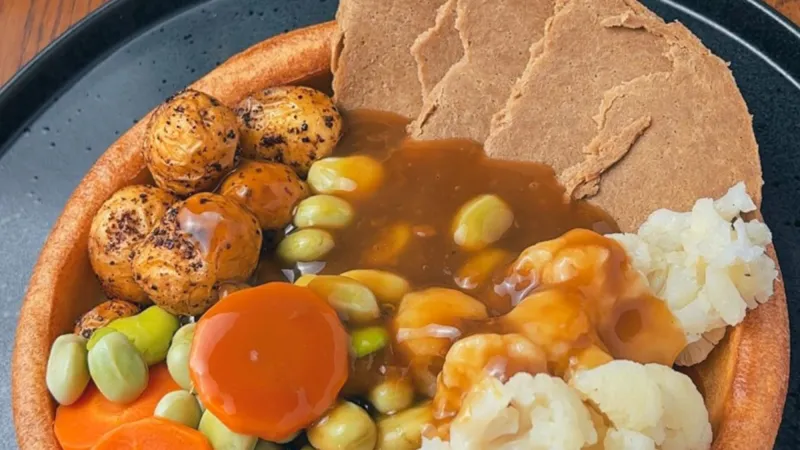
Vegetarians needn't miss out on Yorkshire pudding glory. Piled high with roasted seasonal vegetables and proper thick gravy, it becomes a satisfying meat-free main that even carnivores respect.
Root vegetables like carrots, parsnips, and swede work particularly well, their natural sweetness playing nicely against the savoury pudding and rich gravy. The key lies in making proper vegetable stock-based gravy that's thick enough to coat everything without turning soggy.
This approach proves Yorkshire pudding's versatility extends far beyond its beefy origins into genuinely delicious plant-based territory.
8. Cold With Leftover Meats And Pickles

Cold Yorkshire pudding might sound odd, but it's a proper Boxing Day tradition when nobody can face another hot meal. Sliced like bread, it partners brilliantly with cold roast meats, tangy pickles, and sharp chutneys for an informal buffet spread.
The pudding's texture firms up when cold, making it sturdy enough to hold sandwich fillings without falling apart in your hands. Piccalilli, Branston pickle, or homemade chutneys add the acidic punch needed to balance the rich meat and eggy pudding.
This casual serving style feels wonderfully relaxed after days of formal festive dining.



