













For many people across Britain, the day does not quite begin until the kettle clicks off and a favourite mug is within reach. Tea feels comforting, familiar, and deeply woven into daily routines, often enjoyed without a second thought about what might be swirling beneath the surface.
Recent conversations among researchers and health experts have started to raise new questions about how brewing methods, packaging, and ingredients could influence wellbeing over time. These findings do not suggest abandoning the nation’s favourite drink, but they do encourage paying closer attention to how it is prepared and consumed.
Health information in this article is provided for general educational purposes only and should not replace personalised medical advice. Readers with specific health concerns or dietary needs should consult a qualified healthcare professional. Research findings and recommendations may continue to evolve as new studies become available.
Microplastics In Tea: What The Birmingham Study Actually Found
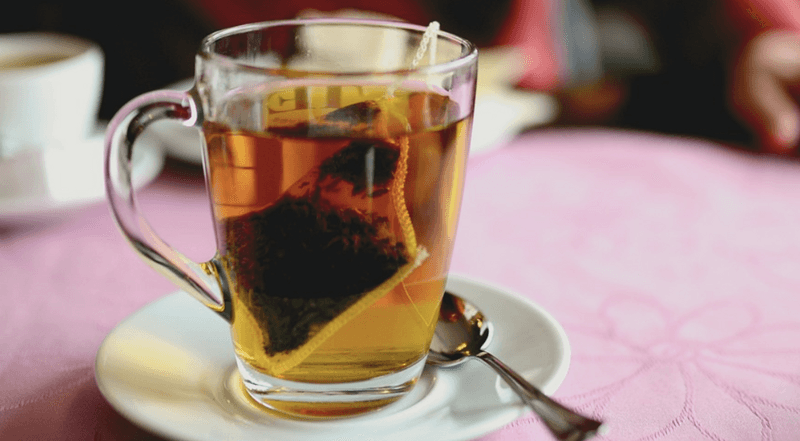
A University of Birmingham team analysed hot and cold drinks sold in the UK and reported microplastics in every type they tested. Hot tea came out highest on average, with results showing around 60 microplastic particles per litre.
Microplastics research is still developing and studies measure particles in different ways. The useful takeaway is not panic, it is that your daily brew can pick up tiny plastic particles depending on how it is made and served.
Why Heat And Packaging Can Increase Microplastic Levels
Temperature matters because heat can speed up the release of plastic particles from packaging and food contact materials. In the Birmingham research, hot versions of drinks generally showed higher microplastic counts than cold equivalents.
Packaging also plays a role, especially when a drink contacts plastic linings or components for longer. If you drink tea very hot and frequently buy it on the go, it is a sensible place to focus small changes.
Tea Bags: Which Materials Are Most Likely To Shed Particles
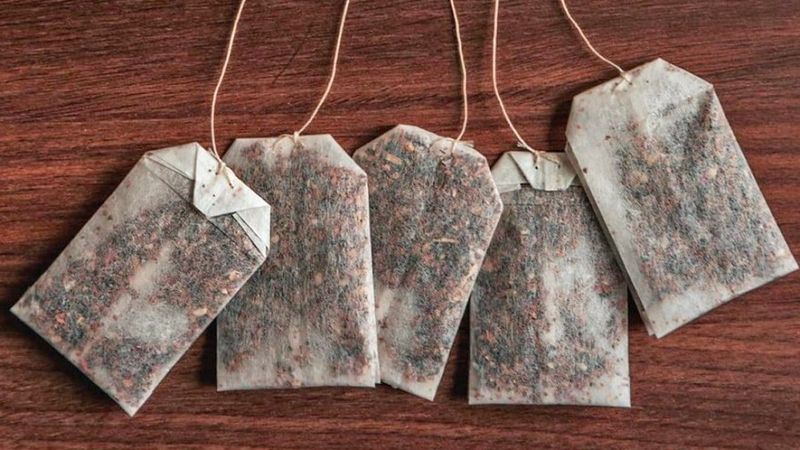
Not all tea bags are the same, and materials make a difference. Some bags use plastics such as polypropylene or nylon, and studies have shown these can release large numbers of micro and nano sized particles when brewed in hot water.
Even some paper style bags can contain plastic fibres or sealants. The practical point for everyday tea drinkers is simple: choose loose leaf tea or clearly plastic free bags where possible.
Easy Ways To Reduce Exposure Without Giving Up Tea
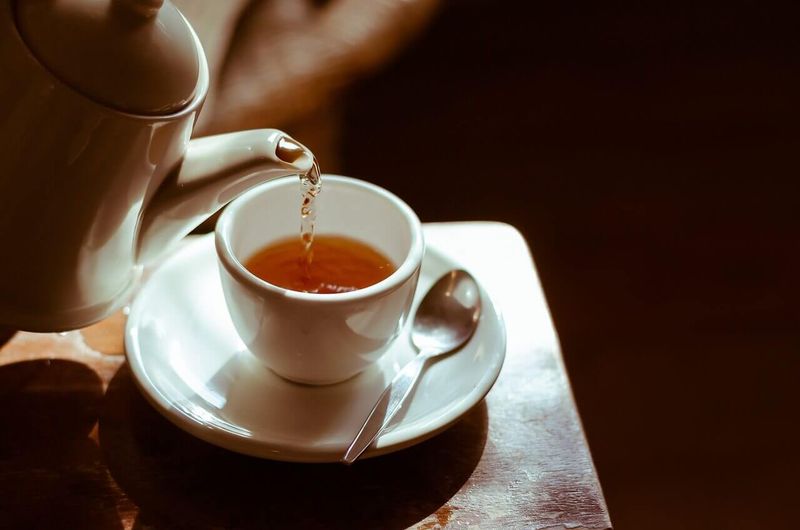
You do not need to ditch tea to be sensible about this. Using a ceramic or glass mug you already own is a straightforward step, especially compared with hot drinks served in disposable cups.
If you buy takeaway tea, bringing a reusable cup can reduce contact with plastic linings and lids. Loose leaf plus a metal infuser is another easy swap that still feels like a proper cuppa, not a science experiment.
Tannins And Iron: Who Might Want To Time Their Tea Differently
Separate from microplastics, tea contains tannins, which can reduce absorption of non haem iron from plant foods when tea is taken with meals. This can matter more for people who already struggle with low iron, including some vegetarians and vegans, and during pregnancy.
The fix is often just timing: having tea between meals rather than alongside iron rich foods can help. Pairing plant iron sources with vitamin C rich foods can also support absorption.



