













Tea time once followed a rhythm that shaped afternoons across Britain, bringing families together around familiar rituals and comforting flavours. Over time, busy schedules and changing lifestyles have quietly reshaped how and when tea is enjoyed.
Many traditional habits still hold charm, even as modern routines move at a faster pace. These customs often reflect social traditions as much as food or drink choices.
All information is provided for general informational purposes only. Cultural traditions, regional practices, and personal experiences with tea-time customs may vary widely across households and generations.
1. Serving Tea From A Teapot
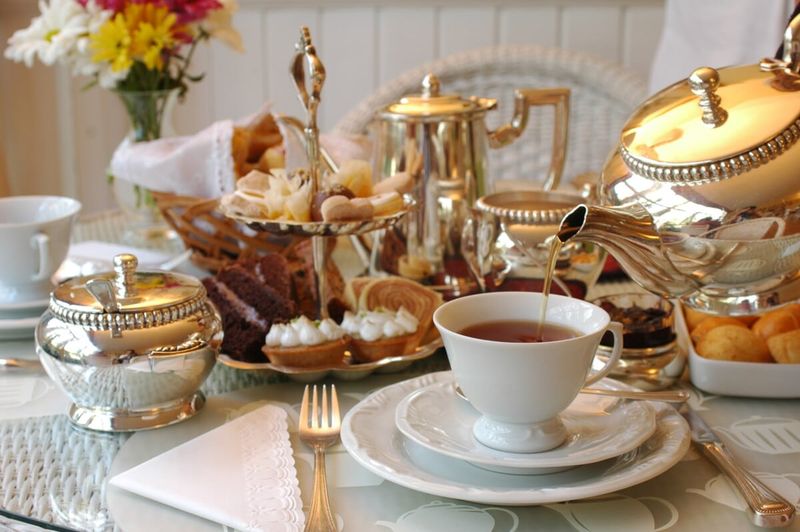
Preparing tea in a pot has long been part of traditional home routines. Brewing several cups together allows the flavour to develop gradually and encourages sharing.
Many households still enjoy using teapots for gatherings or relaxed afternoons. Others prefer single mugs for convenience depending on daily schedules.
Both approaches continue to appear in British tea culture today.
2. Using Loose Leaf Tea
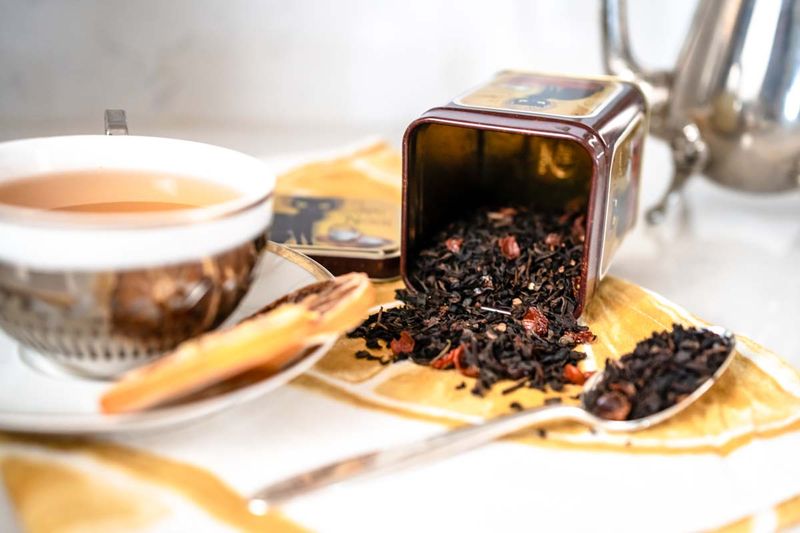
Loose leaf tea offers a wide variety of blends and flavour strengths. Brewing it usually involves strainers or infusers, which can make preparation feel slightly different from using tea bags.
Many tea drinkers still enjoy loose leaf varieties for special occasions or slower routines. Tea shops and markets continue to sell a broad range of options.
Both loose leaf and bagged tea remain common across different households.
3. Setting Out Cups And Saucers
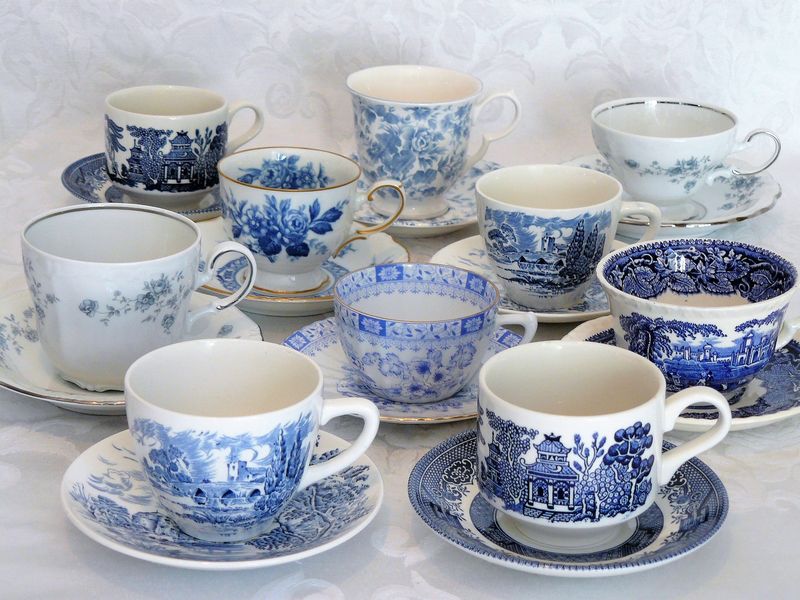
Serving tea with matching cups and saucers has long been associated with formal tea gatherings. These sets often appear during celebrations or when entertaining guests.
Everyday tea drinking frequently takes place using mugs or larger cups. The choice usually reflects comfort, occasion, and personal preference.
Both styles remain part of British tea traditions.
4. Keeping A Set Afternoon Tea Time
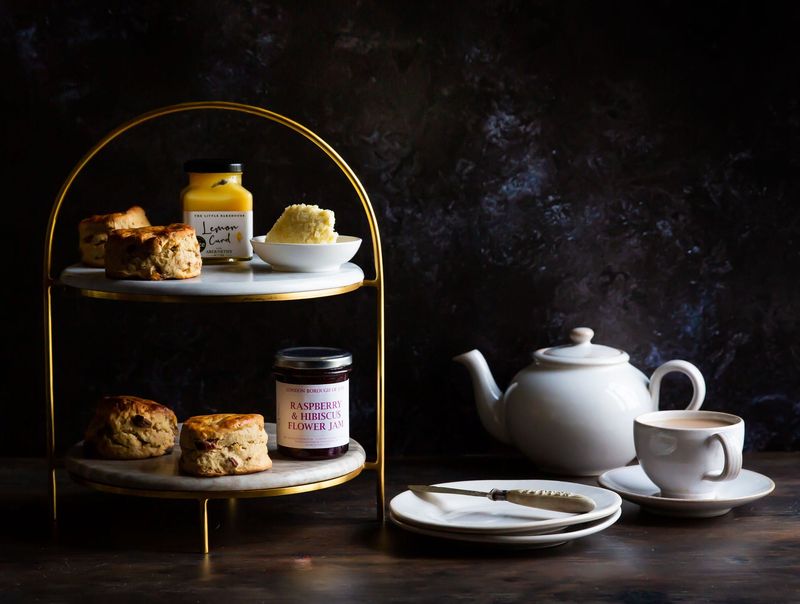
Afternoon tea has historically been enjoyed at a regular time during the day. Some households still follow this routine, especially for social gatherings or special occasions.
Others prefer flexible mealtimes depending on work and family commitments. The tradition continues to appear in hotels, cafés, and cultural events.
Its timing often reflects modern lifestyles while maintaining traditional charm.
5. Offering Tea To Guests On Arrival
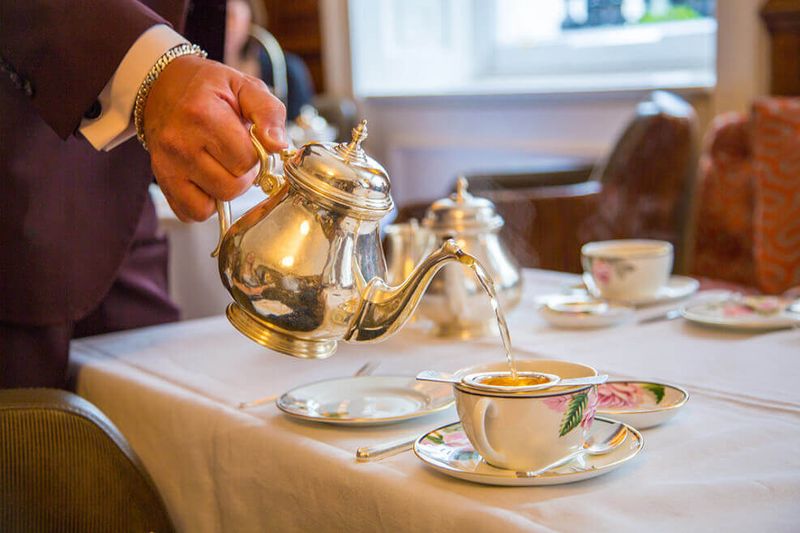
Offering tea to visitors has long been considered a welcoming gesture in many homes. Some hosts continue this tradition as part of everyday hospitality.
Others offer a range of drink options depending on preferences and circumstances. The intention remains focused on making guests feel comfortable.
Hospitality customs continue to evolve while keeping familiar elements.
6. Serving Scones With Jam And Clotted Cream
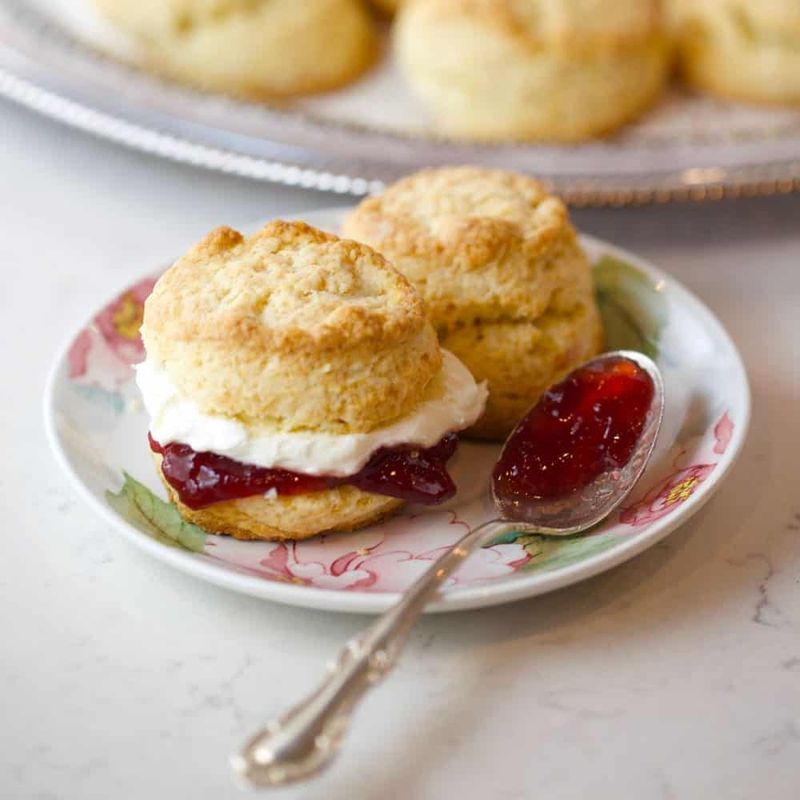
Scones with jam and cream remain closely linked with British afternoon tea traditions. They are still widely served in cafés, hotels, and special gatherings.
Some households prepare them at home, while others prefer shop-bought versions. The order of spreading jam and cream continues to spark light-hearted debate.
The treat remains a recognisable part of tea culture.
7. Using A Tea Cosy
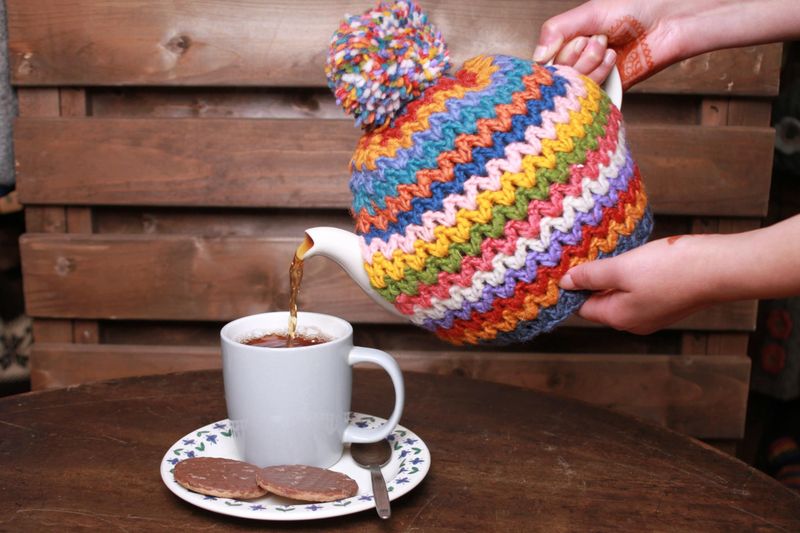
Tea cosies were traditionally used to help keep teapots warm between servings. Many older homes still keep them as part of kitchen traditions or decorative items.
Some people continue using them during longer tea gatherings. Modern heating and insulated teapots offer alternative ways to maintain temperature.
Tea cosies remain a nostalgic symbol of traditional tea service.
8. Pouring Tea Into Fine China Cups
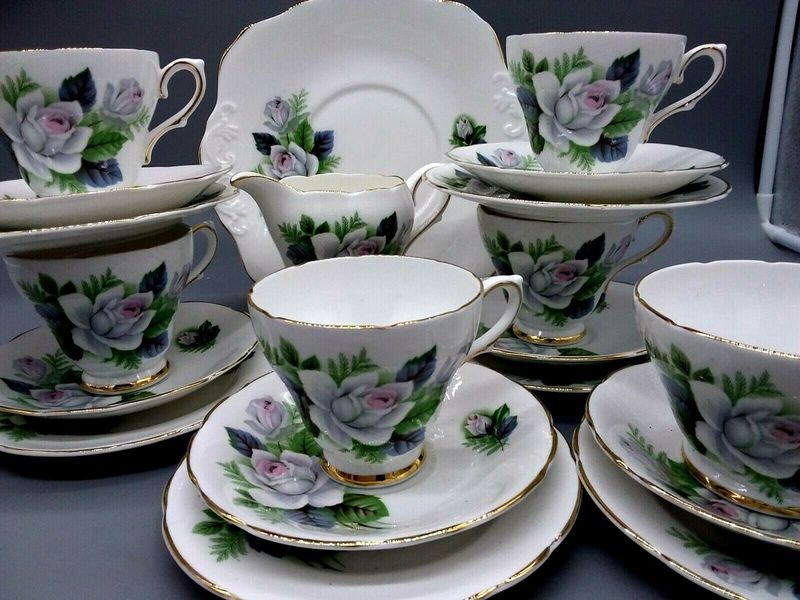
Fine china cups have long been associated with formal tea occasions and family heirlooms. They are still used for celebrations, afternoon tea, and special gatherings.
Everyday tea drinking often uses sturdier crockery designed for frequent use. Many families display china as part of household tradition.
Both practical and decorative uses continue today.
9. Setting Teaspoons For Each Guest
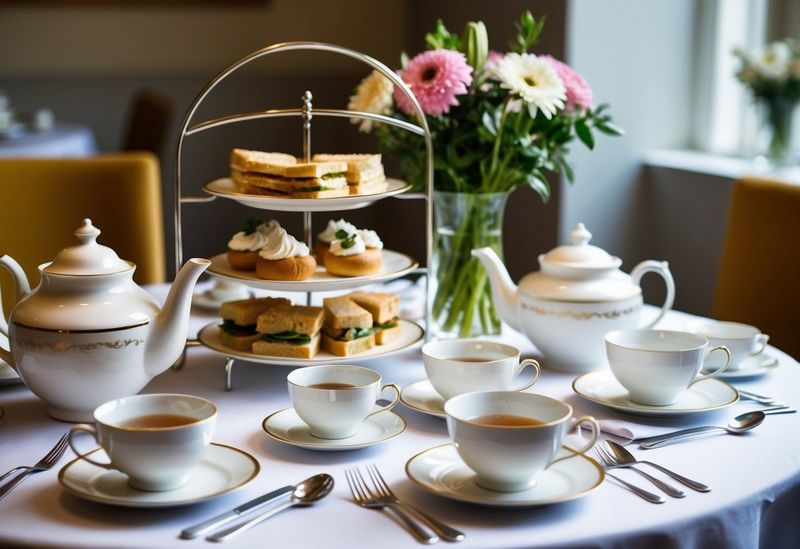
Providing individual teaspoons has traditionally been part of formal tea settings. This practice allows guests to stir tea comfortably and neatly.
Some households continue setting full place arrangements when entertaining. Others prefer relaxed serving styles depending on the occasion.
Tea etiquette varies widely between homes and social settings.
10. Serving Finger Sandwiches With Tea
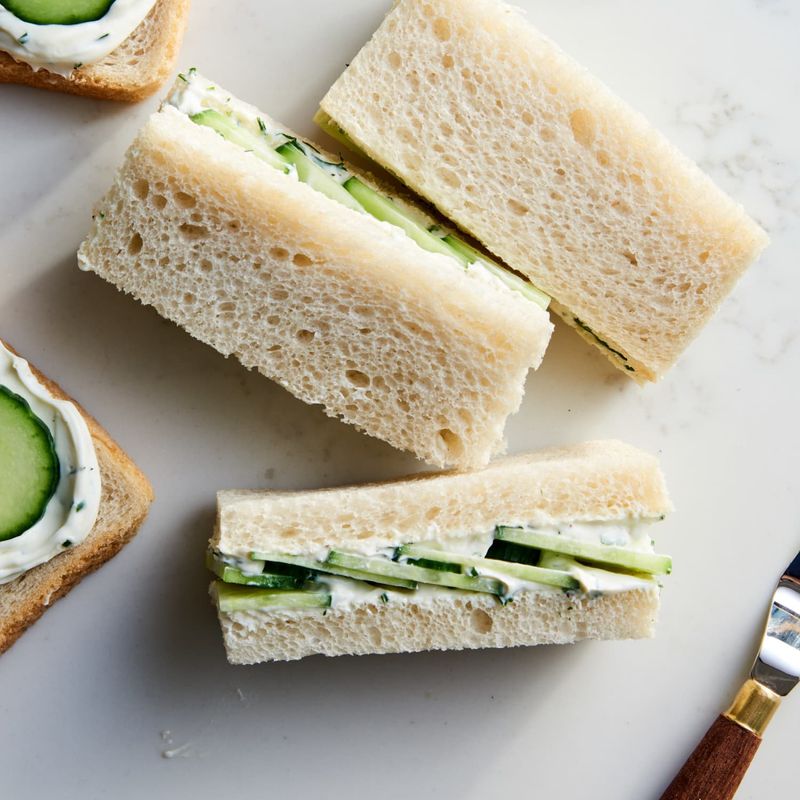
Finger sandwiches have long been part of classic afternoon tea menus. They are still served in cafés, hotels, and special events.
Home gatherings sometimes include them depending on time and preparation preference. Fillings continue to evolve with changing tastes and ingredients.
The tradition remains a recognisable feature of formal tea service.
11. Adding Milk To Traditional Black Tea
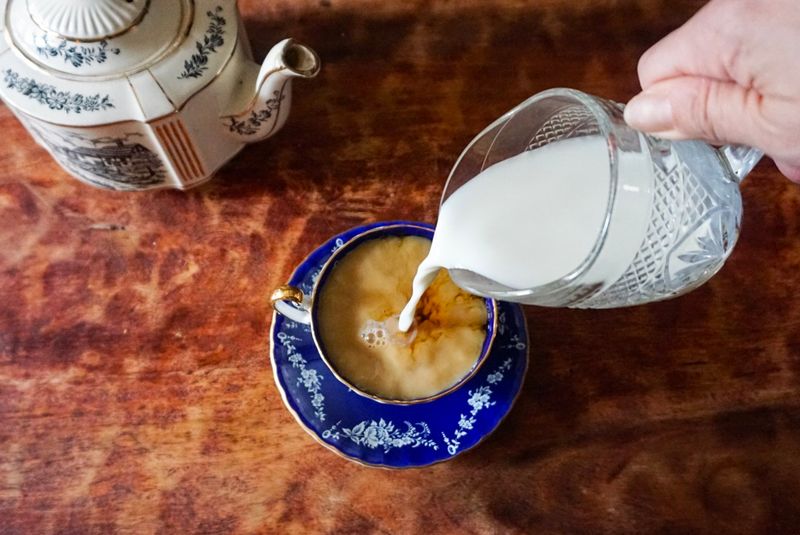
Many British tea drinkers enjoy adding milk to certain black tea blends. Others prefer lemon, sugar, or drinking tea without additions.
Tea preferences vary widely depending on region, family habits, and personal taste. New tea varieties and brewing methods continue to influence drinking styles.
Milk remains one of several traditional serving options.
12. Pouring Tea Before Adding Milk
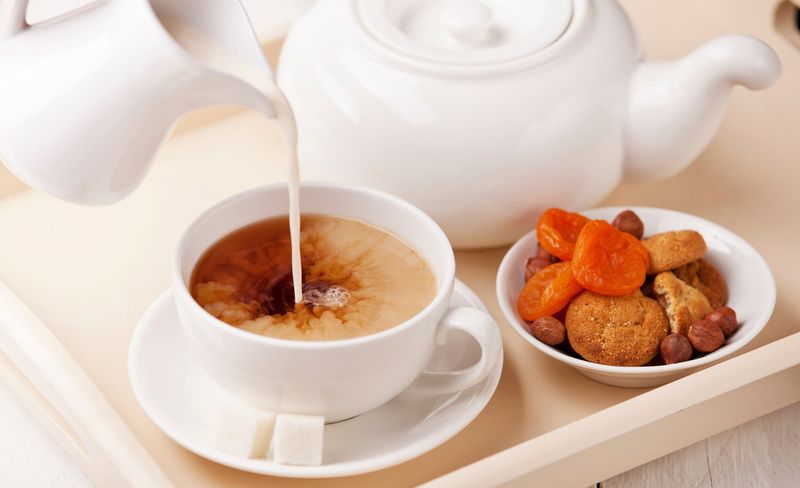
The order of adding milk and tea has long been debated in British tea culture. Some prefer adding milk first, while others add it after brewing tea.
Both approaches have historical roots linked to taste and crockery traditions. Modern cups and brewing styles allow flexibility in preparation.
The debate remains a light-hearted part of tea conversation.
13. Sitting Down Properly For Tea
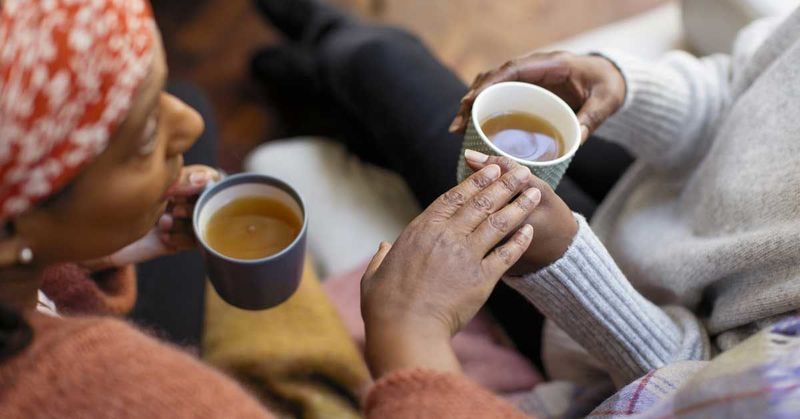
Tea has traditionally been enjoyed as a social pause during the day. Some households continue gathering around tables for relaxed tea breaks.
Others enjoy tea while working, travelling, or completing daily tasks. The way tea is consumed often reflects changing routines and lifestyles.
Both structured tea breaks and casual tea drinking remain part of modern habits.



