













Food has a quiet way of giving us away. Mention what you had for tea growing up and someone can often guess your region, your family habits, or even the kind of school you went to.
In Britain especially, certain meals carry strong associations – not just with taste, but with class, routine, and household traditions. From weekday staples that stretched a budget to dishes reserved for Sunday best, these meals reflect more than ingredients on a plate.
They hint at how a household shopped, cooked, and gathered around the table. The clues are subtle, but once you spot them, it is hard not to read between the lines.
All information is provided for general interest only. Traditions and interpretations may vary between households and regions. Photos are for illustrative purposes only.
1. Full English Breakfast

Nothing says weekend morning quite like a proper fry-up, but what lands on your plate can tell an entire story. Working-class families might pile on extra beans and fried bread to stretch the budget, whilst posher households lean towards grilled tomatoes and posh sausages from the butcher.
Regional differences matter too. Black pudding appears up North, whilst Southern families might skip it entirely.
The quality of ingredients reveals plenty about family priorities and spending habits.
Some households serve this daily, others save it for special occasions, marking it as either everyday fuel or weekend luxury depending on your background.
2. Beans On Toast
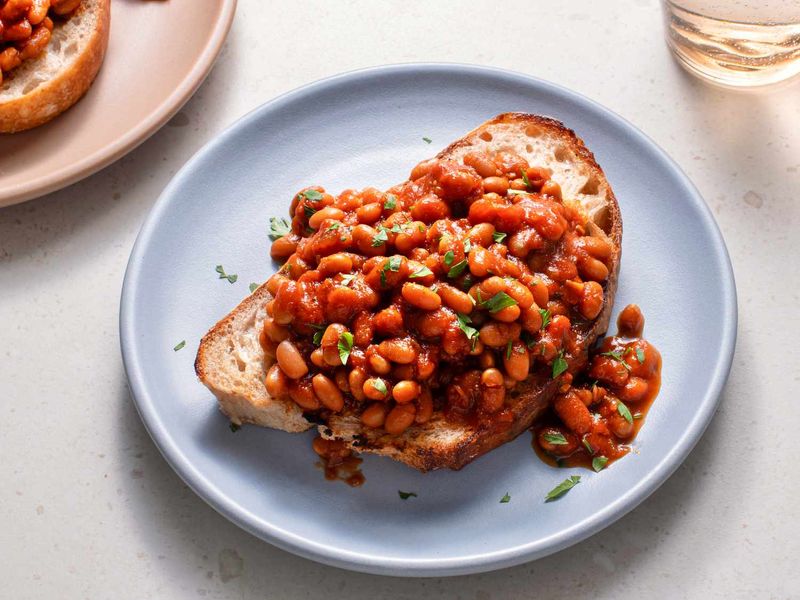
Arguably Britain's most democratic meal, yet even this humble dish divides along class lines. Working-class kids grew up eating this multiple times weekly as a cheap, filling teatime staple that required zero cooking skills and minimal washing up.
Middle-class families might view it as a guilty pleasure or lazy dinner, something eaten when proper cooking feels like too much effort. The bread choice matters – value white bread versus fancy sourdough tells its own tale.
Adding cheese on top or serving it with a fried egg transforms this basic meal into something fancier, showing how families elevated simple ingredients based on what they could afford.
3. Shepherd's Pie
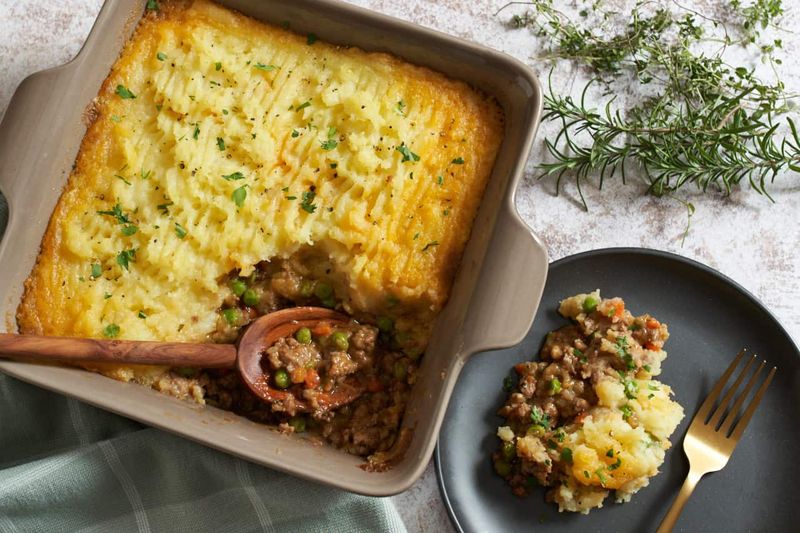
This comforting classic divides families by what goes inside and how it's prepared. Proper working-class versions use leftover Sunday roast lamb, stretching expensive meat with plenty of veg and rich gravy that soaks into fluffy mashed potato on top.
Posher households might insist on fresh minced lamb and call the beef version cottage pie, getting quite snooty about the distinction. The mash reveals loads, too. Lumpy and buttery suggests home cooking, whilst perfectly smooth hints at more refined tastes.
Families who batch-cooked this for freezing knew the value of making meals stretch, whilst others treated it as Thursday night rotation fodder without much thought.
4. Toad In The Hole
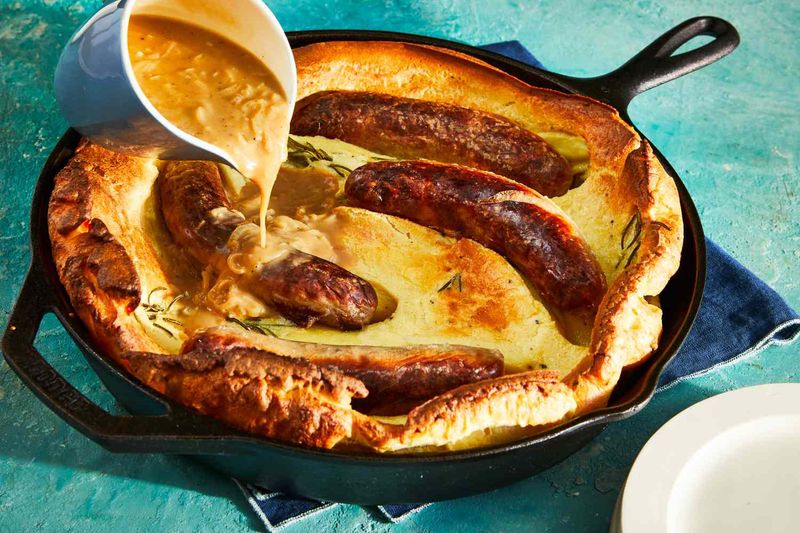
Few dishes scream British childhood quite like sausages baked into Yorkshire pudding batter. Working-class families mastered this because it turned cheap bangers into something special, with the batter filling bellies when meat felt scarce.
The sausage quality tells the real story. Value packs from the supermarket versus proper butcher's sausages mark different upbringings entirely. Some families served this weekly, others reserved it for cosy autumn evenings when comfort food felt essential.
Posh households might skip this altogether, viewing it as too stodgy or common. Serving it with onion gravy and garden peas versus fancy vegetables shows how families approached traditional British cooking differently.
5. Fish Fingers With Chips And Beans
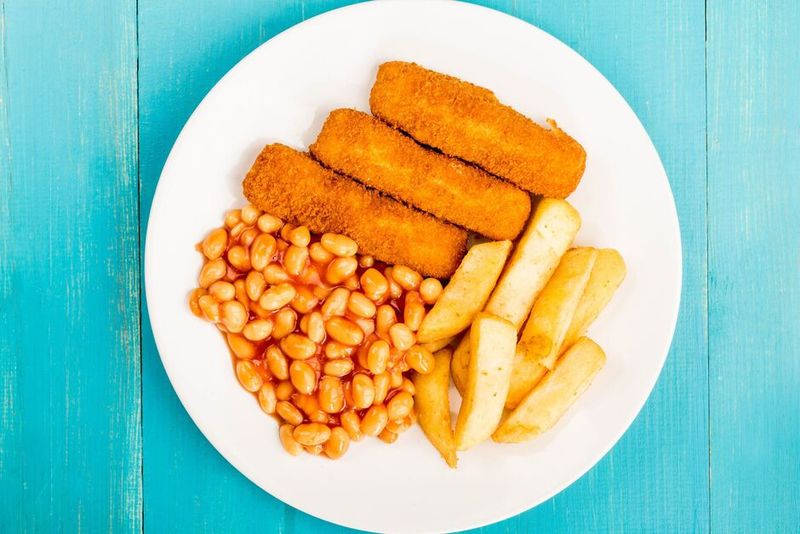
Walk into any working-class household between 1970 and today, and you'll find this trio appearing regularly on teatime tables. Kids adored it, parents loved how quick it was, and everyone knew exactly what they were getting – no surprises, no fuss, just reliable comfort.
Middle-class families might feel slightly embarrassed serving this, dressing it up with homemade chips or posh fish goujons instead of freezer staples. The chips matter, of course. Oven chips versus chip shop chips versus hand-cut potatoes reveal cooking effort and family priorities.
This meal represents practical parenting and budget consciousness, feeding hungry kids without breaking the bank or spending hours in the kitchen after work.
6. Sunday Roast With Yorkshire Puddings
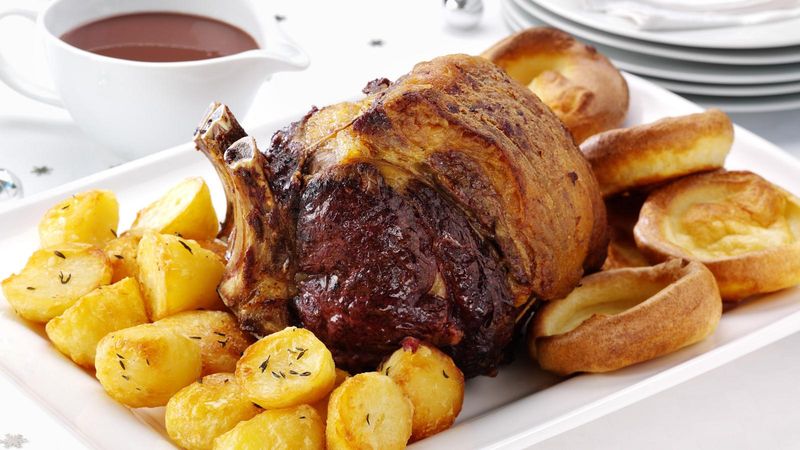
Sunday lunch remains sacred across British social classes, but what appears on the table reveals everything about upbringing. Working-class families might roast cheaper cuts or chicken, making Yorkshire puddings massive to fill everyone up before the pricier meat gets passed around.
Posher households serve smaller Yorkshires alongside premium beef joints, with multiple vegetable sides and homemade gravy from proper stock. The timing matters, too! Eating at noon suggests traditional roots, whilst later lunches hint at more relaxed, modern attitudes.
Families who gathered weekly for this ritual valued togetherness and tradition, making Sunday roast less about food and more about maintaining family bonds across generations.
7. Spaghetti Hoops On Toast
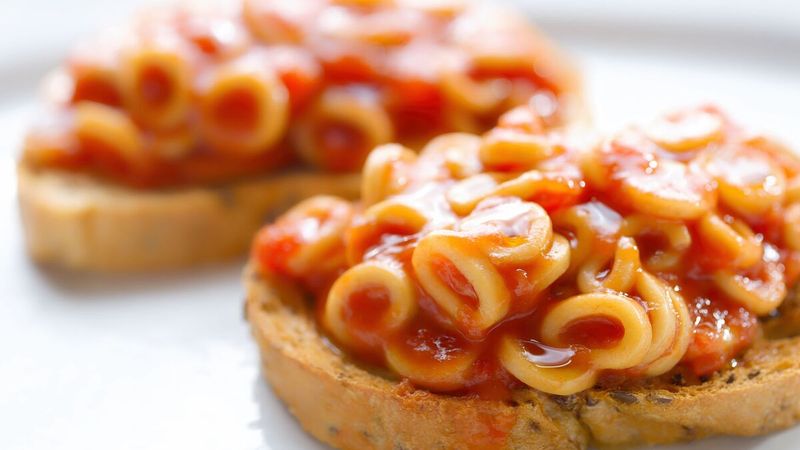
If beans on toast has a sweeter, more childish cousin, spaghetti hoops claim that title proudly. Working-class kids practically survived on these tinned rings of pasta, which cost pennies and required zero cooking talent beyond operating a tin opener and toaster.
Middle-class parents might serve this apologetically, viewing it as emergency food when proper cooking fails. The brand matters. Heinz versus supermarket own-brand splits families by budget and loyalty to childhood favourites.
Some households elevated this with grated cheese or butter, whilst others served it plain and simple. Either way, this meal screams practical parenting and nostalgia for simpler times when kids ate without complaints.
8. Corned Beef Hash
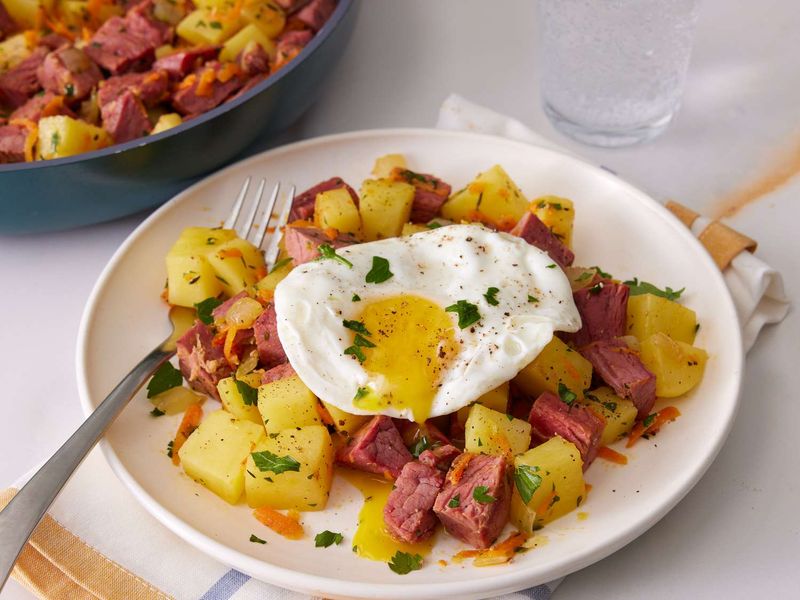
Before meal kits and food delivery apps existed, resourceful families created magic from tins of corned beef and leftover spuds. This hearty dish screams post-war practicality, stretching tinned meat into a filling meal that fed families without fancy ingredients or complicated techniques.
Working-class households knew this recipe by heart, frying everything together until crispy bits formed – the best part, honestly. Posher families might wrinkle their noses at tinned meat, preferring fresh ingredients and more sophisticated flavour combinations.
Serving this regularly meant understanding value and making do with what the cupboard offered. Some families topped it with fried eggs, adding protein and richness to an already satisfying plate.
9. Sausage And Mash With Onion Gravy
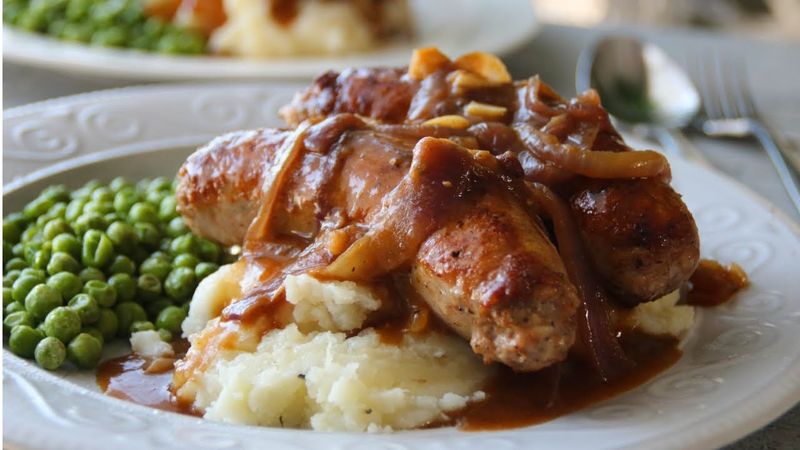
Bangers and mash ranks among Britain's most beloved comfort foods, yet the execution reveals loads about family background. Working-class versions use budget sausages and instant mash when time runs short, drowning everything in thick onion gravy that makes even basic ingredients taste incredible.
Posher households insist on butcher's sausages with high meat content, serving them alongside proper mashed potato made with real spuds, butter, and cream. The gravy quality matters too; granules versus homemade stock shows cooking priorities and available time.
This meal represents British comfort food at its finest, proving that simple ingredients cooked with care can satisfy anyone, regardless of where they started in life.
10. Jacket Potato With Tuna Mayonnaise
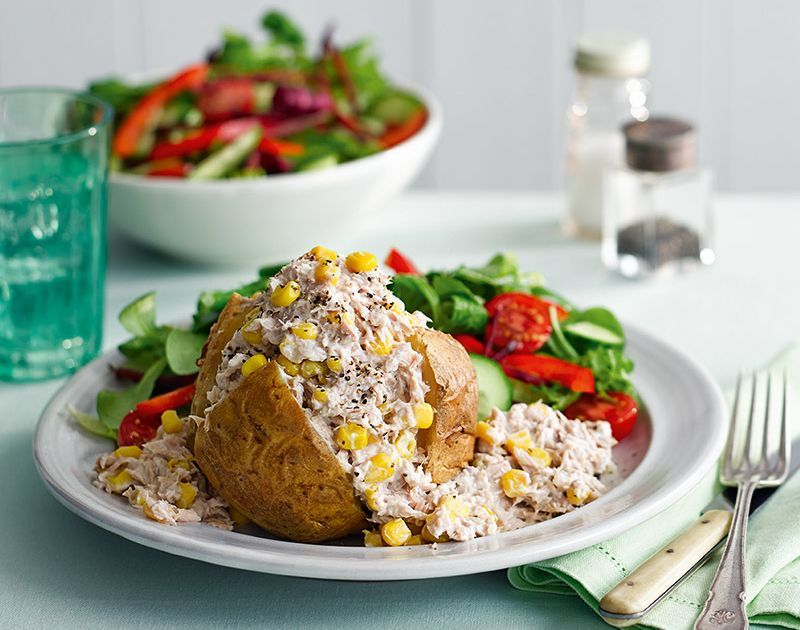
School canteens and working-class kitchens share a deep love for this filling, fuss-free meal. Baking a potato costs almost nothing, and tinned tuna mixed with mayo creates a protein-packed topping that transforms simple carbs into proper dinner.
Middle-class families might jazz this up with sweetcorn, spring onions, or fancy tuna in olive oil, whilst budget-conscious households stick to basics that fill bellies without drama. The potato itself matters – perfectly fluffy inside with crispy skin suggests proper cooking, whilst microwaved versions hint at time-poor families.
This meal screams practicality and resourcefulness, feeding families nutritious food without requiring culinary skills or expensive ingredients. Everyone wins, basically.



