













Ordering food in Britain can feel surprisingly confusing, even when the language seems familiar. A word that sounds straightforward to a local might mean something entirely different to someone visiting for the first time.
The result is often a polite smile at the table – and a plate that looks nothing like what was expected. Food terms that feel obvious in one culture can shift meaning completely once you cross a border.
These ten examples show how British favourites can cause genuine mix-ups for travellers, proving that vocabulary matters just as much as flavour.
All information is provided for general interest only. Meanings, usage, and interpretations may vary depending on region and personal experience. Photos are for illustrative purposes only.
1. Pudding
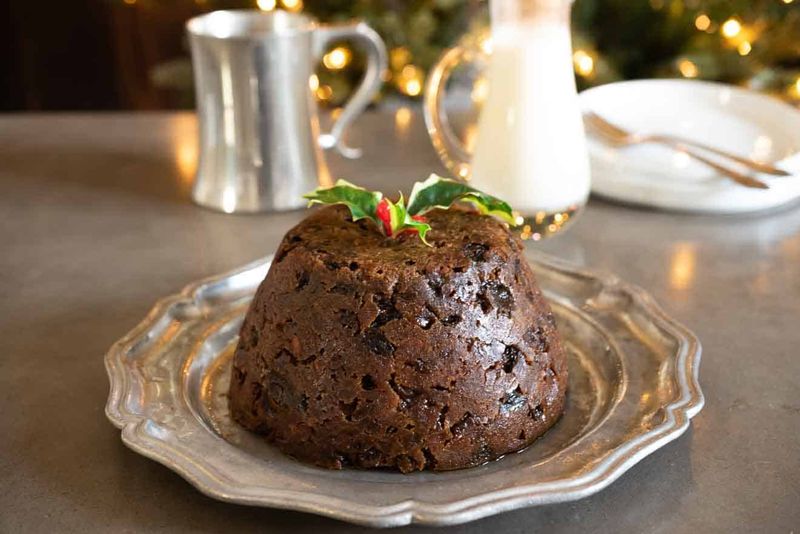
In Britain, pudding doesn't just mean chocolate mousse or vanilla custard. It's what locals call the entire dessert course, whether you're tucking into apple crumble, ice cream, or a slice of cake.
Visitors expecting a specific wobbly, creamy dish might feel baffled when offered sticky toffee pudding or bread and butter pudding instead. The word simply means "sweet thing that comes after your main meal."
Even savoury items like black pudding or Yorkshire pudding carry the name, making the whole thing delightfully confusing for newcomers.
2. Biscuit
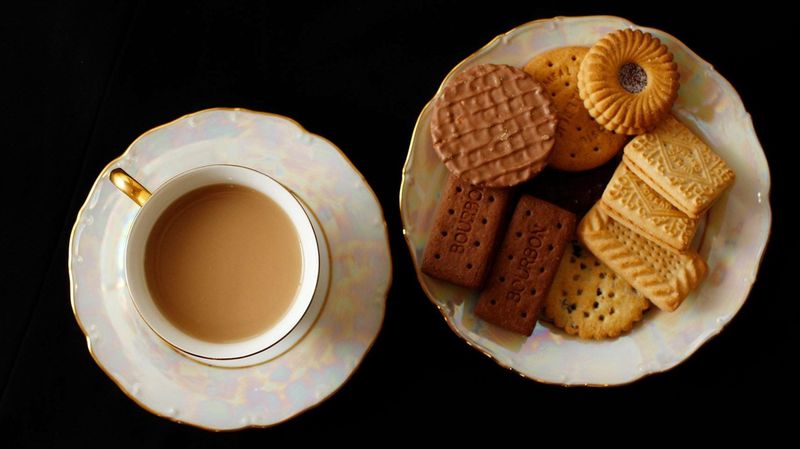
Ask for a biscuit in America and you'll get something fluffy and savoury, perfect alongside gravy. In Britain, you're handed a sweet, crunchy treat designed for dunking in tea.
British biscuits range from chocolate digestives to rich bourbons, all firmly in the snack category rather than breakfast territory. They're smaller, crispier, and meant to be enjoyed with a hot cuppa rather than smothered in butter.
The confusion runs deep enough that visitors often wonder where the actual cookies are, not realising they're holding them.
3. Chips
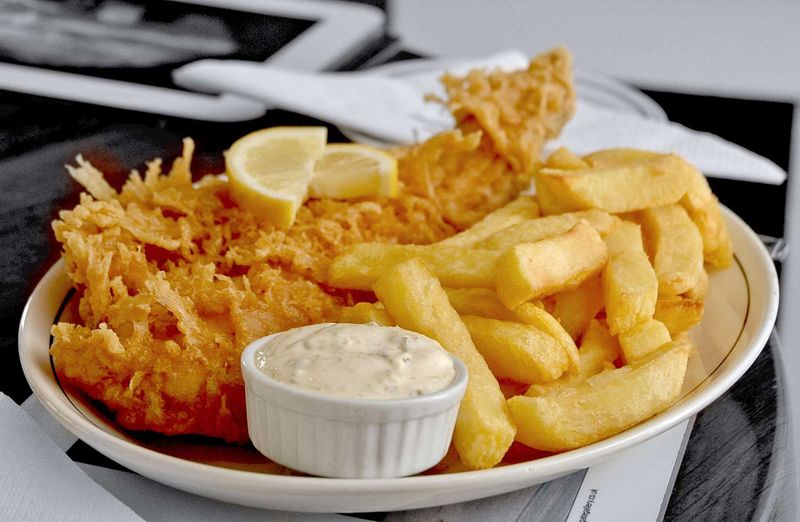
Thick, chunky, and gloriously golden, British chips are what Americans call fries, but with significantly more heft. They're cut thicker, often softer inside, and traditionally doused in salt and malt vinegar.
Visitors expecting thin, crispy McDonald's-style fries might be surprised by the substantial potato wedges that arrive. Proper chip shop chips have fluffy interiors and a satisfying bite that makes them a meal in themselves.
The confusion doubles when Brits talk about crisps, leaving newcomers wondering what happened to their expected snack.
4. Crisps
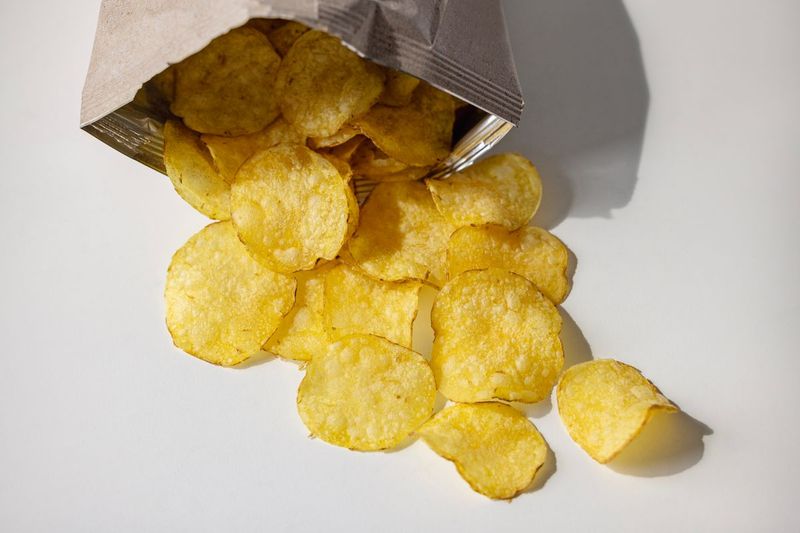
What Americans call chips, Brits call crisps. These thin, crunchy slices of fried potato come in flavours like prawn cocktail, cheese and onion, or the classic ready salted.
They're sold in individual packets at corner shops and supermarkets, perfect for lunch boxes or a quick snack. The texture is lighter and crispier than their American cousins, with a distinctive snap when you bite down.
Asking for chips when you want crisps in Britain will land you a plate of hot, thick-cut potatoes instead of a snack bag.
5. Jelly
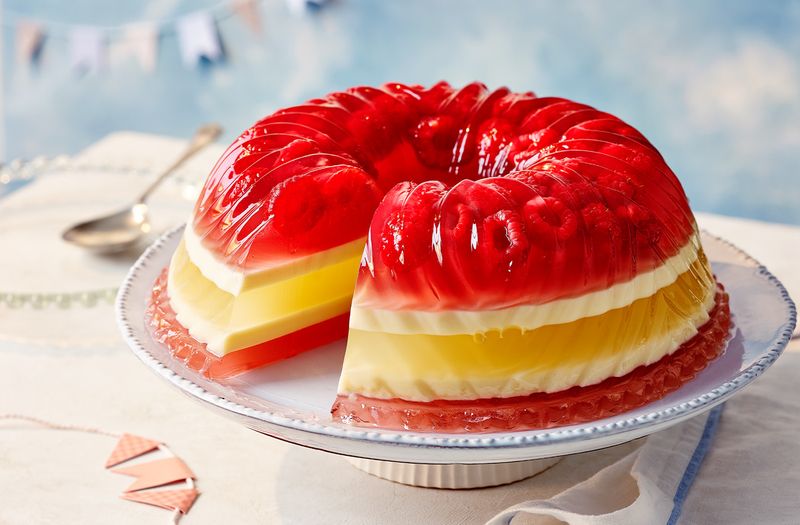
British jelly is a wobbly, translucent dessert made from fruit-flavoured gelatin, often served at children's parties alongside ice cream. It jiggles, it's sweet, and it comes in electric colours like strawberry red or lime green.
Americans know this as Jell-O, whilst their version of jelly is what Brits call jam. The mix-up can lead to some very odd sandwich expectations when a visitor hears about jelly and peanut butter.
Brits never spread jelly on toast; that's jam's job, whilst jelly stays firmly in the dessert bowl where it belongs.
6. Pancakes
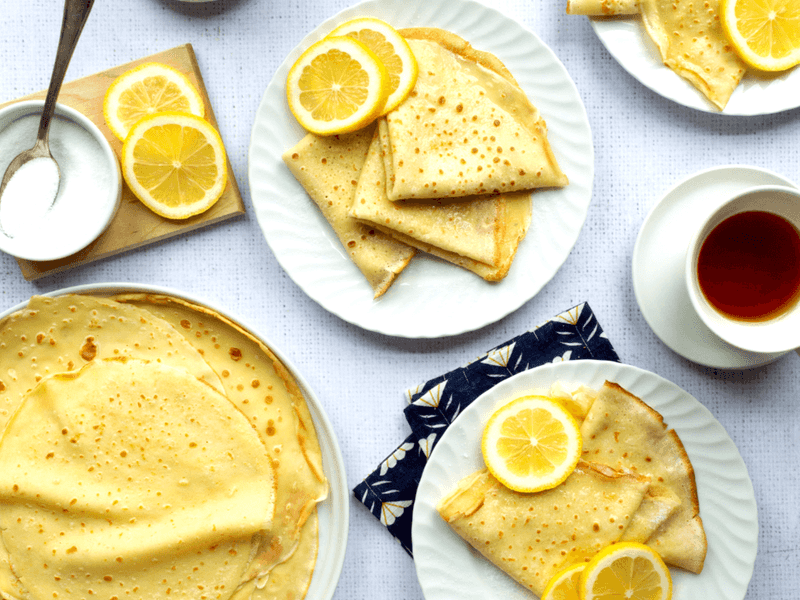
British pancakes are thin, delicate affairs similar to French crêpes, traditionally served on Shrove Tuesday with lemon juice and caster sugar. They're rolled or folded, never stacked high like their American counterparts.
Visitors expecting thick, fluffy breakfast pancakes with syrup and bacon might feel shortchanged by the elegant, paper-thin version. These cook quickly in a hot pan and have a slightly eggy flavour that pairs beautifully with simple toppings.
The texture is soft and pliable rather than cakey, making them perfect for wrapping around sweet or savoury fillings.
7. Scone
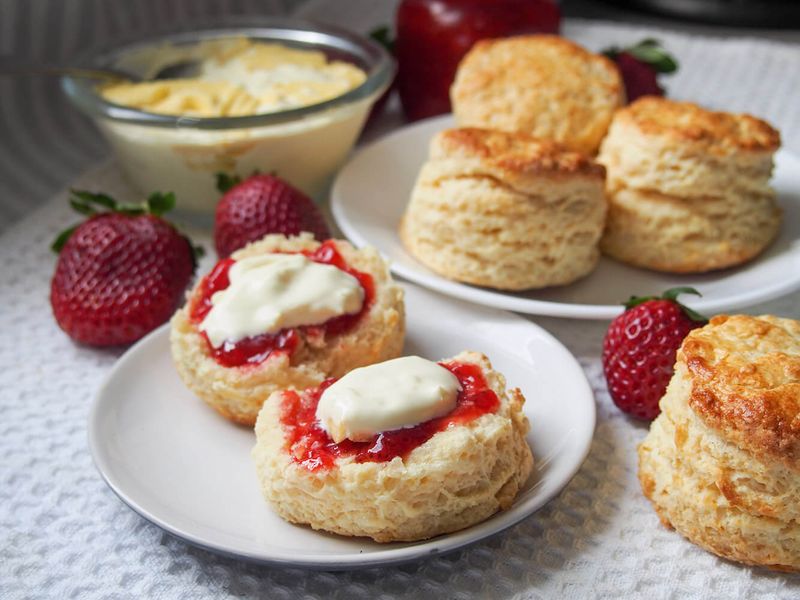
Pronunciation wars aside (it's either "skon" or "skohn" depending on who you ask), scones are crumbly, slightly sweet baked goods essential to afternoon tea. They're split horizontally and loaded with clotted cream and jam, sparking fierce debate over which goes on first.
Americans might mistake them for biscuits due to their similar texture, but scones are sweeter and specifically designed for the cream tea ritual. They're best eaten fresh and warm, when they're at their most tender.
The whole experience feels quintessentially British, from the pronunciation squabbles to the cream versus jam controversy.
8. Tea
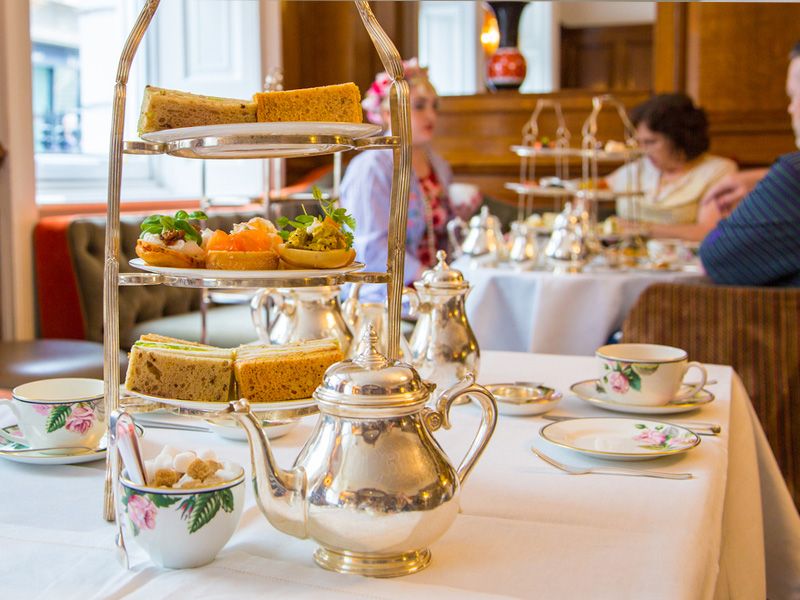
When Brits say "tea," they might mean the hot beverage, but they could also be referring to the evening meal. Context is everything, because "having tea" at six o'clock probably means eating dinner, not sipping Earl Grey.
The drink itself is usually builder's tea: strong black tea with a splash of milk, drunk throughout the day. Visitors expecting delicate herbal infusions or iced tea might be surprised by the robust, slightly bitter brew that fuels the nation.
Tea as a meal varies regionally, sometimes called dinner or supper, adding another layer of linguistic confusion.
9. Gravy
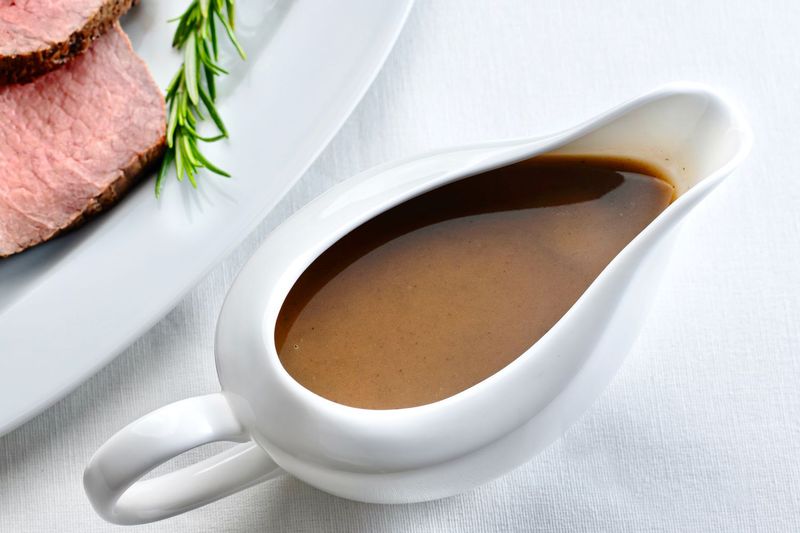
British gravy is a savoury sauce made from meat juices, stock, and sometimes a bit of flour to thicken it up. It's poured liberally over roast dinners, mashed potatoes, and even chips for a proper Northern treat.
Americans familiar with white sausage gravy might be confused by the thin, brown, intensely meaty version served in Britain. It's closer to a jus or pan sauce, designed to add moisture and flavour rather than create a thick, creamy coating.
The Sunday roast wouldn't be complete without a generous jug of the stuff, soaking into Yorkshire puddings and vegetables alike.
10. Confusing Pudding Course Names
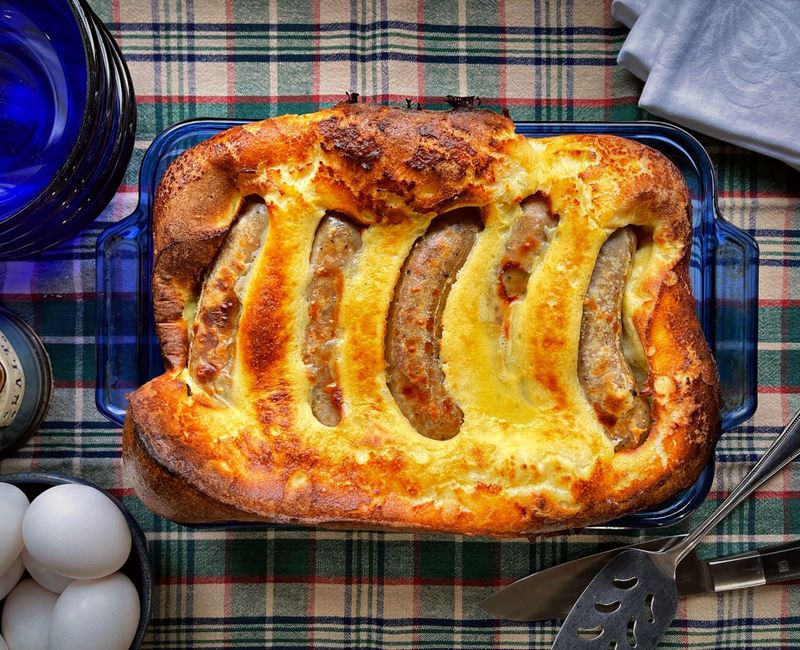
Britain is full of dessert and savoury dishes with names that can sound downright bizarre to visitors. One classic is a steamed suet pudding dotted with currants and served with custard, named for its spotted appearance and an old-fashioned word for pudding.
Toad in the Hole is another favourite, with sausages baked into Yorkshire pudding batter so they peek out like little toads from holes.
Despite their quirky names, both dishes are much-loved British classics that taste far better than they sound. Visitors often giggle at the menu before discovering these traditional foods are genuinely delicious examples of home-cooked comfort.



